













China's watch market evolution
The Asia-Pacific region continues to dominate the global watch industry, accounting for 49.2% of the market and 54.3% of luxury watch revenue in 2025. In China, the watch market was valued at US$19.8 billion in 2025 and is forecast to grow at a compound annual growth rate (CAGR) of 5.77% through 2034. Yet, behind this growth, consumer preferences are evolving.
Younger Chinese consumers are looking beyond watches as status symbols, placing greater emphasis on personal expression, craftsmanship and practicality. As buyers explore a wider range of brands, traditional Swiss watchmakers may notice an increase in pressure, as exports to mainland China have been declining over the past two years.
Trends such as the rise of quiet luxury have renewed interest in timeless design and understated details. At the same time, cautious spending combined with a growing preference for experiences over material goods is influencing how consumers prioritise their purchases.
A new generation of watch buyers
China’s under-30 consumers account for an estimated 40% of total spending, making them a critical audience for brands. Unlike previous generations, who often viewed high-end purchases as a means of signalling status, Gen Z consumers lean towards authenticity, individuality and personal fulfilment. They favour practical purchases and brands with a clear purpose, as logos alone are no longer enough to capture attention.
This shift reflects China’s move towards an “emotion economy”, where consumers are increasingly influenced by experiences, cultural relevance, and effective brand storytelling. Similar attitudes are evident in the luxury watch market. A 2025 Vogue Business survey of 1,000 luxury consumers aged 18 to 46 across China’s Tier 1, 2, and 3 cities found that personal taste (44%) outweighed social status (30%) as a driver of fine watch purchases.
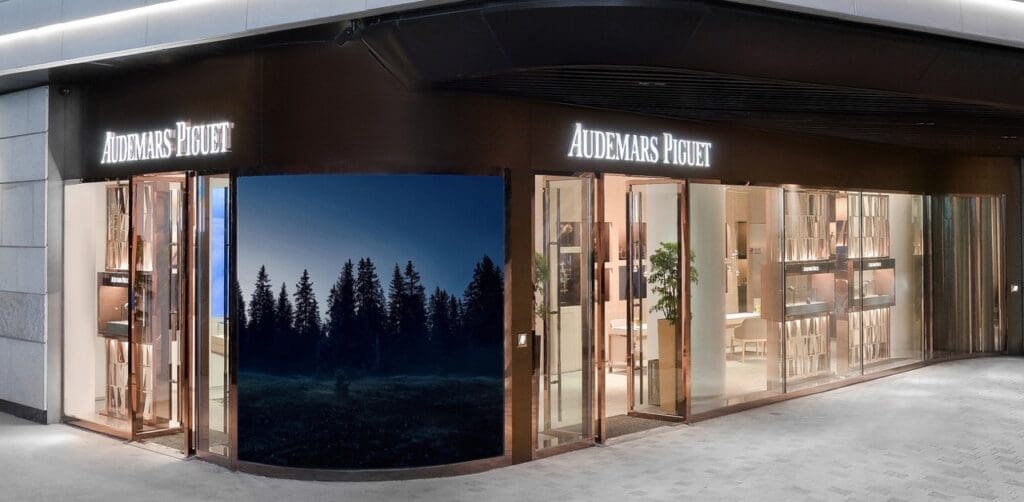
For watch brands, whether luxury or mass market, this presents an opportunity to engage consumers beyond the product itself. Audemars Piguet, for example, appeals to younger audiences through culturally inspired boutique designs and immersive brand experiences. In Shanghai, the Swiss brand incorporated local architectural influences to create a space that blends heritage with modern luxury.
Furthermore, market research suggests that, while brand prestige remains important to young watch buyers, craftsmanship, technical innovation, and performance features are key considerations in purchasing decisions.
At the same time, watches are increasingly viewed as fashion accessories. Younger consumers now buy watches that reflect their personal style and offer versatility across different occasions. This trend is particularly evident among women who tend to favour smaller, more elegant designs and appreciate the artistry of mechanical watches.
These preferences also align with the rise of quiet luxury, where understated design and refinement are becoming more desirable than overt displays of wealth and “flashy” branding.
Beyond the 'safe' luxury icons
The growing influence of under-30 consumers has been causing a restructuring of China’s watch market. For many younger buyers, the prestige associated with Swiss watchmaking is no longer the sole deciding factor in a purchase, opening up space for brands to compete with the most established Swiss brands.
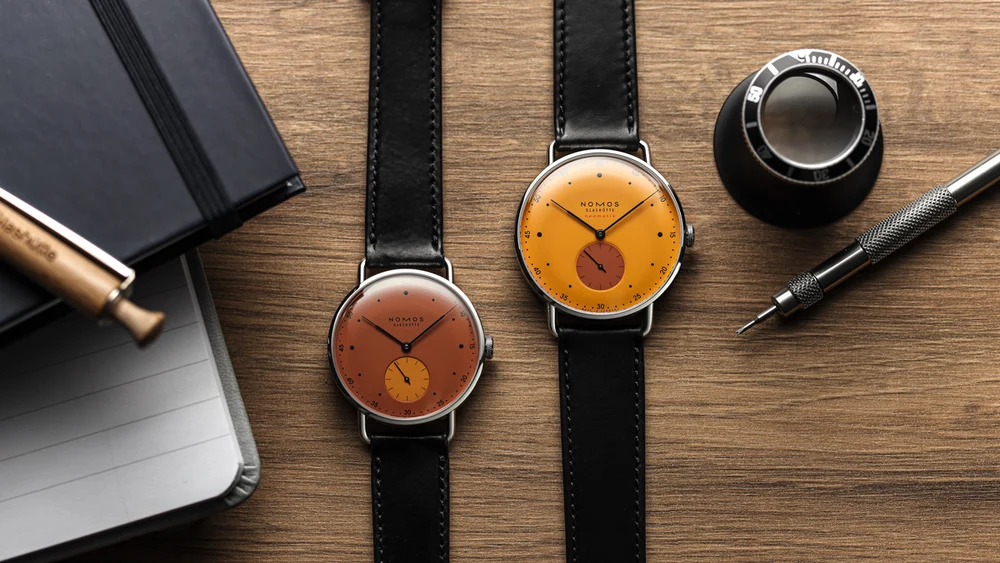
Nomos Glashütte is an example of this trend. Its watches, priced between approximately RMB 16,000 and RMB 60,000, offer a distinctive Bauhaus‑inspired alternative to traditional luxury timepieces. The brand also uses platforms such as RedNote (Xiaohongshu) to showcase its clean, minimalist designs and in‑house German craftsmanship to younger audiences.
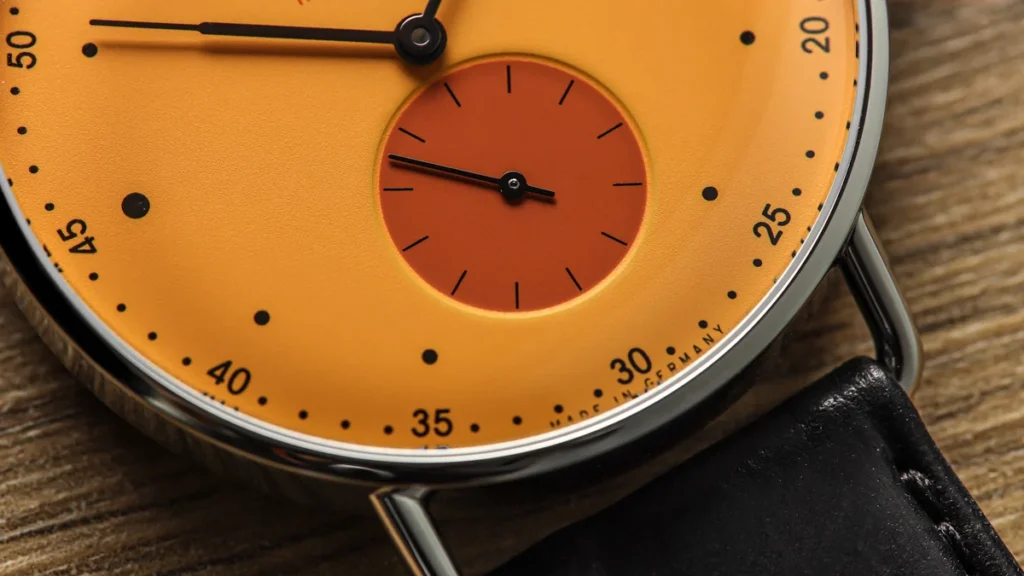
Another notable trend is the growth of the second-hand watch market. With young buyers becoming more value-conscious, many are turning to pre-owned luxury watches as a more accessible entry point into ownership. On resale platforms such as Feiyu, buyers can find established models such as the Rolex Datejust and Omega Seamaster at prices below retail.
Young consumers are also reshaping watch culture through the growing adoption of smartwatches. As interest in health, fitness and outdoor activities rises, functionality is becoming a greater priority for many buyers. Brands such as Garmin, Huawei and Apple are capitalising on this demand by offering devices that combine health monitoring, fitness tracking and smartphone connectivity. These features are broadening the role of watches beyond traditional timekeeping and raising expectations of what a watch can offer.

Together, these developments point to a more diverse and competitive watch market. Rather than defaulting to widely recognised luxury names, young consumers are exploring more niche brands, pre-owned watches and alternative brands that align with their personal tastes.
What this means for watch brands
For watch brands, the changing preferences present both a challenge and an opportunity. As buyers become more selective, reputation alone is no longer enough to secure demand.
Vogue Business’s 2025 China Hard Luxury Trends Report identifies maintaining young consumers’ interest and engagement as one of the industry’s key challenges. It also points to a more segmented market, where ultra-high-end brands are expected to remain relatively resilient, while mid-range and entry-level players face greater pressure to differentiate their offerings.
In response, several watchmakers have launched youth-focused strategies. Faced with softer demand in China, the Richemont-owned Vacheron Constantin reintroduced its iconic 222 model to tap into renewed interest in vintage designs. The brand also hosted immersive exhibitions in Shanghai, bringing its watchmaking heritage to life for younger consumers.
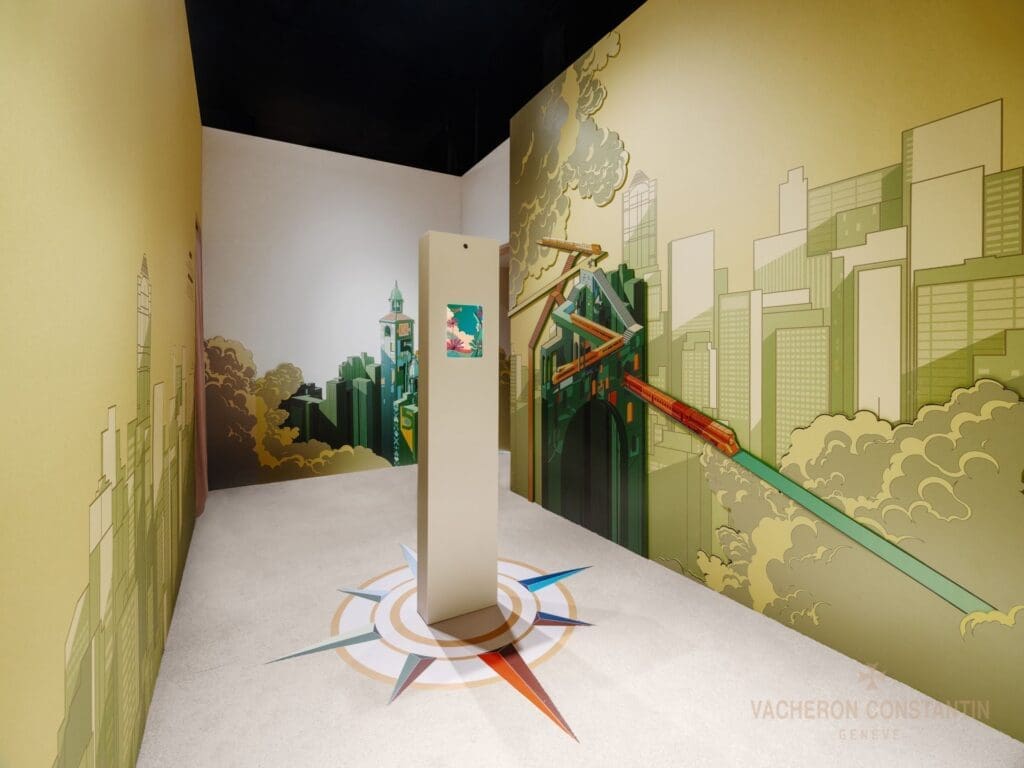

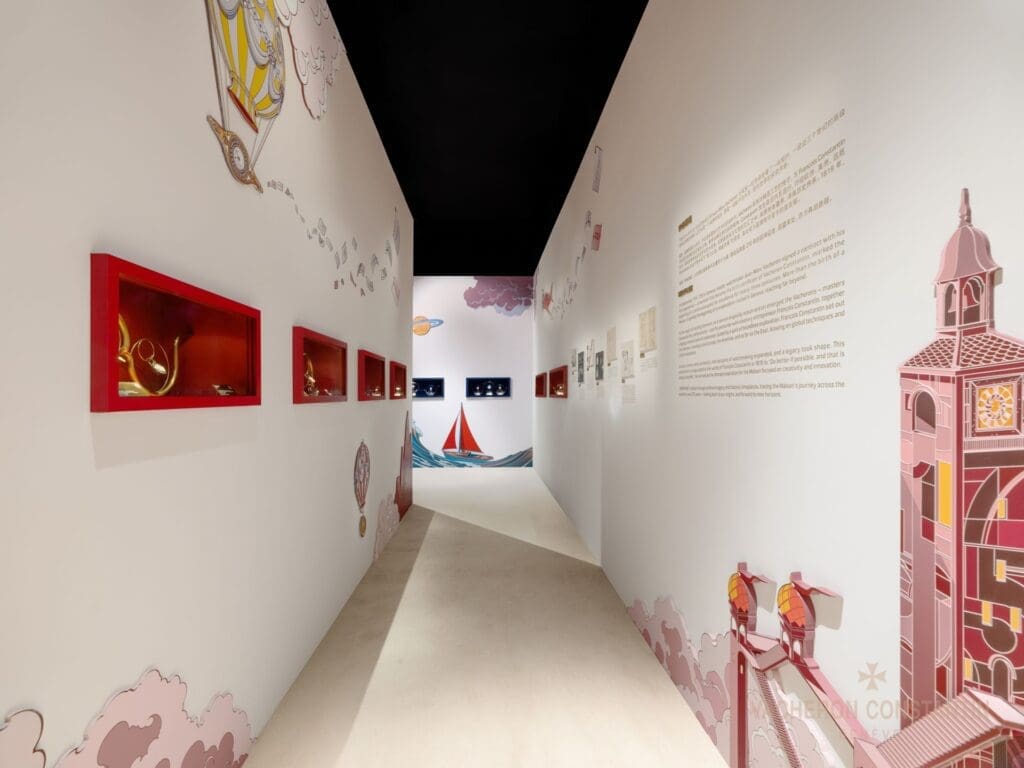
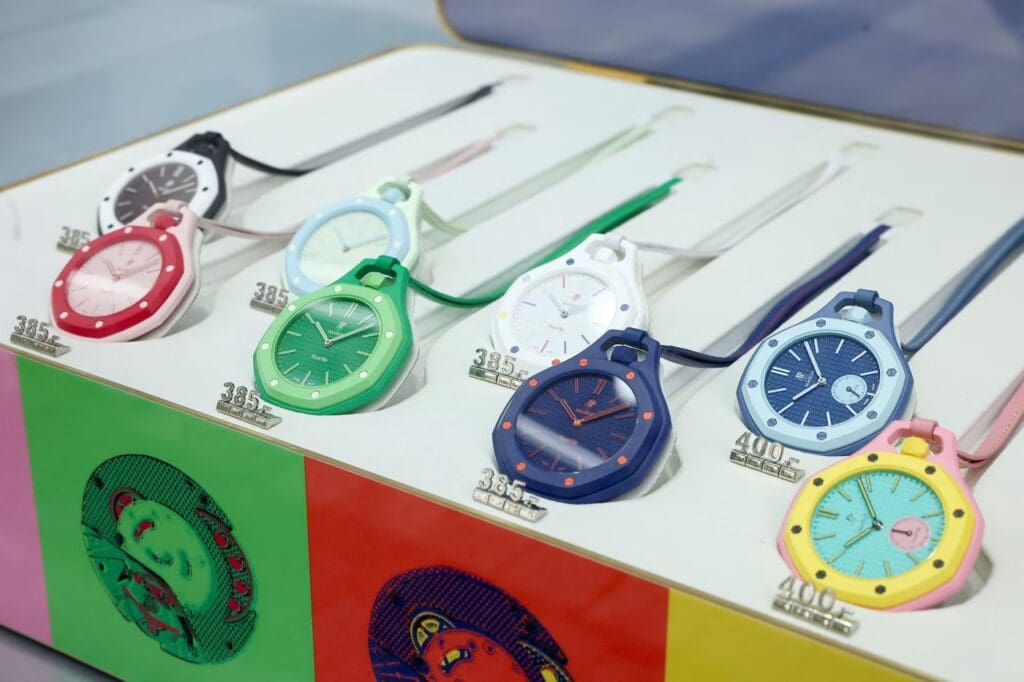
Innovation is also becoming an important differentiator. Audemars Piguet partnered with Swatch to launch “Royal Pop”, an affordable collection of pocket watches. The collaboration demonstrates how established watchmakers can reinterpret familiar design elements to appeal to audiences beyond their traditional luxury customer base. As buyers seek individuality and discovery, balancing tradition with innovation may help brands remain competitive.
As China’s watch market evolves, brands will need to respond to younger consumers’ shifting priorities. Balancing heritage and craftsmanship with contemporary design, meaningful storytelling and practicality will be key to remaining relevant.
Watches are increasingly valued not only for their prestige, but also for their ability to express personal style and reflect individual values.
Key takeaways
- Personal expression is gaining importance. Younger consumers are increasingly choosing watches that reflect their tastes, lifestyles and priorities, rather than relying solely on status and prestige.
- The market is diversifying. More niche watchmakers, pre-owned luxury models, and smartwatches are expanding the choices available beyond traditional Swiss luxury brands.
- Digital engagement and experiences matter. Brand storytelling, localised design, and immersive retail concepts offer new ways to connect with younger consumers.
- Balancing tradition and innovation is essential. Established brands must preserve their heritage while responding to modern demands for functionality, design and personalisation.


