









A market redefined
China’s gold jewellery market is entering a period of transition as record-high gold prices reshape consumer behaviour. Economic changes have impacted discretionary spending. China’s luxury jewellery market is forecast to grow at a compound annual growth rate (CAGR) of 7.5% between 2026 and 2033, but recent trends signal a divergence between consumption and investment demand. In 2025, gold jewellery consumption fell by 25%, while gold investment demand increased by 28%.
Rather than signalling weaker interest in gold, these trends point to a more selective market. Consumers are increasingly prioritising investment and are growing more intentional about the jewellery they choose to purchase.
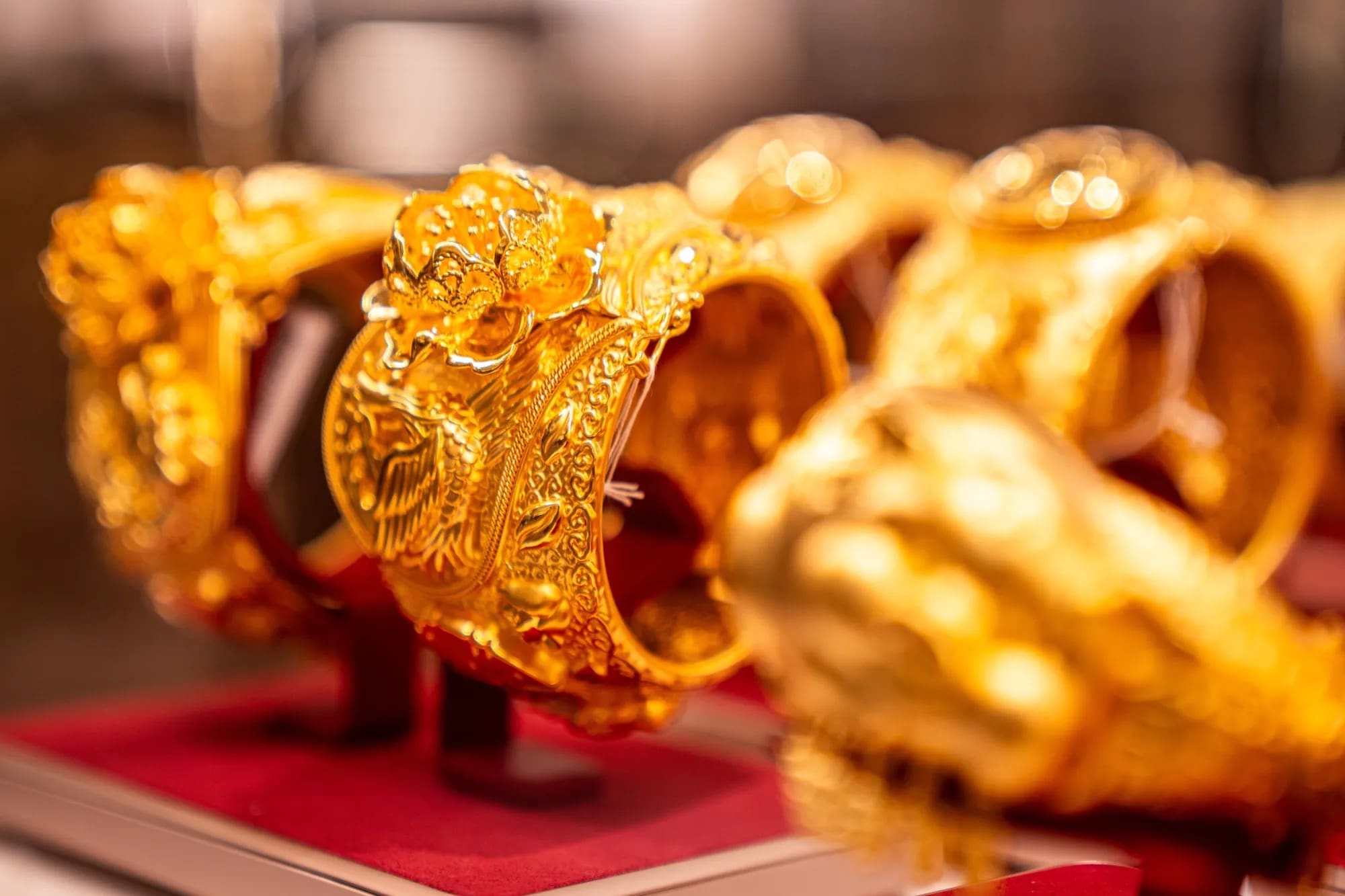
Amidst this market, Laopu Gold has emerged as one of China’s fastest-growing luxury jewellery brands, challenging assumptions about what drives demand in a complex market. Traditionally, gold jewellery in China has symbolised wealth, status and celebration. Rising prices, however, are changing how consumers evaluate purchases. As demand for conventional gold jewellery weakens, shoppers are buying fewer, lighter pieces and prioritising products with distinctive design, cultural value, and lasting appeal.
Laopu has capitalised on this shift by aligning with the Guochao 3.0 (“New Chinese Style”) movement, a broader consumer trend that has supported the rise of brands rooted in Chinese culture and identity. Unlike traditional weight-based pricing models, its fixed-price approach places greater emphasis on design, craftsmanship and cultural relevance. By encouraging consumers to view gold as more than a commodity, Laopu has built an exclusive luxury identity and commanded premium prices, earning comparisons to Hermès.
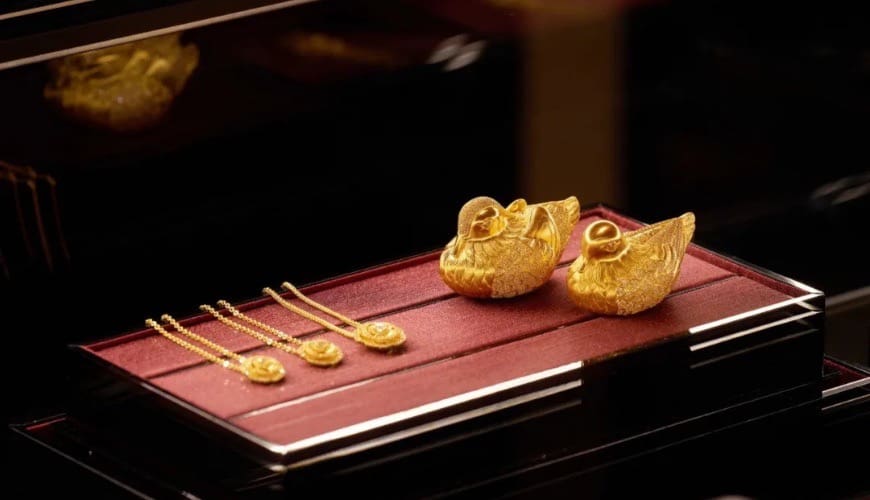
Laopu Gold: Building a new model for Chinese luxury
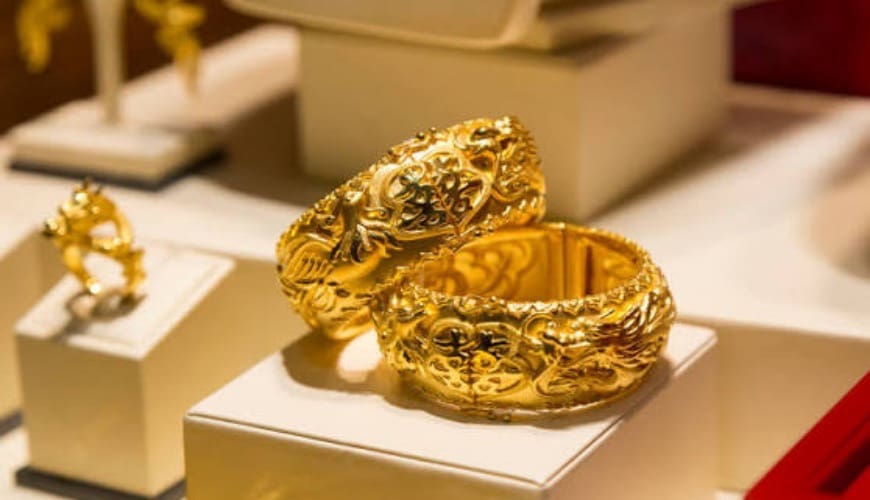
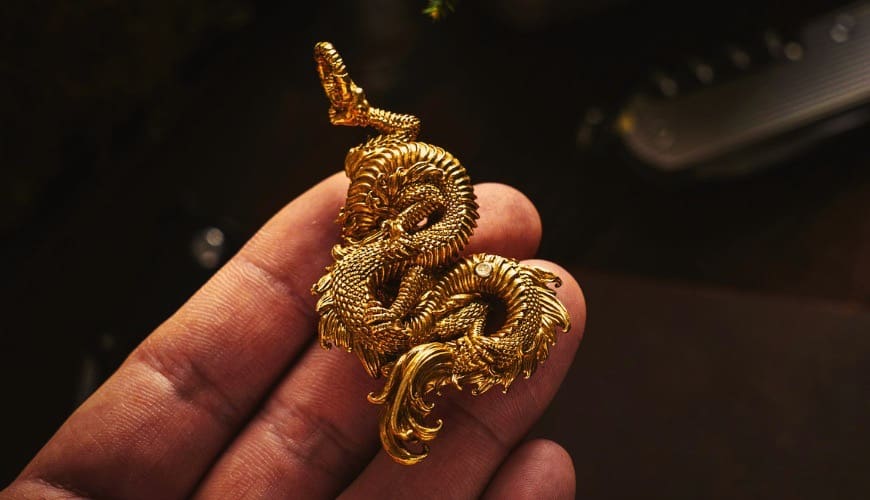
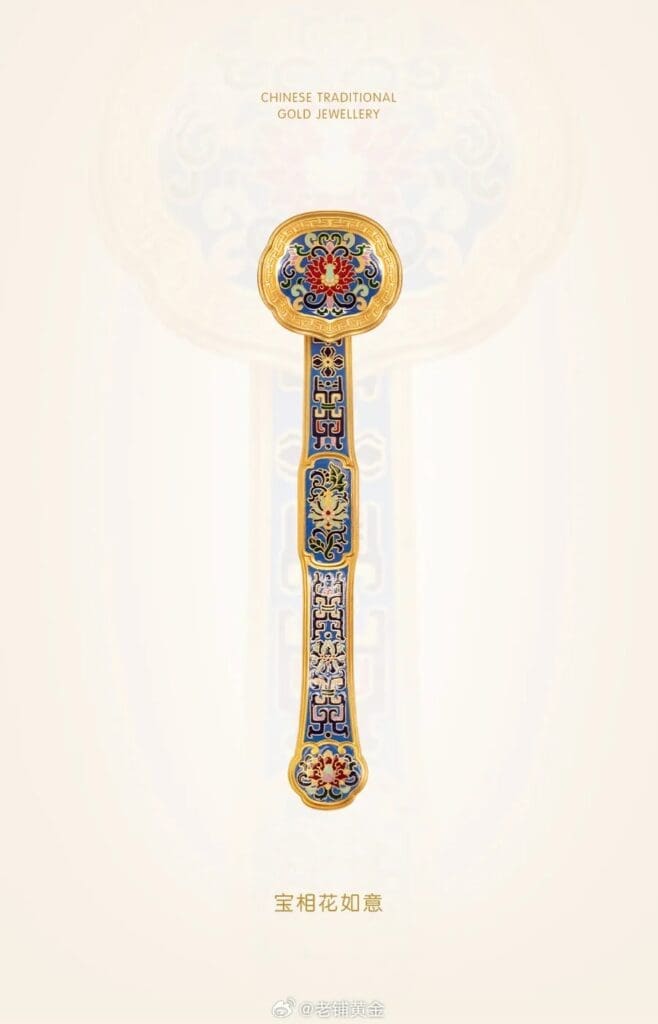
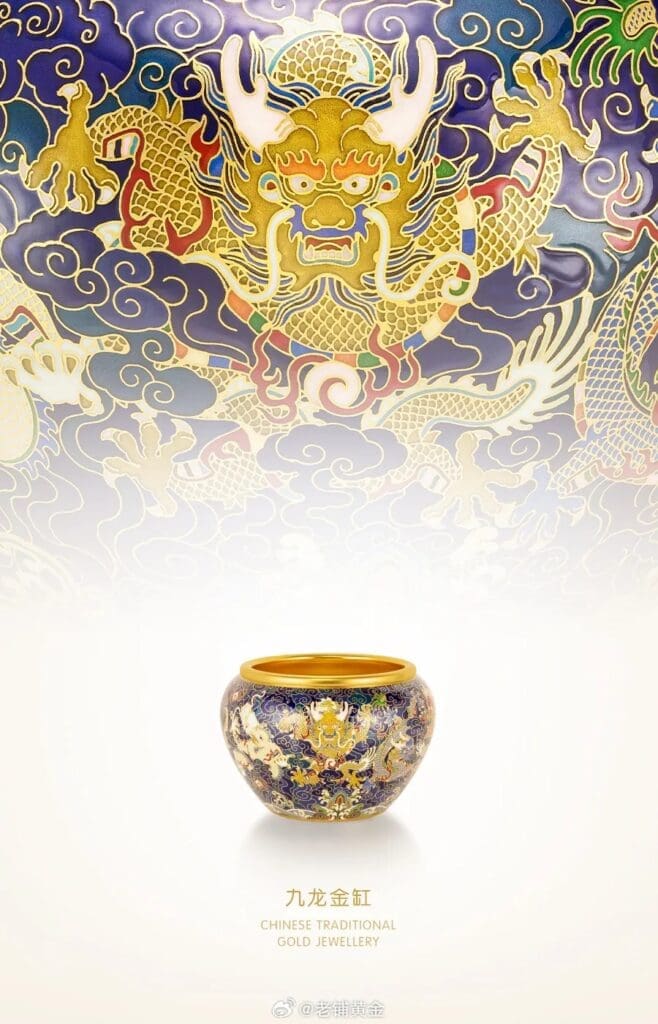
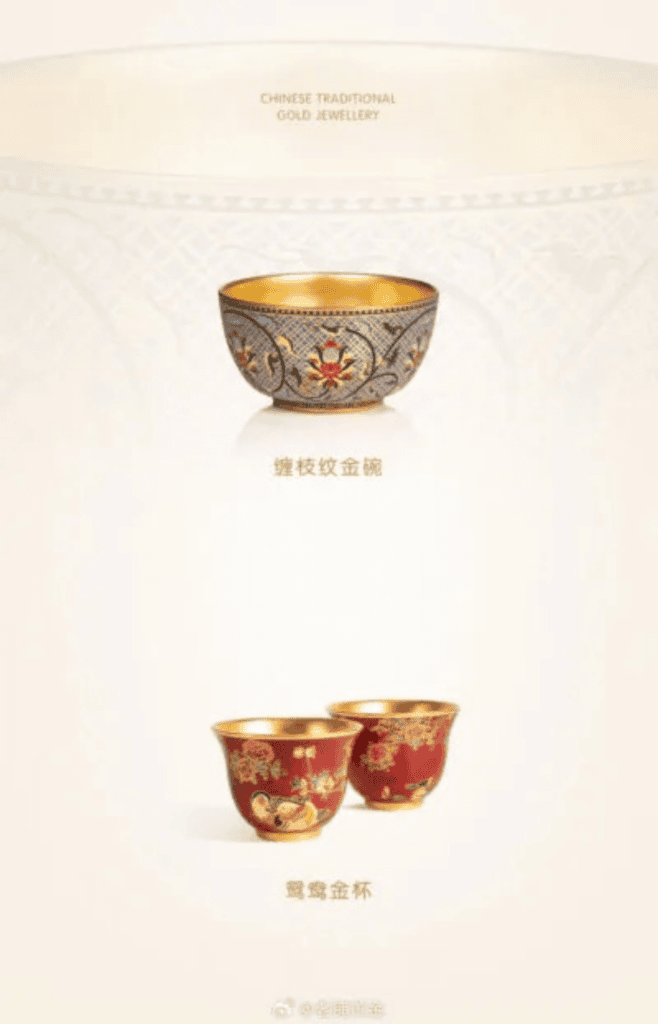
Founded in 2009, Laopu Gold has rapidly expanded its presence in China’s jewellery market by reimagining how gold can be valued. Its collections extend beyond traditional jewellery into hammered gold tea sets, enamelware and decorative objects, using cultural motifs and Chinese craftsmanship to position gold as part of a wider luxury lifestyle. The brand has reinforced this positioning through selective retail, concentrating its boutiques in China’s leading luxury malls rather than pursuing rapid expansion.
This approach has attracted affluent consumers, with 77% of its customer base also shopping at brands such as Tiffany & Co., Cartier and Bulgari. It has also delivered strong commercial results, with average store sales reaching RMB 459 million in 2024 and a reported growth rate of 200.8% in the first half of 2025.
Laopu’s rise is particularly notable given the dominance of other established players, such as Chow Tai Fook and Luk Fook Jewellery, which built their businesses on extensive store networks and weight-based pricing models. However, changing consumer preferences and weaker market conditions have challenged this traditional approach, increasing demand for more differentiated premium offerings.
Laopu’s success has demonstrated the potential of a luxury-led model centred on exclusivity, design and storytelling. This has highlighted the growing importance of differentiation in China’s jewellery sector. This has important implications for international jewellery brands, many of which have traditionally relied on heritage and global prestige as key sources of value.
More broadly, Laopu demonstrates how local culture can become a source of commercial advantage in China’s evolving luxury market.
The challenge ahead: Can Laopu sustain its momentum?
Laopu’s rapid growth coincided with rising gold prices and was strengthened by its differentiated product offering. However, the second half of 2026 may prove a key test of the brand’s resilience. During periods of declining prices, Chinese consumers may shift towards weight-based products that offer clearer value comparisons, which could create a challenge for Laopu’s fixed-price model.
Despite these pressures, Laopu continues its international expansion, with stores already operating in Macau and Singapore. Analysts such as Citigroup suggest its customer base is becoming less sensitive to gold price movements, indicating that future demand may depend more on brand loyalty and consumer affinity than bullion trends alone.
This clearly emphasises the significant impact of strategic marketing and brand equity when compared to the intrinsic material value of the products.
What international jewellery brands can learn from Laopu
Laopu’s success offers valuable lessons for international brands seeking to understand how consumer priorities in China are evolving. Last year, Vogue Business observed that Chinese consumers were adopting a slower and more considered approach to consumption. Rather than chasing the latest trends, many are placing greater emphasis on quality, longevity and products with personal or cultural significance. This shift has continued into 2026, as the recent slowdown of domestic consumption and concerns over household wealth have encouraged more cautious spending.
Against this backdrop, consumers are becoming more discerning about what justifies a premium price. As one customer interviewed by Reuters explained, Laopu offers more than gold, providing both a sense of security and emotional comfort during uncertain times. This helps explain why the brand has remained resilient despite cautious consumer spending.
The broader lesson from Laopu is that Chinese consumers are changing how they assess value. Heritage and brand recognition still matter, but they are increasingly considered alongside originality, emotional connection and cultural meaning. For decades, luxury in China was strongly influenced by Western heritage brands and their symbols of status. Laopu’s success demonstrates that Chinese craftsmanship, cultural identity and distinctive design can also create aspirational luxury.
For international jewellery brands, success in China will depend not only on global prestige, but also on creating products and narratives that feel culturally relevant. Those that can combine their heritage with a genuine understanding of Chinese values, tastes and aspirations will be best positioned to compete in the next phase of the luxury market.
The TONG take
- Cultural relevance is becoming a luxury driver. Chinese consumers increasingly value craftsmanship, cultural meaning and emotional connection alongside product quality.
- Differentiation can outweigh scale. Laopu shows that strong branding, storytelling and exclusivity can create value beyond traditional weight-based pricing and large retail networks.
- Premium pricing requires a clear reason. Consumers are more willing to pay when brands offer value beyond the product itself through design, heritage and meaningful experiences.
- Global prestige alone is no longer enough. International brands must combine their heritage with local relevance and a deeper understanding of Chinese consumer values, tastes and aspirations.
Navigating the path to success in China requires a partner who understands both the cultural nuance and the commercial reality of the Chinese luxury market. If you’d like to explore how TONG can help your brand build a more culturally resonant strategy in China, get in touch with our team today.