









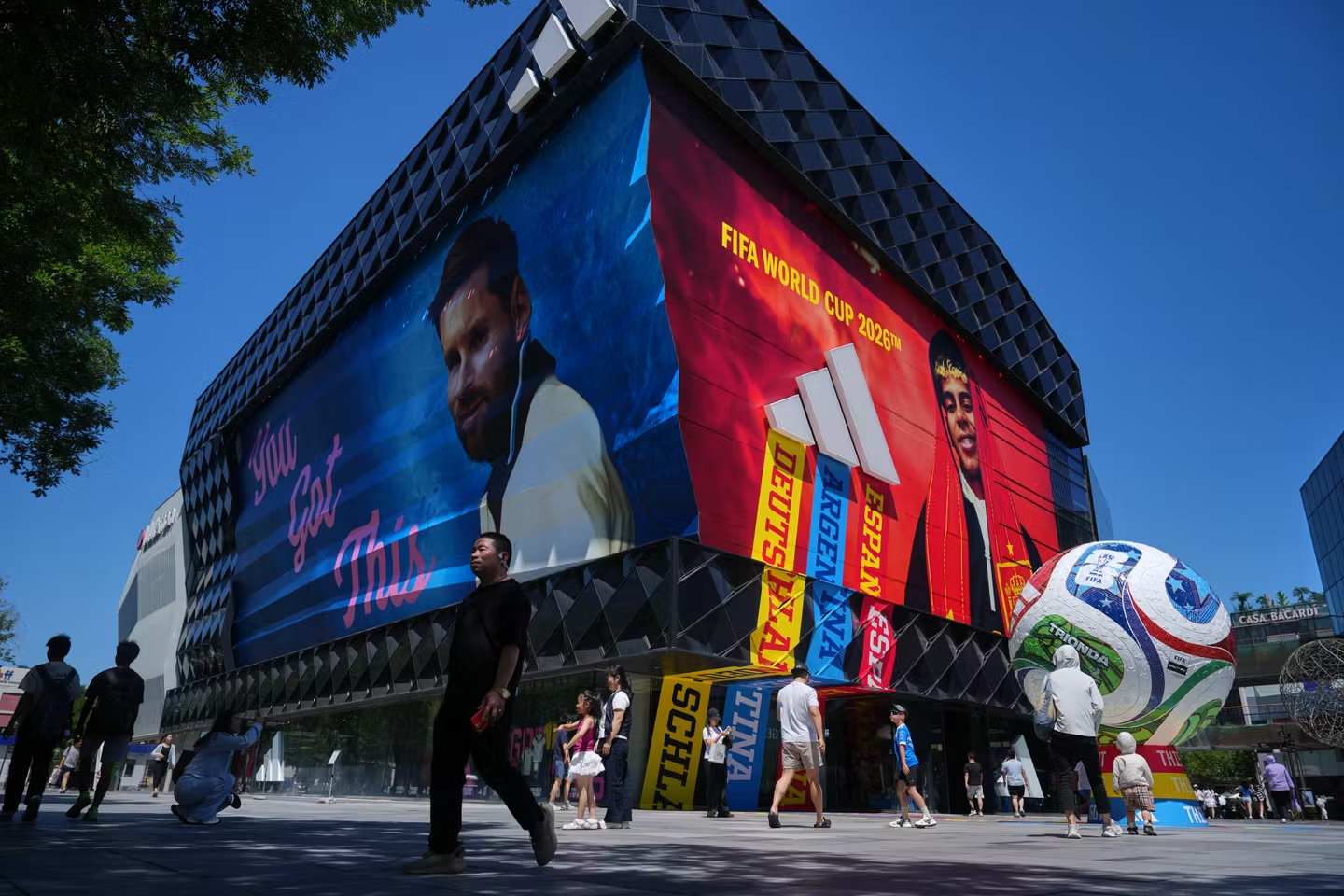

This year, China has been participating in the tournament in nearly every way despite not actually playing in the World Cup.
From some of its biggest sponsors to the shirts advertising it to the Chinese referee who went viral, China, it seems, truly is in the World Cup. And, parallel with that, the World Cup is in China – adverts and trends around footballers and the sport have been taking over the country over the last couple of months.
For brands, this provides an interesting insight into China. It indicates that promotion, commercial relevance and cultural participation can sometimes be more important than having a team to root for.
Creative participation
China’s absence from the tournament has redirected interest and enthusiasm at home, rather than affected it. With nearly 300 million football fans, China makes up 12.5% of the total global World Cup audience.
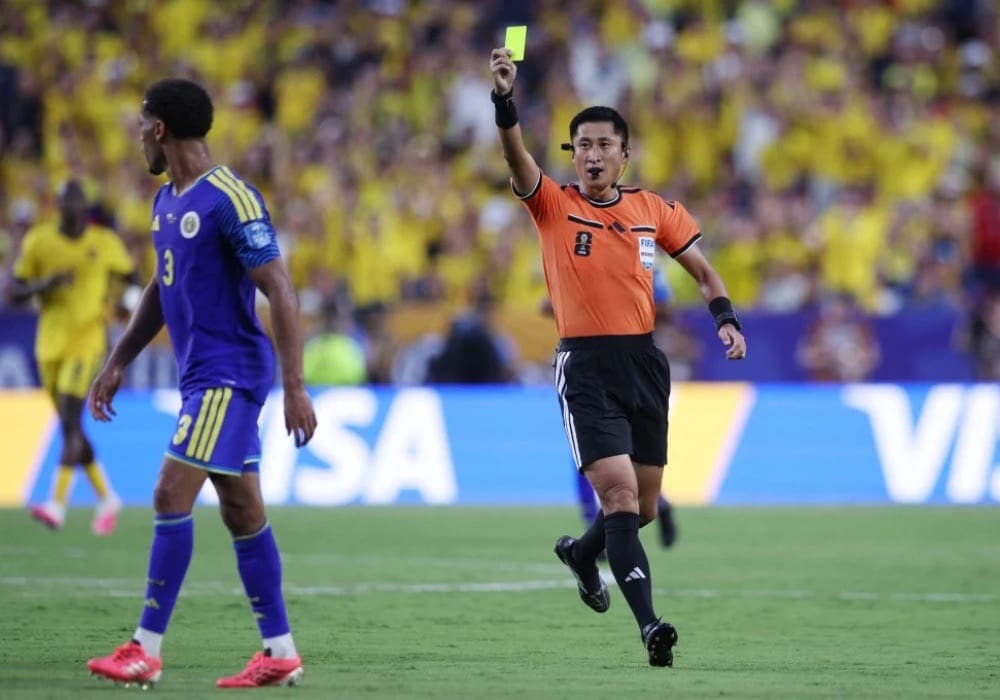
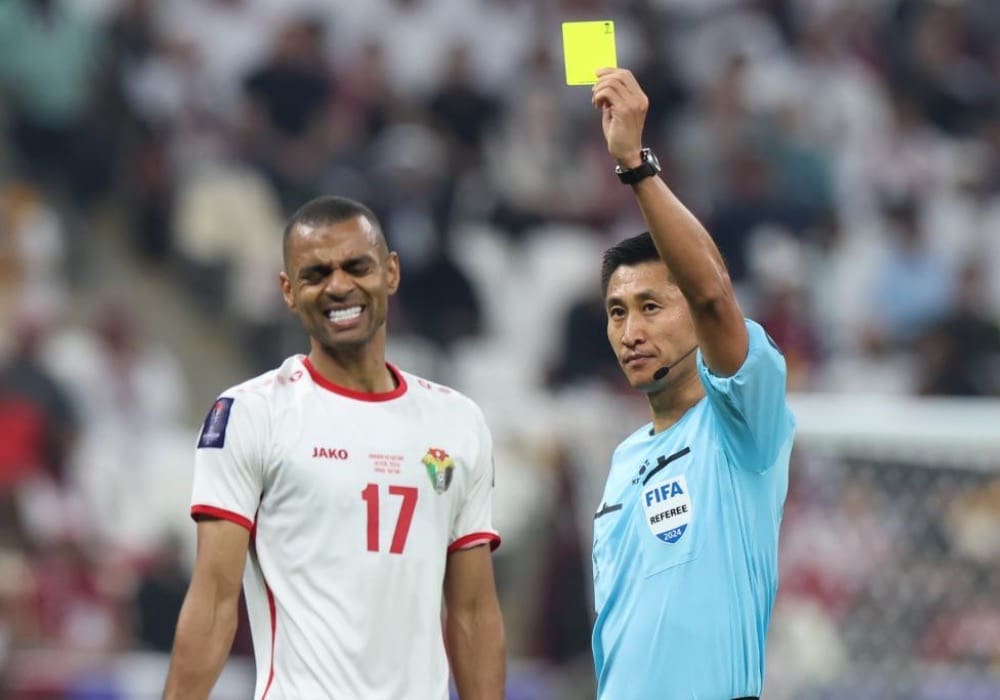
This year, Ma Ning, China’s sole representative at the tournament as a FIFA-appointed referee, drew quite a bit of attention. Nicknamed the “Card Master” for his strict officiating style, Ma gained hundreds of thousands of followers on the Chinese social media platform RedNote (Xiaohongshu) within weeks of being selected and secured sponsorship deals with the likes of Lenovo and Hisense. Without a team to cheer for, fans have found a different form of national representation in the viral referee.
Xi Jinping’s long-stated “three wishes” for Chinese football – qualify, host, and eventually win a World Cup, remain. But in the meantime, the commercial apparatus China has built around the sport suggests the ambition hasn’t dimmed; it has simply been rerouted into influence rather than competition.
The infrastructure behind the World Cup
China’s presence in this World Cup does not stop at virality, but is arguably also responsible for a large part of the tournament’s infrastructure and technology. Lenovo is FIFA’s official technology partner, supplying computing infrastructure and AI-powered systems, including 3D offside visualisation across all 16 host venues. Hisense supplies the display technology behind VAR review screens while Mengniu remains a long-standing FIFA sponsor. Overall, Chinese sponsorship investment in this tournament is estimated to be over $500 million, and this is with fewer Chinese logos on stadium boards than in previous tournaments – a sign that Chinese brands are shifting from “buying visibility” toward demonstrating genuine technological capability on a global stage.
In parallel, the manufacturing layer is mostly invisible to viewers but foundational to the tournament itself. The official 2026 match ball was made in a Shenzhen factory, while Zhejiang has produced the majority of official World Cup merchandise, including scarves, jerseys, trophy replicas, and other merchandise, which are shipped worldwide.
The tournament's presence in China
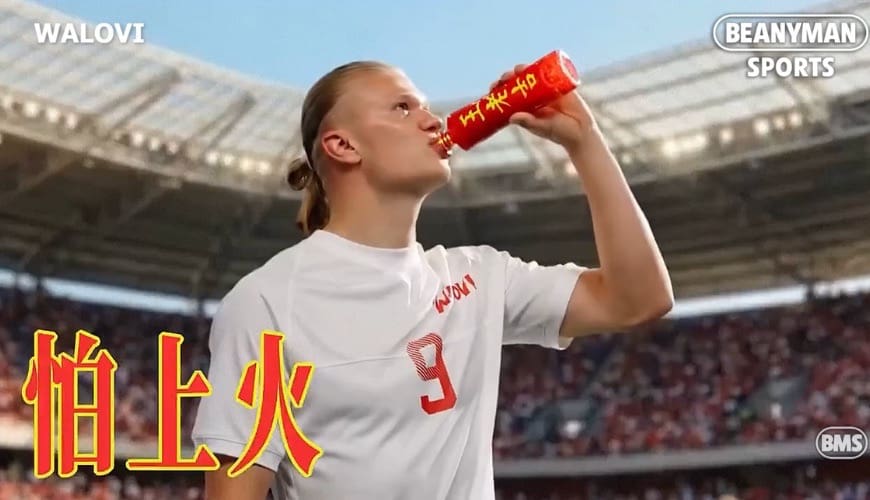
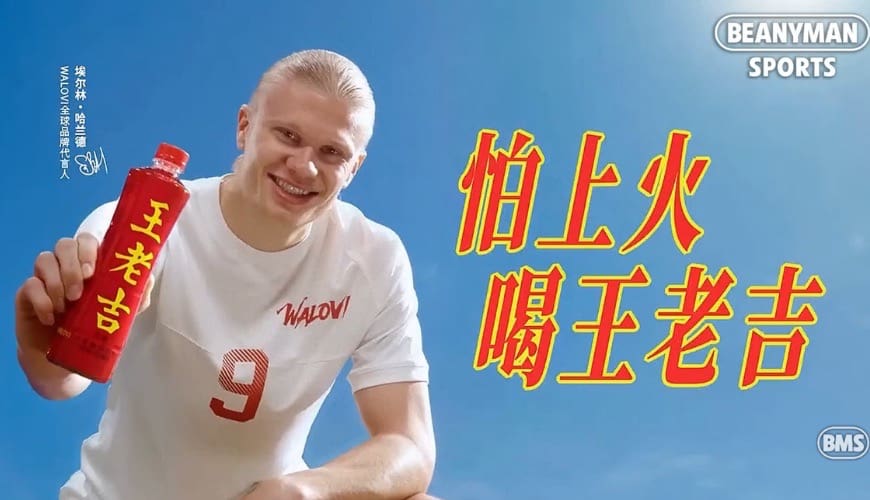
Beyond China’s presence in the World Cup, the World Cup also has a strong presence and impact in China. Without Chinese players to build campaigns and marketing around directly, brands have instead approached the tournament’s biggest global names: Erling Haaland has become the (very unlikely) face and brand ambassador of herbal tea brand WALOVI, appearing in ads in Mandarin, breathing fire to his own “ha-ha-ha Haaland” jingle, becoming a viral meme across Chinese social platforms. He has also fronted Chinese appliance brand Midea and haircare label Clear.
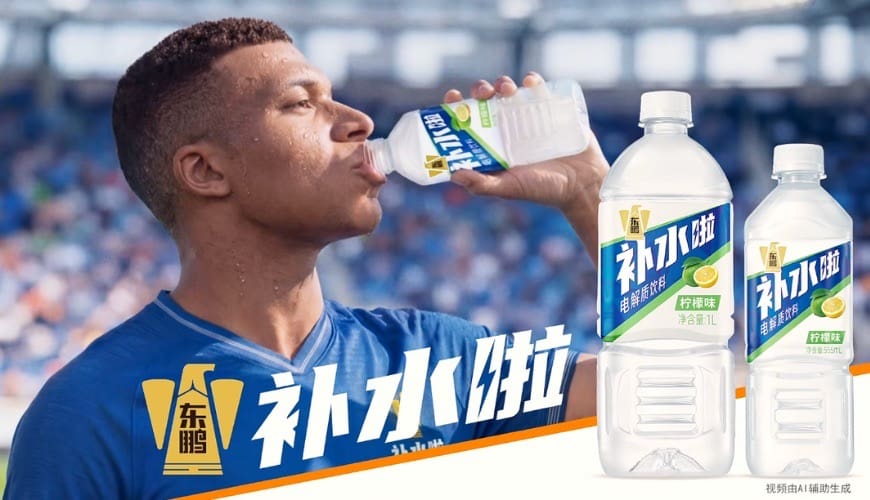
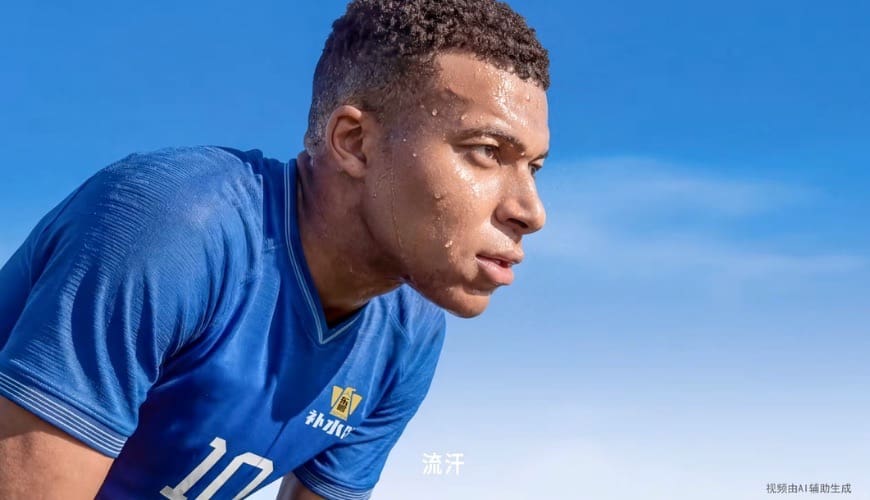
Kylian Mbappé, similarly, has appeared in ads for Chinese platforms and products, following a well-worn path first set by Cristiano Ronaldo. Although deals like these aren’t really about football, but more about borrowing the athlete’s global credibility and applying it to products that might otherwise struggle to travel, it’s also a way of participating in the w
However, there is a second layer to this: footballers themselves are also choosing to build a Chinese audience directly. International players like Jude Bellingham and Declan Rice among them, have opened accounts on RedNote (Xiaohongshu), building large followings well outside their usual fanbases and outside the reach of Instagram or X, both of which cannot be accessed in China. For players, tapping into an audience they may normally not reach themselves. And for the platform, it’s another way of pulling in male sports fans to a historically female-leaning user base.
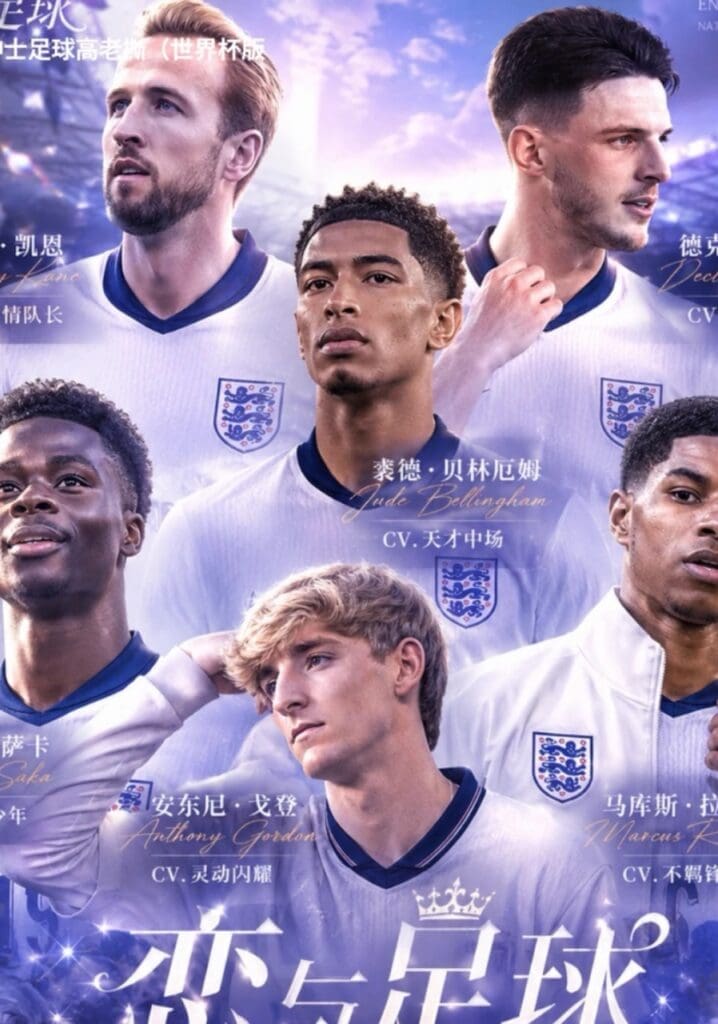
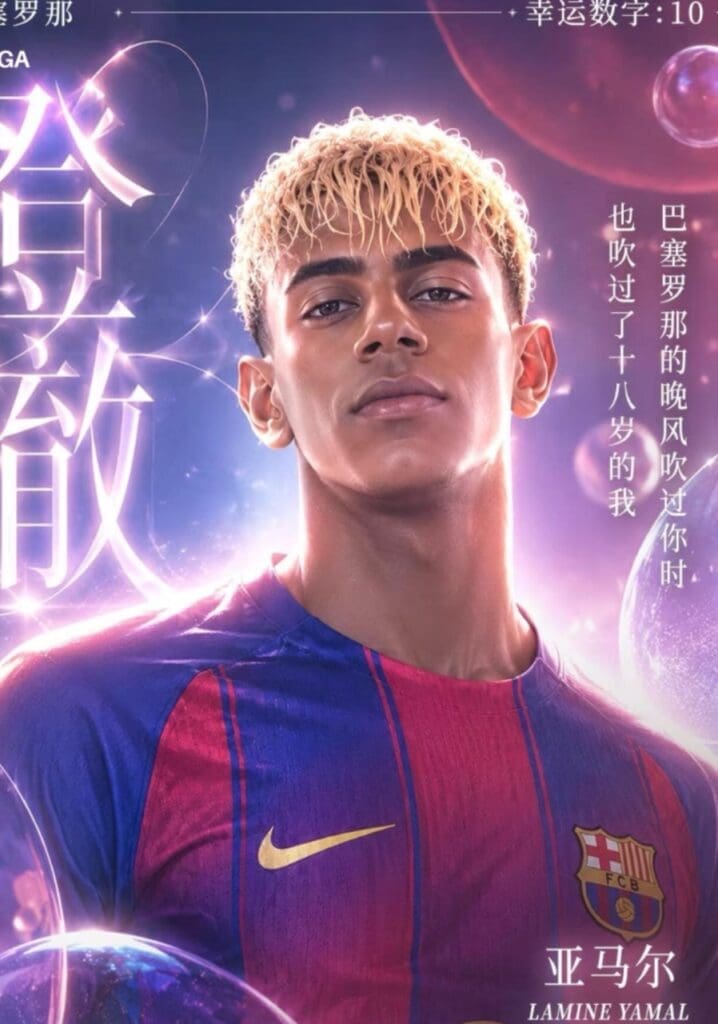
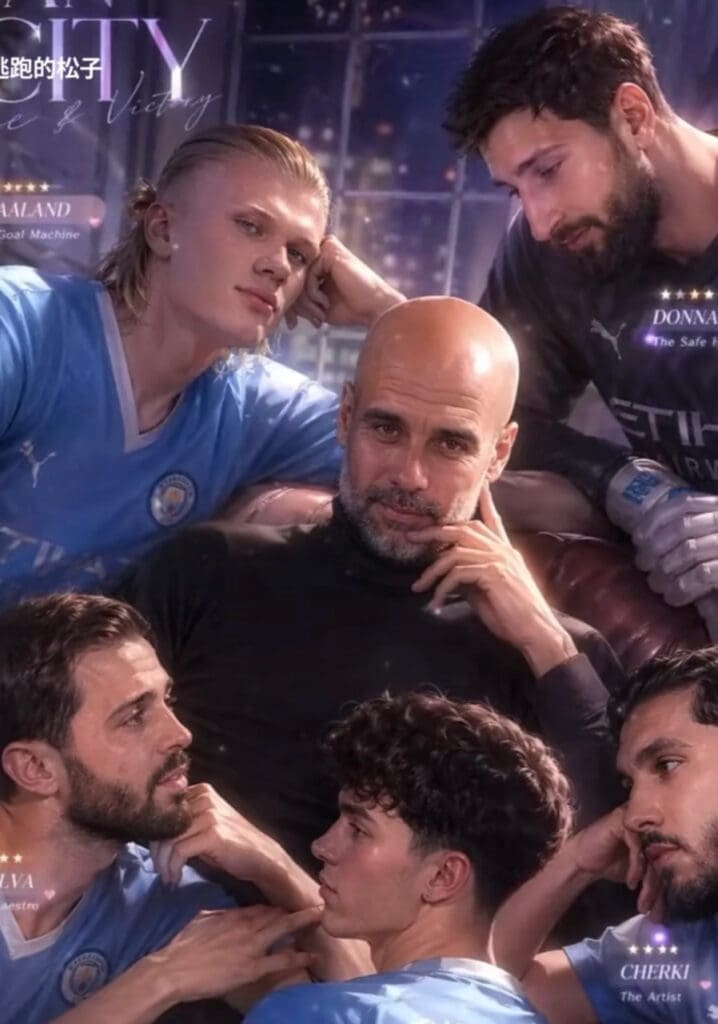
Although RedNote pulls in a male audience for the World Cup, that does not mean women are not also watching. Recently, Chinese social media users started recreating footballers as Love and Deepspace (恋与深空) characters, which is one of China‘s biggest otome games the demographic of which is mostly women. The fan art unveiled new love interests who look exactly like Haaland, Bellingham, Mbappé, Kane, Ronaldo, Messi, and more, all redrawn as romance game leads.

Chinese consumers and the World Cup
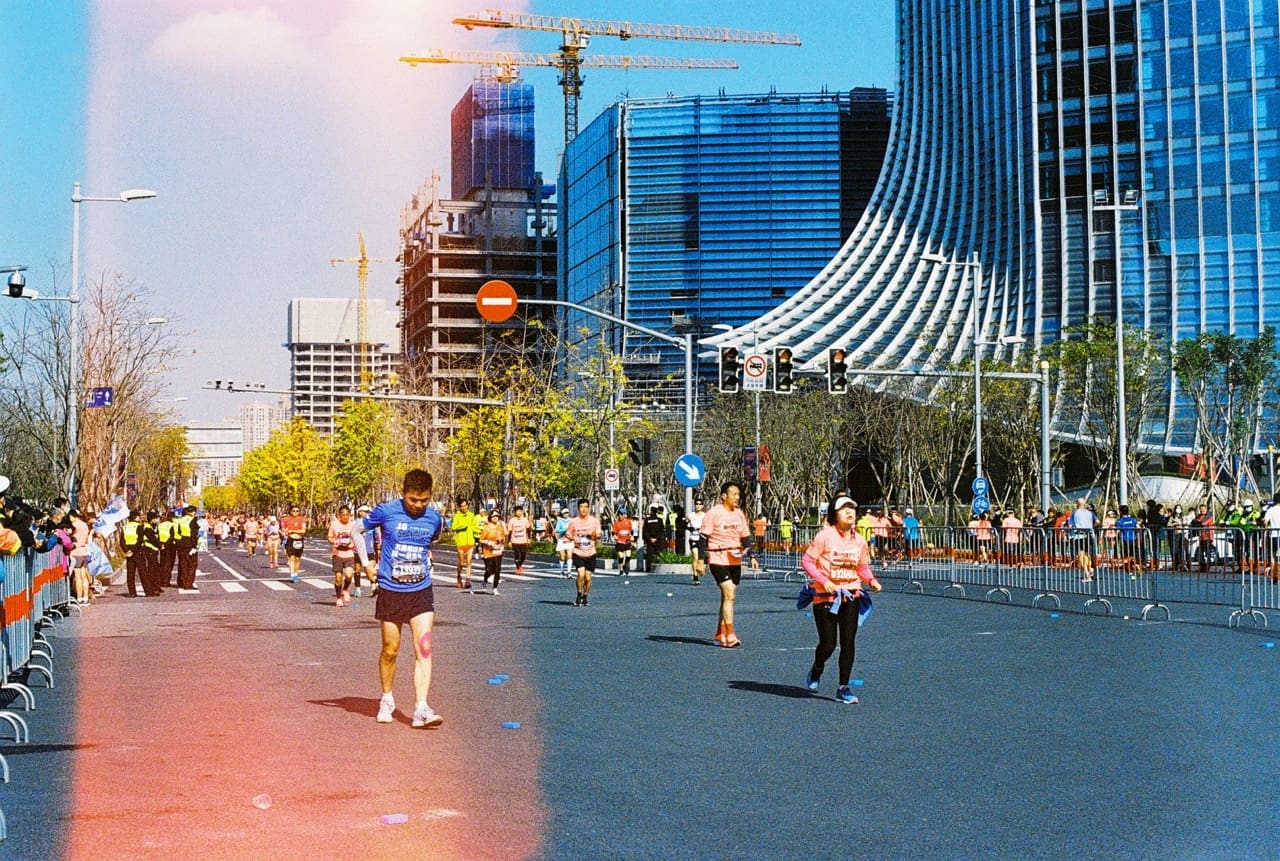
The FIFA tournament has also sparked a spending boom in China. People have started gathering outside of their homes to watch the games, eat, and drink, in a newly developed everyday ritual. The fusion of sports and local retail and catering has unlocked consumption demand, translating community activities into consumption growth.
In Nanjing, Zhou Li, who runs a local football fan group of more than 500 members, said when speaking to The Star publication, that, “before, people watched games at home on TV or computers. Now it is part of eating out and hanging out.” Coincidentally or not, this change is happening at the same time as the recent fitness boom in China.
“Stores now prepare additional refrigerated inventory before major matches, with beverage demand often peaking around halftime and post-match gatherings.”
International brands have been deepening their presence in the Chinese market to work closely with local businesses and communities around this time, capitalising on this very opportunity and trying to reach more Chinese consumers. If caught well and in time, this momentum has the potential to create long-term consumers.
Consumption has not only increased in terms of food and drinks spending around the games, but also 50% of both men and women have said they would consider buying World Cup-themed or related products. This strong purchase intent can be seen in practice on Douyin, where football merchandise sales have surged by 113% – another clear indicator that this, without a doubt, is an opportunity for brands.

The TONG Take
This year’s tournament has clearly had a strong impact on China, and vice versa, from increased consumption and spending to the emergence of viral trends and personas. The question now is, what can brands learn from this?
- The World Cup is increasingly functioning as a content ecosystem, which has created opportunities for brands to build not only short-term engagement but also longer-term consumer connections.
- If grasped in a timely and well, a wider cultural moment can be a great opportunity for brands to reach audiences that they are yet to tap into.
- This is also a masterclass in how to utilise cultural attachment when there are no direct stakes, and engineer relevance through multiple touchpoints.
- For international brands looking to enter or grow in the Chinese market, what matters is finding the right entry point, whether that’s a platform, a partnership, or a piece of infrastructure, and being fluent enough in the local context to make it land.