










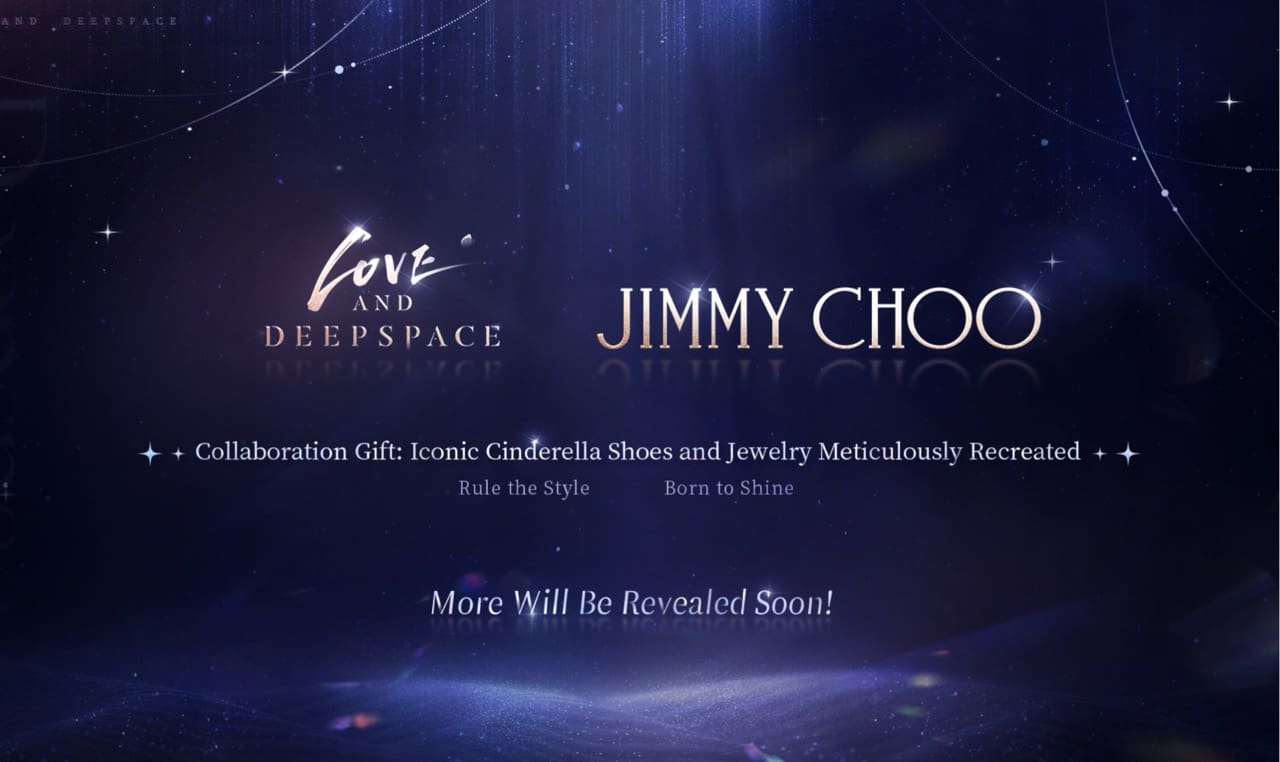

In late 2025, the fashion brand Jimmy Choo caught the attention of many by collaborating with the video game Love and Deepspace (恋与深空) for exclusive giveaways of licensed in-game items, such as the iconic crystal slipper and jewellery. The game launched in early 2024 and recently celebrated its second anniversary.
This is now one of the biggest games in China. Unlike much of the gaming industry, it is specifically geared toward adolescent girls and women. It’s the most successful case of what is called an “otome game” (乙女游戏, or 乙游) in China, a genre predominantly aimed at female gamers, including light gamers and sometimes even non-gamers.
Otome games: What are they?
The genre, like its name, is imported from Japan. “Otome” (乙女) translates to maiden, a literary term for girls that is often associated with romance and bittersweet first loves. In terms of the gameplay, these dating simulators offer a clear focus on romantic storylines that often centre female characters as protagonists, squarely aiming at their target audience. They differentiate from each other through storyline quality, and sometimes other light gaming elements.
Love and Deepspace, developed by Papergames, currently leads this sector, succeeding due to broadening its audience to target newcomers to the genre. The game uses a streamlined plotline and a female playable character, creating an immersive experience of romance and relationships with one or more of the five male protagonists.
Why Are They So Big in China?
The immersive design has cultivated an army of dedicated fans. Players form emotional attachment to a single male protagonist, making the fandom function like a K-pop boy band fan base – widely known for its die-hard commitment. Extremely loyal fans create a real opportunity for developers: willingness to spend. Therefore, not only does the Love and Deepspace game dominate the otome game genre in China, ranking first, but it is also the 18th highest-grossing mobile game globally, generating an estimated 82.5 million USD revenue in December 2025 alone.
Game developers such as Papergames and Tencent are now expanding these titles into intellectual property (IP) brands, and expanding beyond in-game purchases and merchandise to include offline events and licensing, unlocking further opportunities beyond the fantasy world of the video game itself.



The Next Hotbed for Brand Collabs?
Brands are already seizing this opportunity, with Love and Deepspace becoming a top IP for co-branding campaigns – partners range from Fanta to Tmall, and even KFC. The recent Jimmy Choo giveaway marked the first time a luxury brand has ever entered the otome game field in China. This mirrors the metaverse boom, where brands like Gucci created in-game items for games such as Roblox.
Currently, where consumer brands seem to go wrong is often treating these games purely as IP partners through co-branded items and exclusive physical merchandise. Jimmy Choo turned this model on its head by integrating its products directly into the narrative. Because of the strong audience fit, the immersive experience and highly loyal fan base, this becomes a highly effective product placement opportunity. Anecdotal posts on Xiaohongshu show that fans are turning digital impact into real-world intent – heading to Jimmy Choo shops to purchase the in-real-life versions of the collaboration items.


How Can Brands Profit From This?
This presents a unique opening for brands that share the same target audience. Companies can move beyond conventional physical merchandise to leverage deep in-game product placement. This not only builds brand awareness but also generates interest and fosters fierce loyalty. Garments, accessories, and even home and lifestyle items gifted by the male suitors to the games’ female protagonists become aspirational items – associated with romance and allowing customers to extend their fantasy world into the physical realm.
There is also an untapped market for men’s brands. Products worn or preferred by the male characters themselves have the opportunity to become desirable or popular gifts for husbands, boyfriends, and male friends in real life.
Recent research shows the main audience of otome games consists of educated young female professionals born in the 90s and 2000s. Over 60% of these players are single and use the games as a form of emotional support. Many cite the recent “self-care” and “love thyself” (爱你老己) trends as they use these games to keep them company.
Others find role models in the male protagonists. These consumers tend to have more disposable income than students or young families in the same age group, and they’re very willing to spend money on themselves (悦己), as long as the product or experience delivers the emotional satisfaction they’re looking for.
The otome game market continues to grow as these IPs expand beyond gaming and into broader entertainment brands, attracting wider audiences along the way. For consumer brands, this represents a significant untapped opportunity. Success requires carefully navigating the nuances of these games and their passionate, protective fanbases, but the commercial rewards are substantial. The Jimmy Choo partnership demonstrates this clearly: when there is an authentic narrative fit between two partners, co-branding becomes highly effective and translates directly into real-world sales.


The TONG Take:
- Otome games have been a highly popular genre, appealing to girls and young women, with a central mechanic of a dating simulation.
- Not only are they profitable via in-game purchases and merchandise, but they are also expanding into offline events and brand collaborations.
- The growing audience of educated young female professionals overlaps directly with the target markets of many fashion, food and beverage brands. This makes the sector a hotbed for co-branding campaigns.
- Brands must know how to navigate the landscape – “fandoms” can be highly passionate and protective, but when a partnership feels authentic, they can become powerful brand advocates.