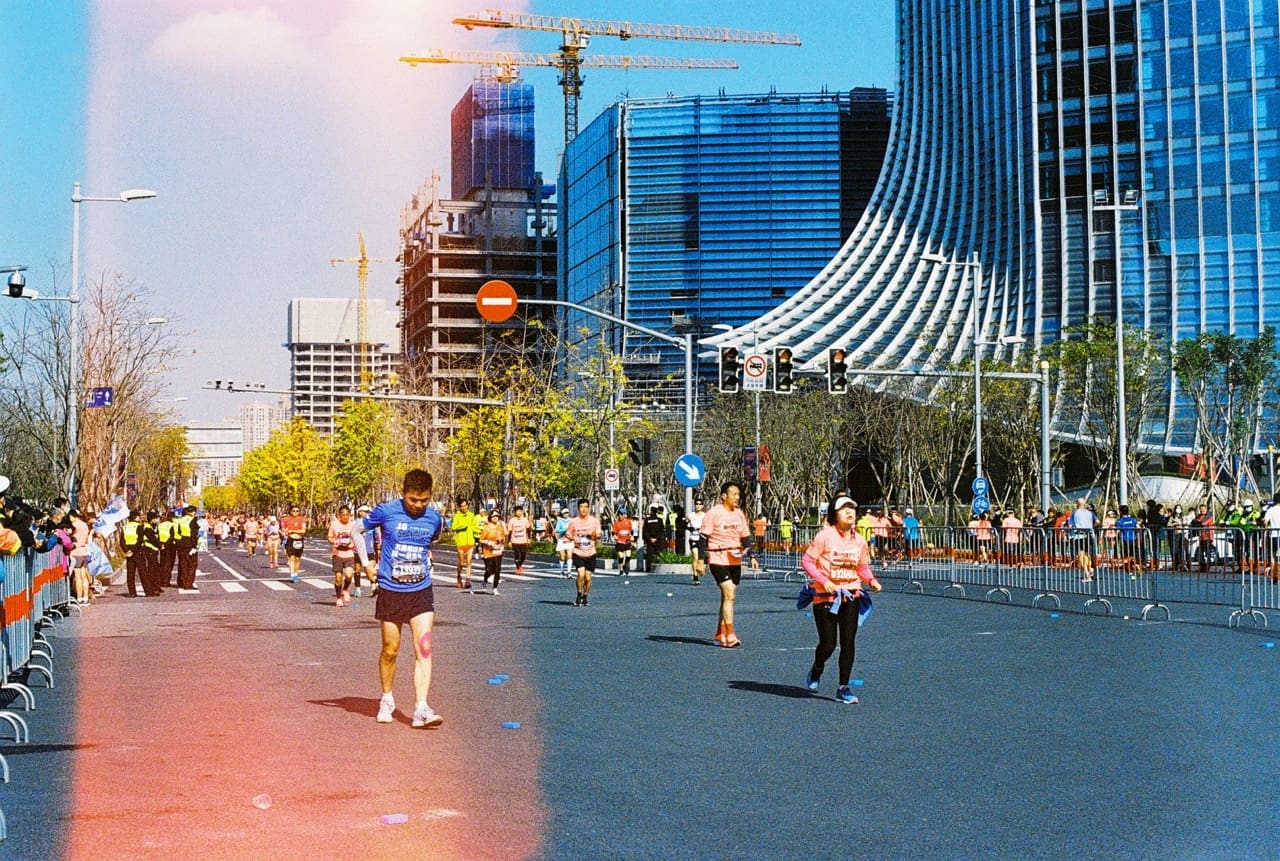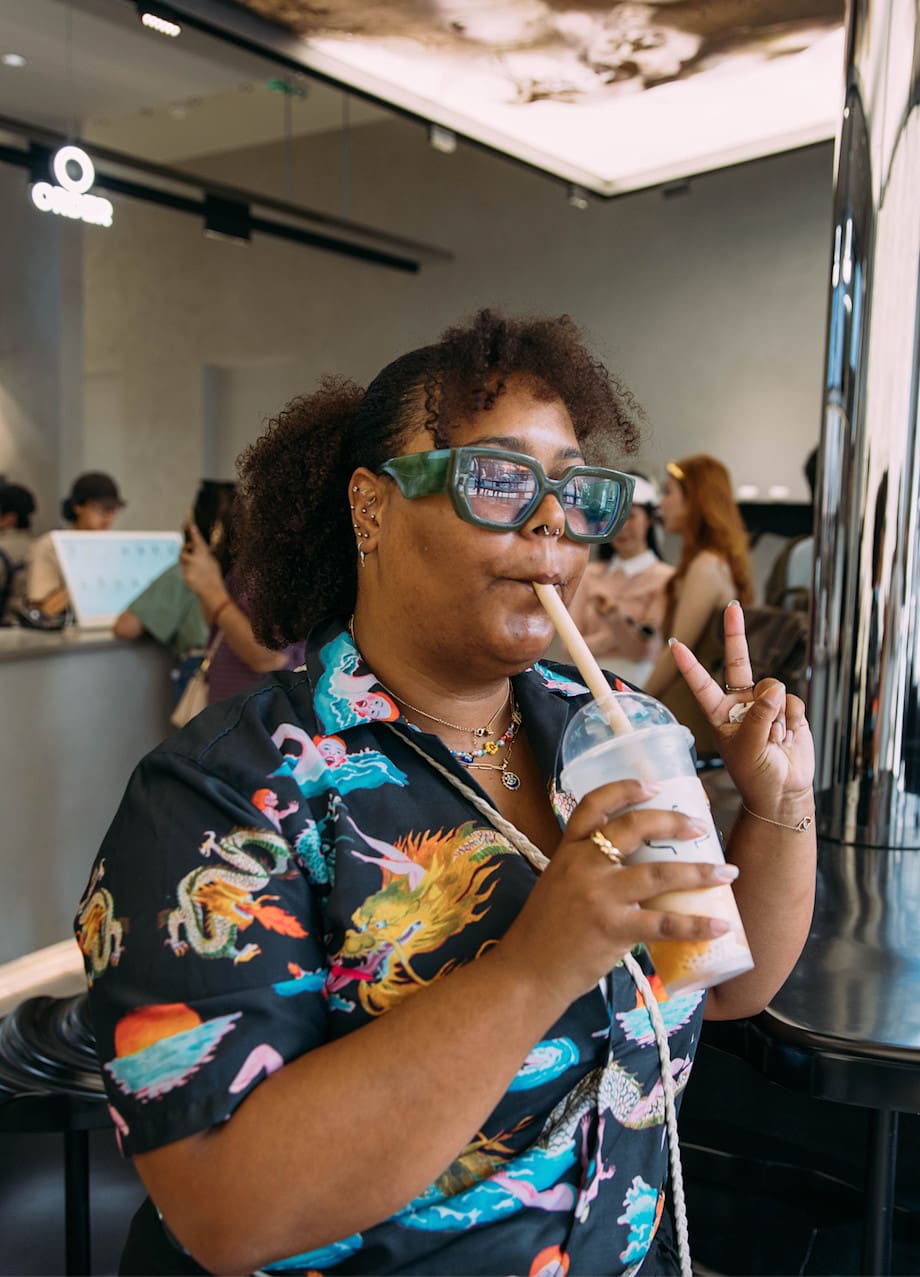


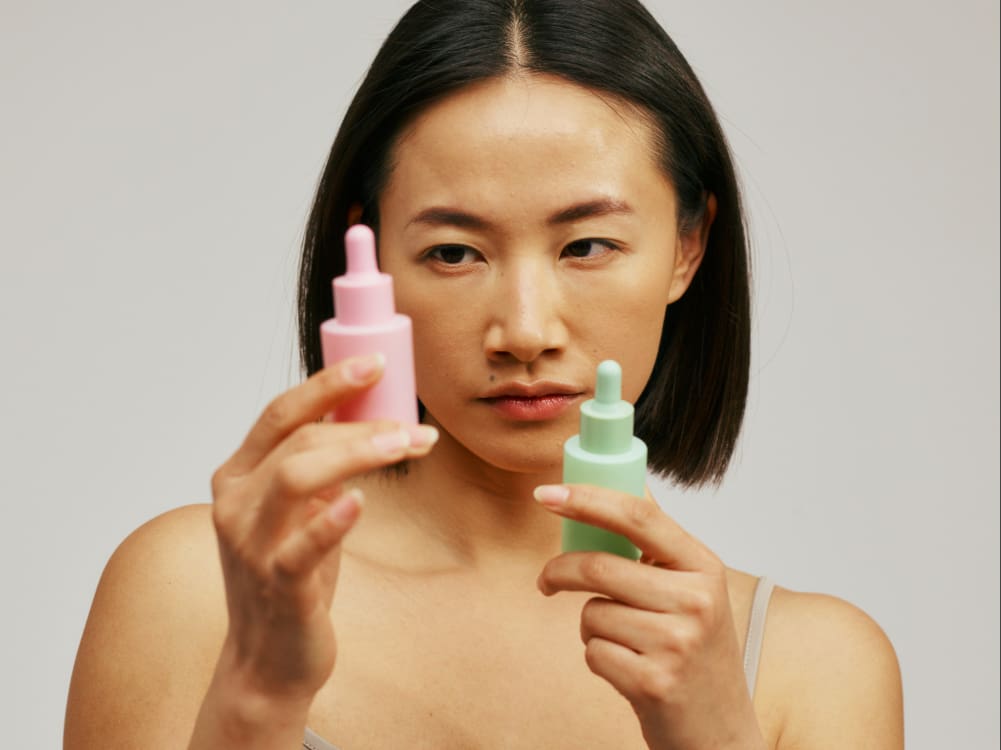





As “loaded water” goes from a viral trend to a mainstream health habit in the West, Chinese consumers’ hydration habits are also changing. From Starbucks’s protein-loaded coffee to a boom in the electrolyte drink market, 25% of Chinese consumers have increased their use of sports drinks, which now seem to be taking over. In the same vein, sportswear is also taking hold with its functional performance and lifestyle prestige signalling.
The rise of protein coffee
China’s coffee market has spent the last few years locked in a fierce price war, and with margins squeezed, brands have had to get creative. The answer, it turns out, is that blend of caffeinated beverages with functional, health-conscious protein. As gym-going and everyday exercise have become a genuine part of life for more Chinese consumers than ever before, coffee and protein have found a natural home together: one drink that handles your caffeine hit and your post-workout recovery in one go.
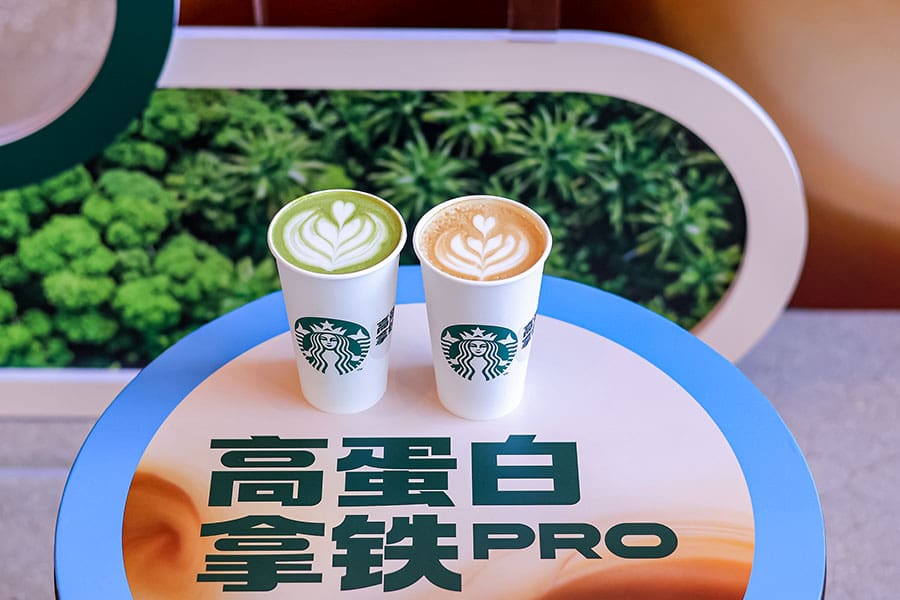
One of the clearest, and perhaps the most well-known, signals of how mainstream this has now become is Starbucks entering the space with its Protein Latte Pro – a range of flavoured coffees built around high protein and zero lactose. The fact that a brand of Starbucks’s scale has committed to this format sends a clear message to the market, which is that this isn’t a niche experiment, but a response to real, strong demand.
What’s interesting is how the Chinese version differs from its American counterpart. Rather than whey protein isolate blended into reduced-fat milk, the Chinese formula uses lactose-free ultra-filtered milk with 6.0g of protein per 100ml, a nod to the strong local preference for “real milk” and natural ingredients. Some versions also include chia seeds, leaning into appetite regulation as much as post-gym recovery. That broadens the appeal considerably, as this becomes more than just a product for gym-goers or the lactose intolerant; it’s a genuinely functional, filling option for anyone looking for a smarter way to start the day.
The surge in electrolyte drinks
Electrolyte drinks have also seen a recent boom, as they have become the latest iteration in the evolving Chinese social trend of “water alternatives” (水替), like sugar-free tea drinks and coconut water. As growth in sugar-free tea is slowing down, the electrolyte drinks sector saw a 32% growth last year, reaching 20 billion RMB (£2.2bn). At the same time, the bottled water sector shrank by 1.1%, indicating that electrolyte drinks are taking an increasing part of the soft drinks market share.
Following the wave of growing demand for performance hydration post-pandemic, two relatively new domestic brands: Alienergy (外星 人) by Chi Forest, launched in 2021, and Water Boost (补水啦) by Eastroc, launched in 2023 have been gradually taking over from traditional top brands, like Pocari Sweat and Gatorade. But what’s really driven growth is the expansion of its uses: beyond the gym and the marathon finish line, electrolyte drinks are showing up in offices, on commutes, and during weekend outdoor activities, positioned less as a sports product and more as an everyday wellness upgrade, complete with electrolytes, vitamins, minerals, and in some cases, caffeine.
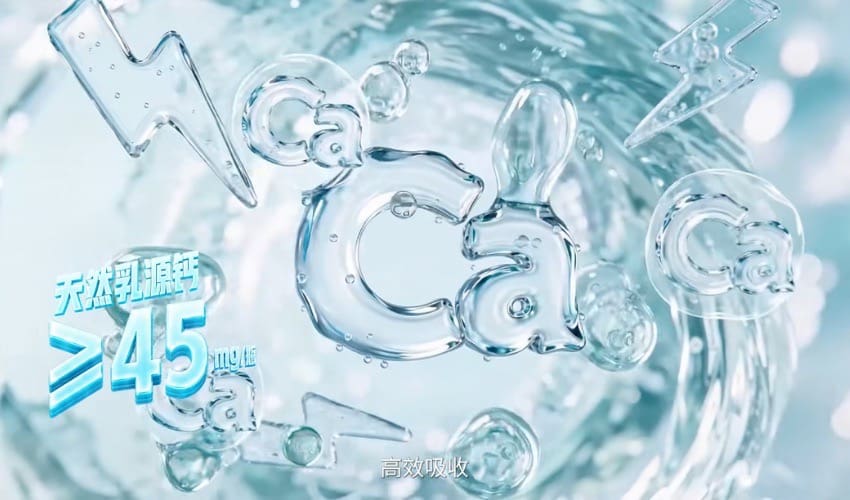
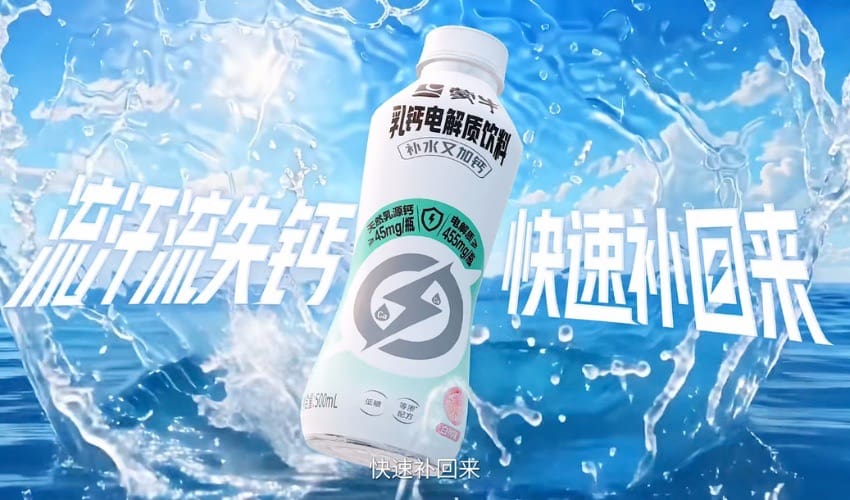
As the sector continues to grow and is forecasted to reach 50 billion RMB by 2030, more and more brands, even prestige ones from adjacent categories, are entering the electrolyte drink market. Earlier this year, both bottled water giant Nongfu Spring and dairy giant Mengniu launched their own electrolyte drinks. Nongfu Spring has added a more general-purpose electrolyte drink, while Mengniu released a dairy-calcium electrolyte drink and a whey protein isolate water.
Performance wear meets lifestyle trends in China
The same broadening logic applies beyond drinks. Sports and health grew 22% in online sales in the first two months of this year, with sportswear up 31% year-on-year, outdoor footwear up 65%, and outdoor apparel up 47%.
As with electrolyte drinks, the growth isn’t coming from a deeper niche, it’s coming from a wider audience. Brands like Arc’teryx and DESCENTE, once the preserve of serious outdoor enthusiasts, have become genuine lifestyle markers for urban Chinese consumers, worn by commuters and entrepreneurs as readily as by trail runners. Performance wear, much like functional hydration, has quietly crossed over from specialist to everyday.
What brands can learn:
-
The thread we see here is the same in all the above-mentioned categories: growth is coming from audiences broadening, not from niches deepening. Protein coffee, electrolyte drinks, and performance wear are all finding relevance beyond their original consumer and into everyday life.
-
The brands entering these spaces, from Starbucks to Nongfu Spring to Mengniu, are established names making calculated moves, which in itself is a signal worth paying attention to.
-
Competition is growing, so sustaining a position will require understanding not just the China fitness trend, but the wider wellness mindset of Chinese consumers today: they are more intentional about what they buy, and the brands that recognise that will be the ones that last.