

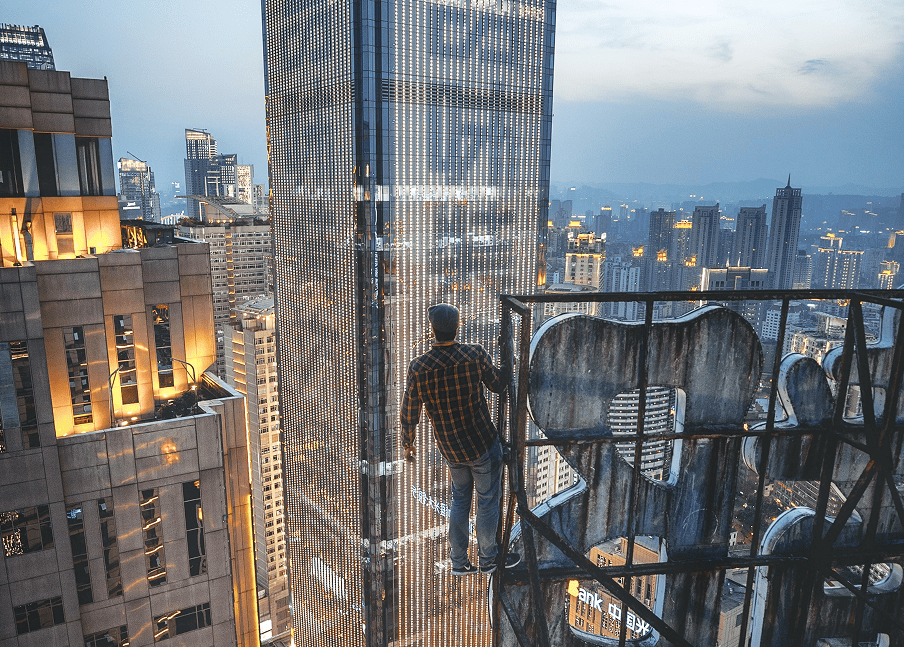





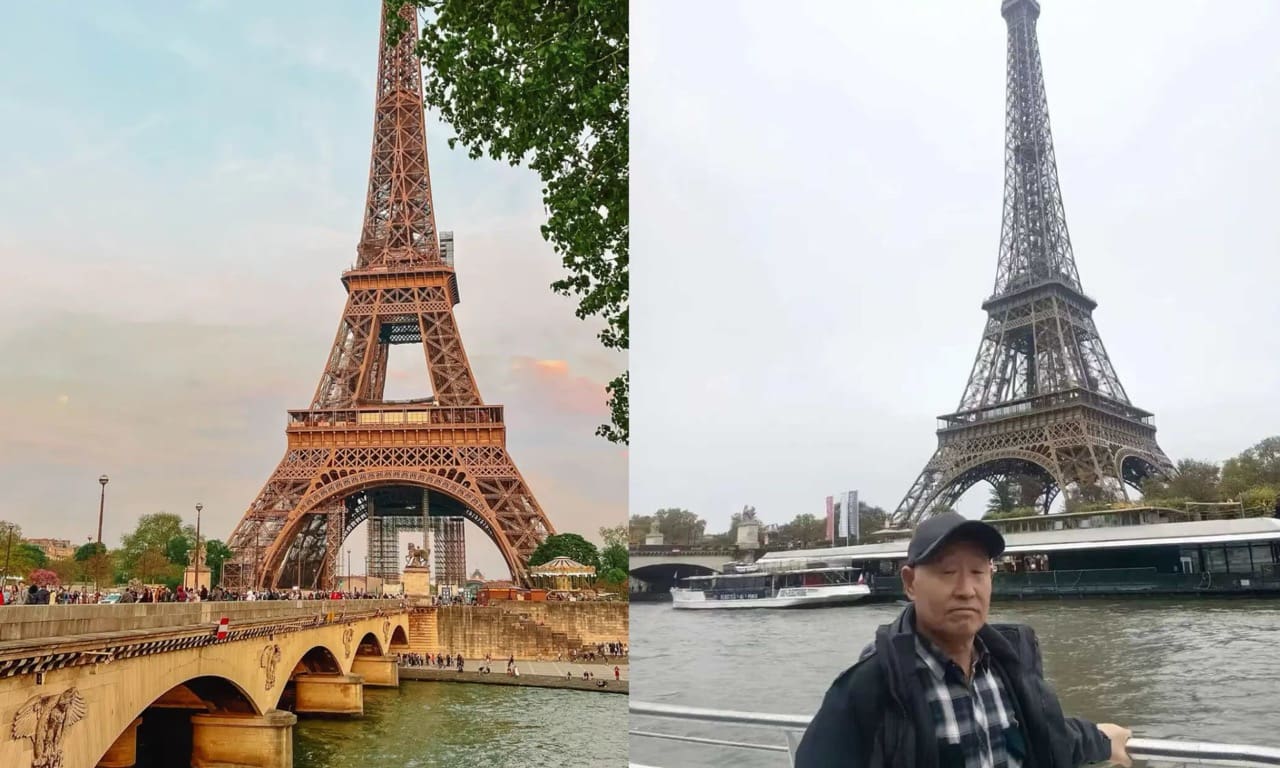

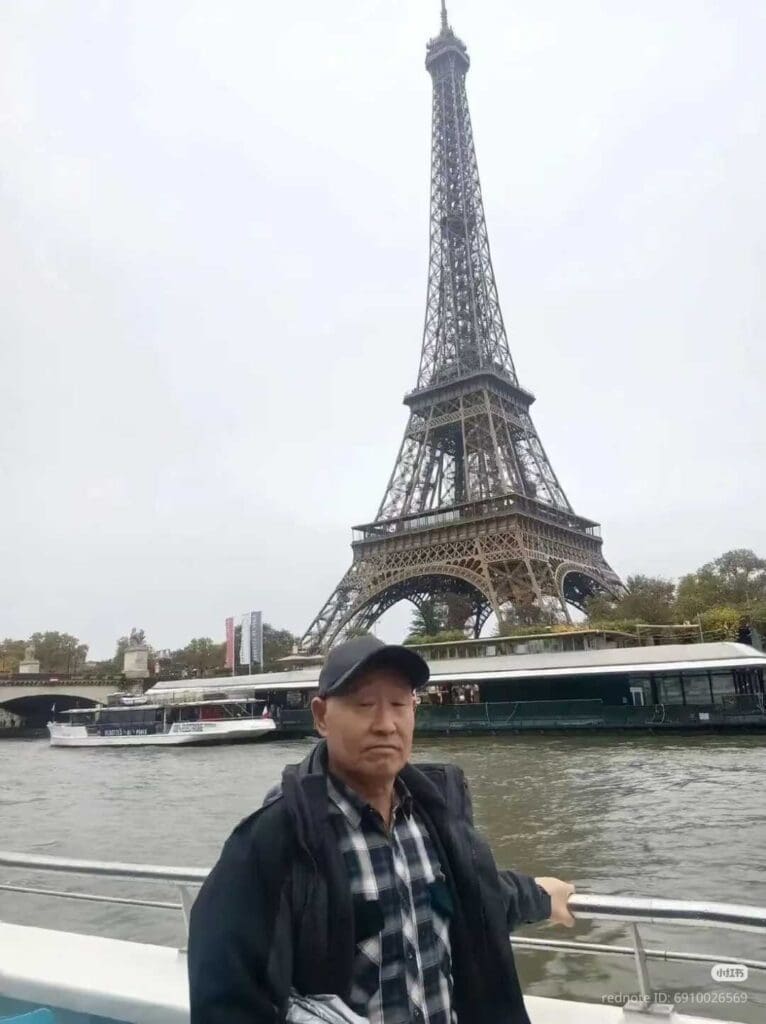
A recent phenomenon has become the reason for a shift in aesthetics over Chinese social media – started by a middle-aged Chinese traveller, now widely known online as “Uncle Zhang.” Posting a series of unedited, almost seemingly deliberately unflattering photos of Paris, his content quickly went viral across Chinese social platforms. The Eiffel Tower was compared online to a “utility tower,” the Seine to a “village ditch,” and the Arc de Triomphe to a “neighbourhood gate.”
At first glance, this could be misinterpreted as satire, but, surprisingly to many, the content genuinely presented the city through Uncle Zhang’s unfiltered lens.
Is It Time to Accept Reality Without a Filter?
The conversation exploded: over 36k pieces of content, with Weibo driving more than 60% of the discussion under a single hashtag. In just one day, it generated 18k mentions.
However, the most interesting angle on this isn’t the scale, but what it meant. Every trend is a symptom of something bigger in the wider ecosystem of social media, lifestyle, and culture – so what does this point to?
Many of the reactions to the trend have been positive, unveiling that audiences resonate with what they describe as “authentic beauty” and a more grounded, culturally confident perspective. Not necessarily conventionally beautiful, the photos’ appeal comes from their effortlessness, translating as grounded, closer to real life, and having a “chill vibe.”


The Rise of “De-glamorisation”
For years, Chinese social media has played a central role in shaping lifestyle and travel aspirations. Highly curated, visually perfected, and often idealised, resulting in a desire pandemic in audiences, pushing people towards wanting to replicate seen habits and lifestyles. Platforms like RED (Xiaohongshu) have turned destinations into aesthetic benchmarks, where every experience is optimised for the perfect shot and a person’s value can be seen as based on the content they put out.
Looking at this wider picture, fatigue is understandable. Unfiltered content has recently been shown to strongly resonate with audiences following this fatigue of overly curated presences on social media. And, with people being strongly digital-culture-literate, it’s easy to decipher the staged, edited, and selectively framed from the real.
Uncle Zhang’s photos seem to tap directly into this shift. Their appeal, naturally, wasn’t in their quality but in their honesty. Pressure to perform travel in a certain way is replaced with a more relaxed, human approach, which many users described as a sense of “松弛感” (a kind of effortless ease).


At the same time, there’s a broader cultural layer at play. The “de-glamorisation” of Western icons that have been idealised for decades reflects a more transparent worldview. This has already been witnessed through the “Paris Syndrome,” when tourists experience cultural shock and disappointment when visiting Paris. The reality of the city differs so drastically from romanticised expectations set by both international films and social media that it results in outrage and emotional turmoil for many as they compare reality to their high expectations. But here, through the unfiltered lens of Uncle Zhang, global destinations are no longer placed on a pedestal, but seen through a more equal, experience-led lens.
Does This Matter for Brands?
This phenomenon can be seen as a passing trend by many, but upon a closer look, it highlights a shift in perspective that could re-wire people’s consumption habits in the future.
It’s already happening, with consumers disengaging from content that seems staged in the way it promotes products. Users are now digitally literate enough to recognise genuine content from not, and they’re becoming increasingly critical. Brands’ polished imagery now feels distant, as seen on social media, comparing engagement with polished posts versus more grounded, real, human content that resonates and connects with its audiences.
A lot of this realness comes from user-generated content and content creators. They act as social proof, and trust is much stronger with the content they produce, especially when it appears unfiltered. Critically, they help validate experiences and opinions in a way that traditional campaigns may often struggle to.
For brands, this means expanding their approach and ensuring there is always a “real” element to their marketing. Authenticity and a more raw appearance are now becoming premium.
What’s Next
As we establish that Uncle Zhang’s “Unfiltered Paris” is not an isolated viral moment, but a signal for a change in perspectives, we can see that Chinese consumers are not only becoming more aware of how their views can be shaped, but they’re also choosing content that feels closer to reality over what may be perfectly edited.
For brands and organisations, the ability to ground themselves in authenticity now becomes key to success. This could provide a significant advantage in a landscape where everything feels curated.