












A growing contrast
There has been a growing difference between content on mainstream Western social media platforms, such as Instagram and TikTok, and that on China’s leading social media platforms, such as Douyin, the Chinese TikTok, and Rednote (also known as Xiaohongshu or XHS). While quick-style, instant-gratification content dominates TikTok and Reels, this is no longer the case for their Chinese counterparts.
The shift towards slower content emerged as a counter-movement against the fast-paced media that once dominated Chinese social media channels. From sped-up videos and comments flashing on screen to a constant sense of urgency, it could be seen as almost overstimulating. However, creators and luxury brands are now leaning towards the slower pace – when time is seen as the ultimate luxury, higher-end content tends to embrace taking more of it.
This has been increasingly supported not only by trends on Chinese social platforms but also by the platforms themselves and their algorithms. Last month, Douyin Select (抖音精选) released its monthly “Selected Creators” list – from 99 creators, a trend has become apparent: grounded vlogs, slow videos, “documentary-like” and interview-style non-fiction content are growing quickly on the platform, from documenting a day in the life of a regular person to visiting unique workplaces like a Shanghai weather station staffed by a single person.
Similarly, Rednote (Xiaohongshu) marketing is known to appeal to users seeking more meaningful interactions, rather than instant entertainment, with its slower environment. This month, its “human-centric” value was furthered by new AI regulation policies, banning automated AI accounts, bulk-generated AI posts, and unlabelled AI-generated media, to maintain platform authenticity.
So, why have these slower, more grounded videos taken over China’s top social media platforms? And through the lens of brands, what does this mean for brand content strategy in China and for surviving on social media moving forward?
Searching for the “real”on Douyin and Xiaohongshu
While vlogs have always been an important “genre” of video content, the rise of human-centric street and sit-down interviews, of both ordinary people and notable professionals, often in a documentary style, has been noticeable across Chinese social media in 2026. As fatigue grows around sales and advertising livestreams, it’s no longer just grassroots creators interviewing regular people like delivery drivers, security guards and cleaners, but also top key opinion leaders, like Luo Yonghao (罗永浩), who are having conversations with the public and ordinary people.

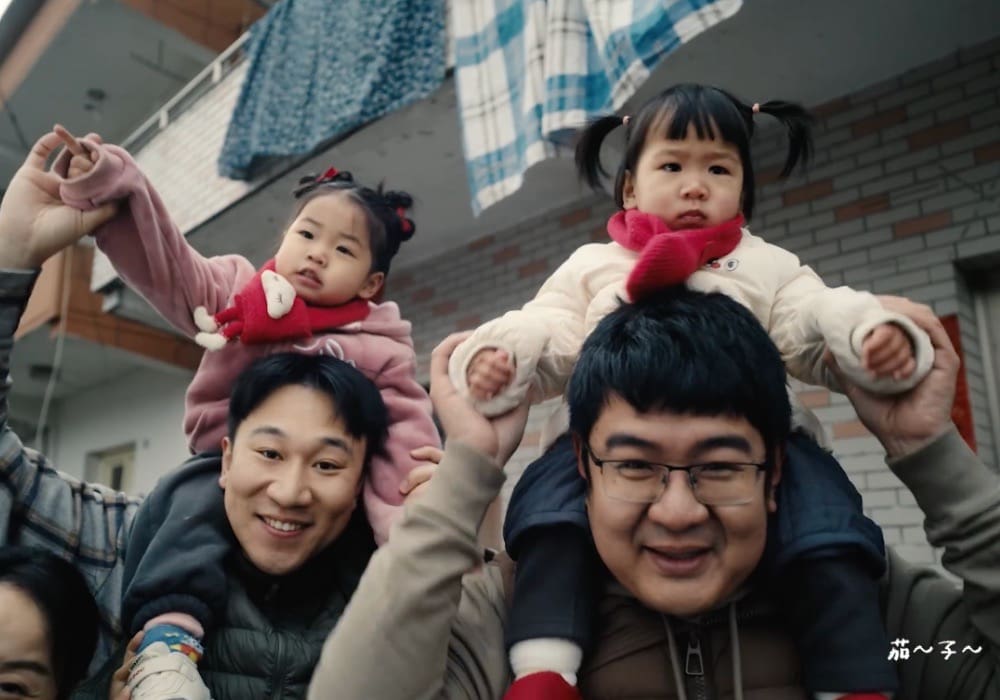
Chinese social media platforms themselves are increasingly supporting slower content – this year, Douyin officially launched its “Future Director Support Programme” which seeks to help boost up-and-coming filmmakers of content in the style of shows, short films, and documentaries. The platform is now pledging to establish a traffic pool of 10 billion views dedicated to supporting these creators, as well as assigning specific resources to each category, including professional co-creation opportunities for documentary directors.
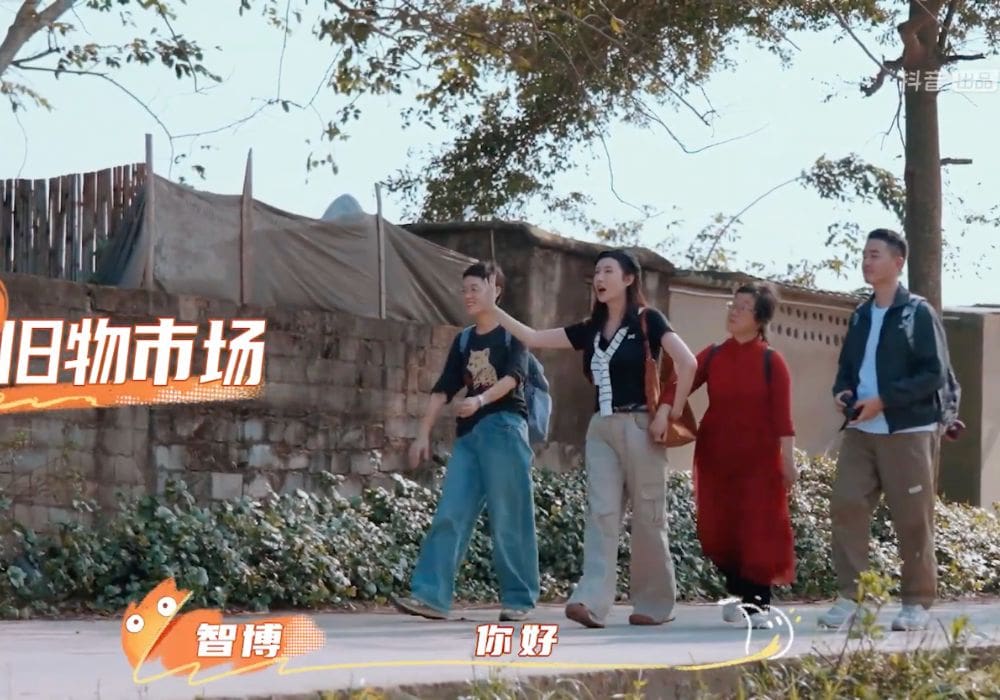
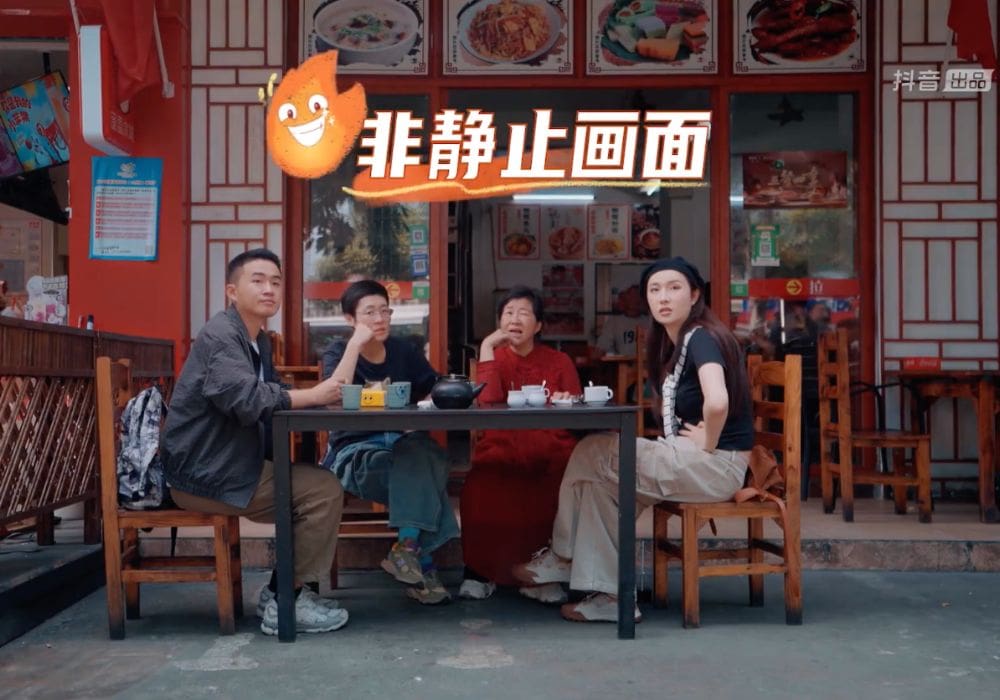
The platform itself also produced longer-form documentaries, such as the recent series “Revisiting Hot Cities” (《再访热城》), where viral English language teacher Liu Xiaoyan (刘晓艳), poet Yu Xiuhua (余秀华), and comedian influencer Zhibo (智博) visit four once-viral cities, and discuss the aftermath of viral popularity and tourism boom.

Slowing down: how Douyin's algorithm is changing brand strategy
While creators on TikTok have never leaned away from fast-paced, addictive content, their Chinese counterparts are not only more comfortable with slower content and more diverse pacing, but indeed the platform encourages it.
This can be attributed to Rednote’s (Xiaohongshu’s) favouring of deliberate, informative, and detailed content, and Douyin’s evolving algorithm, which has been de-weighting completion rate to prioritise high-quality content and viewer engagement. The Douyin algorithm has also encouraged repeated viewings, like those from multiple sittings of longer videos, since last year.
Furthermore, real fatigue has overtaken Chinese viewers due to the oversaturation of flashy, shorter videos featuring staged scenarios. This has driven audiences away and has created a strong demand for what is considered real and grounded, especially in luxury brand marketing in China and higher-quality output.
It’s important to note that the prevalence of livestreams in China has also been conditioning viewers to real-time pacing and, therefore, longer videos. These naturally contrast with the very short-form pieces designed to catch the eye immediately and prevent scrolling.
Can brands get into this slower rhythm? Lessons for China marketing strategy
Chinese and international brands are increasingly including more ordinary people and non- fiction content in their China social media marketing, as well as avoiding fast-paced clips, which, beyond appearing outdated and exhausted, may also seem tacky, steering them away from a higher-end feel.
Brands that are quick off the mark are already adopting these new approaches and gaining traction. With the food delivery sector continuing to expand, takeaway drivers are becoming a symbol of blue-collar workers. Not only are their vlogs and interviews going viral quickly, but brands such as Duolingo are utilising their popularity by producing content around them.
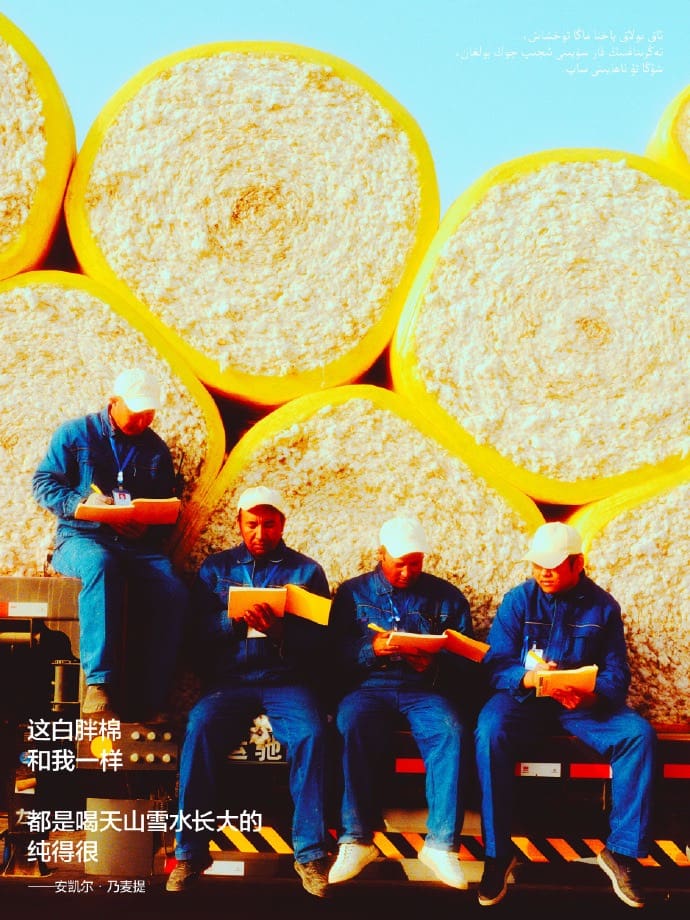
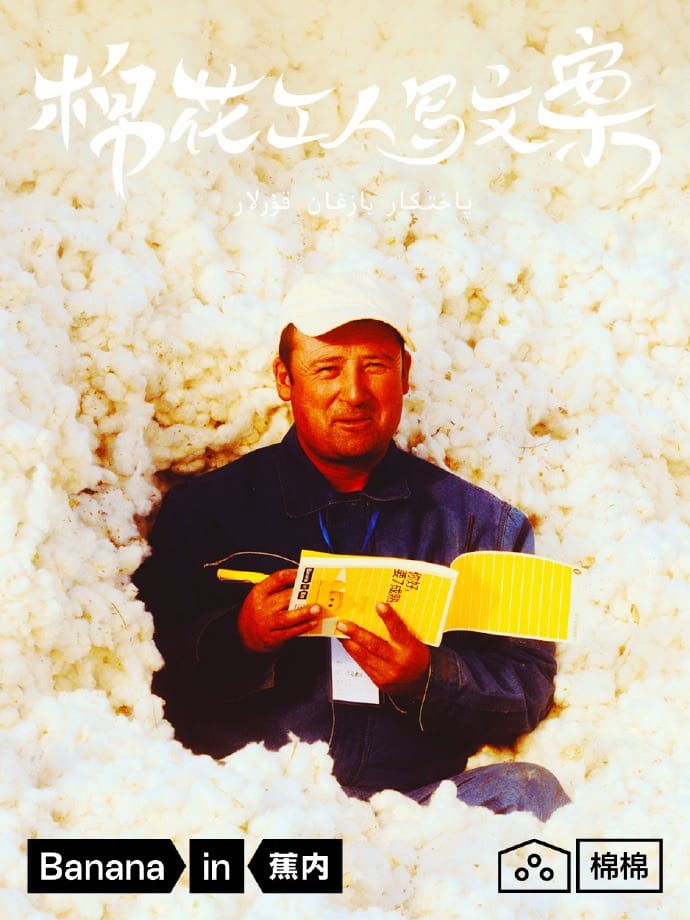
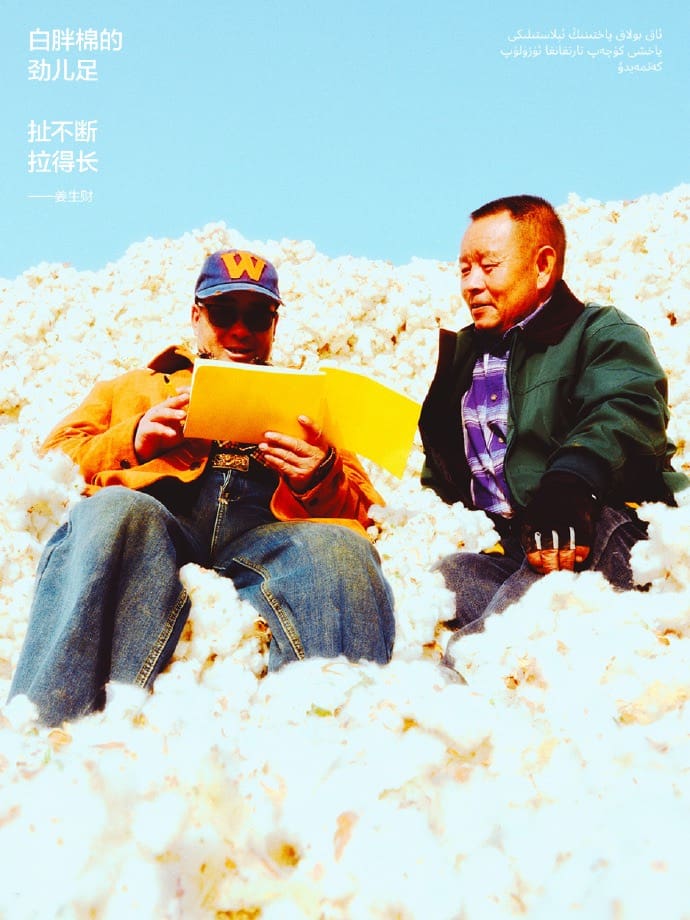
Increasing visibility and participation of their employees is another approach brands marketing in China take to demonstrate that they care and connect with ordinary people. In March, the Chinese underwear brand Bananain (蕉内) launched a campaign where it tasked its cotton field workers in Xinjiang with writing its copy. In early April, the tea drink brand CHAGEE (霸王茶姬) collaborated with the lifestyle magazine Shang Cheng Shi (上城士) to create a series of interviews with tea farm workers. These types of activations bring the authenticity of both the product and the processes to the consumers while boosting a “human” image of empathy and community.



Top influencers, grassroots creators, and platforms are now all banking on “real” content that slows down the pace, which also coincides with the “slower lifestyle” trend that promotes mental wellbeing and rejects the breakneck speed of both work and life. With both the platforms and viewers on the lookout for higher-quality content, brands need a China content strategy that truly connects with their target audiences to maintain their image and trust.
Understanding Chinese social media platforms has proven crucial for brands looking to connect with Chinese consumers, and this is no exception. Staying true to increasingly outdated fast-paced, often staged, viral entertainment could signal not only being out of touch but also a lack of concern for connecting with audiences and consumers.
What brands can learn:
- There has been significant interest in Chinese social media platforms such as Douyin and Rednote (XHS) in more grounded, human-centric content about ordinary people, often in the form of vlogs, interviews and documentaries. Not only are regular creators embracing this, but platforms themselves are also actively encouraging it.
- Douyin is actively diversifying from the fast-paced, eye-catching videos that dominate TikTok, embracing longer-form, slower-paced content. This is caused by factors such as viewer fatigue, Chinese viewers’ familiarity with livestreams and longer-form videos, and the direction in which luxury and higher-quality content is leaning.
- This type of content can help brands’ China marketing connect with their audiences with a sense of authenticity, empathy and community by speaking directly to the “ordinary person.”