












China's growing appetite for olive oil
Olive oil is gaining a stronger foothold in China. Once seen as a niche imported product linked to Western cuisine and premium gifting, it is now increasingly becoming part of everyday consumption. This shift reflects changing attitudes towards health, nutrition and food quality, as consumers show greater interest in healthier ingredients. While still seen as a small category compared to traditional cooking oils, rising consumption, sales and imports point to its growing potential.
Spain has played an important role in shaping China’s olive oil market, supported by its scale, production capacity and established global reputation. However, the market’s development also reflects changing consumer behaviour, evolving retail channels and efforts by brands to adapt olive oil to Chinese cooking habits. This points to an opportunity for international olive oil brands to enter and succeed in the market. The future of the market will be shaped by changing consumption habits, evolving retail channels and competition.

Market growth and changing consumer behaviour
Olive oil ranked as the third most popular edible oil among Chinese consumers in 2025, after peanut and soybean oil. Rich in monounsaturated fats, vitamin E and naturally occurring antioxidants, it has gained popularity as a healthier alternative to traditional cooking oils.
According to the International Olive Council (IOC), olive oil consumption in China increased by 28% in the 2025/26 crop year, reaching 53,000 tonnes. While this has surpassed Japan’s 42,000 tonnes, it remains well below other major non-producing markets, including the United States (465,000 tonnes) and Brazil (78,000 tonnes). This highlights the significant potential for further expansion and opportunity for brands looking to enter.
Despite its growth potential, olive oil remains a relatively niche product within China’s wider edible oil market. China consumes over 34 million tonnes of edible vegetable oil annually, which leaves considerable room for olive oil to increase its share. With the market forecast to grow at a compound annual growth rate (CAGR) of 6.5% through 2030, rising health awareness and changing consumption habits are expected to support continued growth.
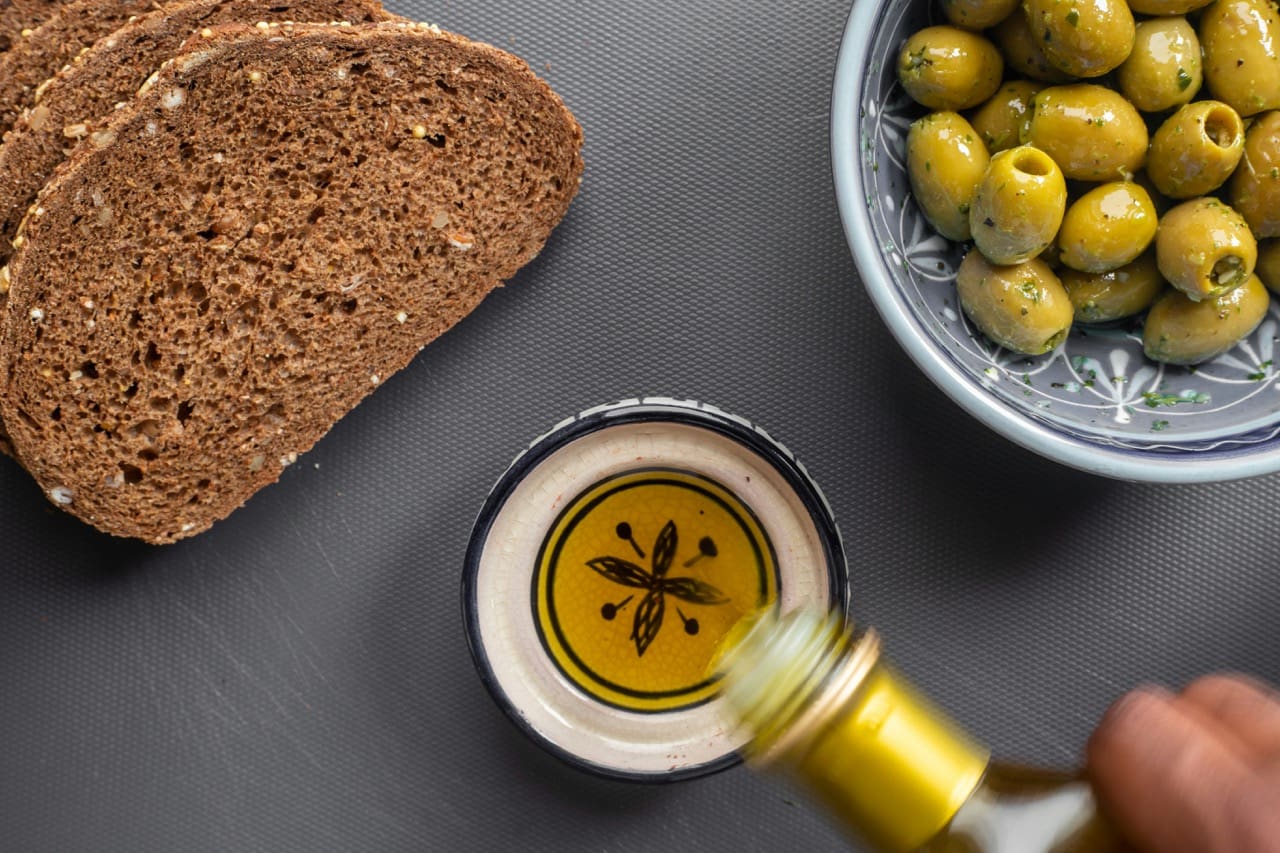
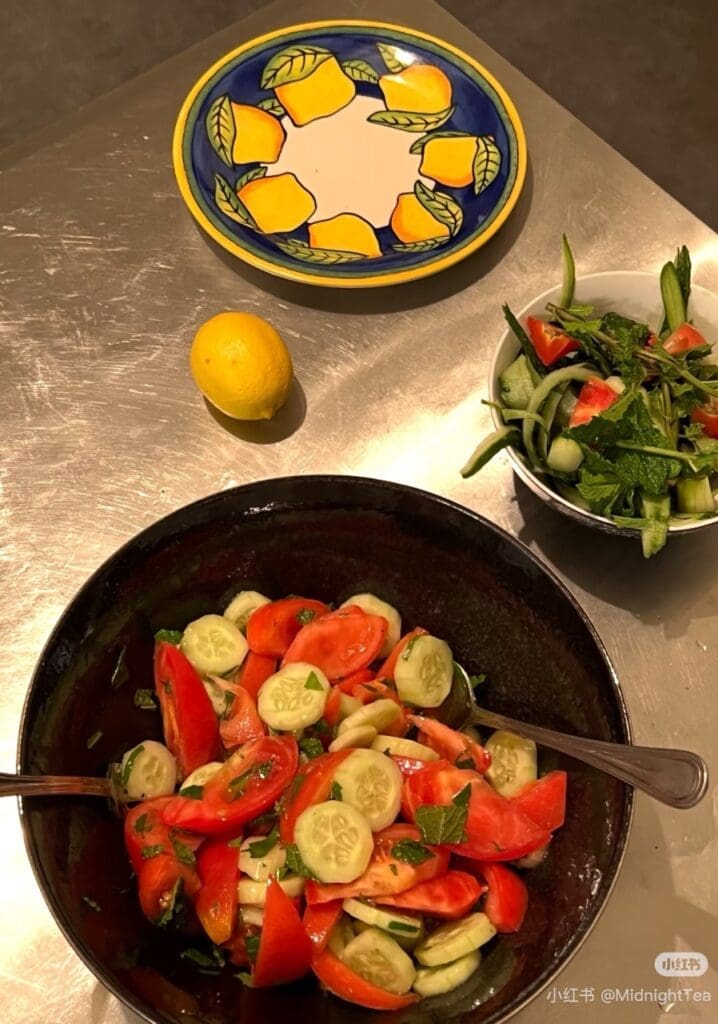
Several factors are driving the growth of olive oil consumption in China. Rising health awareness means households now incorporate olive oil into everyday dishes, including stir-fries, salad dressings, and fitness-focused meals.
At the same time, olive oil in China has gone from being an exotic product to becoming a symbol of health and status for the growing middle class. As imported extra virgin olive oil continues to be associated with quality and wellness, it is often purchased as a premium gift during festive periods. Chinese social media platforms such as Xiaohongshu and Douyin are further supporting this growth. They increase product visibility through reviews, cooking tutorials and influencer-led content, helping olive oil reach a broader audience.
This market growth has attracted increasing interest from both international and domestic producers. While imported olive oil continues to lead the category, local companies have also noticed this opportunity. They are now investing in brand-building and capacity to capture a larger share of the predicted future demand.


Imports continue to drive the market
A closer look at China’s olive oil imports highlights the dominant role of Mediterranean suppliers, particularly Spain and Italy. According to China’s General Administration of Customs, olive oil imports reached approximately 40,000 tonnes in 2025, up 54% from 2024. This is a significant 75% share of the market, of the 53,000 tonnes consumed in a year.
Spain accounted for more than 80% of these imports, while Italy held a 13% share. This makes China Spain’s sixth-largest olive oil export destination worldwide and its second-largest market outside Europe.
Spanish brands have succeeded by combining strong country-of-origin recognition with broad distribution. Carbonell, Borges and Betis have built extensive retail and digital networks, while Bargalló has expanded through e-commerce platforms, reaching consumers incorporating olive oil into everyday cooking.
However, China’s reliance on imported olive oil has exposed vulnerabilities in the current supply model. In recent years, demand has slowed due to rising prices and supply pressures, with drought-related harvest losses in Spain in 2023 contributing to global shortages.
With production since recovering, Spain has recently launched a two-year promotional campaign in China to increase consumer awareness and support long-term market growth. The campaign combines supermarket activations, restaurant partnerships and online promotions to highlight the quality of extra virgin olive oil and encourage its use in everyday cooking.
China is also strengthening its domestic olive oil industry to reduce reliance on imported supply. Brands such as Xiangyu (祥宇), Tianyuan Pinwei (田园品味) and Olive Time (橄榄时光) have gained recognition through awards and wider city-level distribution.


Even so, Mediterranean brands continue to lead the market due to stronger consumer trust, established reputations and recognised quality credentials.
The next phase of growth
China’s olive oil market remains far from mature and yet offers significant long-term potential. While consumption remains low by international standards, olive oil is gradually moving beyond its traditional association with premium gifting towards broader household use.
For new entrants, the opportunity lies not simply in selling imported olive oil, but in demonstrating clear value to consumers. As product knowledge improves, purchasing decisions are now more influenced by factors such as quality, authenticity, origin, and product grade rather than imported status alone. Brands that can clearly communicate these attributes and demonstrate how olive oil complements Chinese cooking habits will be best placed to capture future demand.
At the same time, competition is growing. The market is increasingly evolving into a dual-track model, with imported and domestic brands developing alongside one another. While Mediterranean producers continue to benefit from strong consumer trust and established reputations, domestic producers are steadily improving their production, processing and branding capabilities.
As a result, success will depend on differentiation. Strong quality credentials, effective localisation and a clear brand proposition will become increasingly important as competition shifts beyond country of origin alone. Digital Chinese platforms such as Douyin and Xiaohongshu will remain valuable tools for building awareness, engaging consumers, and showcasing product applications.
Ultimately, China remains one of the most promising growth markets for olive oil. The brands most likely to succeed will be those that combine product quality with local market understanding and the ability to build lasting consumer trust.
Key takeaways
- China’s olive oil market has room to grow: Consumption remains low by global standards, but rising health awareness and demand for better-quality cooking oils show long-term expansion.
- Imports still lead, but competition is shifting: Mediterranean brands dominate through reputation and trust, while domestic producers are building capacity and creating a more balanced market.
- Success will depend on local relevance: Brands that educate consumers, adapt olive oil to Chinese cooking habits, and use digital channels effectively will be best positioned for growth.
What's next for brands
For international brands considering their next move in China, the path forward is rarely about the product alone. Success depends on accurately reading local consumer behaviour, building credibility across the right digital platforms, and translating brand values into a story that resonates with Chinese consumers, all while navigating a rapidly evolving market. This is where the right marketing partner becomes invaluable.
At TONG, we specialise in helping international brands bridge this gap, combining bicultural insight with on-the-ground expertise in China’s retail, social and e-commerce landscape to turn market potential into measurable growth. For brands ready to explore what a considered China strategy could look like, we’re here to help shape that journey.