





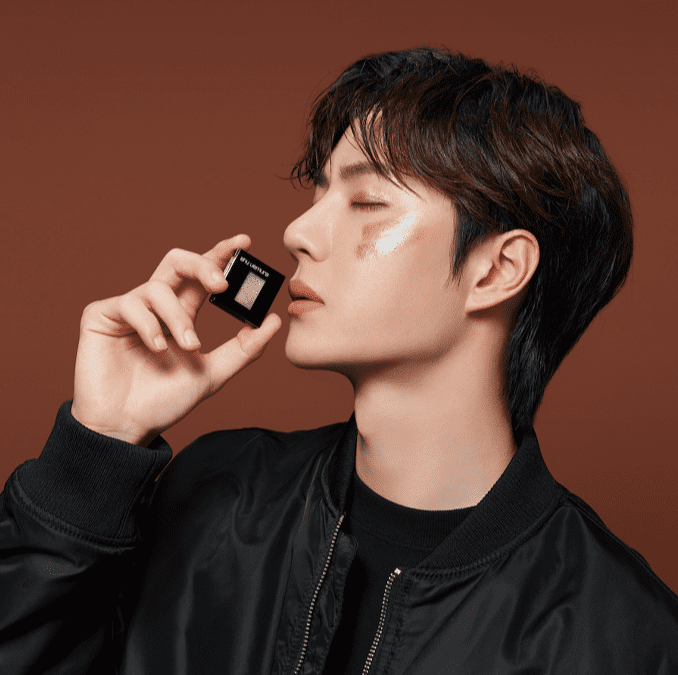

Back in September last year, China’s broadcasting regulator said it would ban a range of TV formats and celebrity aesthetics that make up what is widely known as idol culture. Comprising celebrity persona with huge corporate backing and their committed fans, this ‘runaway’ culture has hit the headlines on multiple occasions for its over-the-top expressions* of support.
The authorities sought to curb talent competitions and celebrity variety shows, in which stars often have androgynous aesthetics, particularly “effeminate” male stars, often referred to as “little fresh meat” 小鲜肉. However, a glimpse at streaming platform Bilibili’s Chinese New Year offerings, a site highly popular among Gen Z-ers, shows us how demand for such programming isn’t going to die out any time soon, it’s merely evolving.
While many issues addressed by the government seem entirely reasonable, pragmatic directives on behaviour have spilled over into dictating how stars should look. The main target was effeminate-looking male celebrities, often referred to as “sissies” (娘炮 – other more derogatory translations are available), or stars with other so-called “abnormal aesthetics”.
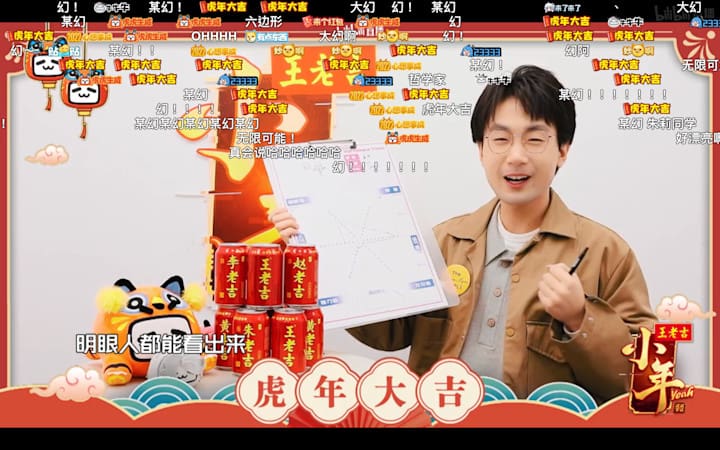
The rules will hit many of China’s TV channels and streaming platforms (namely iQiyi and Tencent Video) in 2022, but some such as Bilibili are finding creative ways to side-step the regulations in theirChinese New Year live streams. In the run up to the Spring Festival, the site gathered one hundred of its biggest content creators to take part in a range of challenges and competitions – arguably its own synthesis of variety shows and the state-sponsored Spring Festival Gala, for, and by, digital natives.

Streams include young male creators such as Box Yoghurt 盒子酸奶, Old Tomato 老番茄 and independent musician China Boy 中国BOY visiting a theme park, while other major vloggers complete challenges and give performances in TV studios. The stream on the evening of January 25th surpassed 65 million viewers at one stage.
Clearly these younger, often more self-made, tastemakers are resonating with young consumers when roughly the population of a Chinese province or the UK are watching ephemeral content. Bilibili gathered a diverse range of content creators and plenty of androgynous women creators are on the bill too. We want to unpack how certain trends evolve and stay relevant, namely young male content creators displaying “soft” masculinity.
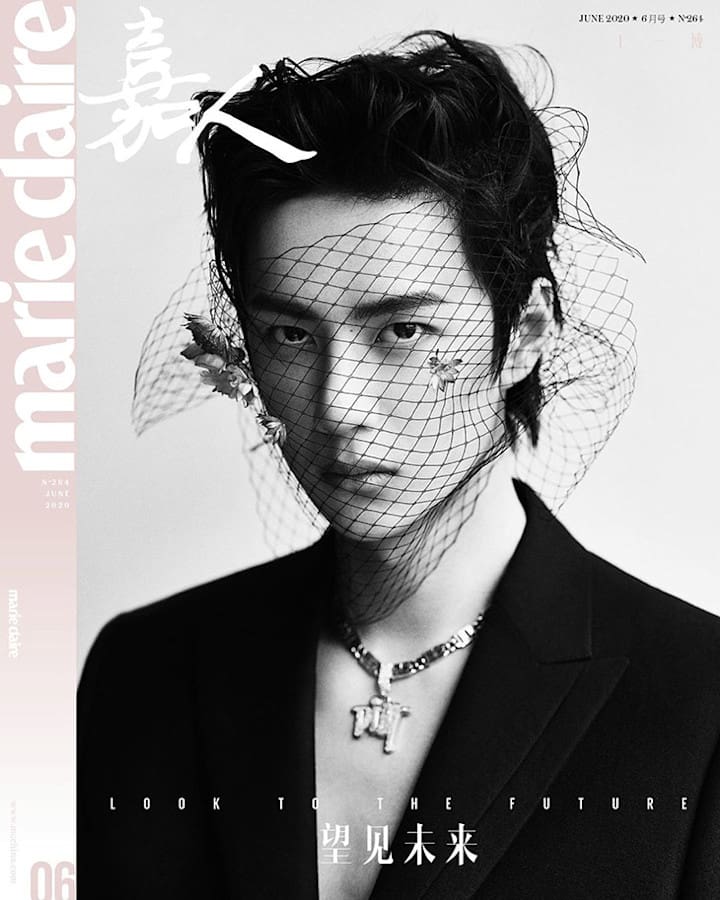
So what’s their appeal? Of course, charm and good looks play into their popularity. A lot of the aesthetic that these younger men display is borrowed from major stars who are more typically referred to as idols. Pop stars and actors such as Lu Han and Wang Yibo come to mind. While still well-groomed and sometimes glowing with a touch of make-up, this new generation of content creators have less of the “manufactured” feel that many mega-stars convey.
The spontaneity and self-curation of their content are complemented by Bilibili’s roots in Anime, Comics, and Gaming (ACG) culture, often home to more authentic, grassroots interest groups. By promoting such tastemakers, Bilibili has arguably identified a range of vloggers that appeal to mainstream tastes for effeminate men, while dissociating itself from the, legacy talent agencies in China, notably the Huayi Brothers and Yuehua Entertainment. This is strategically savvy in terms of targeting a new generation of consumers, as well as mitigating government policy.
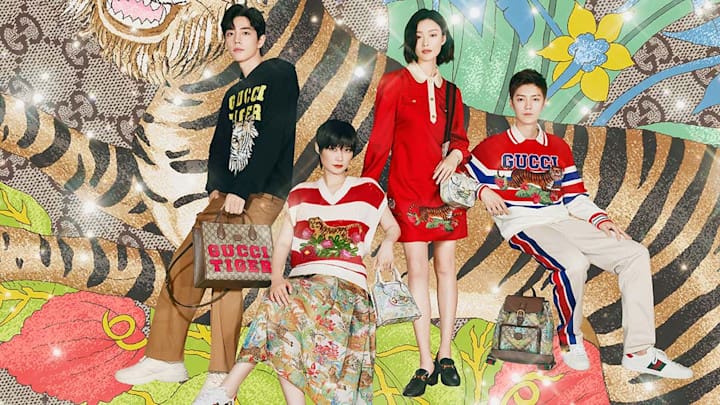
Major fashion houses are always under scrutiny to “get it right” when running Chinese campaigns and are particularly under the spotlight around Chinese New Year. While it’s better to play safe than get it wrong, Gucci’s offering for 2022 is a prime example of falling back on hallmark little fresh meat.
Adorning Lu Han and Xiao Zhan in their “Gucci Tiger” range, the campaign is tasteful enough but relies on the same old equation of huge Chinese star + zodiac animal = CNY campaign. More controversial is Gucci’s use of a live tiger on their shoot, which seems to have attracted more of a backlash on Western socials rather than in the target market.
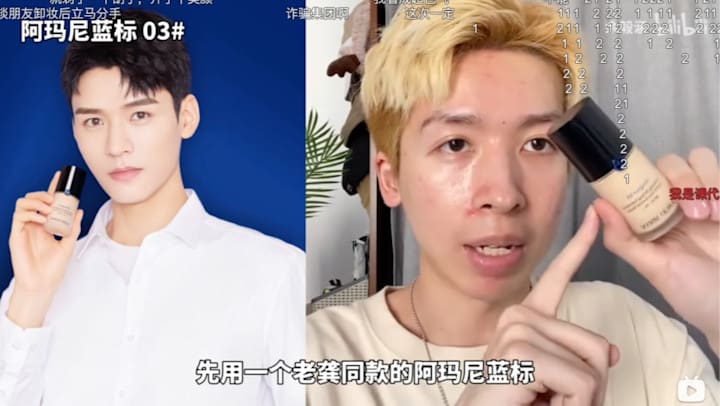
Meanwhile, there are opportunities to appeal to more dynamic consumers without the risk of offending cultural sentiment. Bilibili vlogger Yu 余1行 produces male make-up tutorials, which is a prime channel through which brands can seed male grooming products. Armani have seeded their Blue Label foundation in his videos, featuring in a tutorial alongside a beard trimmer by Chinese slick design brand Yoose.
Lending autonomy to a younger generation of male content creators embracing more effeminate beauty allows brands to be seen in the right spaces that appeal to Chinese Gen-Zers. Whether Armani chose to be included in the same video as a Chinese grooming product or not, to do so also feeds into a narrative of young Chinese as global consumers who seamlessly enjoy international and domestic products at once.
What does this mean for brands seeking connection with rising consumer groups or niche audiences of similar values? Though the commercialisation of certain aesthetics is nothing new, discerning consumers are becoming more aware of the intention behind such campaigns, particularly when it comes to the selection of talent. Identifying with specific communities and cultures is the easy part, but committing to track, engage and cultivate desires and interests requires more effort, whether that’s across traditional or new media.
Further Reading
*In May 2021, fans of the singing competition TV show “Youth With You 3” rushed to buy bottles of the flavoured yoghurt brand Mengniu. Uninterested in the yoghurt itself, fans were throwing away the liquid, only to keep bottle lids, which provided codes for extra votes on the talent show. The show was promptly frozen by the authorities days before the season finale.