














China’s home furnishing and interiors market has entered a new phase of growth, now worth $169.23 billion in 2026, and predicted to grow to $220 billion by 2031.
The China International Furniture Fair (CIFF), Asia’s leading design event, drew 363,000 visitors in 2025, leading Salone del Mobile’s 302,000 in the same year. This strong traction to the show not only reiterates the growing interest in the market, but also signals a strong opportunity for brands.
At the same time, Chinese consumers are becoming more design-literate, more discerning, and far more complex in how they define “luxury” at home. Investment in the home has grown, but so has the scope of decision-making filters, meaning brands need a tailored approach to the market to succeed.
The Appeal
Timeless design continues to prevail in China. Both designers and homeowners are now more cautious of design fads, which can be largely attributed to platforms like Xiaohongshu (Rednote), which are accelerating this trend fatigue. This is happening through making fixed aesthetics, such as “French Vintage,” feel obsolete before they’ve even fully taken hold. Among China’s more affluent consumers, there is a noticeable shift away from overtly stylised spaces toward bespoke environments that prioritise personal experience and an indefinite “shelf life.” Style is now less focused on labels and more interested in materials, atmosphere, and curated art and objects.
Heritage and timelessness have been regaining priority. Developments like Shilin Runyuan (士林润园), which blend Eastern philosophy with modern spatial concepts, and Zhonghai Hengchang Jiuli (中海恒昌玖里), which uses Art Deco aesthetics to support today’s lifestyle, address the same fundamental question: How do we ensure a home remains relevant decades later?
European furniture brands can be seen as an answer to this question, as they are still highly desirable in China, and associated with heritage, craftsmanship, and design integrity – particularly among affluent consumers. The elevated perception and appeal are there, so the next step is to reach consumers and to do it right.



The Opportunity for European Brands
On paper, this is a perfect opportunity for European brands to enter the Chinese market, but its success hinges heavily on brands’ ability to position themselves in the market.
Reaching audiences involves adapting to the local digital environments and channels, but it also requires a completely different approach to messaging and strategic marketing.
And when it comes to where to start, tier-one cities like Beijing, Shanghai, Guangzhou, and Shenzhen continue to lead consumption growth in the home sector – more than 2 million households in China hold net assets of RMB 10m+ (£1.2m), and around 150k households hold RMB 100m+ (£12m) in net assets. There is a strong appetite for premium and imported brands, which creates a clear entry point for European furniture companies, through focused, high-impact launches in cities where demand is already established.
A Market Built on Digital Discovery
One of the defining characteristics of China’s home furnishing and interiors market, like most of its industries, is its deeply digital nature. According to the HOME家饰界 2025 Consumer Trends Report, 69% of consumers say that brand marketing has a strong influence on their purchasing decisions.
Platforms like Xiaohongshu have shown to play a central role in how consumers discover, evaluate and engage with brands. For furniture companies, this creates a significant advantage: the ability to build awareness, credibility, and demand through targeted content and storytelling, without necessarily needing a permanent retail presence.
A digital approach lowers the barrier to entry and allows for more agile, insight-driven market development.


Where Western Brands Go Wrong
Despite strong product and brand equity, many European furniture companies fall into familiar traps that can lead to failure when entering China:
- Over-reliance on heritage or Western storytelling – craftsmanship and legacy matter, but without local relevance, heritage risks feeling distant and ‘foreign,’ rather than desirable.
- Misunderstanding luxury – luxury in China goes beyond surface-level aesthetics – it now encompasses how a space feels, functions, and evolves.
- Seeing China solely as a distribution location – success in China needs more than just a retail presence. Crucially, it requires building a brand within a highly digital, content-driven ecosystem.
- Underestimating cultural nuance – from spatial design to symbolic meaning in materials and layouts, small misalignments can miscommunicate intent and impact brand image and perception.
How Western Brands Succeed In China
There are a few core principles that successful European brands in China tend to follow:
- Strong, clear brand and value positioning
- Visibility and digital presence on platforms like Xiaohongshu, WeChat, and Douyin
- Strategic market entry into key cities, channels, and customer segments
- Longer-term commitment to the market
Executing Success
While the opportunity can be game-changing, success in China depends on execution. Understanding platforms, consumer behaviour, and local market dynamics is essential to translating brand strength into commercial results.
Working with a specialist partner who is an expert in the market is a key advantage. Moooi, the Dutch furniture and interior design company, achieved this through partnering with TONG to launch dedicated channels and integrating product narratives with strategic thought leadership, building and enhancing its market presence. This helped shift from passive engagement with the brand to a proactive, localised strategy in China.
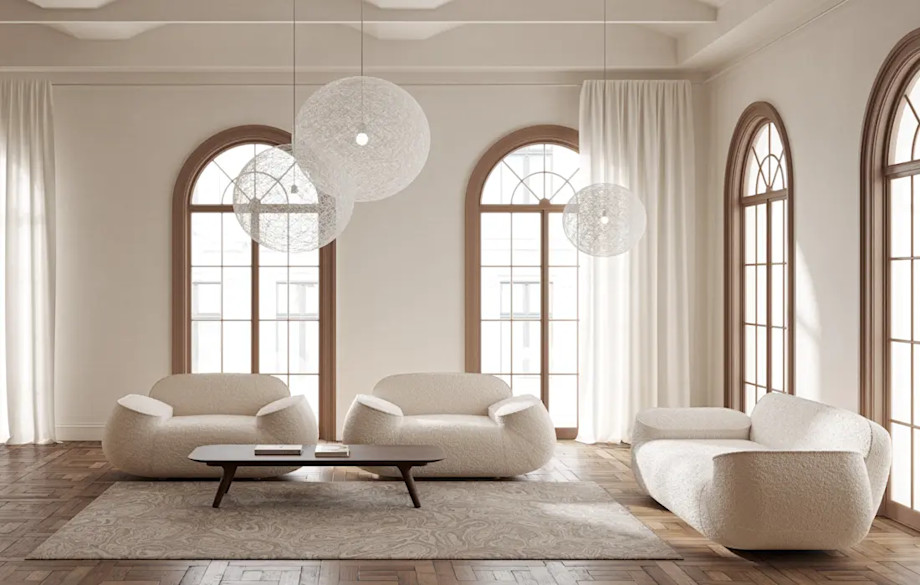
Moooi: Designing a Presence in China’s Luxury Interiors Market
Moooi partnered with TONG to create a proactive localised strategy in China. By launching dedicated channels and integrating product narratives with strategic thought leadership, the brand boosted its market presence, and has now opened an official brand store in Shanghai.
Today’s consumers are not simply buying products; they are buying into brand narratives, values, and a vision. European brands that can clearly communicate their identity and value, from materials and manufacturing to philosophy and history, are well-positioned to stand out in a competitive landscape.
Ready to Reach Chinese Consumers?
For a tailored strategy on how your brand can reach Chinese consumers, connect with TONG Global. We help brands identify the consumer tribes that matter and build campaigns that resonate, turning visibility into influence and influence into growth.
By combining local market expertise with a deep understanding of international brand building, the focus is on helping brands enter with clarity, scale with confidence, and build lasting presence.