



Luxury in Uncertain Times
Since the pandemic and the property crisis in China, the luxury sector has not been immune to the country’s economic uncertainties and the ensuing change in consumer confidence. However, these headwinds were part of a global phenomenon. By 2025, the luxury market had stabilised, showing tentative signs of a rebound. In China specifically, a stock market bounce-back spurred by AI development and an increased volume of property transactions has begun to restore consumer confidence and willingness to spend. But for luxury brands, what – and indeed who – exactly is driving these sales?
Out of the woods yet?
Globally, the luxury industry is on its way to recovery. Hermès saw its 2025 revenue grow by 9% at constant exchange rates over the previous year, reaching 16 billion EUR. In Asia (excluding Japan), spearheaded by China, there was 4.9% year-on-year growth. LVMH reported 1% growth in Q4 2025, exceeding market expectations. Kering also reported a deceleration in its downturn since Q3. Its “Chinese cluster” of clients improved in Q4, narrowing the year-on-year drop to the “mid-teens”.
However, industry caution remains, as the structural economic shifts that caused these headwinds persist. Analysts warn that this recovery is not a return to pre-pandemic normalcy, but rather the establishment of a new paradigm, which is especially true for China.
Location, location, location
Altagamma’s Consensus predicts that China has passed the “peak” of its crisis, forecasting 4% growth for the luxury industry in the country in 2026. While the number of High-Net-Worth Individuals (HNWIs) continues to increase, a psychological “luxury shame” persists among middle-class and aspirational consumers.
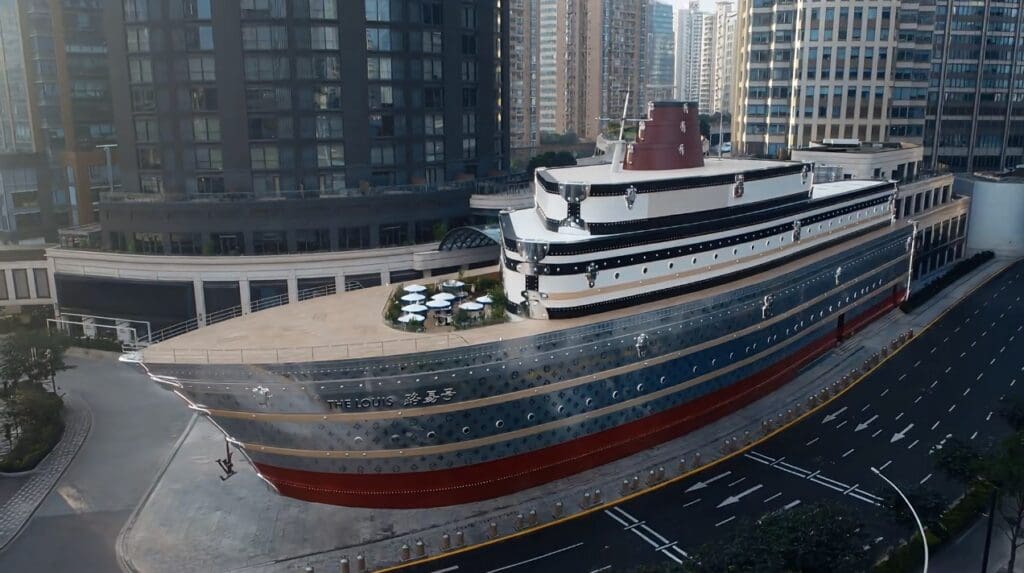
LVMH’s ‘The Louis’ experience in Shanghai
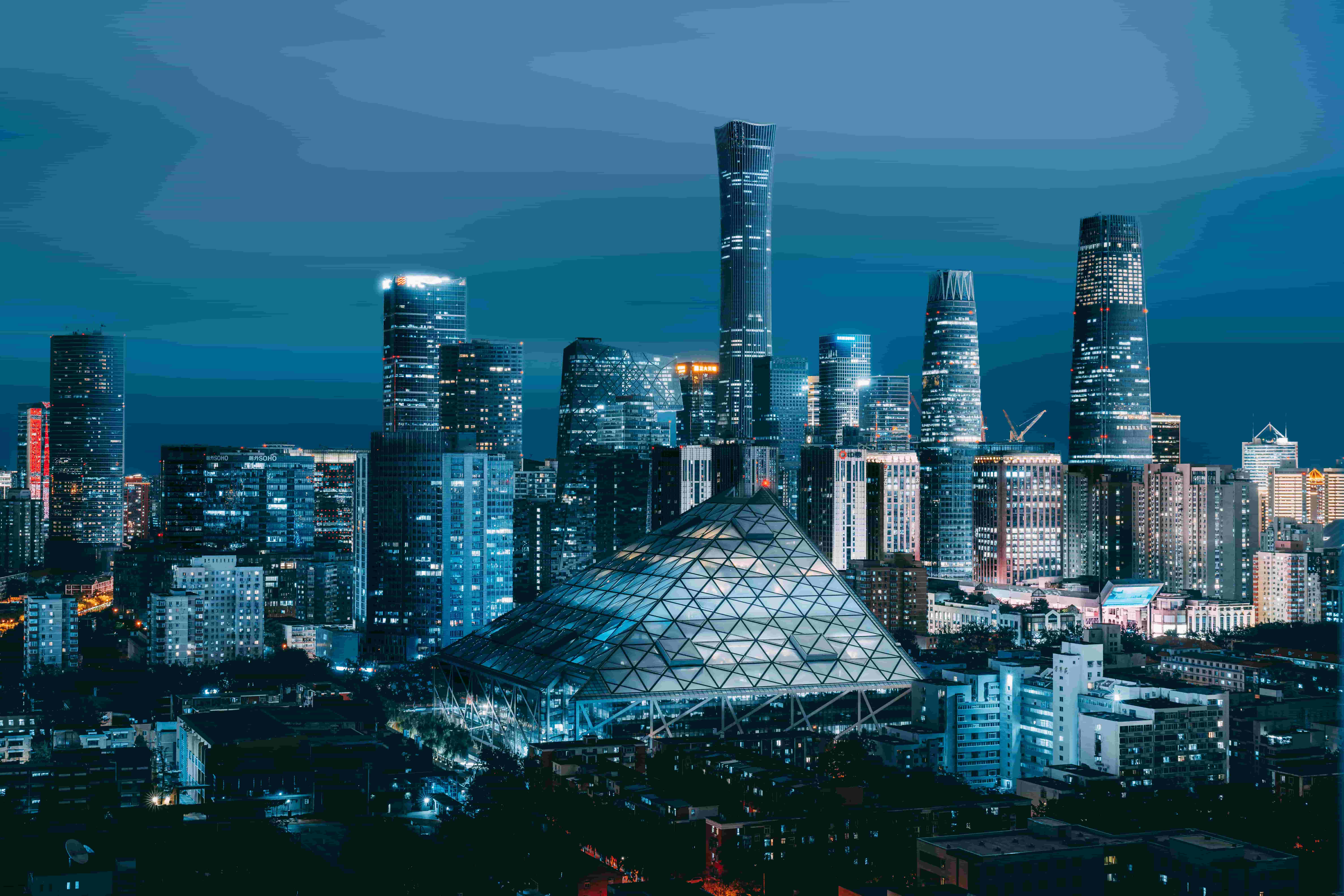
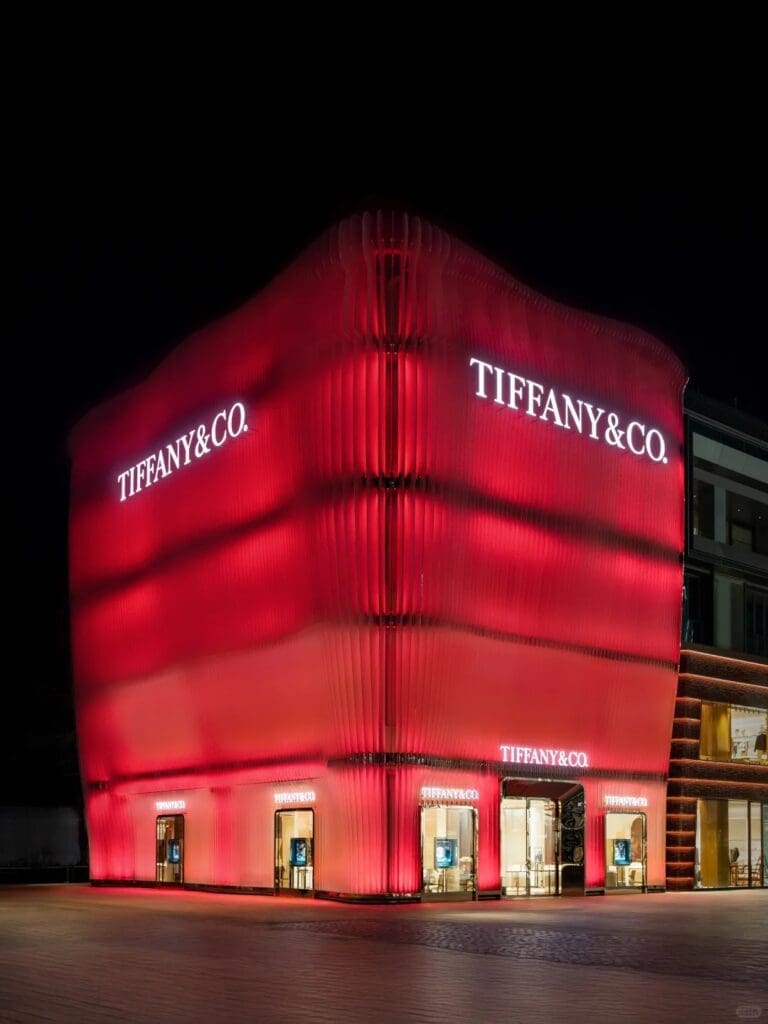
Consequently, brands are reacting by refocusing on their core clientele, consolidating both their geographic footprint and target segments. While houses like Gucci have been quietly closing boutiques in lower-tier cities, others are doubling down on Tier-1 hubs. This is evidenced by Louis Vuitton’s internet-breaking flagship “The Louis” in Shanghai, alongside major new shops from Dior and Tiffany & Co. at Beijing’s Taikoo Li Sanlitun.
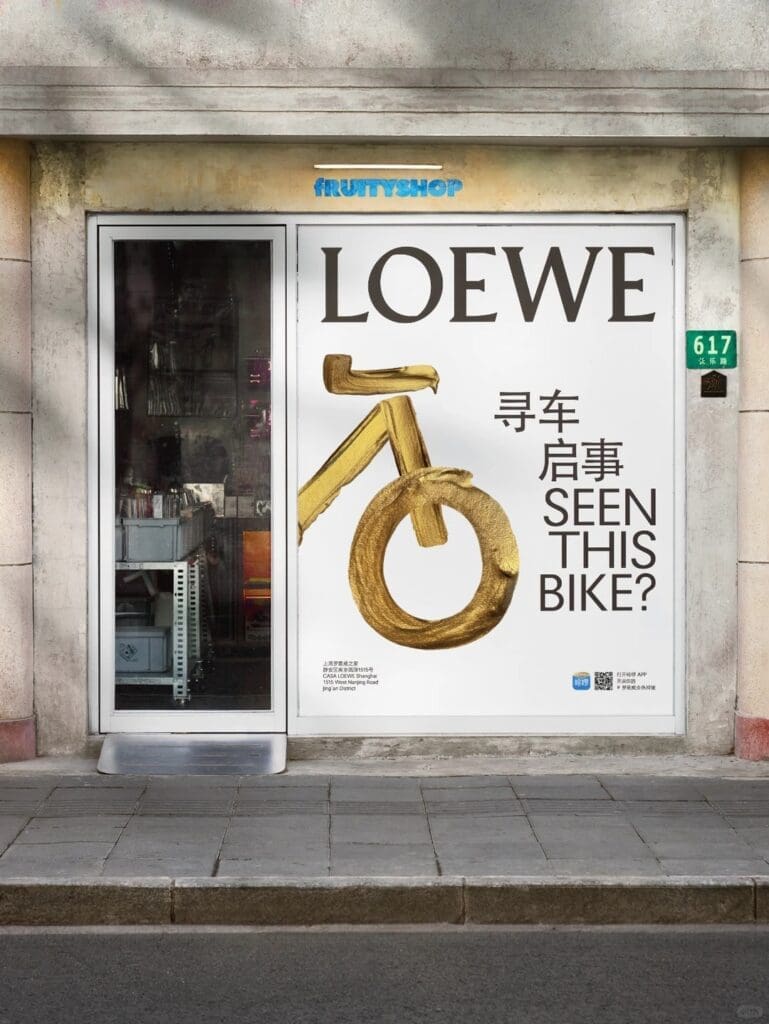
This physical consolidation is paired with hyper-localised marketing. Initiatives like Loewe’s collaboration with Hellobike and various local culture-driven pop-ups place these luxury houses firmly onto the streets, bridging the gap between global prestige and local relevance.
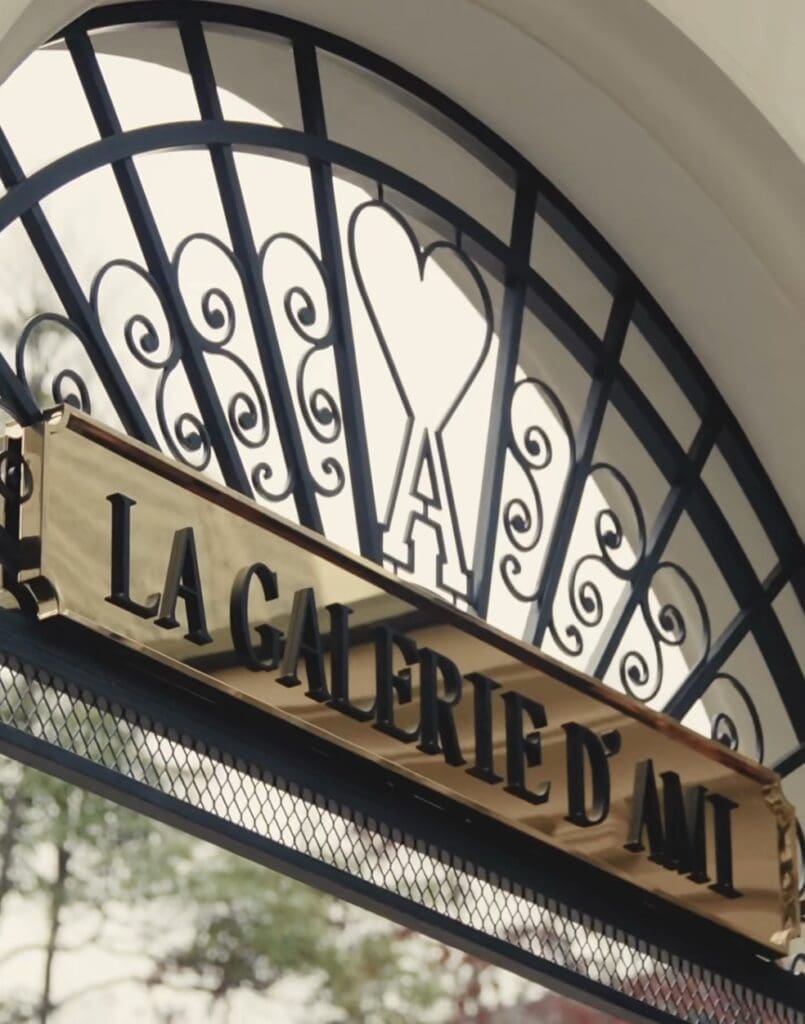
Simultaneously, brands are finding renewed online growth. Labels including Balenciaga, Coach, Lemaire, and Miu Miu experienced double-digit growth on Tmall Luxury Pavilion during the latest Double 11 sales. Furthermore, platforms such as Xiaohongshu (Rednote) play a central role in how cultural and brand experiences are discovered, interpreted and shared. Consumers purchasing on Tmall after being “seeded” on Xiaohongshu grew sixfold last year, compared to 2024, driving a 30% increase in cross-platform transactions.
In tandem with location strategies, luxury houses have been repositioning themselves by prioritising wealthy VICs (Very Important Clients) over the aspirational middle-class shoppers who have dialled back spending. However, this strict VIC-focused strategy may be at odds with the latest market data. The most recent rebound in Chinese luxury sales has been heavily driven by entry-level categories like ready-to-wear, scarves, and perfumes, indicating that younger, aspirational consumers are still actively participating when the aesthetic proposition is right.
Beauty in the eye of the beholder
According to Bain & Company, beauty was the best-performing luxury category in China last year, posting a 4% to 7% rebound. This was primarily fuelled by ultra-premium skincare and fragrances. As Altagamma notes, today’s Chinese consumers actively “seek emotional and sensory experiences” rather than just physical products.
This pursuit of “emotional value” and experiential consumption is now the decisive factor for brands looking to capture the young middle class. Gen Z consumers no longer strictly adhere to conventional luxury hierarchies. Instead, their purchasing is guided by personal aesthetic preference, fluidly jumping between global heritage houses, accessible luxury like Coach or Ralph Lauren, local challenger labels such as Songmont, niche designers like The Row, Alaïa, and even high-street collectibles such as Labubu. They buy whatever authentically says “me”. Because these consumers are more concerned with how brand messaging aligns with their identity rather than blind logo loyalty, a rigid VIC-only model risks alienating a vital demographic.
Therefore, a critical driver of brand growth in China is cultural relevance and community contribution. Whether through Lunar New Year campaigns from diverse brands highlighting intangible cultural heritage or Chanel’s permanent Espace Gabrielle Chanel at the Power Station of Art in Shanghai, successful brands are actively engaging with this culturally fluent young middle class—the very demographic driving the current recovery.

TONG’s Takeaways
The Chinese luxury market has stabilised and entered a recovery phase, but the underlying rules of engagement have fundamentally changed:
- With aspirational spending softer than before, brands are focusing on High-Net-Worth Individuals and consolidating physical retail into immersive, Tier-1 mega-flagships.
- Online ecosystems are driving real conversion. Platforms like Xiaohongshu are critical ‘seeding’ engines that directly boost e-commerce transactions.
- The young middle class is dismantling traditional luxury hierarchies. Their consumer behaviour favours personal aesthetic resonance and “emotional value” over pure prestige and social status. Brands must shift from dictating trends to aligning with consumer identity.