










The rise of Scandinavian and Nordic design in China
Over the past decade, Scandinavian and Nordic design have gained significant popularity in China, driven by growing consumer interest in practical and minimalist aesthetics. Often referred to as the ‘北欧风’ (Nordic style) wave, the trend is rooted in the Scandinavian philosophy of ‘less is more’, with an emphasis on simplicity, quality and individual expression.
Since entering China in the late 1990s, Swedish furniture giant IKEA has played a pivotal role in popularising Nordic design through its blend of functionality and affordability. Over time, the region’s aesthetic and underlying values have extended far beyond the home, shaping Chinese consumer preferences across fashion, lifestyle and wellness. From Norwegian supplement brand Fjord and Finnish design house Marimekko to Danish fashion brand GANNI, companies across Northern Europe are making their mark in a range of sectors.
This momentum is also reflected in economic ties, with China-Nordic trade rising 7.1% year-on-year in the first eight months of 2025, signalling continued opportunities for Northern European brands in the Chinese market.
Why Nordic brands remain relevant
Far from being a ‘passing trend’, the popularity of Northern European brands reflects broader shifts in Chinese consumption habits. As living standards improve, consumers are increasingly looking beyond products in search of personal fulfilment.
For many, the pandemic further heightened the focus on wellbeing, prompting consumers to place greater importance on healthy living. These shifts have fuelled interest in Danish cultural concepts such as ‘hygge’ (a sense of warmth and comfort), offering a mental antidote to the pressures of China’s fast-paced modern lifestyle. Similarly, values commonly associated with Nordic culture are increasingly resonating with consumers seeking a slower, more balanced way of life.
At the same time, growing environmental awareness is driving demand for sustainable choices, while the rise of ‘quiet luxury’ reflects an increasing preference for craftsmanship and high-quality materials. Together, these trends are creating new opportunities for Northern European brands across multiple sectors.
How Nordic brands are evolving in China
Awareness of Nordic brands in China is well established. Early exposure through ‘daigou’ shoppers (a form of cross-border e-commerce) and social media platforms such as RedNote (Xiaohongshu) introduced many Chinese consumers to these brands long before their official market entry. Their reputation for durability, functionality, quality and minimalist design has helped create favourable conditions for growth and expansion.
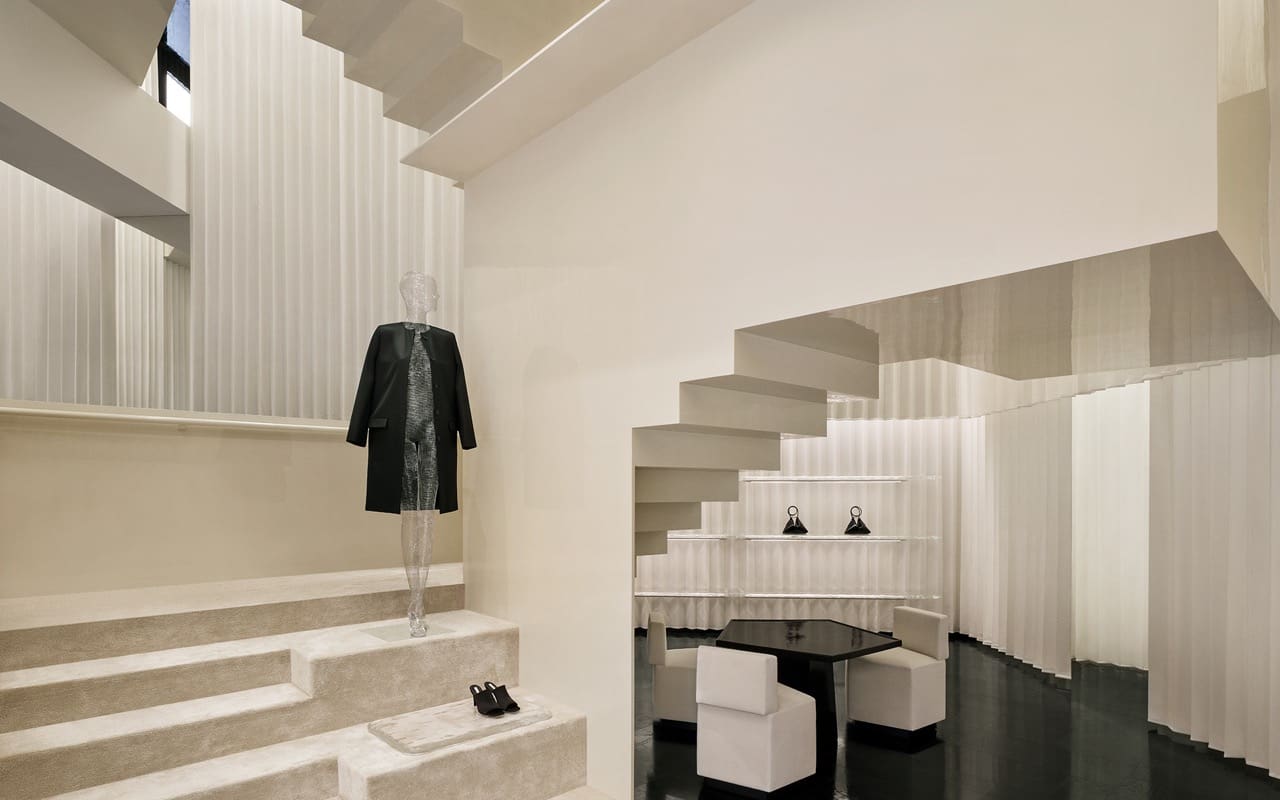
A notable example is the Swedish fashion brand Toteme. Since launching on Tmall in 2020, the label has expanded its presence across China, opening stores in Shanghai, Shenzhen and, most recently, Beijing. Known for its timeless silhouettes and monochromatic aesthetic, Toteme has built a following among Chinese consumers as interest in quiet luxury continues to grow. Created in collaboration with the Swiss architecture firm Herzog & de Meuron, its Beijing flagship echoes the brand’s values through an immersive retail experience.
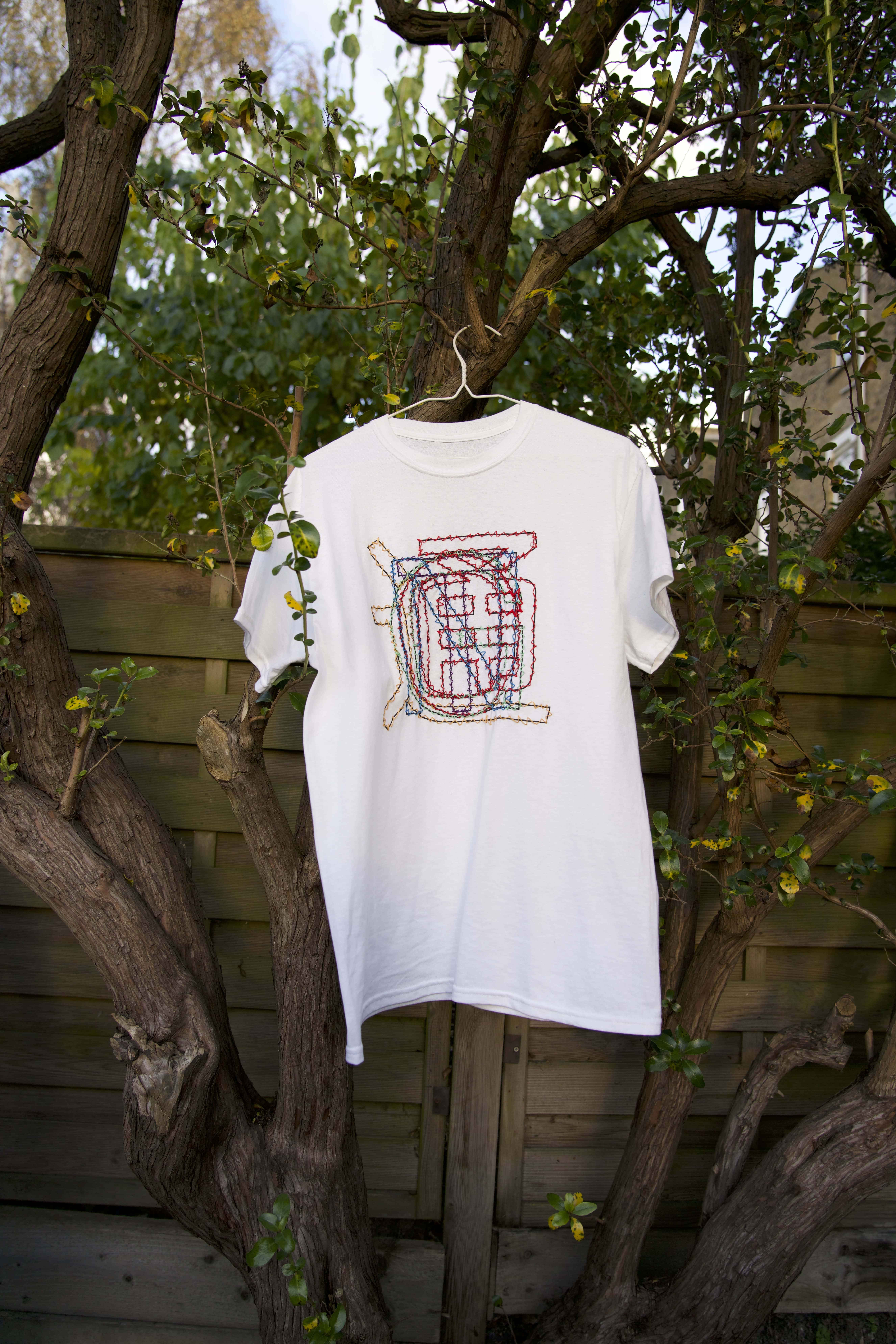
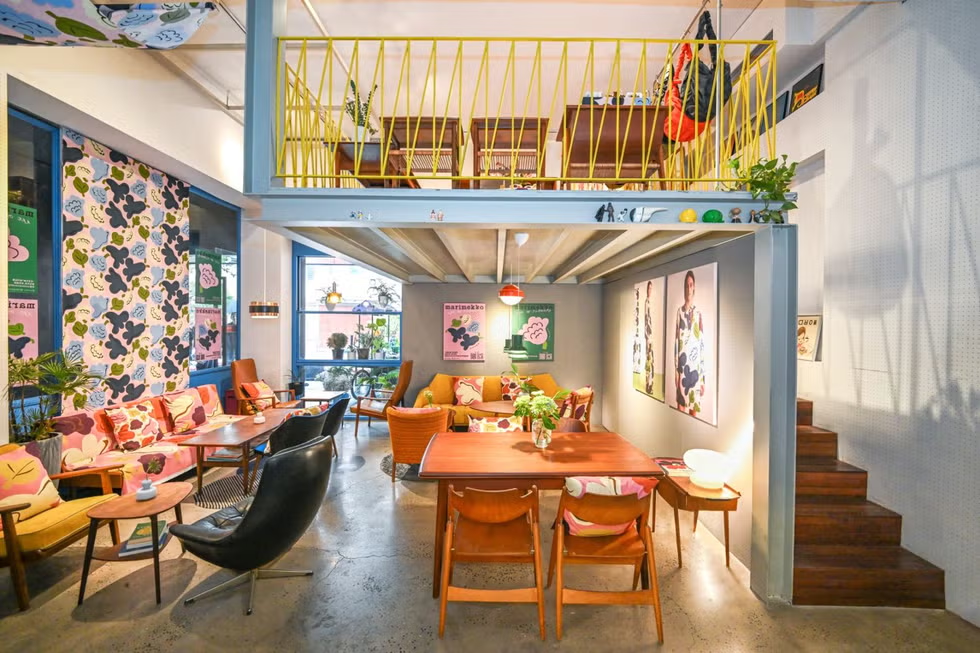
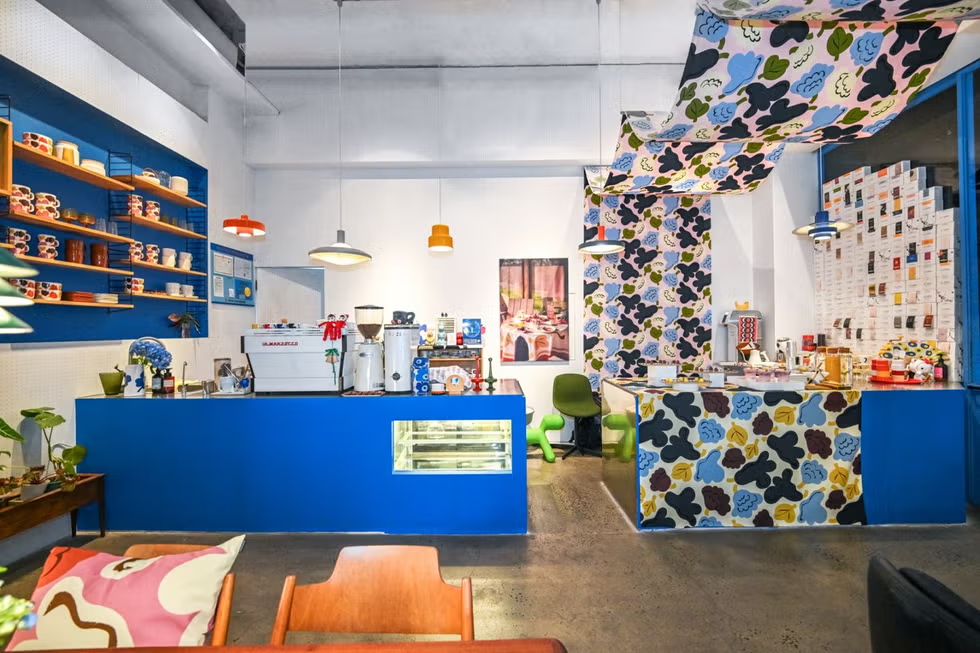
While Scandinavian design is often associated with minimalism, brands from the region are equally known for their bold use of colour and playful patterns. Research from Daxue Consulting suggests that younger Chinese consumers are increasingly embracing more vibrant forms of Nordic design in pursuit of greater self-expression.
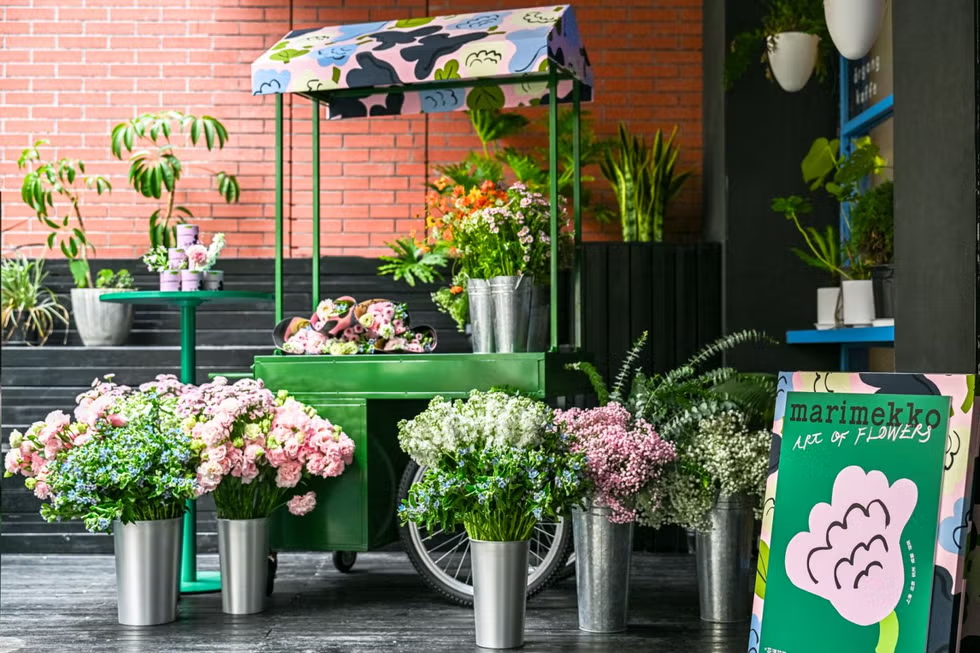
Marimekko is a strong example of this shift. Having operated in China for more than a decade, the Finnish design house has built a loyal following through its iconic graphic prints. More recently, the brand tapped into China’s thriving pop-up culture through its ‘Art of Flowers’ activation in Shanghai. The installation showcased ‘Kukasta kukkaan’ (From Flower to Flower), a floral pattern by Erja Hirvi that features throughout Marimekko’s 2026 collection.
As with any market entry strategy, localisation is vital. Take the Danish fashion label GANNI, for example. Despite being well known among Chinese consumers before its official market entry in 2021, the brand continued to adapt its offering to the local market.
In 2024, the brand partnered with home retailer The Beast Home (TBH) to bring its signature prints onto cushions, quilts and pyjamas. Inspired by ‘hygge’, the collection focused on creating a warm and inviting home environment. The collaboration extended GANNI’s fashion identity into homeware, blending Danish design with elements of Chinese culture. Positioned as an affordable luxury brand, it offered a new way to connect with Chinese consumers.
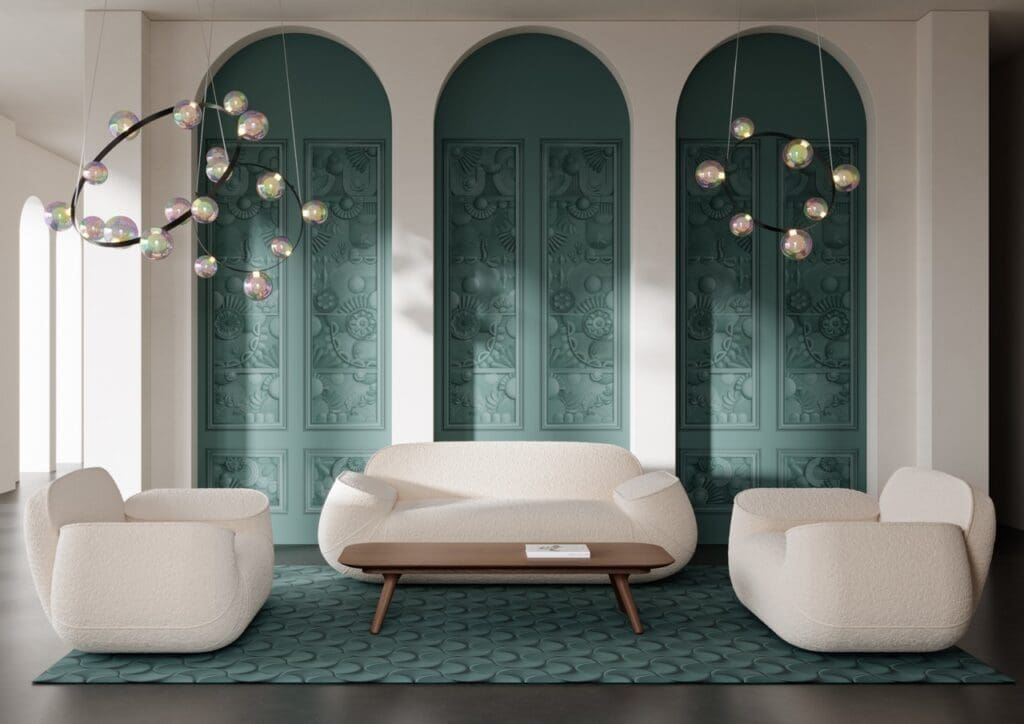
Outside of fashion, Northern European design is also gaining traction in China’s luxury interiors market, as consumers increasingly view the home as a space for ‘self-expression, creativity and balance’. Dutch furniture brand Moooi illustrates this trend in China. In a fiercely competitive and mature market, its Scandinavian-inspired style and playful approach to design have helped it stand out among consumers seeking originality and emotional value in the home.
With TONG’s marketing agency support, Moooi strengthened its position in the Chinese market by adapting its brand for local audiences while maintaining its distinctive international identity. Leveraging Chinese digital platforms WeChat, Weibo and RedNote (Xiaohongshu), the brand deepened its connection with China’s design community, with RedNote engagement increasing by 267% in 2024.

Collectively, these examples highlight the broader opportunity for Northern European brands in China. What began as an appreciation for Nordic aesthetics has evolved into wider interest in the values associated with the region, turning into a lifestyle trend in China, creating opportunities beyond design-led sectors. While China’s scale and cultural nuances present challenges, growth potential is significant.
The opportunity for Northern European brands
China-Nordic relations continue to develop steadily, with both sides recently pledging to deepen bilateral cooperation and partnerships. Combined with sustained interest in Northern European brands and lifestyles, these conditions create a favourable environment for brands looking to enter or grow in the China market.
Chinese consumers in 2026 are increasingly intentional in their purchasing decisions, seeking products that offer both value and personal relevance. Many are already attracted to qualities associated with Northern Europe, including quality, authenticity, sustainability and thoughtful design. Demand spans categories from childrenswear and health supplements to homeware and outdoor equipment. For Nordic brands entering China, the challenge is to turn these established strengths into an offering that feels relevant to the local market.
This is particularly important in a market that is both competitive and fast-paced. Scandinavian brands such as ARKET, Filippa K, Skandinavisk and Novo Nordisk have all established operations in China. A common thread is their ability to localise, using digital marketing, KOL partnerships and e-commerce to connect Nordic values with local customers.
For many, cross-border e-commerce has also provided a lower-risk route strategy to test demand before expanding physically. Ultimately, success depends on demonstrating how a brand can fit into the everyday lives of Chinese consumers.
The appeal of Scandinavian and Nordic aesthetics in China shows little sign of decline. The next phase of growth will favour brands that can translate their heritage into products, experiences and stories that feel relevant to Chinese consumers.
Key takeaways
- The Nordic wave is evolving: Scandinavian and Nordic appeal now extends beyond aesthetics to quality, authenticity, and sustainability.
- Opportunities are expanding: Northern European brands are finding traction across categories ranging from children’s products and health supplements to homeware and outdoor living.
- Changing tastes favour Nordic strengths: China trends such as quiet luxury and wellness are increasing appreciation for quality, craftsmanship, and timeless design.
- Execution matters: Long-term success depends on adapting Nordic values into products that resonate with Chinese consumers and align with China’s digital ecosystem.
We help brands reach Chinese consumers
Navigating the path to success in China requires a partner who understands both the cultural nuance and the commercial reality of the Chinese luxury market.
If you’d like to find out how TONG’s Chinese marketing agency team can help your brand build a more culturally resonant strategy in China, from China consumer insights to marketing strategy for China, get in touch today.