









Falling on the seventh day of the seventh lunar month, Qixi is the traditional Chinese counterpart to Valentine’s Day. While often referred to in the West as simply “Chinese Valentine’s Day,” this translation fails to capture its true significance. Rooted in centuries of folklore, Qixi carries a deep cultural weight that sets it apart from Valentine’s Day and 520, as it is an authentic, historic tradition rather than a manufactured retail event.
That difference is exactly why Chinese audiences pay so much attention to it, and why brands should understand its importance.
Why Qixi overshadows Valentine's day and 520 Day
Valentine’s Day is still popular in China, and because it’s globally efficient, brands can often utilise the same campaigns simultaneously across Europe, the United States, China, Japan, and South Korea.
But with no local roots, consumers participate without seeing it as a cultural validator or a test of whether a brand genuinely understands Chinese culture and audiences. It’s just another opportunity to participate in romance-related consumption with no inherent advantage.
520 Day has the opposite problem. It’s entirely internet-native – “5-2-0” sounds like “I love you” in Mandarin, which makes it perfect for livestream commerce and quick social content, but it has no history behind it and sits uncomfortably close to the 618 shopping festival. So, it reads as a manufactured, discount-driven event, rather than one consumers are emotionally invested in.
Qixi sits above both of those events. The depth of its cultural significance to Chinese audiences means that brands are often “tested” by their Qixi campaigns. Does this brand actually understand and appreciate Chinese culture, or is it coming off as ingenuine and cynically consumption-first? This is especially sensitive for luxury and consumer brands, because depending on the answer, Chinese consumers respond accordingly.
What that means for brand strategy
For international brands operating in China, Qixi is one of the clearest yearly opportunities to demonstrate real localisation and connect with consumers, rather than sell an exported global asset.
It’s important to note, however, that functioning as both a cultural and e-commerce moment, Qixi has inevitably led to a degree of consumer fatigue, with many brands relying on increasingly homogeneous campaign approaches. As a result, the creative bar has been raised, making genuine innovation and creativity more important than ever.
Increasingly discerning audiences mean that a pink recolour, a heart-shaped charm, and a “Qixi Edition” stamp on a product don’t make an impact. Chinese consumers expect brands to blend traditional aesthetics with modern lifestyle, in line with the guochao 3.0 movement.
This presents a strategic opportunity for brands to take a step back and reflect on the fundamental elements that have made Qixi such a powerful brand moment in the first place. This can help brands identify emerging cultural occasions or behavioural shifts in China that have the potential to evolve into the “next Qixi,” or moments that resonate deeply with consumers while creating new opportunities for brands to engage in a more meaningful and differentiated way.
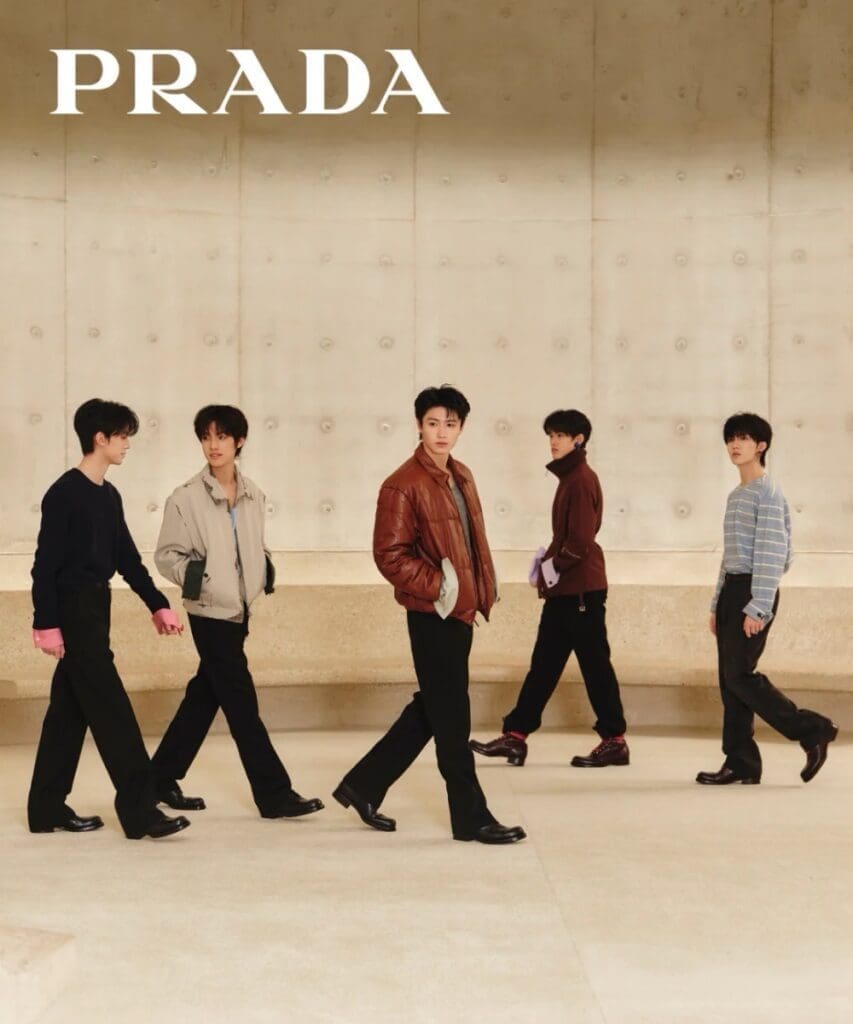
The campaigns that worked this year
Gucci’s “Love Has Many Stories”
Gucci pivoted from the traditional formula of aesthetic celebrity romance and ambassadors posing with new products, opting instead for a series of three short films.
Styled after Chinese short-form drama, currently one of the most popular formats that resonates with the daily viewing habits of local audiences, these films rework familiar tropes, like station encounters and rainy reunions. However, they introduce a more current theme: the protagonists are women who pursue their own success and agency rather than seeking validation from others.
This approach succeeded because the format suited Gucci’s theatrical, expressive personality, while the parallel storylines generated more engagement than a single, polished film. The campaign garnered widespread praise on social media for its distinctive aesthetics and compelling visuals, and for subtly weaving products into the narrative rather than relying on overt sales, creating memorable, viral moments.

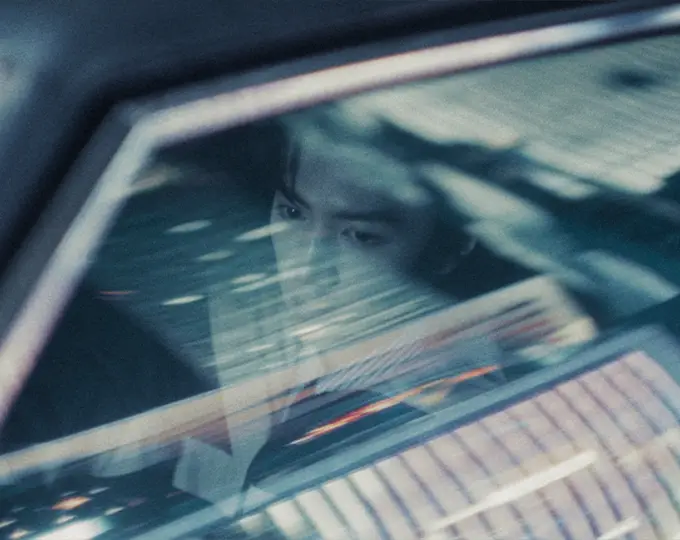

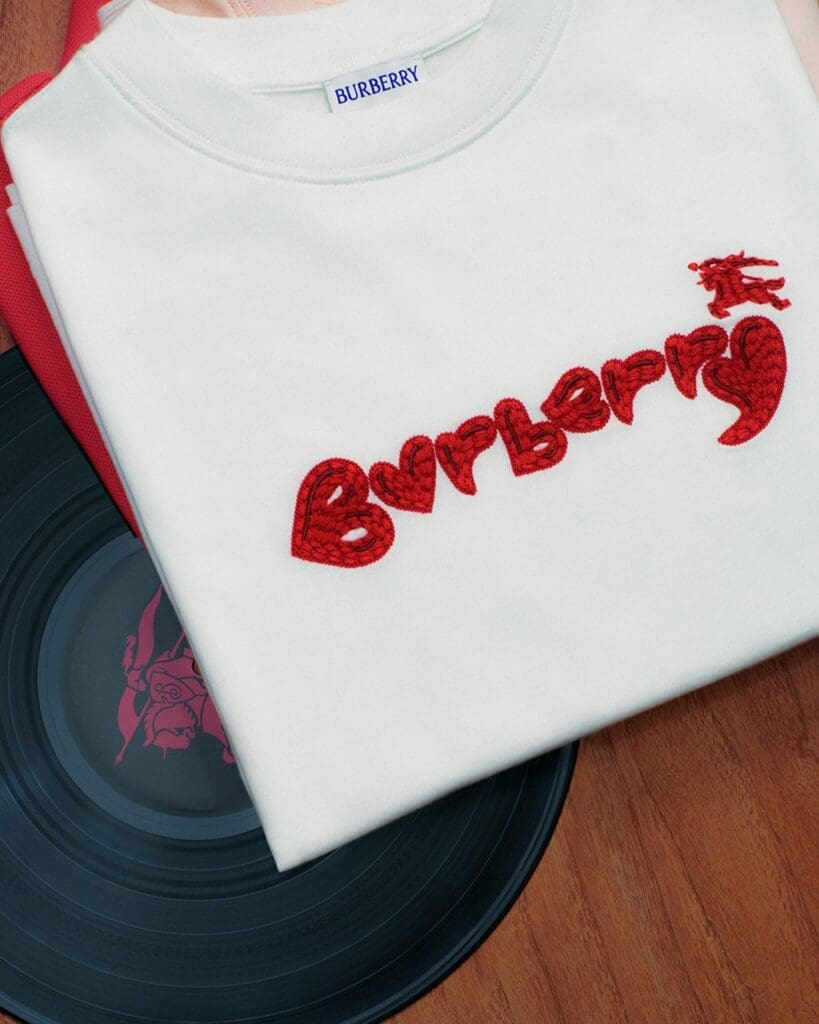
Burberry’s “Love, on Repeat”
This campaign worked for a few different reasons: a creative one-take film built around music and connection, well executed and true to Burberry’s British heritage, even if it leans on the safer, more familiar romantic formula.
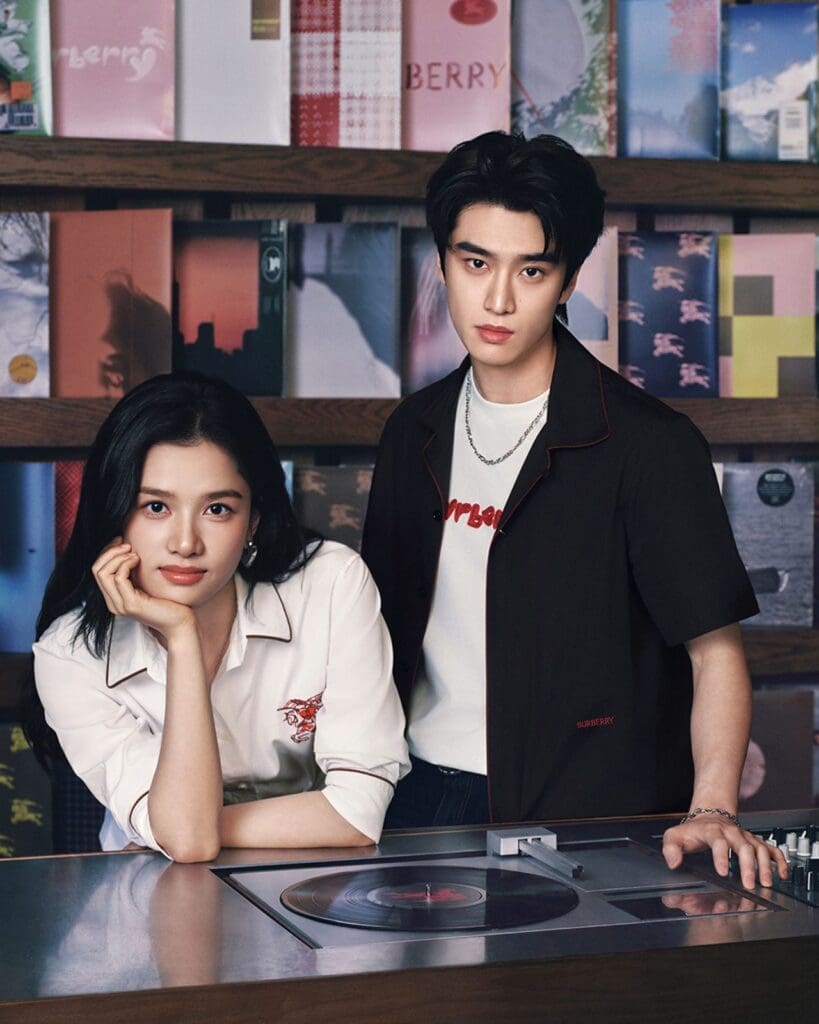
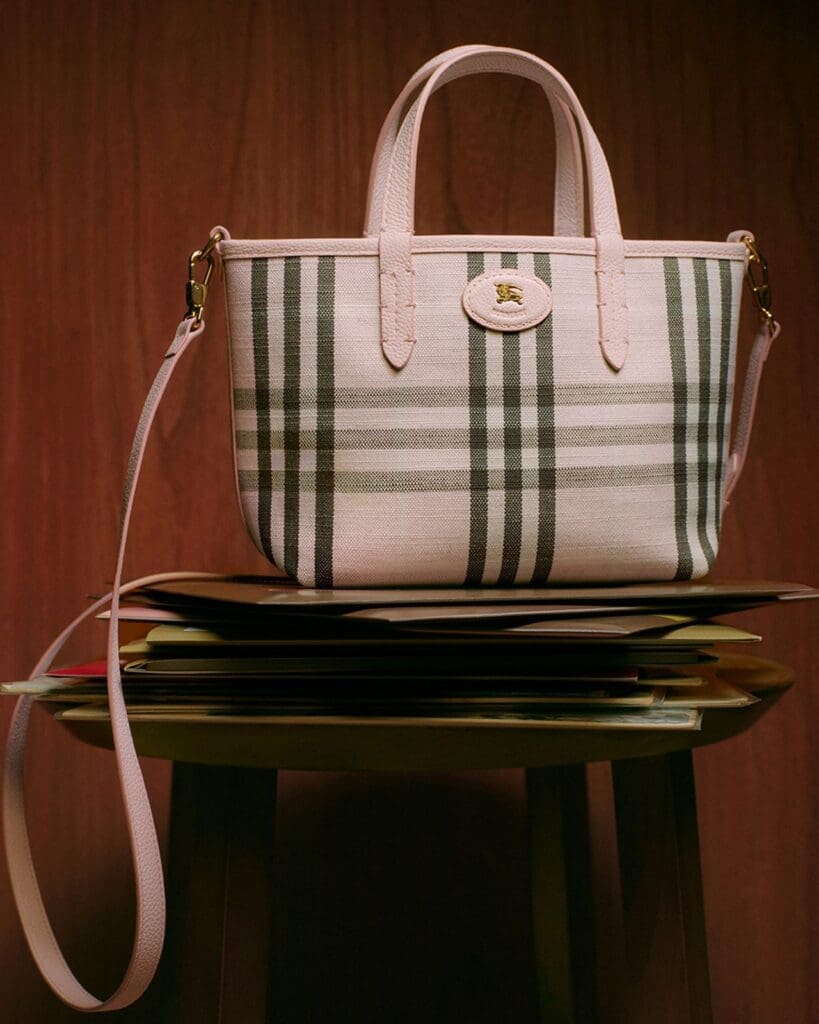

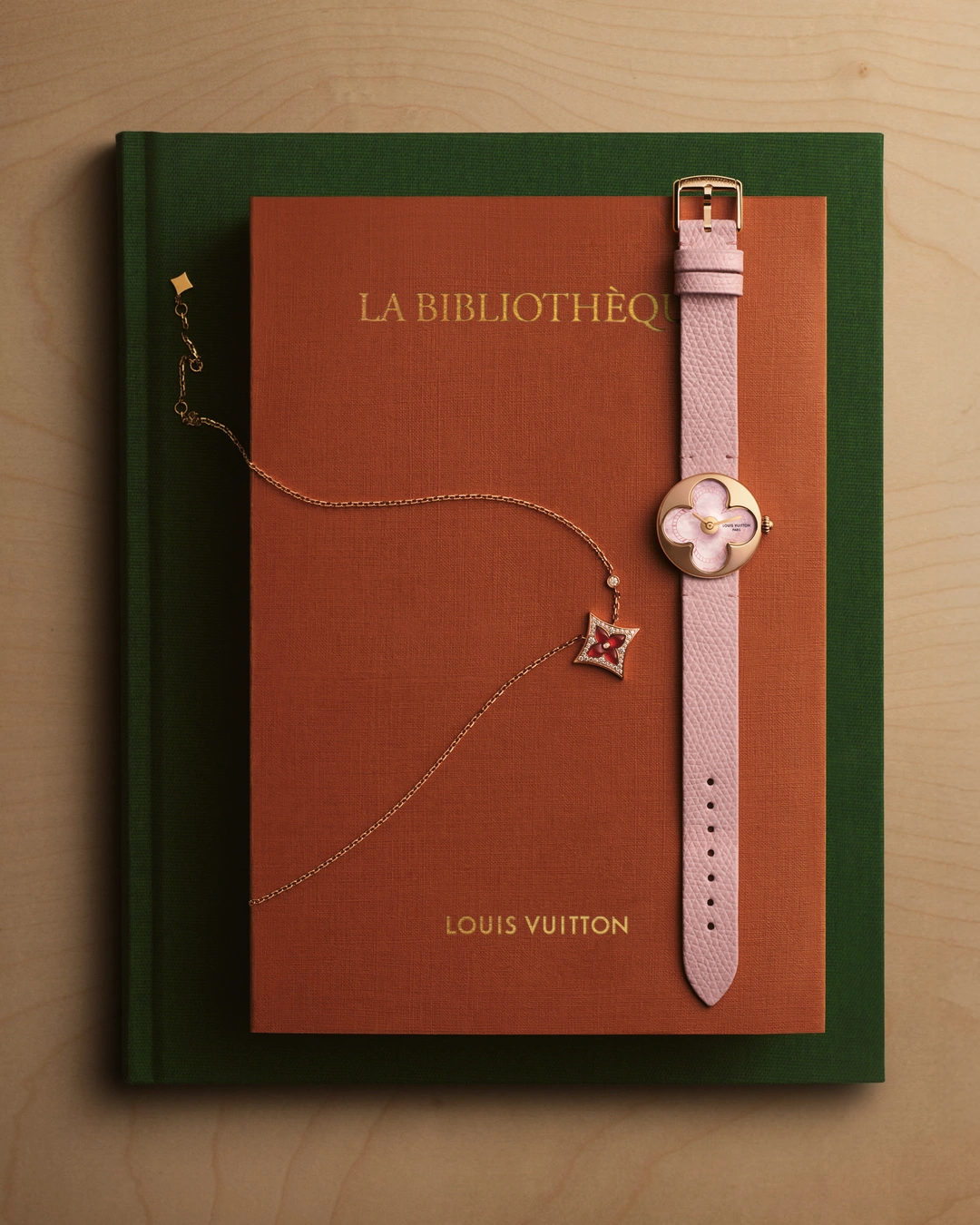
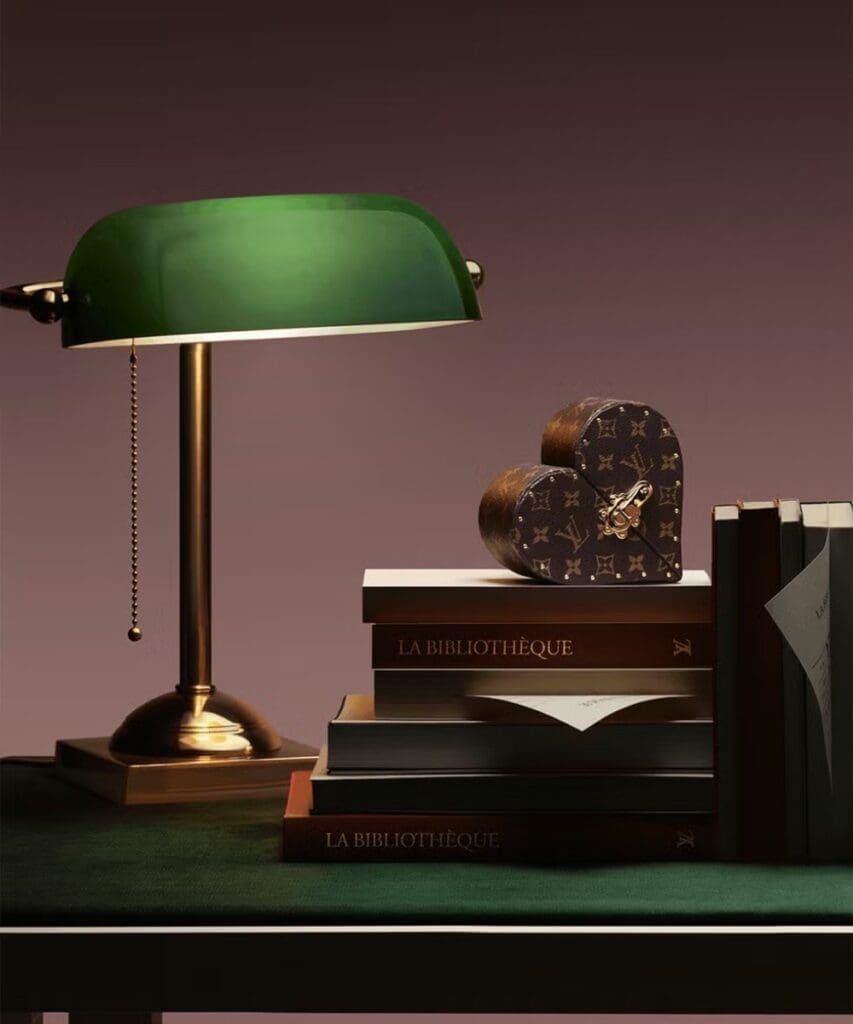
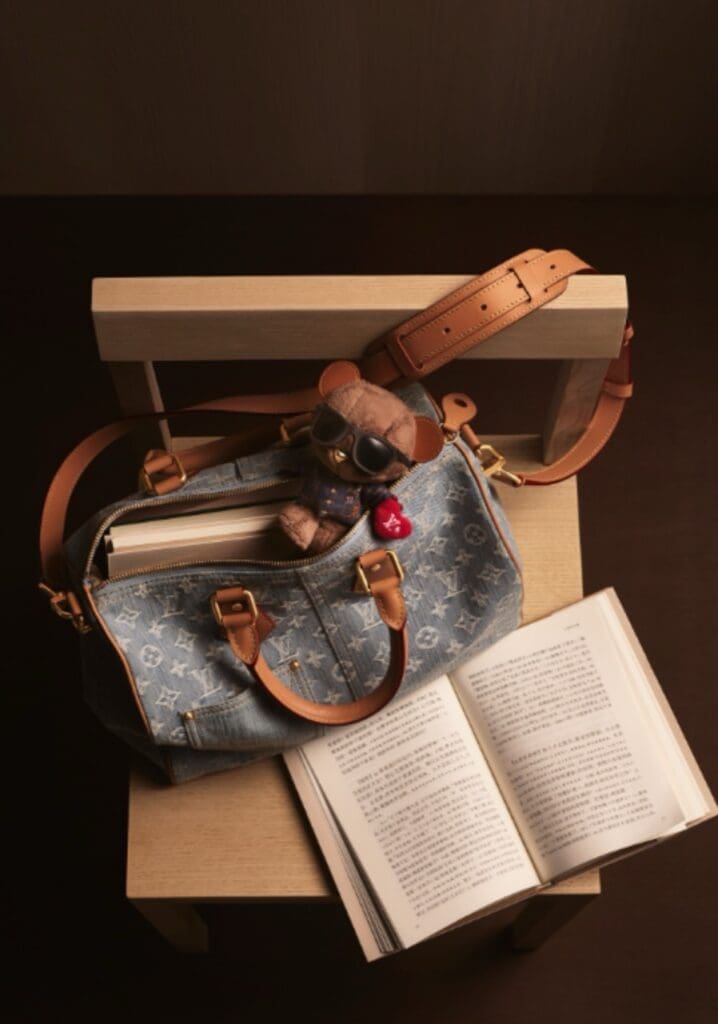
Louis Vuitton’s “La Bibliothèque” (Library of Sentiments)
The fashion house launched an immersive retail campaign that transformed existing luxury spaces in China into library-themed environments. By displaying products naturally among bookshelves, the theme celebrated the romance of love notes while showcasing exclusive Qixi edition pieces and an expanded gift collection. This approach successfully bridged personal and cultural sentiments with a compelling reason for elevated consumption.
The three campaigns are connected by the recognition of the need for a creative strategy tailored to the holiday, by treating Qixi as the important cultural and emotional occasion it is, which also “happens” to be an important time for purchasing gifts for others or oneself.


Participation and consumption
An indicator of Qixi’s importance is the number of luxury brands that participate each year. Almost every major international luxury house ran a dedicated Qixi campaign in 2026, which is a level of participation that Valentine’s Day and 520 don’t consistently draw from the same tier of brands. With 22% of the global luxury goods market bought by Chinese consumers, luxury brands understand the importance of this demographic, and Qixi is now often treated as a non-negotiable moment in the China marketing calendar. This is also reflected in sales spikes during the period.
Over 70% of consumers plan to purchase gifts for their partners during the Qixi Festival, driving increased sales across a variety of consumer categories. Meanwhile, 30% of festival-period purchases of jewellery and beauty products are self-gifted by women.
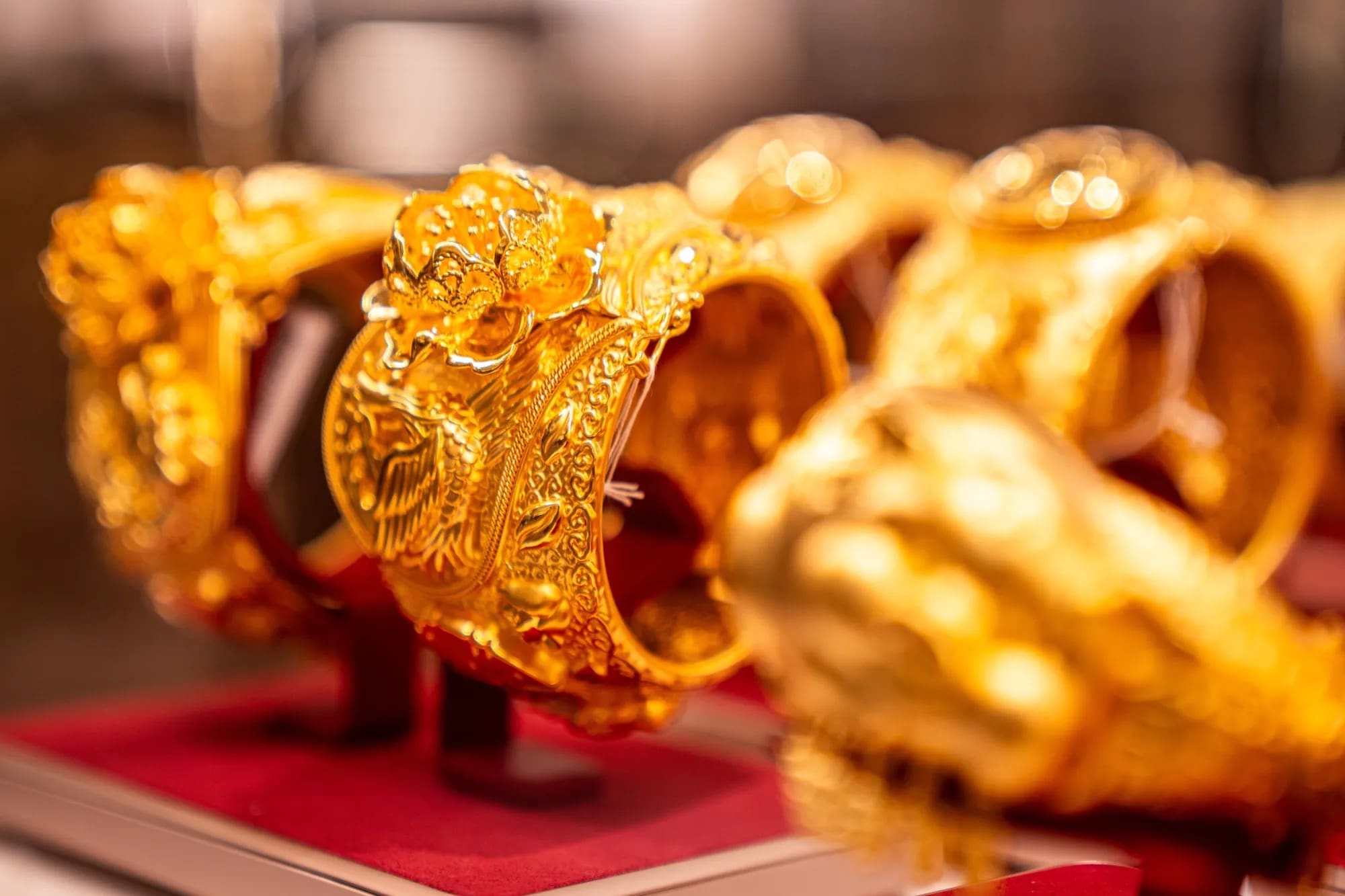
This drives massive spikes in consumption, with platforms like Tmall and JD.com reporting gift sales jumps of 120% YOY, while the most popular categories for the period, like gold items, increase by 255%.
The TONG Take
- Qixi has become one of the most commercially important dates in China, dominating the other two popular days celebrating love.
- This year’s strongest campaigns prove that brands willing to take a creative risk, or lean into cultural fluency, are the ones consumers gravitate towards, remember, and purchase from.
- Discerning Chinese consumers can spot a Qixi campaign that’s been localised on the surface, but not genuinely understood – borrowed motifs and culturally deaf themes can create issues for brands and threaten credibility.
- Tackling the risk of seeming ingenuine looks harder from the outside looking in – this is where a bicultural agency can help, building the strategy from inside both markets, holding together cultural reference points, consumer psychology, and product story.
Whether done by international or Chinese brands, Qixi marketing is no longer simply about romantic love. Instead, it increasingly reflects how Chinese consumers today understand love, intimacy, and gift-giving. Changing attitudes towards relationships and consumption are reshaping both brand storytelling and the criteria by which consumers judge whether a campaign has truly succeeded, leading to their final consumption verdict.