



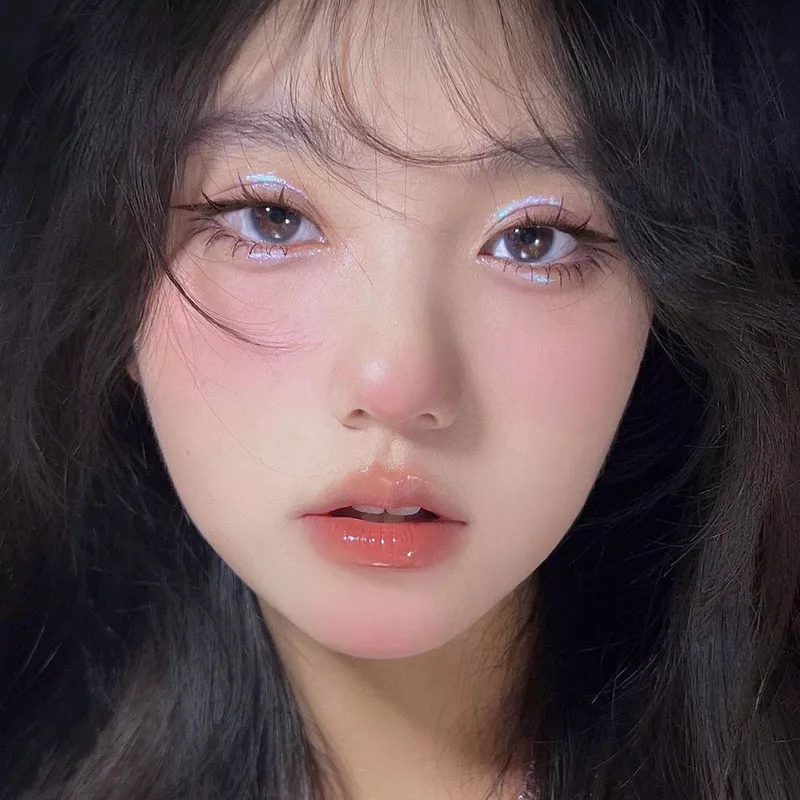

“I’m sorry, but what is this?” – so goes the catchphrase of Mirta Miler, also known as Mimiermakeup, a top international beauty influencer who shares snappy 1-minute videos showcasing various makeup trends to her 17.5 million TikTok followers.
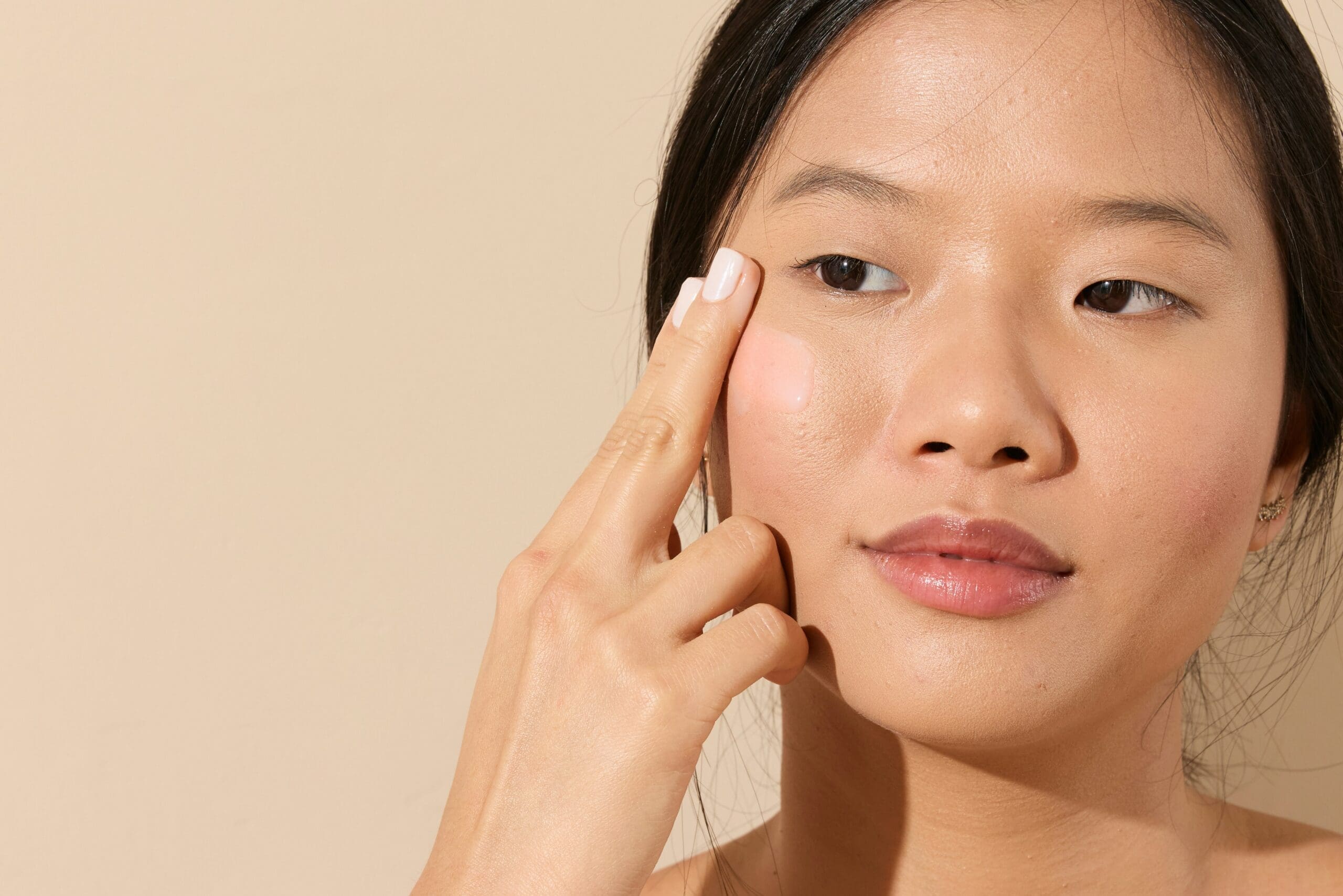
In this particular post, the 25-year-old Croatian content creator gestures in campy disbelief to a beautifully lit selfie of a young Chinese woman’s impeccably made-up face. “It’s a work of art!” she exclaims, with the overdramatic flair that has made her a celebrity of the global BeautyTok community, “I just need to try it on my face!”
A series of subsequent quickly-cut clips depict the many products and steps being applied. “The Douyin makeup girlies’ skin is always super glowy,” she observes, while patting her cheeks with a dewy moisturising primer from SheGlam – a cosmetics brand launched by globalised Chinese e-commerce giant SHEIN – to emulate the look.

Dubbed ‘Douyin Makeup’ by Western content creators, this is the first C-Beauty trend to go viral internationally, offering a worldwide window into China’s evolving style culture and its realm of self-expression. Derived from styles popularised by livestreamers on Douyin (the domestic Chinese version of TikTok;
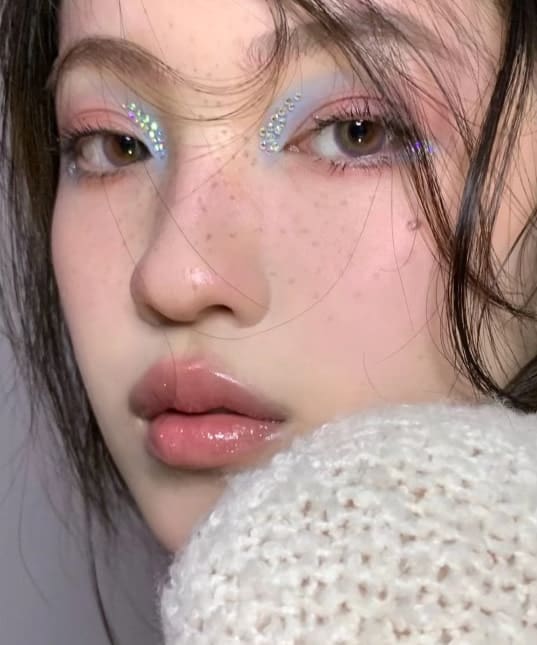
Both are owned by Beijing tech giant Bytedance), this distinctive makeup look is characterised by dramatic eye contouring techniques, glittery luminescent eye-shadow, softly blurred lip colour, generous cheekbone highlighter (高光) and doll-like clusters of long individual false lashes (长睫毛).

The cultural export on social media of ‘Douyin Makeup’ comes at a time when domestic Chinese cosmetics trends and brands are experiencing a market renaissance on their own turf as younger users increasingly find style inspiration in their own unique experiences, heritage, local culture and media – turning away from the now-outdated notion that ‘foreign is better’ when it comes to style, a consumer phenomena oft referred to as guochao, or ‘national pride’.
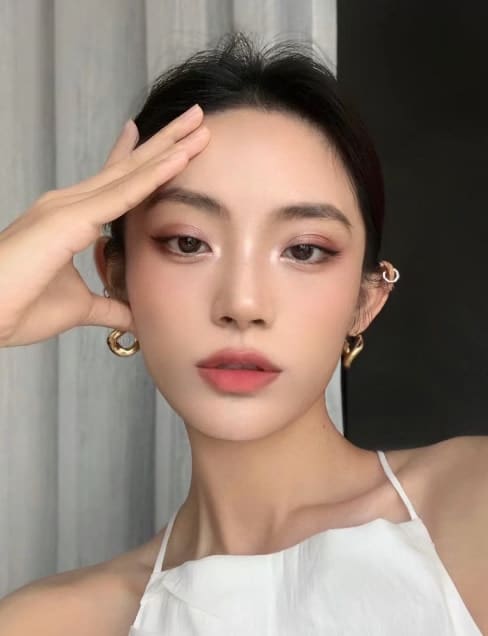
In the beauty space, this delves further than just skin-deep. Cult Chinese brands and products tap into the need for makeup techniques that both complement Asian features and reflect East Asian beauty standards and aspirations, such as more rounded facial structures, glassy skin, unarched brows, and bright accentuated eyes).
As these consumer priorities and sentiments shift, the market evolves alongside it. Cosmetics and personal care in China, now valued at 35 billion GBP, has been aggressively saturated at the premium level with Western and international brands for many years, leaving less room for domestic players to grow into.
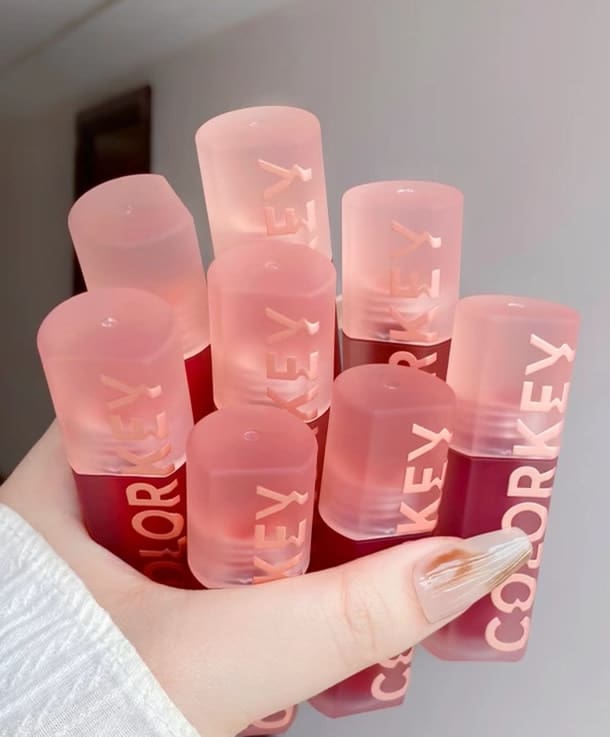
Now however, domestic startups are flourishing like never before. Driven to innovate and differentiate by the long-established hyper-competition of the space, and riding the wave of a new cultural climate, brands like design-conscious Judy Doll and eco-friendly LAN Time are capturing the zeitgeist.
“[In the past], I had a preference for Korean and Japanese makeup, but now my favourite is Chinese makeup. Chinese brands are doing amazing things, and I want to try every single one,” says Laura, a beauty and lifestyle KOL. “They make cosmetics which are suitable for Chinese people.”
With its glamorous feminine aesthetic, the ‘Douyin Makeup’ look draws considerable inspiration from Chinese television and stage makeup. Stars of contemporary lifestyle TV shows, as well as traditional makeup inspired from dynastical historical dramas have formed a source of inspiration for Laura and many other makeup fans: “I was first attracted to beauty and makeup from watching TV shows as a kid.
I wanted to learn how to do makeup looks just like the characters.” The specific techniques used in the ‘Douyin Makeup’ trend also reflect a merging of cultural influences, combining Chinese elements like straight ‘skinny’ eyebrows and doll-eyes, with the gleaming highlighter of Western contouring styles, the exaggerated glitter of music festival looks, and K-Beauty inspired ‘gradient’ lips – a telling example of how the guochao craze is not as simply defined as a rejection of global influences in favour of newfound nationalistic fervour.
Rather, it’s an awakening to contemporary Chinese culture and experience taking their own place of prominence alongside globalised trends and influences – driven by the young Chinese who advocate an indigenous personal style that is all their own; one which draws influence from international sources rather than being dictated by them. “When I apply makeup, I can feel what power or value this style brings to me. Makeup is about empowering self-acceptance and self-recognition,” shares Quinn, a Gen-Z content creator.
Connecting to this consumer mindset has been key for high-growth C-Beauty brands who have captured the market by tapping into cultural trends, an emphasis on creative self-expression, and demand for products which are both high-performing and accessible.