










It was not long ago that Chinese mothers would still follow the traditional postpartum practice: “yuè zi,” which literally means “sitting the month.” It’s a 30 day confinement after giving birth, during which mothers are instructed to stay indoors and refrain from taking showers or washing their hair.
Of course, the way people take care of themselves and their children are changing. When millennials and GenZ enter new chapters of their life, the internet is a natural port of call for parenting tips. Compared to their parents, they are more rational and adventurous.
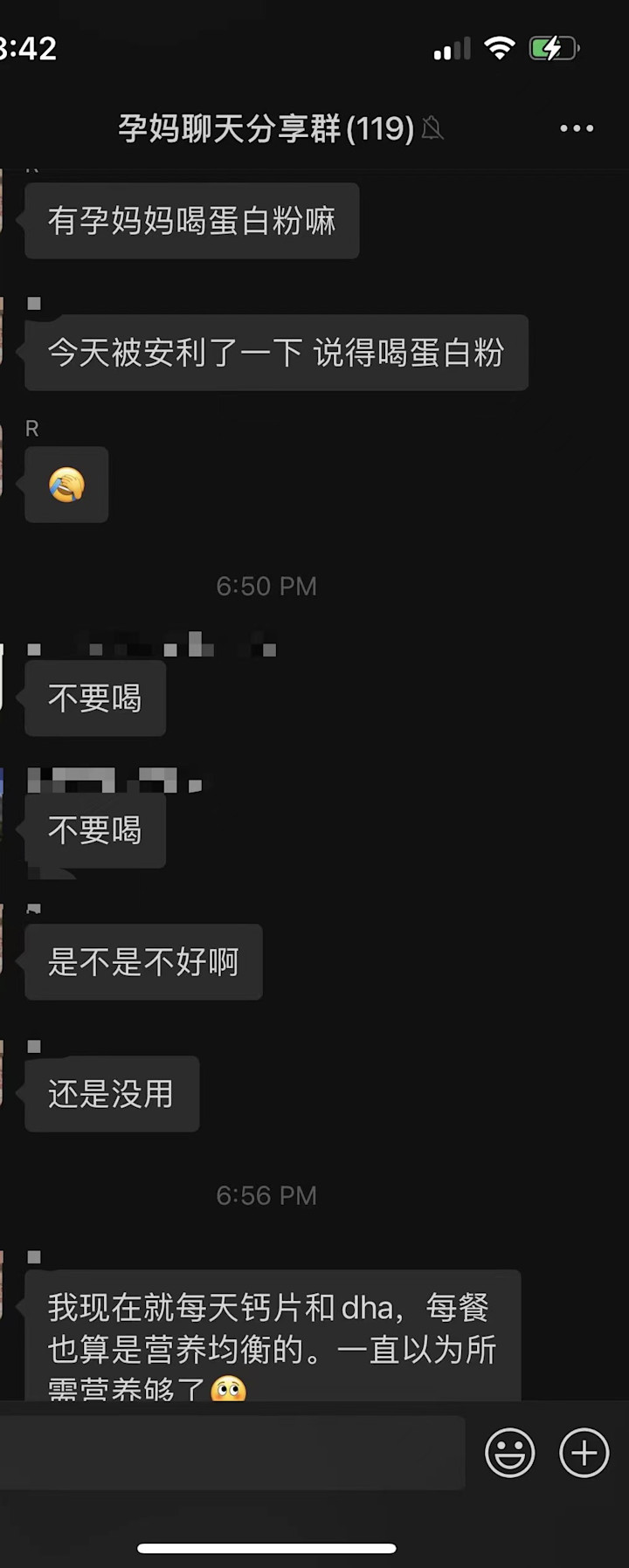
Wenchen shares a screenshot from her “Pregnant Mothers” WeChat community group: “can anyone advise on whether they have taken protein powder whilst pregnant?” “Right now I’m taking calcium supplements and Omega-3 and making sure each meal is nutritionally balanced, I’m wondering if that’s sufficient?”
Wenchen (Shanghai, gave birth in January) was pregnant during the 2022 Covid lockdown, when she was isolated from her parents and her in-laws. As a result, she turned to Dr.Pei, a gynaecologist/KOL doctor’s public WeChat account when she needed medical advice. The hospitals and baby care centers also set up WeChat groups so specialists could stay in touch with their patients despite of COVID restrictions: “In the hospital group, our dates are very close. The conversations are really active.
Thanks to them, I saved a lot of time and money from buying useless stuff,” Wenchen says as she noticed that group members really value the advice of those that gave birth earlier. They are treated like mini influencers on parenting knowledge and baby care products, and not surprisingly, emotional support:
“In December 2022, almost everybody I knew got COVID because China suddenly ‘opened up’. In WeChat groups, we would cheer each other up and do a daily check in. It’s really comforting knowing I am not fighting my late pregnancy fears alone.”
Likewise, Ling, who lives in Shanghai, thanks her neighbors for helping her buy her son’s nappies during the two-month lockdown. “Everything was carried out in WeChat, a mother in our building organised a group-buy. We helped each other out, I have no idea how things would have turned out without these people.” Her son turns two this April.
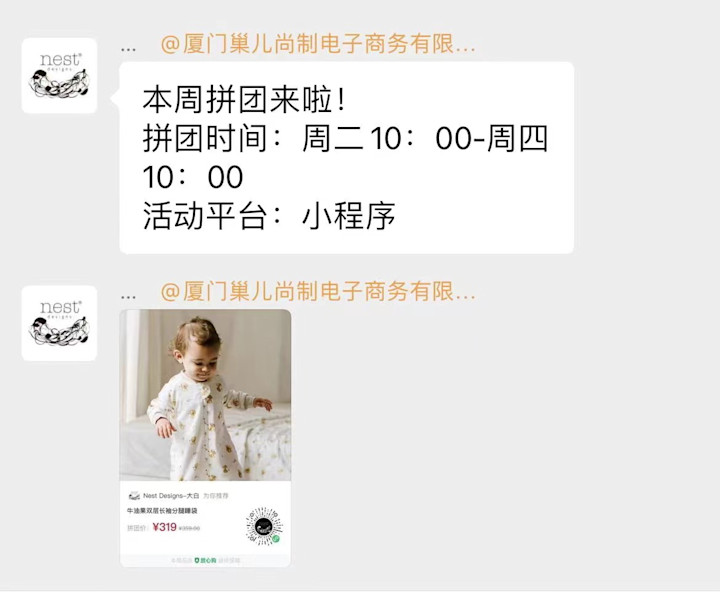
With China’s infant care market valued at £480 billion, brands are also trying to reach consumers through WeChat and Red: “My go-to app is RED, it’s where I find parenting knowledge and a community of like-minded people.” Ling elaborates, “I prefer to listen to what real mothers say, especially when it comes to the experience of new things.
For example, I think kids should be exposed to the natural environment so they can grow up healthier. I found a place that offers ‘messy play’ in Shanghai, it’s a real new thing but many mothers say it’s great so I took my son there. We had great fun. But my father said his blood pressure rose when he saw the children playing with mud!” Ling laughed out loud.
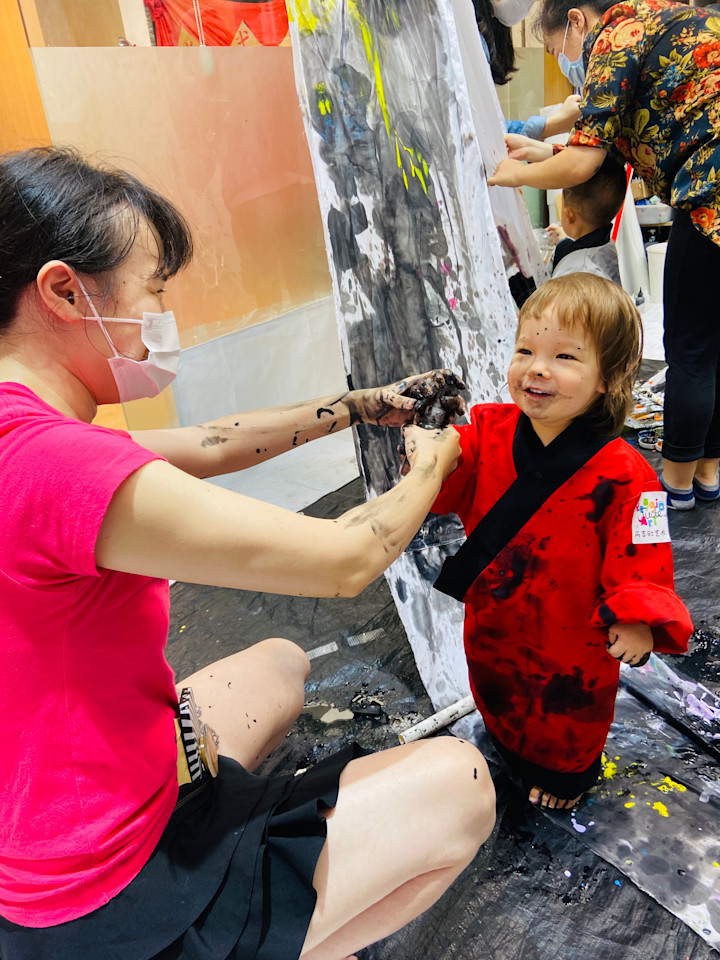
Messy Play is advertised as important for infants' brain development, from coordination skills to enjoying their food and being less reactive to clothing texture. Messy Play centres provide parents with an opportunity to let their children play and get messy without the stress of having it clean it up.
Likewise, Alice (Guangzhou, with a four year old son and expecting her second child), is keen to take her kid to explore nature as much as she can. Parents like them will go to great lengths to make up for the lockdown and daily PCR tests during the pandemic outbreak in China, so that their children can enjoy a “normal” childhood. “I think before 2020, I would want him to spend more time with other kids and have fun. But now, our family will explore different parks and beaches to be closer to nature.”
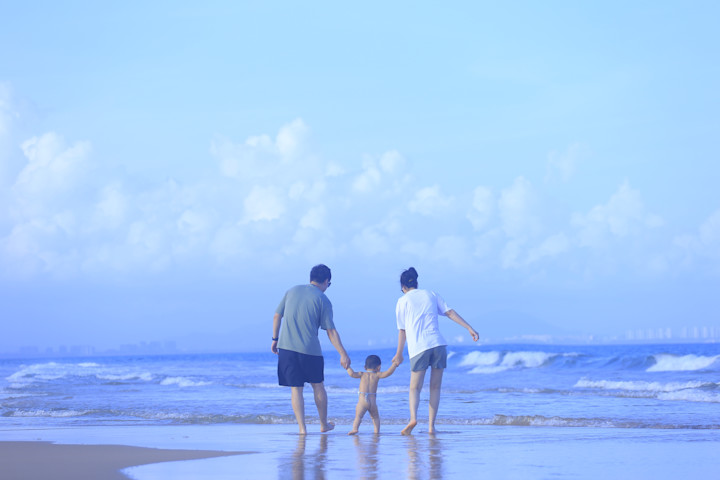
Although younger parents are unafraid of “getting dirty,” they do maintain some elements of China’s traditional parenting wisdom. For example, they are both extremely cautious and over indulgent at the same time. Alice shares that her family prepares all the baby meals from day one to avoid processed food, following recipes from parenting KOLs on Red, WeChat or Dingxiang Doctor, whilst Ling admits to splurging on her Montessori furniture collection and expensive ‘baby theater’ tickets.
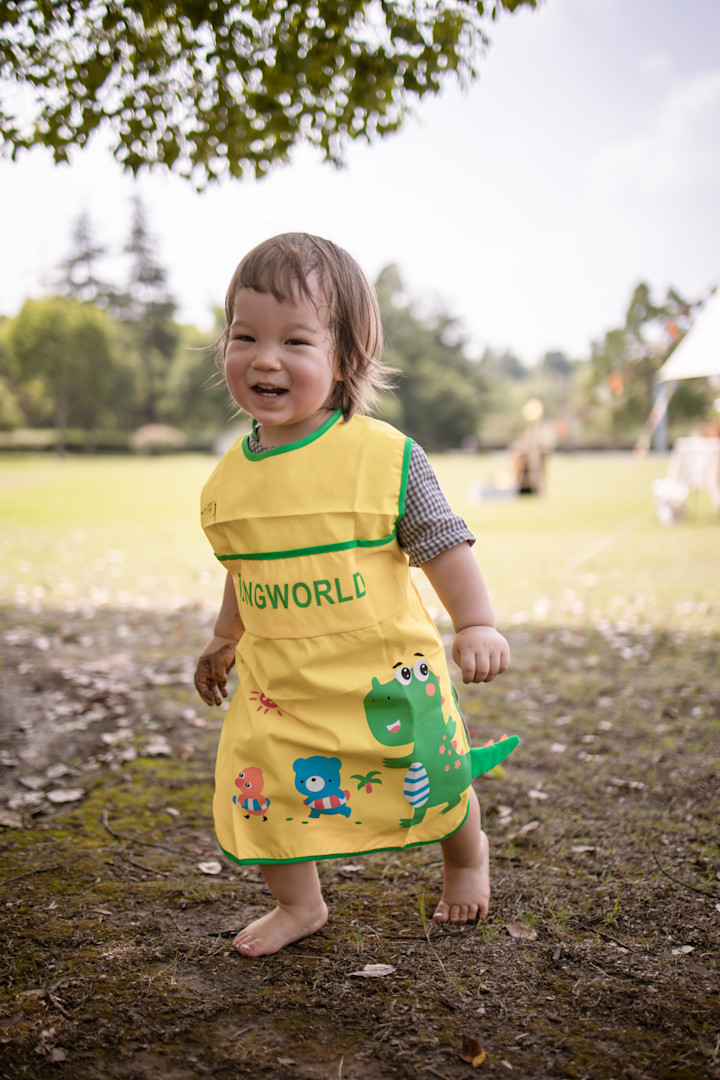
Whilst China’s generations of painting ideals differ, they still respect and trust each other. Alice says her parents have never challenged her way of parenting, “the way they took care of me was different, but we all wanted the best for our own children.”