







Guochao 3.0
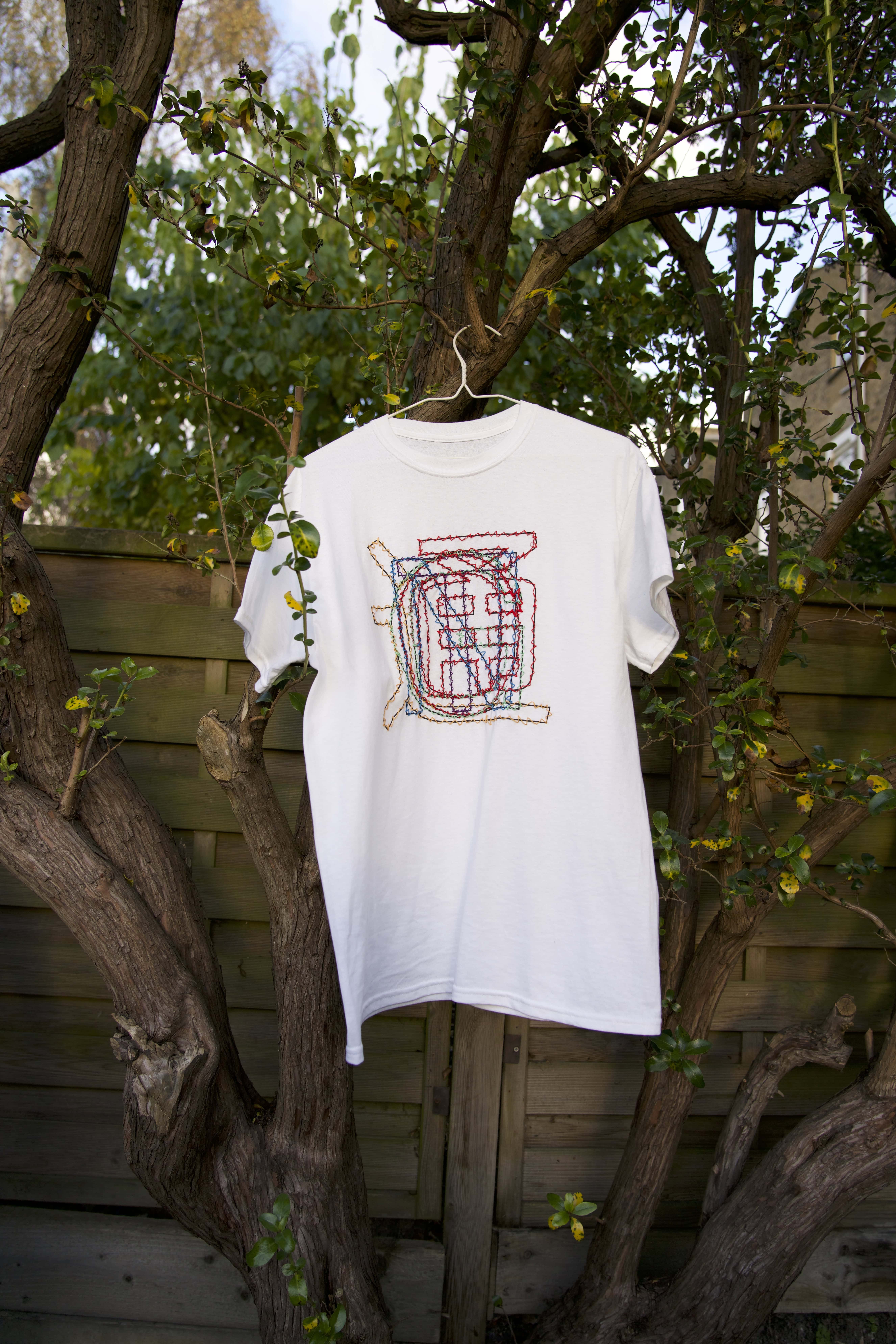
Guochao is evolving, and it can be hard to keep up. From Guochao 2.0 in the 2010s, which elevated the trend from 1980s nostalgia into designer fashion, to this decade’s Guochao 3.0 that introduced us to “New Chinese Style”, intangible cultural heritage (ICH) marketing and Labubu, Guochao is giving new life to “China Chic”. Now, as we enter the Year of the Horse, we take a look at three brands that demonstrate how Guochao has transitioned from a passing trend into a market fundamental.
DOCUMENTS: Using Chinese Traditions to Reach New Audiences
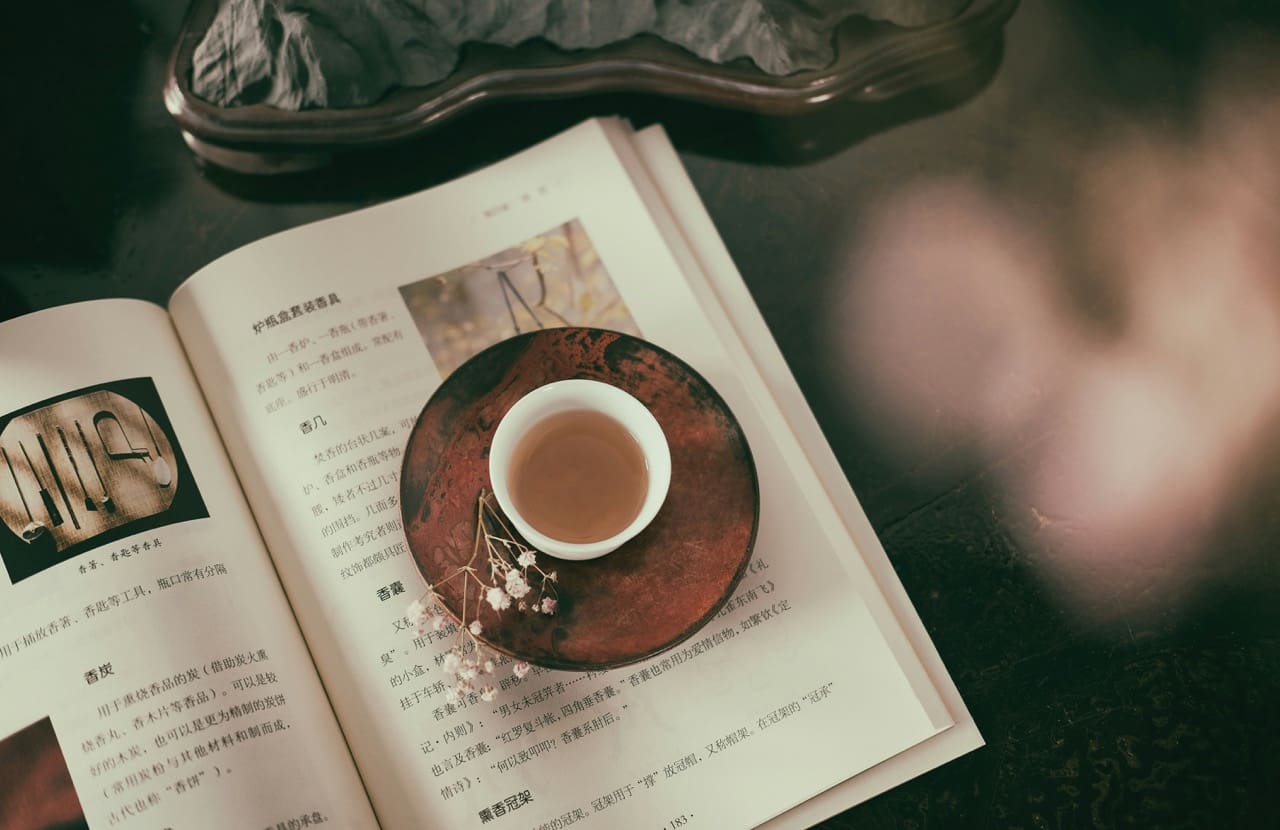
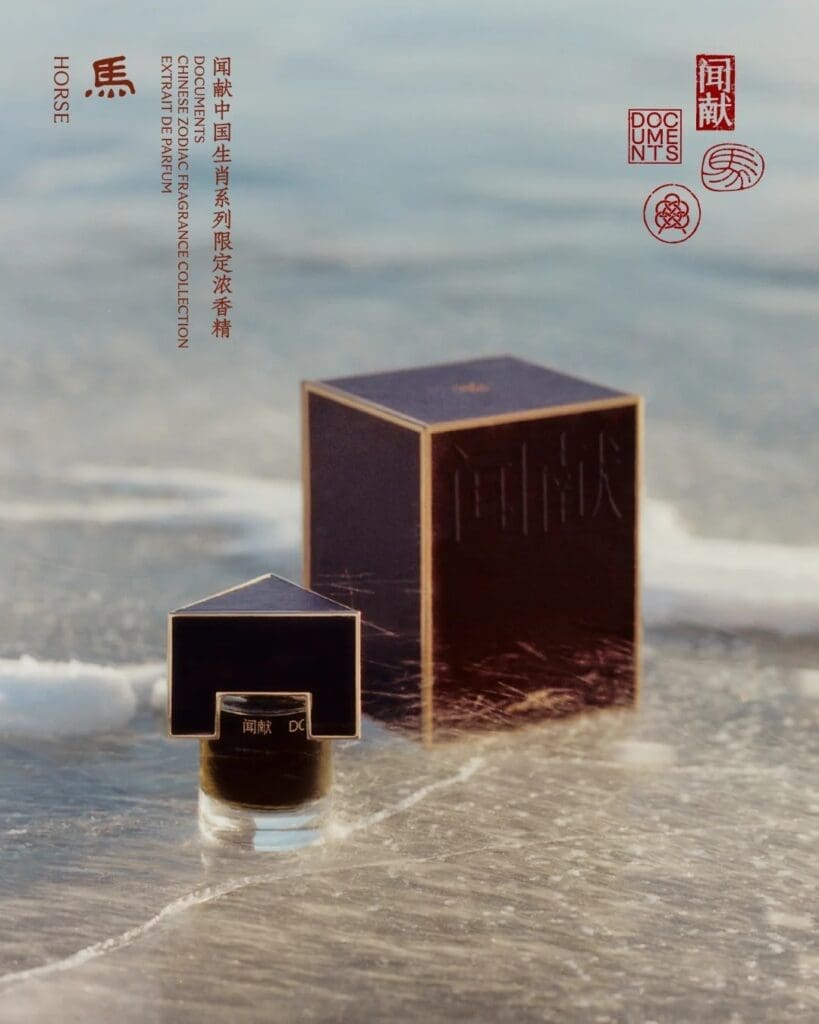
The Chinese fragrance house DOCUMENTS (闻献) has long been one of the most celebrated “New Chinese Style” labels. This L’Oréal invested brand offers perfumes in the mass to premium range, reaching around 2,000 RMB at the top end, and boasts concessions at high-end department stores next to Dior and Chanel, charting a path to quickly close the gap with global luxury brands. With 50% of its customers belonging to the post-90 generation, a per-customer transaction of over 1,800 RMB and a repeat purchase rate of 60%, DOCUMENTS has built brand loyalty through its blend of luxury positioning and calls to Chinese heritage and culture.
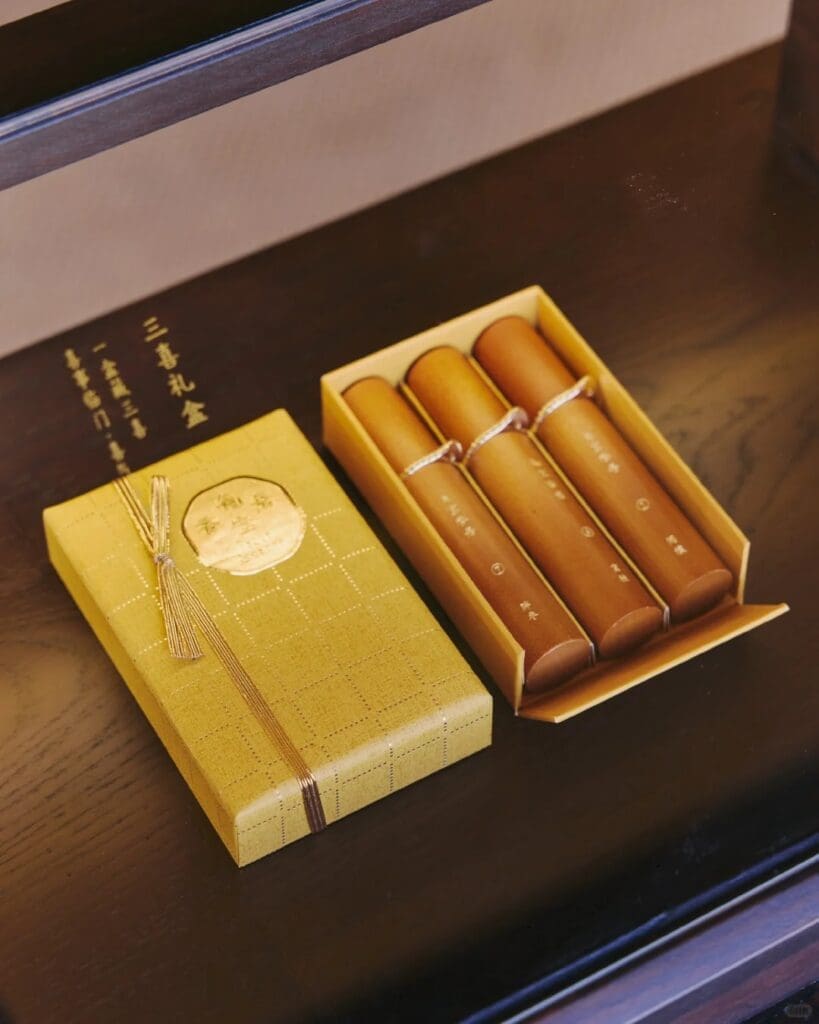
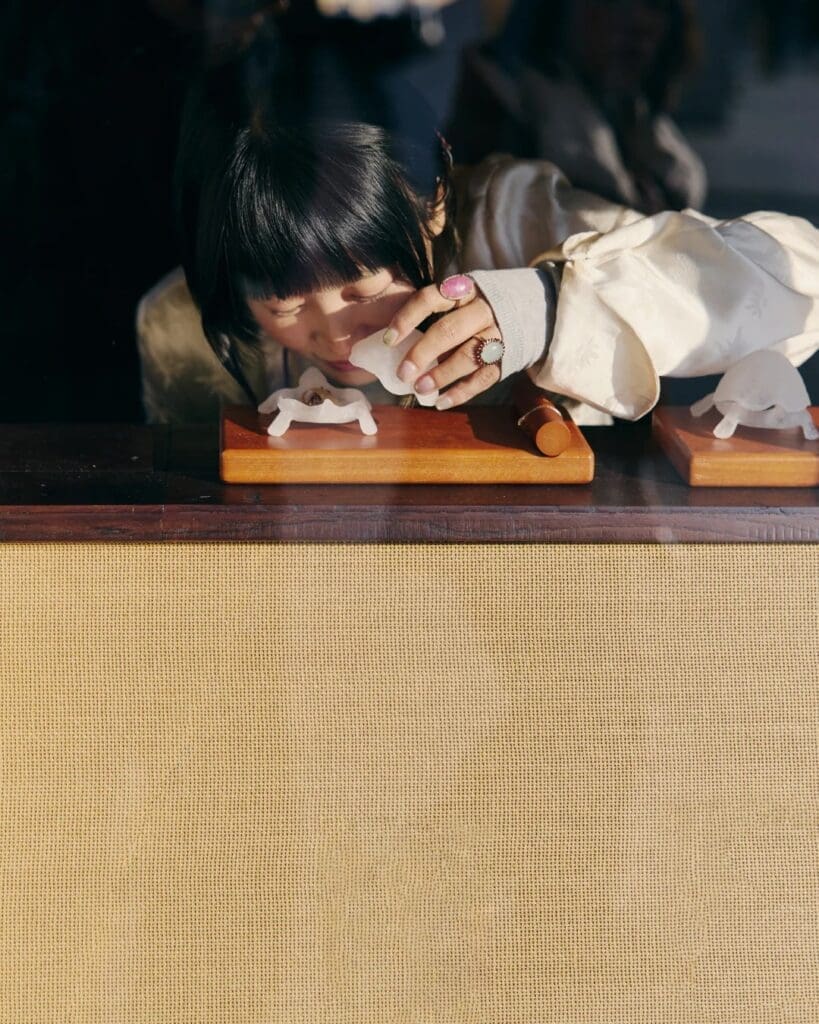
At the end of last year, the premium fragrance brand launched a stick incense sub-brand, Peace Incense. With a more accessible entry point at 35 RMB, the incense line stays close to the brand’s heart in Chinese aesthetics and traditional craft – but widens the appeal to a much wider audience, without dilution of the core brand. A pop-up space was also launched at Gate M at Dream Centre West Bund near Long Temple, DOCUMENTS’s flagship concept space. This pop-up focuses less on the products and more on the artisanal work that went into their production – following the DOCUMENTS formula of combining its “CHANKU” (zen and cool) core value with storytelling built on traditional craftsmanship and immersive spaces.
The success of both Peace Incense, and DOCUMENTS’ continual innovation and appeal to Chinese aesthetics including through their sell-out Zodiac ‘Horse’ limited edition fragrance, mean that this is one to watch this year to learn more about the latest interpretation of Guochao.
-
- Source: DOCUMENTS on Xiaohongshu
Herbeast: TCM Meets Premium Beauty
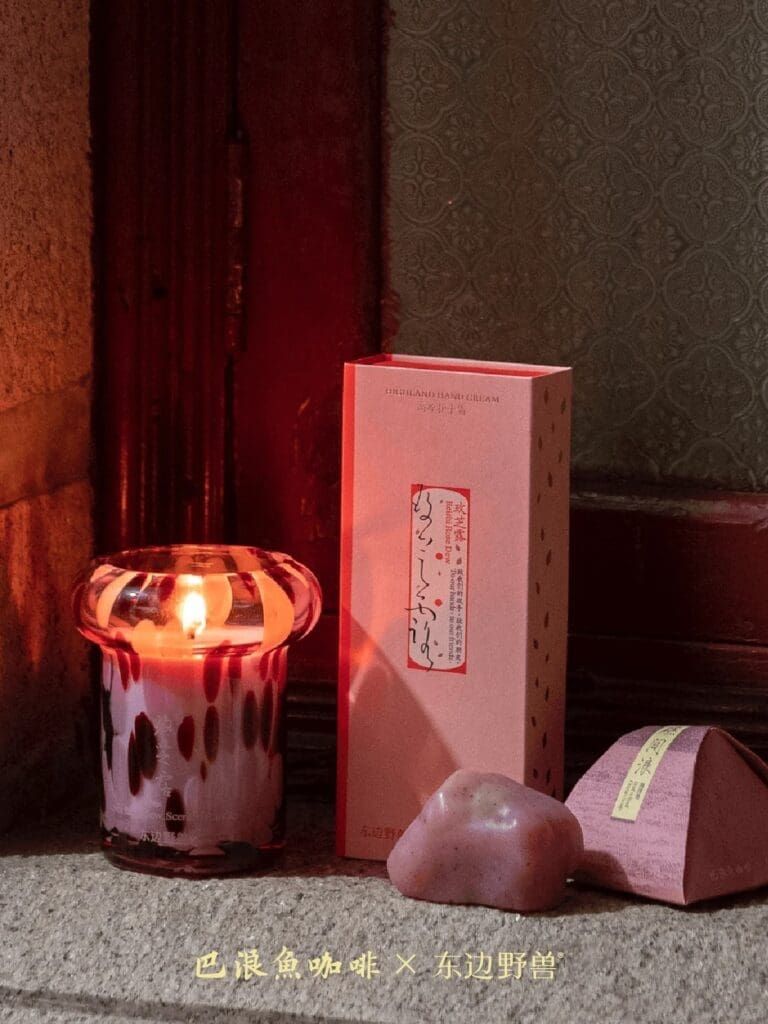
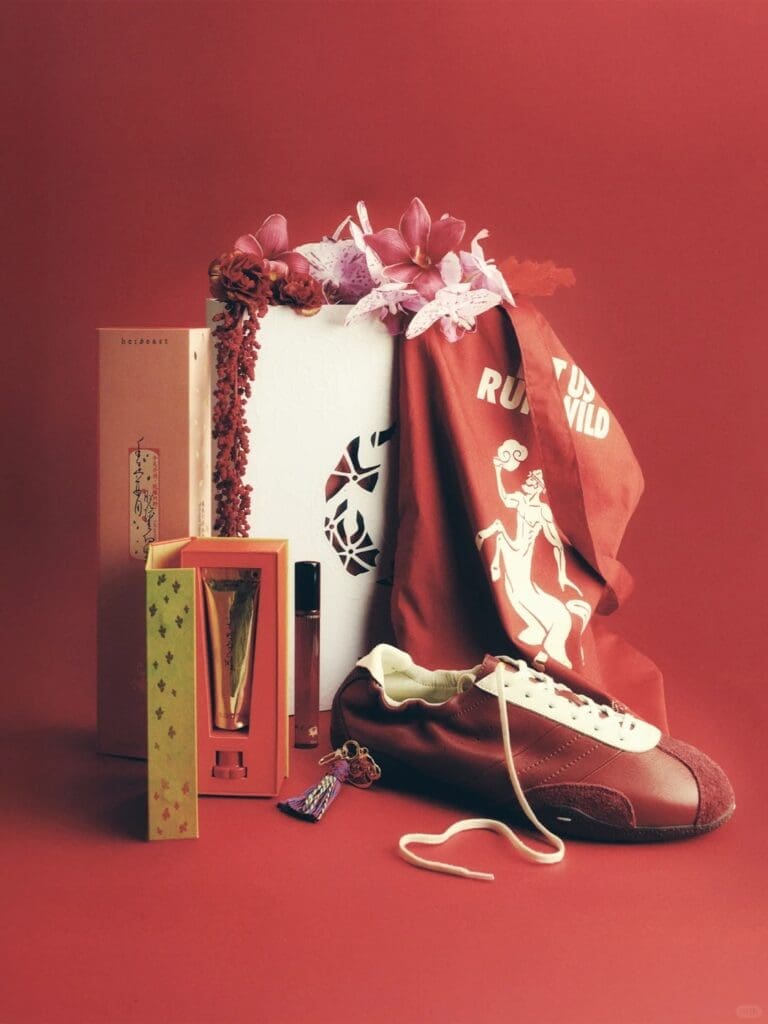
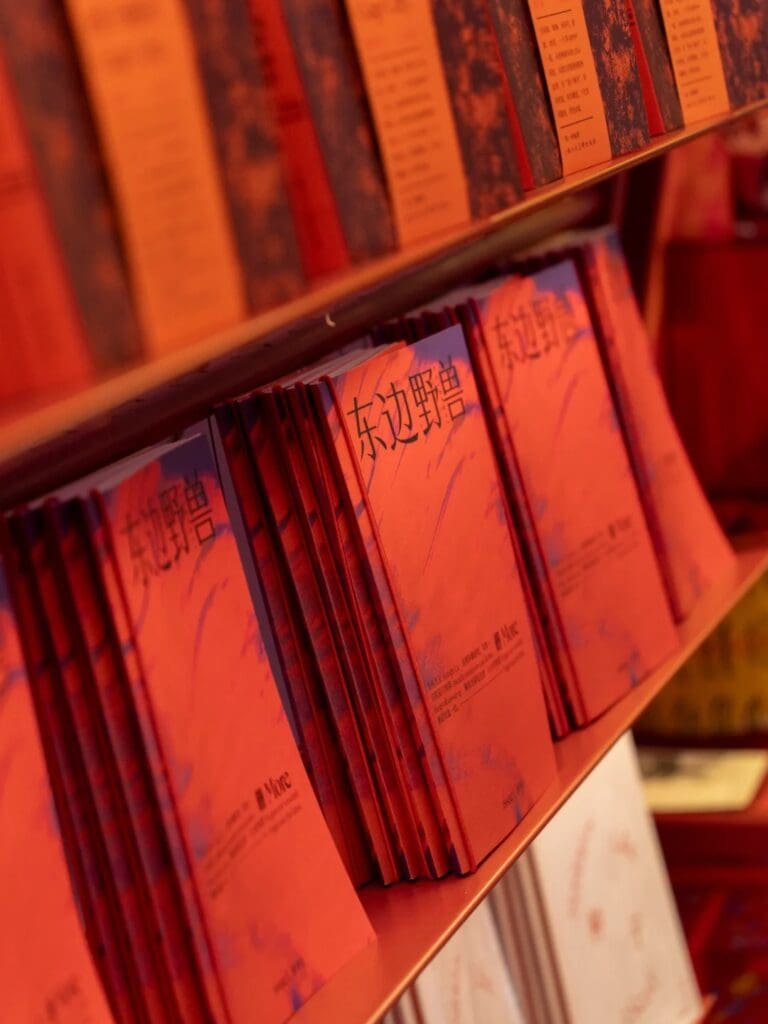
Herbeast (东边野兽, whose English name is a play on “Her Beast” and “Herb East”) is a Chinese high-end clean beauty brand that highlights its use of botanical ingredients from Traditional Chinese Medicine (TCM). Like DOCUMENTS, Herbeast recently entered Sephora during the LVMH-backed retailer’s push to include more C-beauty brands.
With the wellness craze in China, TCM ingredients have been in vogue recently – in particular receiving widespread acceptance in the food and beverage sector. Herbeast has successfully applied these ingredients and principles to high-end skincare and focusing on female-focused lifestyle messaging, simultaneously riding contemporary consumer trends and creating a deep connection with an ancient Chinese practice.
Using brand zines to connect more intimately with its customer community, it consistently creates space and time for customers to move beyond a surface level understanding of the brand. The label is now moving from an “insider” secret to the mainstream with its Sephora entry and high-profile collaborations with Chinese designer trainer brand PANE and Local Fish Coffee (巴浪鱼咖啡) in Quanzhou. These initiatives channel street fashion and regional tradition with a niche cool factor.
Added to its ‘Guochao’ credentials, the brand’s stylish design and confident voice are contributing to its rise and rise – with 2026 shaping up to be another successful year.
-
- Source: Herbeast on Xiaohongshu
Adidas: Localising to Ride the China Wave
Adidas continues to be one of the most successful global brands in China – and has seen revenue growth in the market for ten consecutive quarters. Part of this recent momentum has been born from the brand’s ability to tap into ‘Guochao’ despite not being a native Chinese brand.
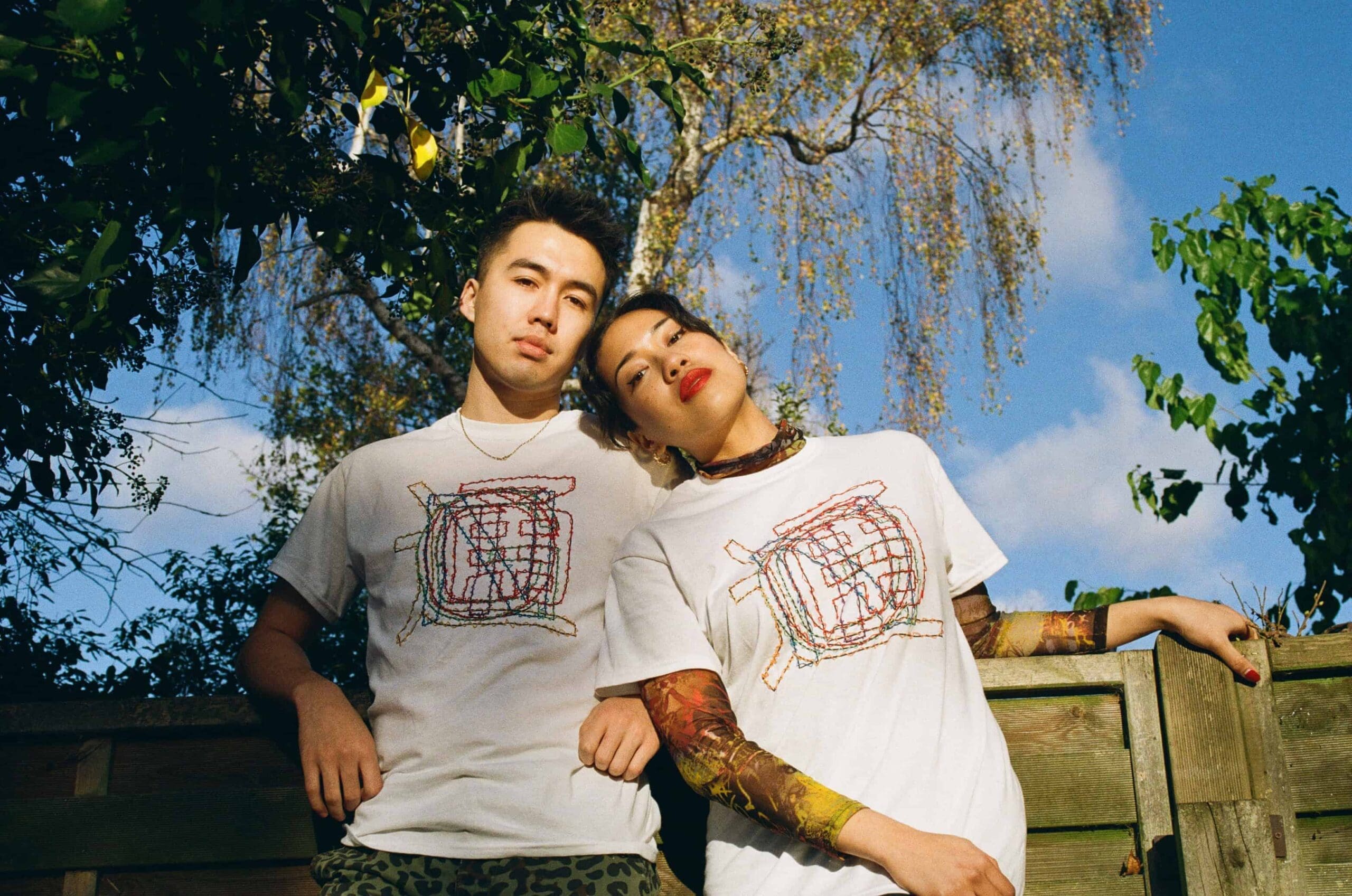
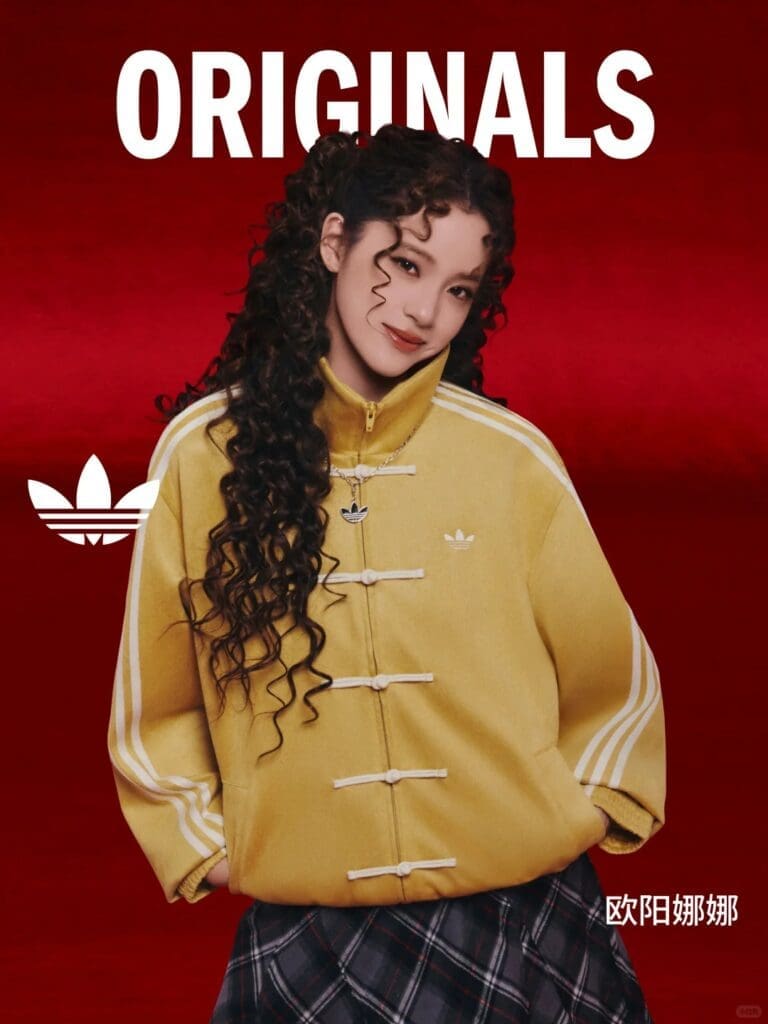
As a case in point, this year’s Adidas Originals Lunar New Year limited series went viral on both Chinese and Western social media. The collection featured a full “New Chinese Style” ranging from traditional frog closures to Mandarin jacket silhouettes. This new annual series takes Chinese influences to the streets, combining fashion with practicality.
Through this innovation, Adidas marries its sport and street fashion heritage with Chinese elements and speaks to the Gen Z consumer cohort in their own language. Addidas is – as the traditional Chinese saying goes – a foreign monk knows how to pray. Adidas’s success is at least in part thanks to its Creative Centre in Shanghai, where a majority of the staff are local hires who bring on-the-ground perspectives to planning across range planning, marketing execution, and sales strategy.
This innovation was first trialled in South Korea, where since 2024 the local branch of Adidas has been operating with more autonomy, resulting in creations aligning closely with Korean fashion and trends. Encouraged by this success, the German brand granted the same creative independence to its Chinese subsidiary, aiming to bring together “Made in China” and “Designed in China”. This positioning of their in-market team as a unique strength has furnished their Guochao credentials, and allowed them to ride a trend far more closely associated with their domestic Chinese competitors.

-
- Source: Adidas on Xiaohongshu

What Brands Can Learn
Each of these three campaigns called on a different element of the ‘Guochao’ trend to connect with their audience, and tell their brand story.
- Traditional craftsmanship can command a premium price. Pride in Chinese production – especially of traditional products – is a powerful tool to leverage. DOCUMENTS successfully integrates modern Chinese aesthetics through its “zen and cool” mantra with these more traditional elements, showcasing how new and old can combine.
- Trends can cross sectors when employed intelligently, and in combination with strong core brand messaging – as demonstrated by Herbeast’s TCM positioning alongside design-led creativity, and a clear focus on its target audience.
- Embracing Chinese talent provides a path for global brands to take part in Guochao – and reap the commercial rewards. Adidas’s trust in its local team shines through, and the embrace of Chinese culture both feels authentic, and speaks to the confidence the brand has in its fundamentals.
Together, these examples show that Guochao has moved beyond a passing trend and become a defining force shaping how brands operate in China’s consumer market.