







Launching the 'HeyCard'
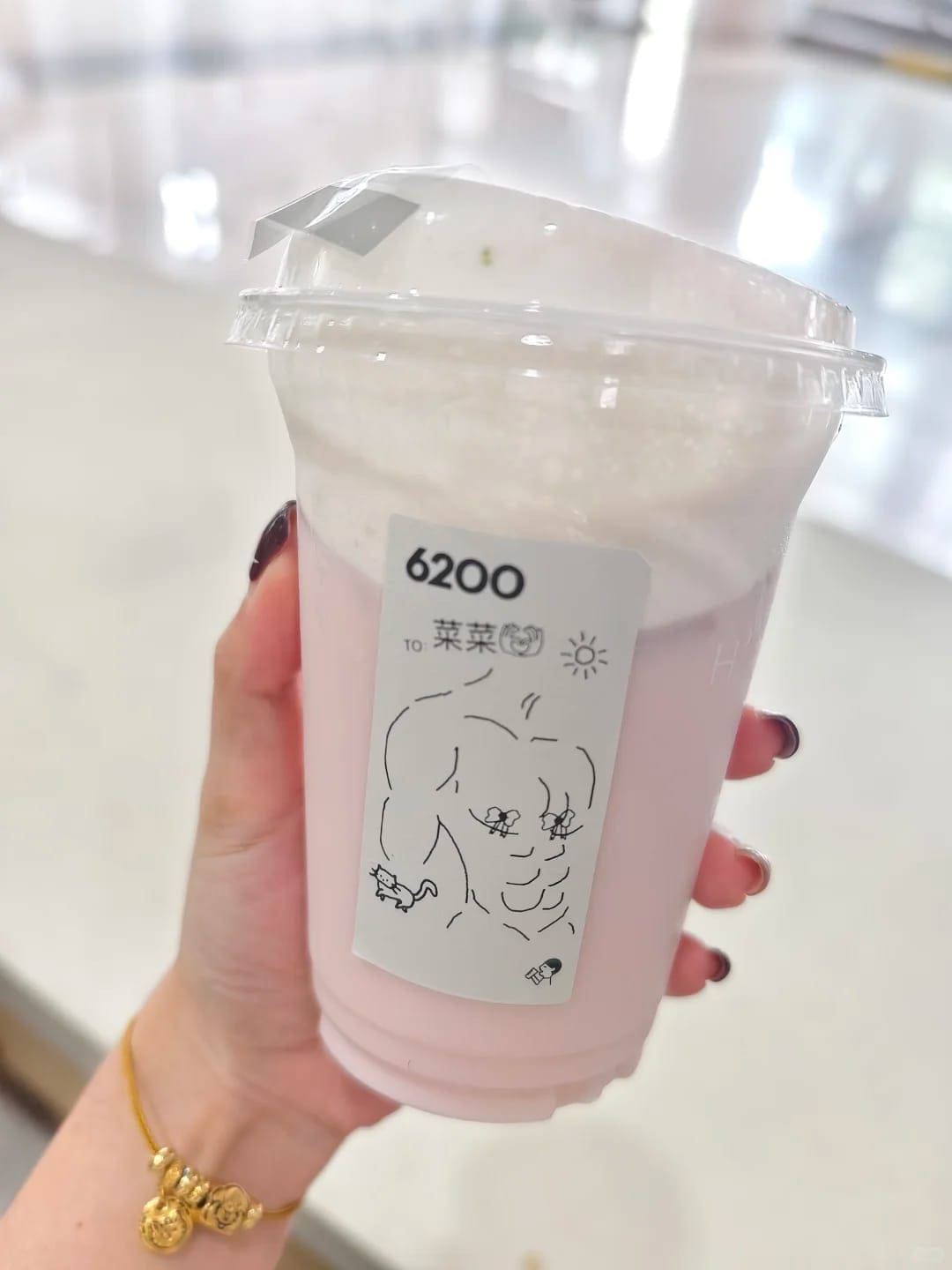
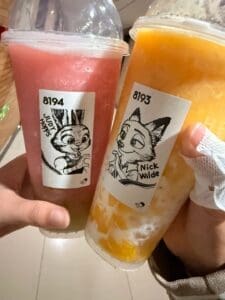
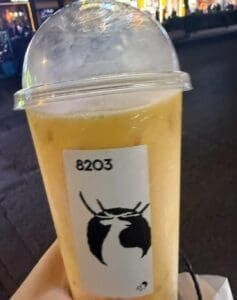
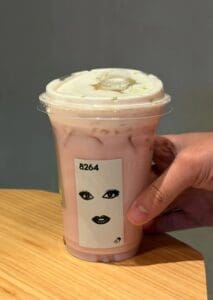
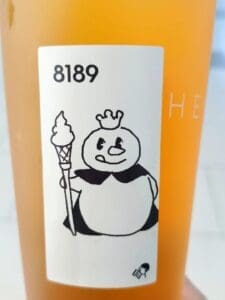
HEYTEA invites consumers to co-create content: when ordering your beverage of choice via HEYTEA’s WeChat Mini-Program, users can use the built-in ‘Inspiration Creation’ tool to design their own cup stickers, called ‘HeyCard’. These personal, user designs are then printed out and can be stuck on the take-away drink container.
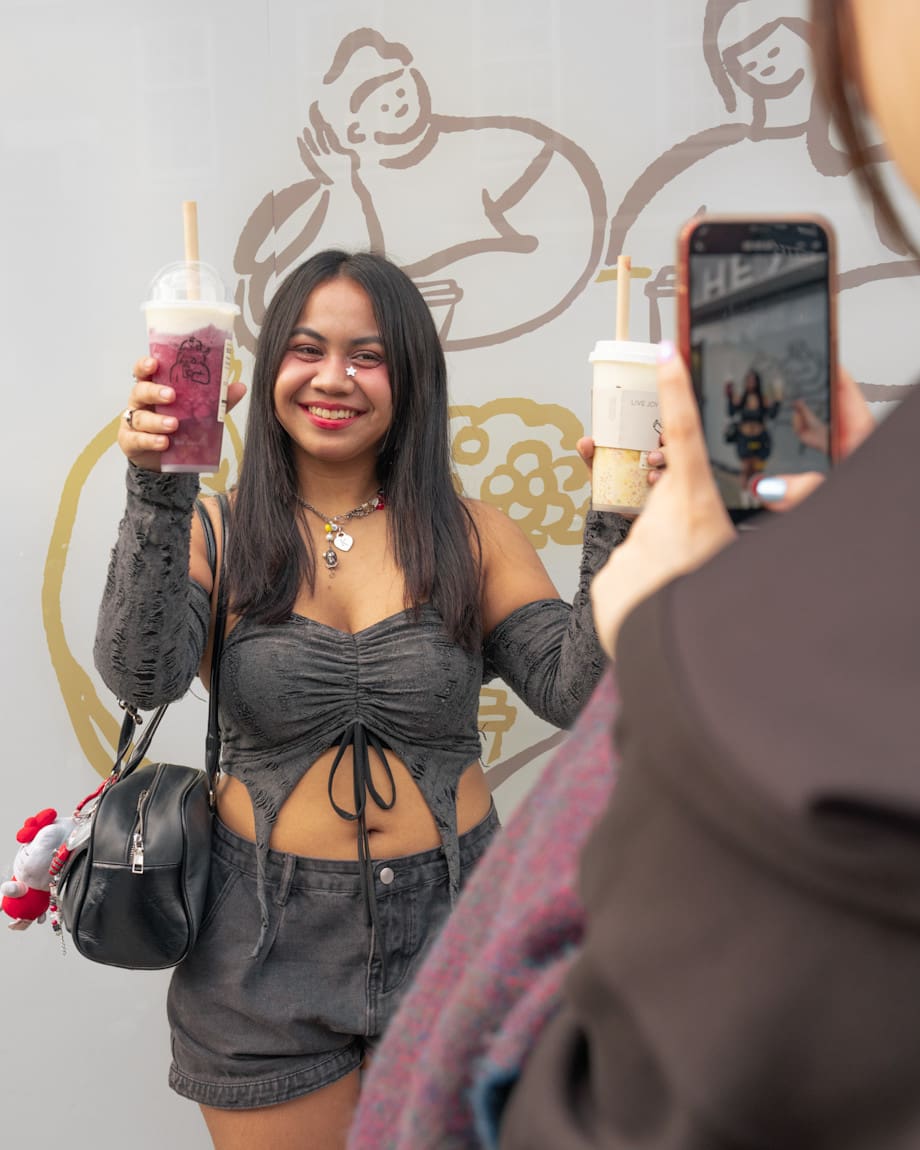
This initiative has sparked a nationwide creative frenzy. Consumers have produced an enormous volume of creative HeyCards: ranging from artistic masterpieces, to others which simply and humorously added competitors’ logos. These creations started to go viral on social media, turning a HeyCard into a source of traffic and conversation.
Collecting consumer insight
In addition to enhancing engagement and strengthening customer loyalty through this creative, inclusive brand co-creation campaign, HEYTEA also gained first-hand consumer data through driving order volume through its Mini-Program. Typically users prefer to order through third party platforms such as Eleme or Meituan – which doesn’t provide merchants with the same customer access as direct orders. This low-cost investment has yielded priceless market research opportunities, allowing in-depth analysis of consumer behavior and enabling precise insights into online trends and hot topics.
Perhaps even more importantly for HEYTEA – in a market environment dominated by delivery platforms’ price wars which sparked Meituan’s ‘0 Yuan Milk Tea’ campaign over the summer – direct orders have allowed better commercial control over pricing. This flurry of direct orders through the brand’s proprietary WeChat Mini Program, which charges lower commissions than third-party delivery platforms, HEYTEA redirected users to its proprietary sales channels, directly boosting profit margins.
How can brands replicate HEYTEA’s viral success?
The core of brand co-creation is DIY and personalisation. It gives consumers a way to say, ‘Look at me! recognize me,’ transforming a standardised product into a vehicle for self-expression and individuality, thereby enhancing the product’s emotional value beyond the product itself.
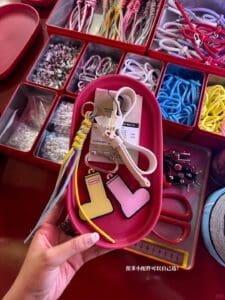
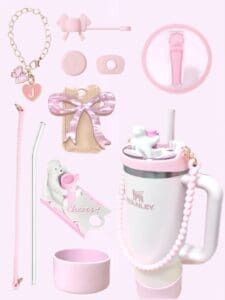
Recently, brand co-creation has already spread across industries. In the fashion industry, many luxury and sports brands have focused on customisable charms, with the trend extending to Stanley thermoses, Casetify’s customisable phone cases and luggage, and Uniqlo’s long-popular DIY T-shirts. The short term benefit for this type of activity is clear – generation of high-quality UGC. The brands are positioned as playful, fashionable, and unique, with users giving the brand a fresh and cutting-edge creative vibe. In the longer term, these activations can form the foundation for data-driven product decisions and agile supply chain responses: by tracking which co-creation elements are most popular and widely shared, brands can identify potential bestsellers and quickly turn user creativity into scalable production.

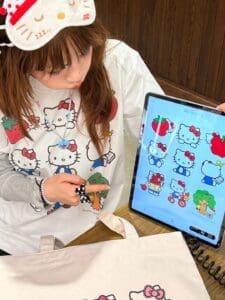
Brand co-creation inspiration
Finding something that truly resonates, and building the infrastructure to ensure it’s a pleasure for consumers to take part are vital to success. Here are my top tips for any brand looking to experiment with co-creation.
- Encourage experimentation, not restriction: Loosen rigid brand tone and encourage, even anticipate, derivative user creations, even if users add competitors’ logos. Openness demonstrates brand inclusivity and positions the brand as approachable and friendly.
- Enable self-actualisation: Offer tools and a stage for self-expression. When a brand becomes a medium to showcase individuality and creativity, it builds emotional connection.
- Close the marketing loop: Starbucks and Kowanka had their versions of the HeyCard, but failed to go viral. Brands must build a complete social-viral path from initial hype to later retention and conversion to achieve a viral moment.
- Let consumers be your trend advisors: Users’ creations reveal the most authentic and cutting-edge trends and creative inspiration, providing real-time market insight without the guess work.
In a time when many brands are turning to co-creation for brand promotion, HEYTEA’s success shows that to truly maximise this approach brands must aim to liberate consumers rather than try to control them. Doing so will not only empower consumers but help to generate authentic content worth sharing, both with friends and followers as well as in a feedback loop to brand marketing teams.