








Consumers have developed a deep craving for meaningful offline luxury experiences that go beyond the transactional, especially after everything moved online during the pandemic.
These experiences range from in-store cafés and restaurants to regular branded exhibitions. Since last year, a new trend in luxury brand exhibitions in China has emerged and proven successful, especially for brands seeking to broaden their audience base and further raise awareness: informative archival exhibitions that showcase the brand’s heritage and expertise. The rise in this type of luxury experience in China is a window into how luxury consumption in China is evolving, and what consumers now expect from the brands they choose.
Education, disguised as experience
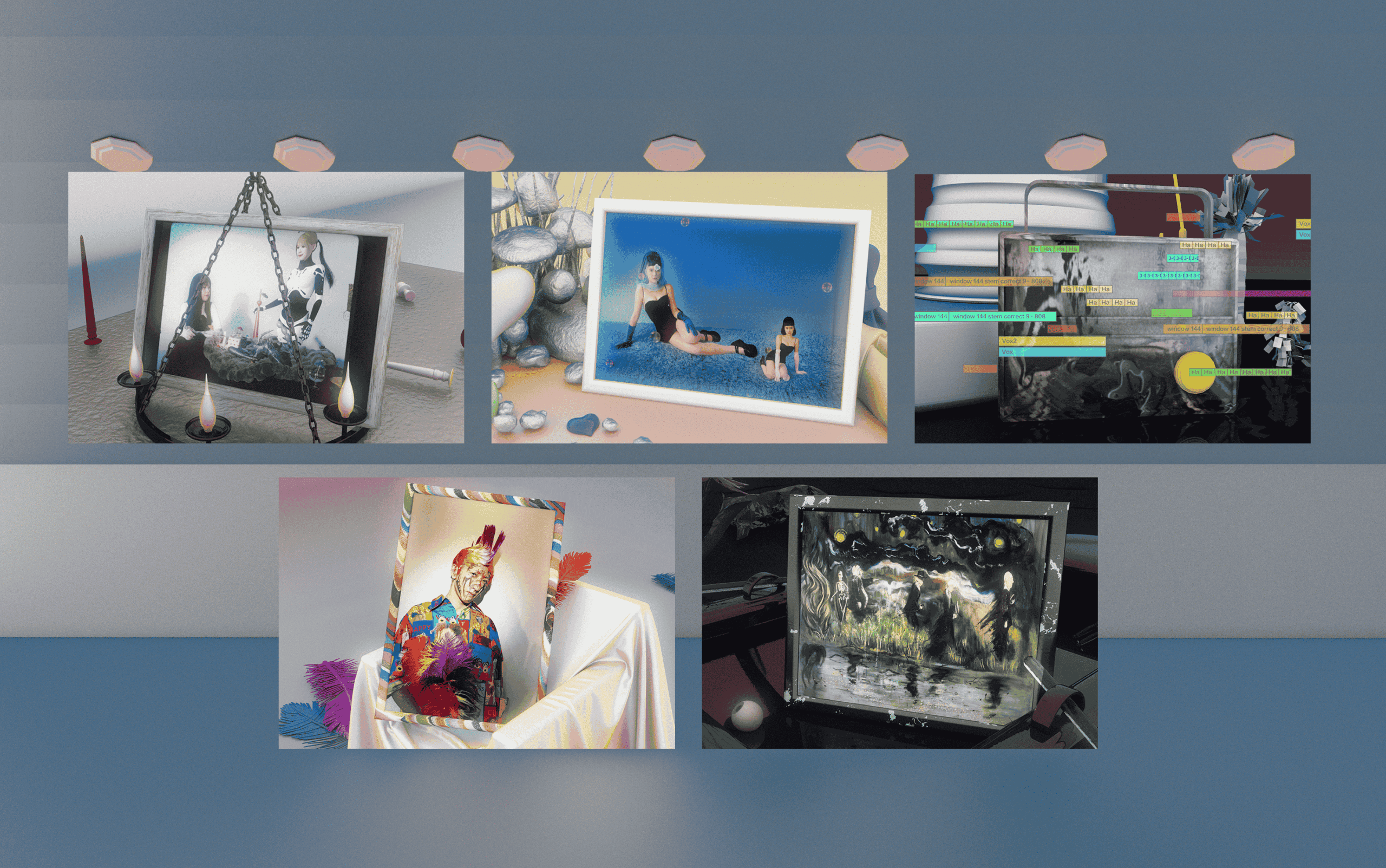
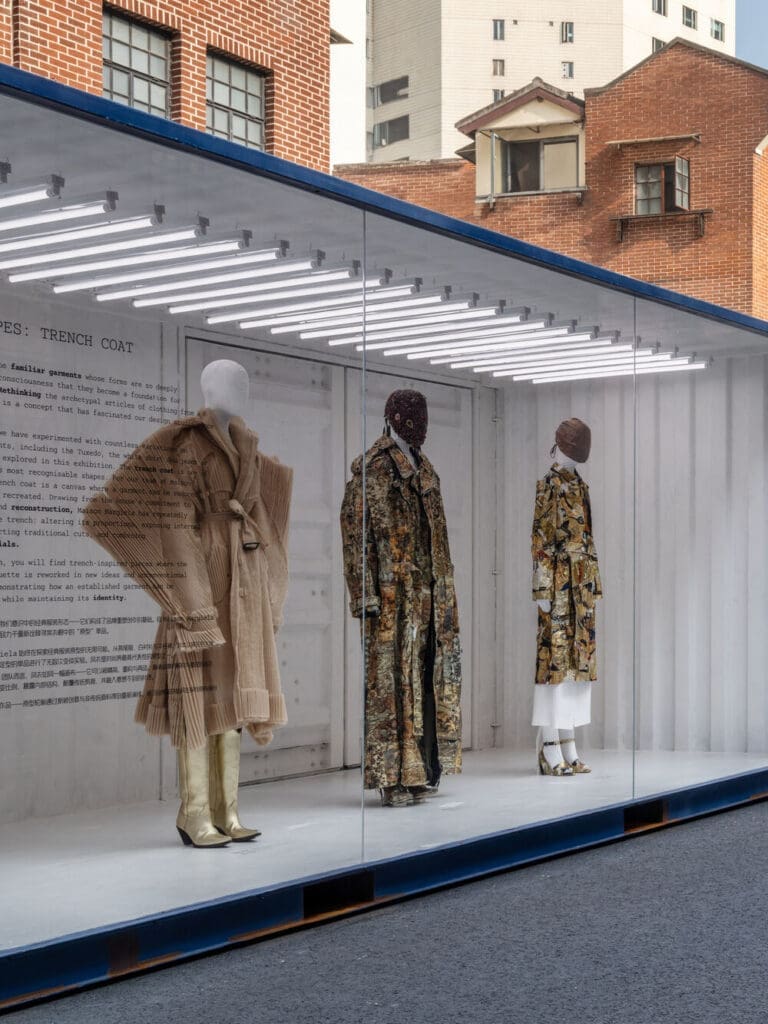
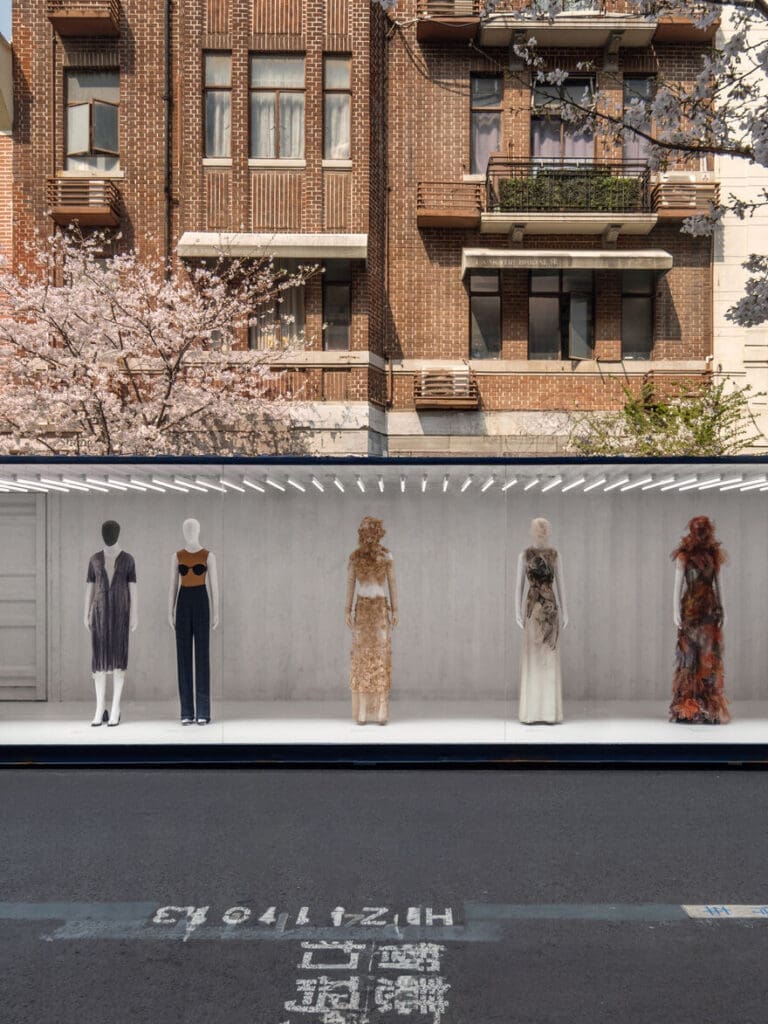
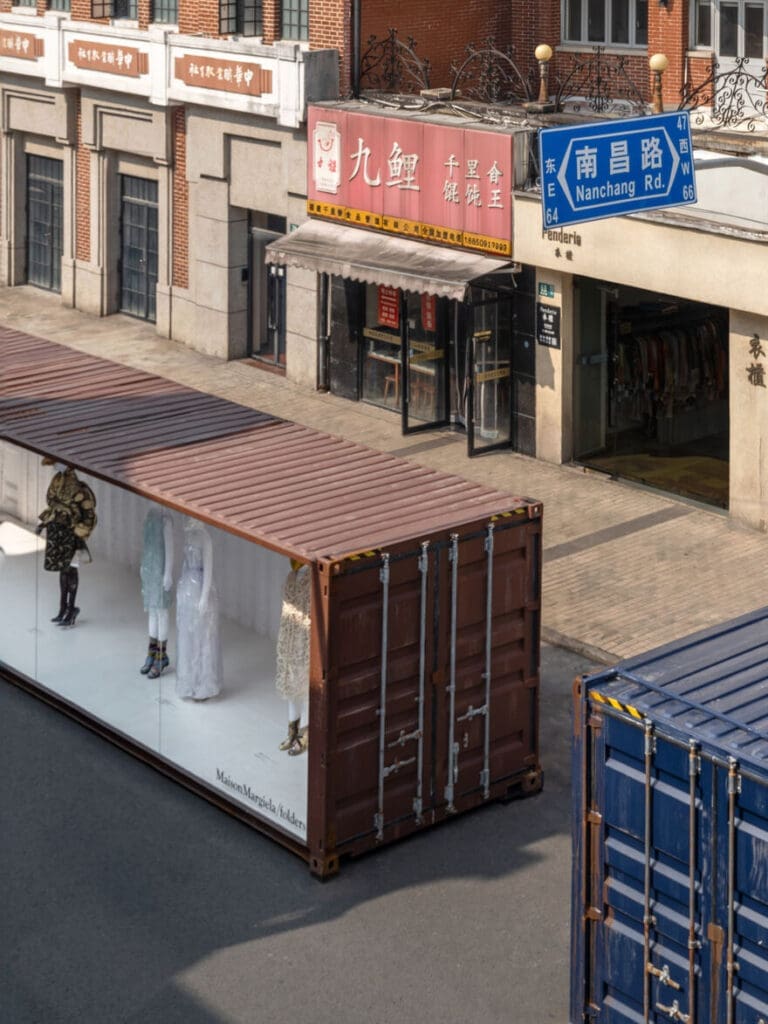
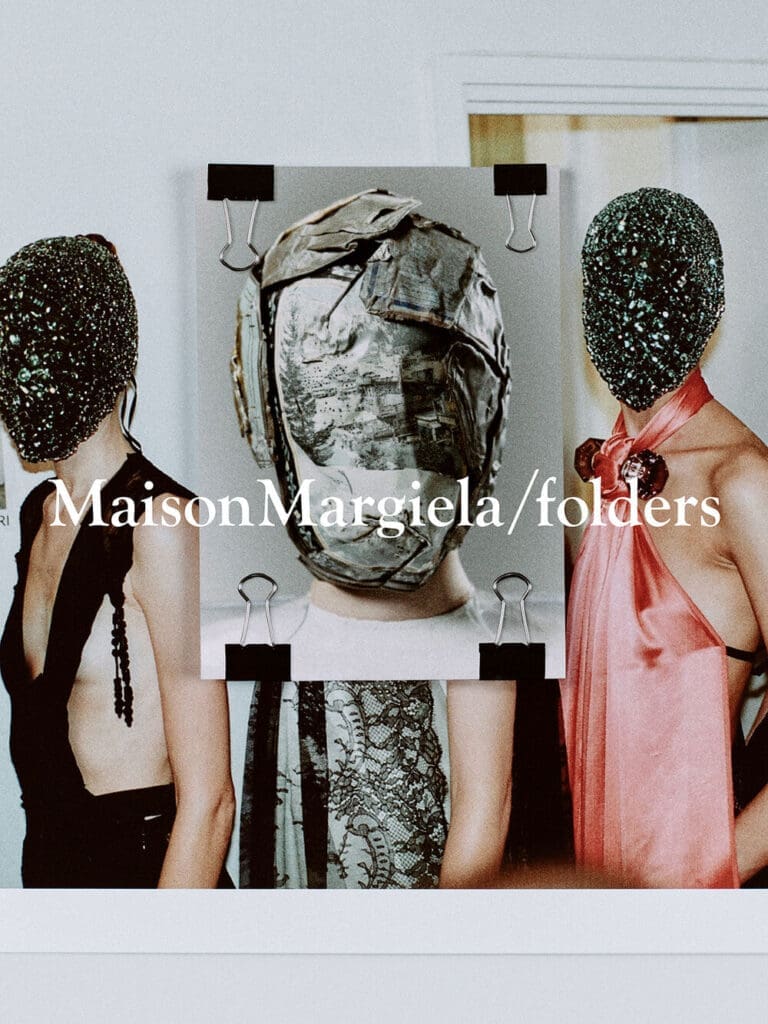
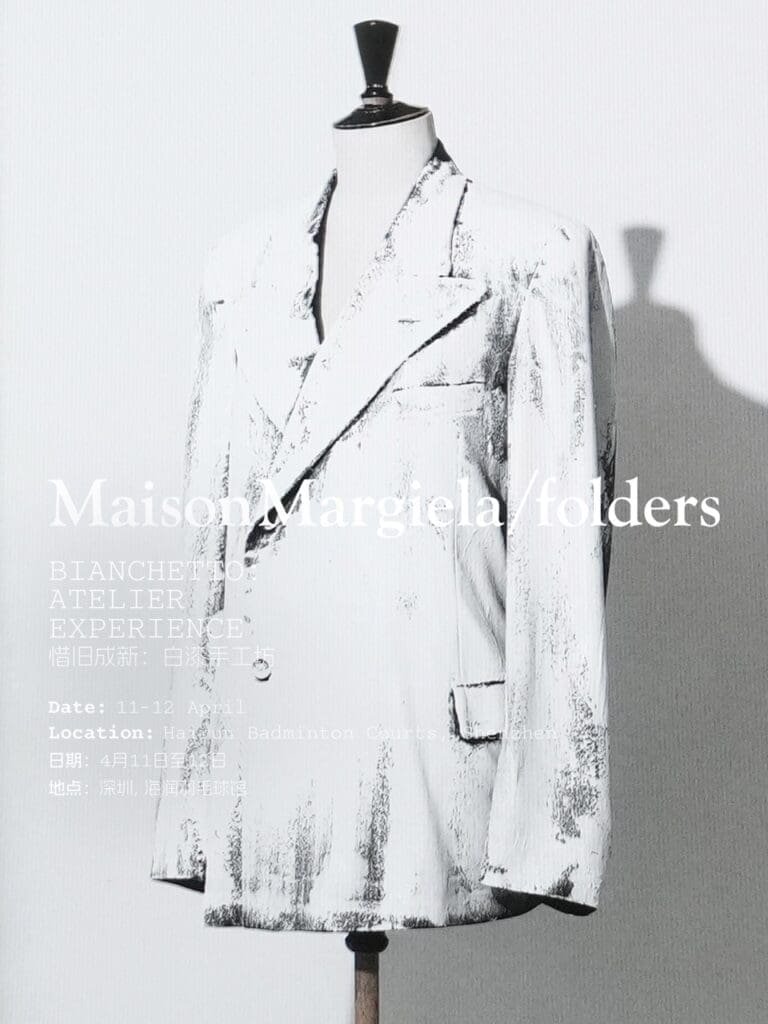
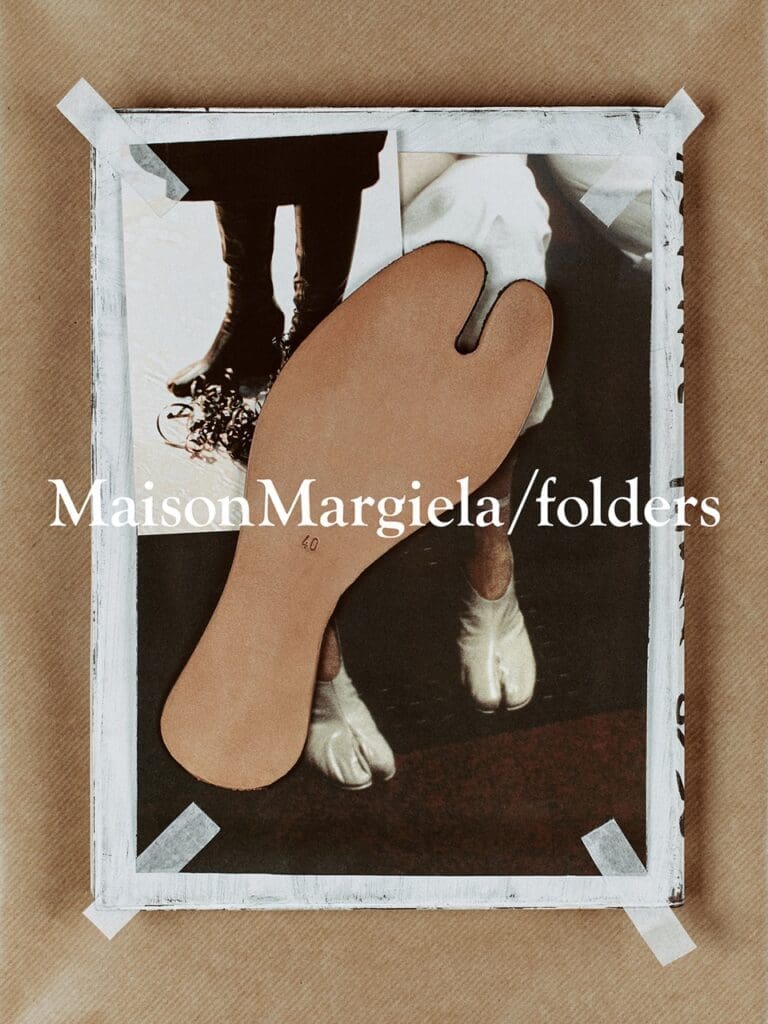
In early April, Maison Margiela launched “Maison Margiela / folders” – a multi-city exhibition rolling out across four cities in China, timed with the brand’s landmark Fall/Winter 2026 debut show in Shanghai. The show itself was already historic: the first time the Parisian fashion house had staged a runway outside of Paris, but the exhibition added something beyond the show itself.
While the runway spoke to those already inside the world of Maison Margiela, the exhibitions opened the door to everyone else. Through themed installations exploring the house’s concepts and history since its founding in 1988, the brand created an entry point for audiences who might have heard of Margiela but never quite understood it or what it stood for. The brand also released its full work files for the show’s preparation, for the first time in its history, via a WeChat Mini Program for Chinese audiences. This added intimate, participatory, and educational nuances to the experience.
For Maison Margiela, which is often considered a niche label for the fashion “in” crowd, the exhibitions and peek behind the curtains are a strong way to bring fans into the loop and give them a sense of involvement in the project. But at the same time, the exhibitions’ public nature was also an education, disguised as social media photo opportunities, to the wider public about what the brand is and its work processes.
Heritage as a universal language: luxury brand heritage marketing in China
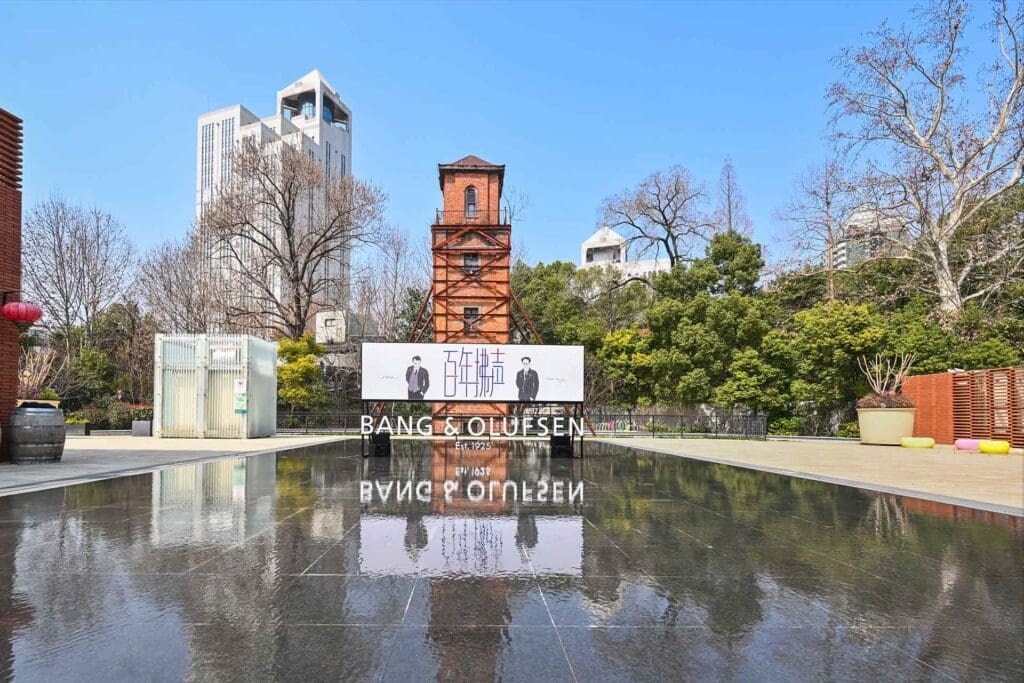
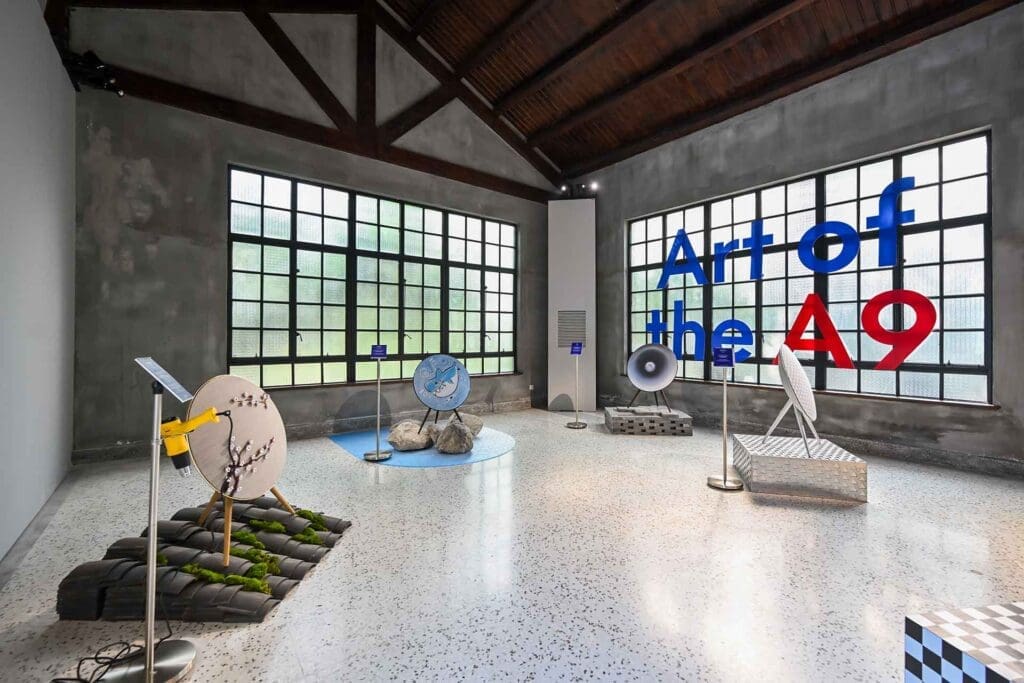
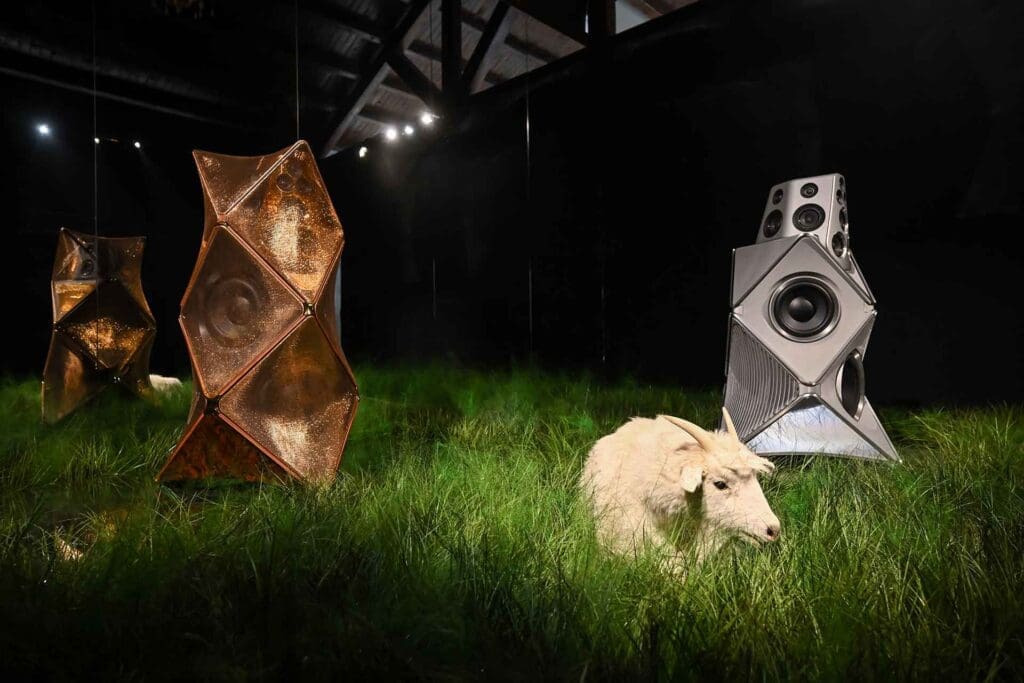
Maison Margiela isn’t the only brand to have recognised this opportunity. In March, Danish audio brand Bang & Olufsen marked its centenary with “A Century of Sound” in Shanghai – a six-part exhibition tracing over 100 years of the brand’s history, from its origins in the 1920s through to decades of audio innovation. The exhibition culminated in “The Art of A9,” a 2021 collaborative art project in which Chinese artists reinterpreted a B&O speaker through their own creative lenses.
The exhibition was not just a showcase of the brand’s heritage and expertise, but also an educational piece for Chinese luxury consumers. Premium hi-fi remains niche beyond audiophile circles, so B&O used the exhibition not just to showcase technical innovation, but to present itself as a lifestyle brand, through interior design showrooms and curated environments built around its products.
This approach is rapidly gaining momentum – over the past year, luxury brands marketing in China, including Jaeger-LeCoultre, Balmain, and Japanese performance wear brand DESCENTE have all used anniversary retrospectives to introduce or reintroduce themselves to a broader Chinese consumer base. The format works because it speaks a language Chinese audiences already understand, which is that of history, craft, and cultural depth. Unlike nostalgia, heritage reinforces expertise, longevity, and substance.
Show, don't tell
For the brands that are not yet household names, these archival exhibitions can help them transform abstract brand values into something people can stand in front of, photograph, and feel.
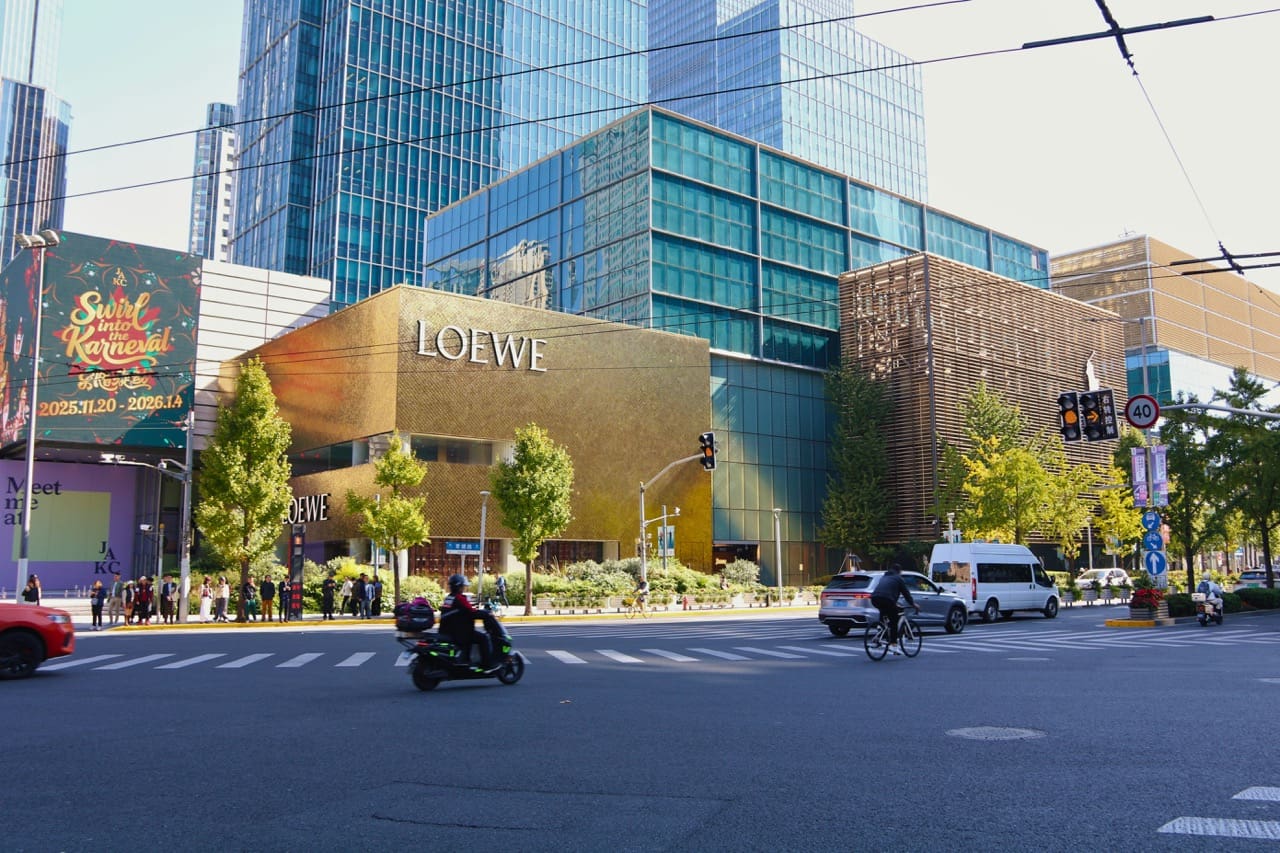
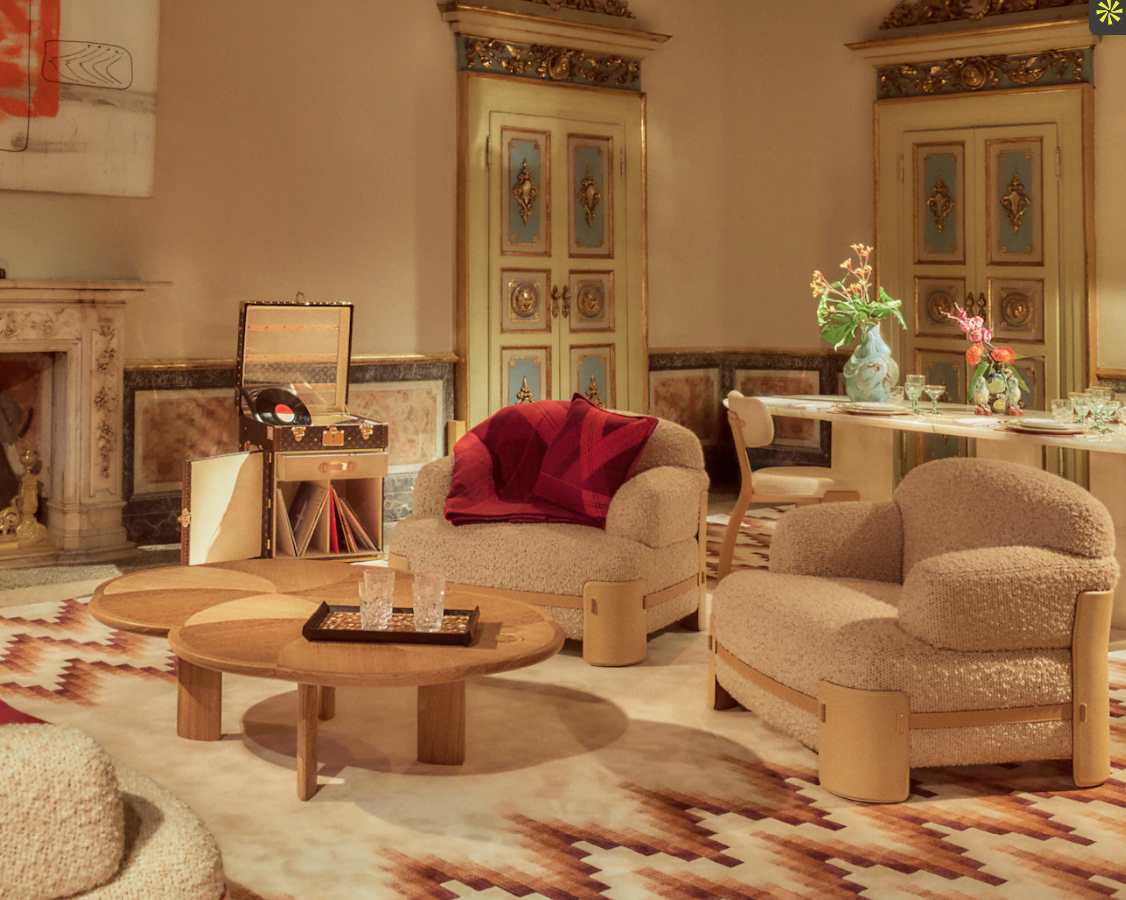
Meanwhile, brands that already carry name recognition, like Prada, Hermès, Dior, Louis Vuitton, tend to use historical archives more selectively, focusing on localisation and cultural relevance, as a lens to illuminate a specific narrative. Louis Vuitton’s “The Louis” Shanghai flagship serves as a history lesson in travel, style, and craftsmanship, reinforcing its identity beyond the handbag. Italian jeweller Buccellati recently tapped into the “traditional goldsmithing” trend in China, hosting an exhibition around its Renaissance-inspired craftsmanship in goldsmithing at the end of last year.
The distinction matters: for emerging or niche luxury brands entering the Chinese market, exhibitions build awareness and understanding. For established names, they deepen meaning and reinforce relevance. And, with Chinese consumers flocking to museums during holidays, still smitten by historical artefacts and cultural heritage, archival exhibitions remain an effective way to communicate history, tradition and craftsmanship in the country. As Maison Margiela prepares to bring the folders to other countries after its first run in China, we can see that this approach works globally as well. Incidentally, John Galliano, the recently departed creative director of Maison Margiela, has also been drawing inspiration from the archives in his new collaboration with the fast-fashion giant Zara. Now, the question is, what does this mean for brands marketing in China?
What this means for brands
The success of this format reflects something specific about where Chinese luxury consumers are right now: already educated, they are more discerning, more experience-hungry, and more drawn to brands with a coherent identity and story.
- Chinese consumers respond to craft, history, tradition, and expertise. Archival brand exhibitions are one of the most credible ways to do this, and they speak the same language as local and regional Chinese cultural heritage.
- For brands looking to broaden their audience in China, this format has a particular advantage: it educates and creates awareness while remaining engaging – it creates an experience people seek out.
- For brands with strong heritage but lower awareness in China, like premium hi-fi, independent fashion houses, and specialist horologists, this is a strong opportunity, as the format gives them a platform to tell their story on their own terms.
- And for household names, archival exhibitions offer a way to direct attention to specific aspects of identity, craftsmanship, innovation, and cultural connection, beyond relying on brand identity alone, bringing stronger resonance and understanding to Chinese consumers.
- As Maison Margiela prepares to bring “folders” beyond China to other global markets, it’s worth noting that China was first. Consumers are increasingly asking not just what a brand is, but why it matters, and brands that can answer that question have the clearest path forward.