











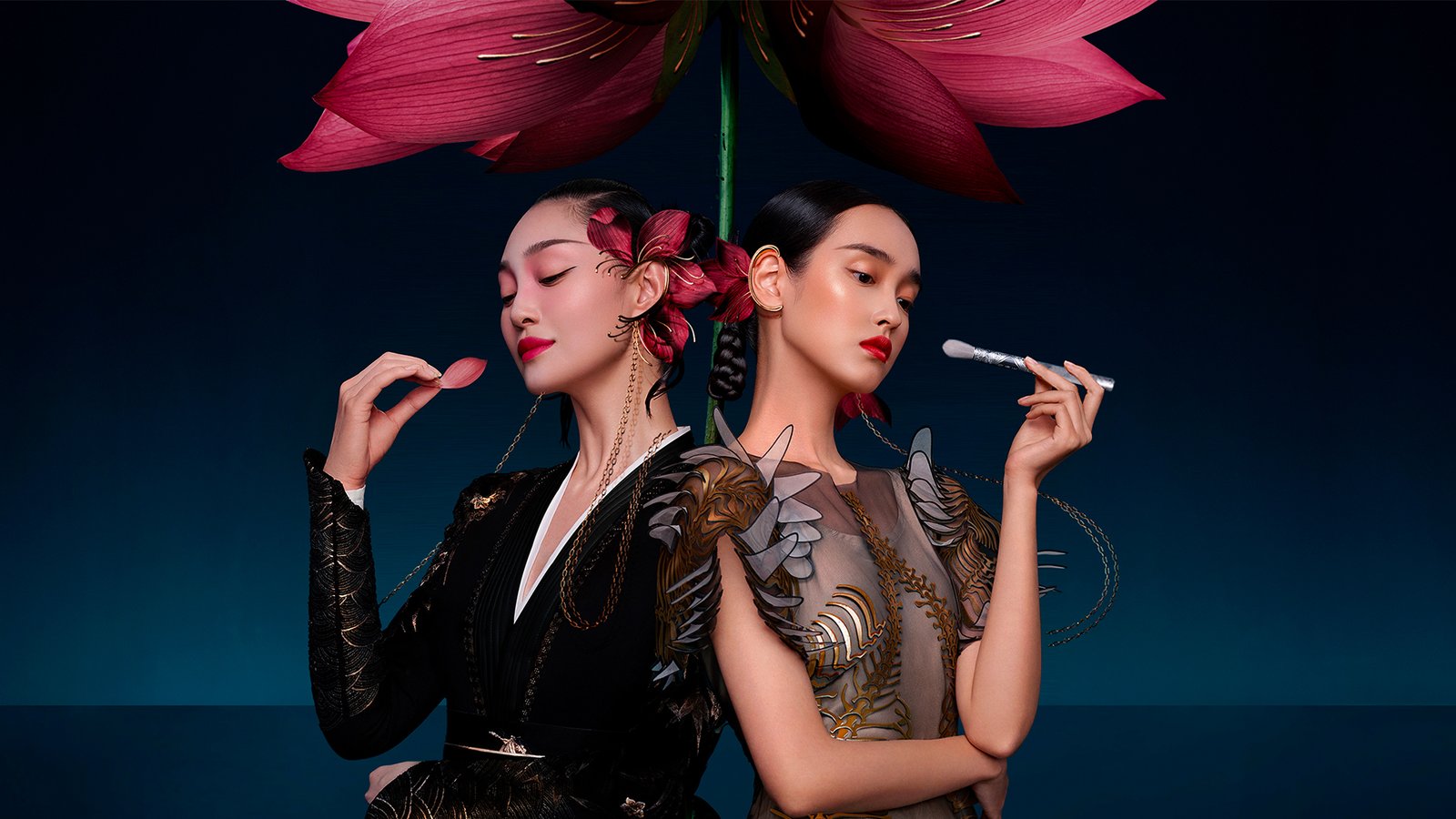

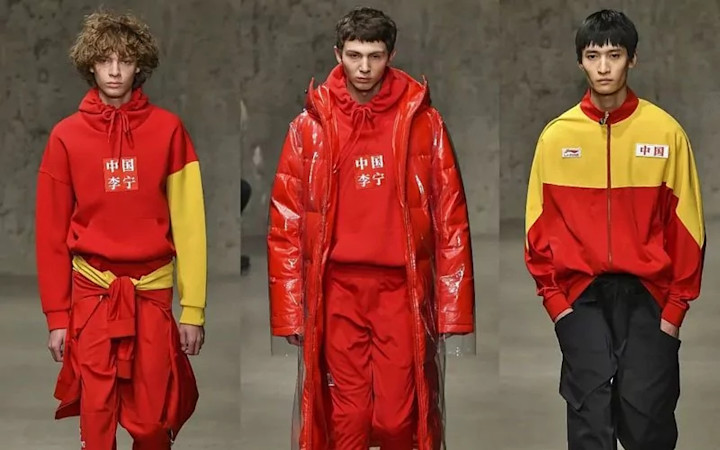
Guochao (国潮), literally ‘national wave’, is the latest trend in China which foreign brands are eager to leverage. The term has origins in Li Ning’s 2018 men’s fall collection: ‘Designed in China’, which championed the traditional Chinese colours of yellow and red. These seeds were watered by Chinese consumers boycotting Western brands – a retaliation to cultural blunders, sanctions over Xinjiang cotton concerns and Sino-US tension.
This sparked a movement which would erase the negative connotations of ‘made in China’ for Chinese consumers and bring their attention to domestic brands. In 2022, both Chinese designers and global household names are harnessing the power of Guochao, but what is Guochao and what does it mean to China’s Gen Z?
Made in China vs. Designed in China
Chinese consumers don’t look to foreign brands for quality anymore. With China’s developed technology and manufacturing capabilities, domestically produced products are just as well made as their international counterparts. According to Daxue Consulting, in 2019, 70% of Chinese consumers said they would opt for domestic over foreign brands.
There is undoubtedly a patriotic element to Chinese consumers’ purchasing motivation. Considering recent socio-political affairs, if Chinese designers are offering comparable quality and design to the West, Chinese consumers are more likely to shop locally. This is an opportunity for Western brands to pursue local collaboration opportunities – co-branded campaigns offer well trodden paths for brands channelling Guochao.
Value for Money
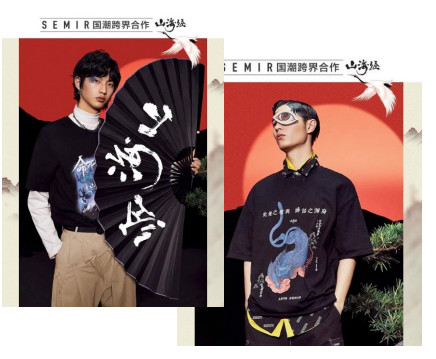
This trend isn’t limited to luxury brands, in fact, Guochao brands are often associated with value for money. A study by Daxue Consulting revealed that the search term, ‘Affordable Guochao’ is trending on Chinese social media app RED, with search results recording a 70% increase in product views.
As with the faded allure of Western superiority, high prices are no longer synonymous with quality in the eyes of Chinese consumers. Western brands should strive to be as innovative as their Chinese competitors.
History, culture and craftsmanship
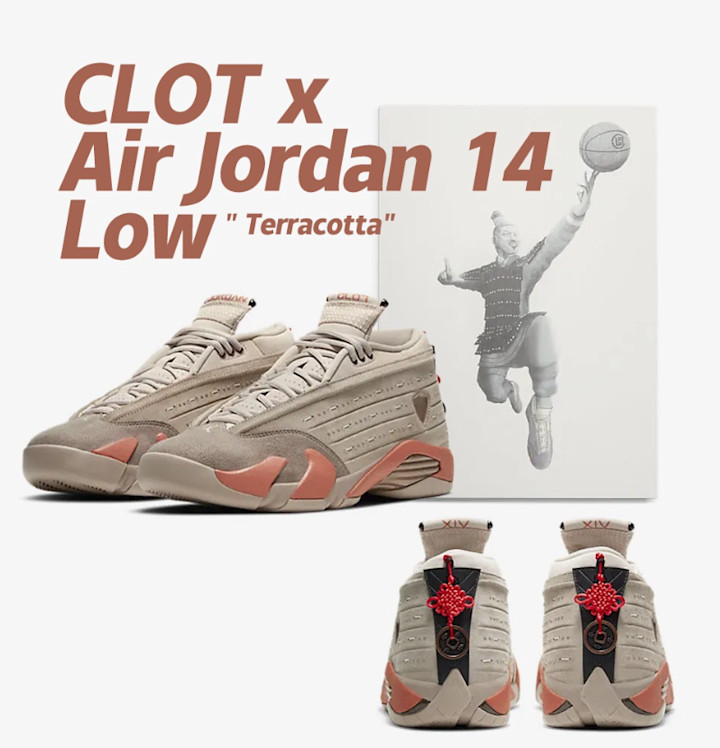
Chinese consumers want to be the source of inspiration, rather than emulate Western trends. A formidable purchasing power, the Chinese consumer should be at the forefront of any brand’s campaign – baked into the strategy, rather than a commiseratory cherry on top. Guochao products must be authentic, and campaigns should be designed through a Chinese lense, independent of the Western gaze.
China’s long and rich history is brimming with potential for Guochao branding, with Chinese brands taking inspiration from the Silk Road, dynastic art and traditional cuisine. Western brands must be specific and give credit to the origin of their Guochao ideas – sticking a badly formatted Chinese character on a product simply won’t do.
A brand does not have to be Chinese to leverage the Guochao trend. Even Li Ning, synonymous with Guochao, faced backlash from consumers last month when a recent collection was likened to Japanese military uniforms – an example of how sentimental Guochao is for Chinese consumers.
For a product to be considered Guochao, it must have both spiritual and material meaning. Whilst brands should be developing products which bring tangible value to their consumers, for example, high quality at a reasonable price, it’s important to recognise and address the layers of emotion, meaning and soul which Chinese consumers associate with the term.