








Twinkle Twinkle: Massive Star?
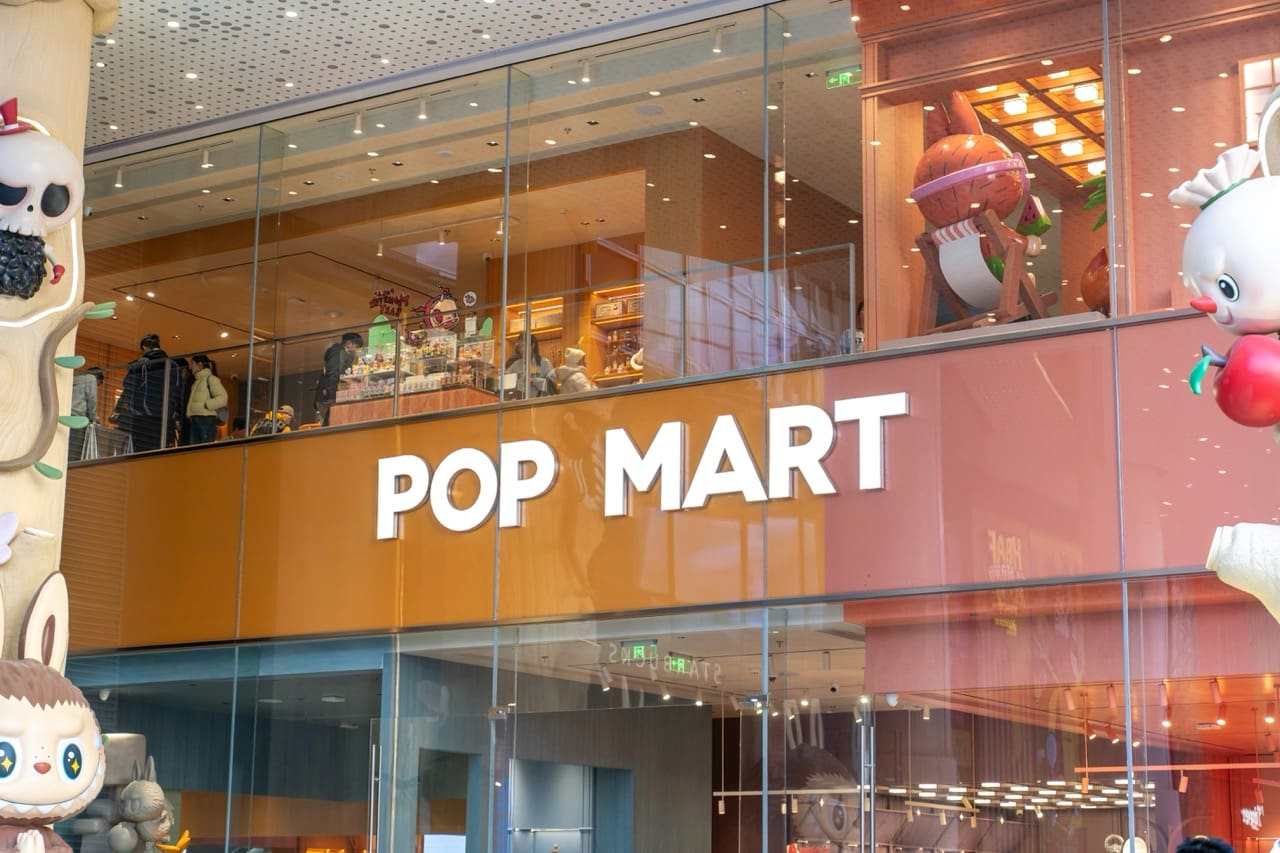
Over the past few years, few Chinese brands have travelled as far, or as fast, as Pop Mart. The Chinese collectibles retailer and IP behemoth has taken the world by storm through blind-box culture and breakout characters, most notably Labubu.
But while Labubu remains Pop Mart’s most internationally recognisable IP, attention is now shifting to a very different character. Twinkle Twinkle, an emotionally driven IP rooted in storytelling rather than shock value, is emerging as Pop Mart’s next superstar IP.
The rise of Twinkle Twinkle is not simply a story about a new popular character. It is an insight into deeper changes underway in Chinese youth culture, the evolution of Guochao, and the future of China’s IP economy.
From Labubu to Twinkle Twinkle
Labubu’s success is well documented. Its ugly-cute, chaotic aesthetic stood out in a crowded collectibles market, amplified by scarcity, celebrity exposure, and social media virality. It was rebellious, extroverted, and visually unmistakable – making it instantly shareable and a global phenomenon.
Twinkle Twinkle follows a very different path.
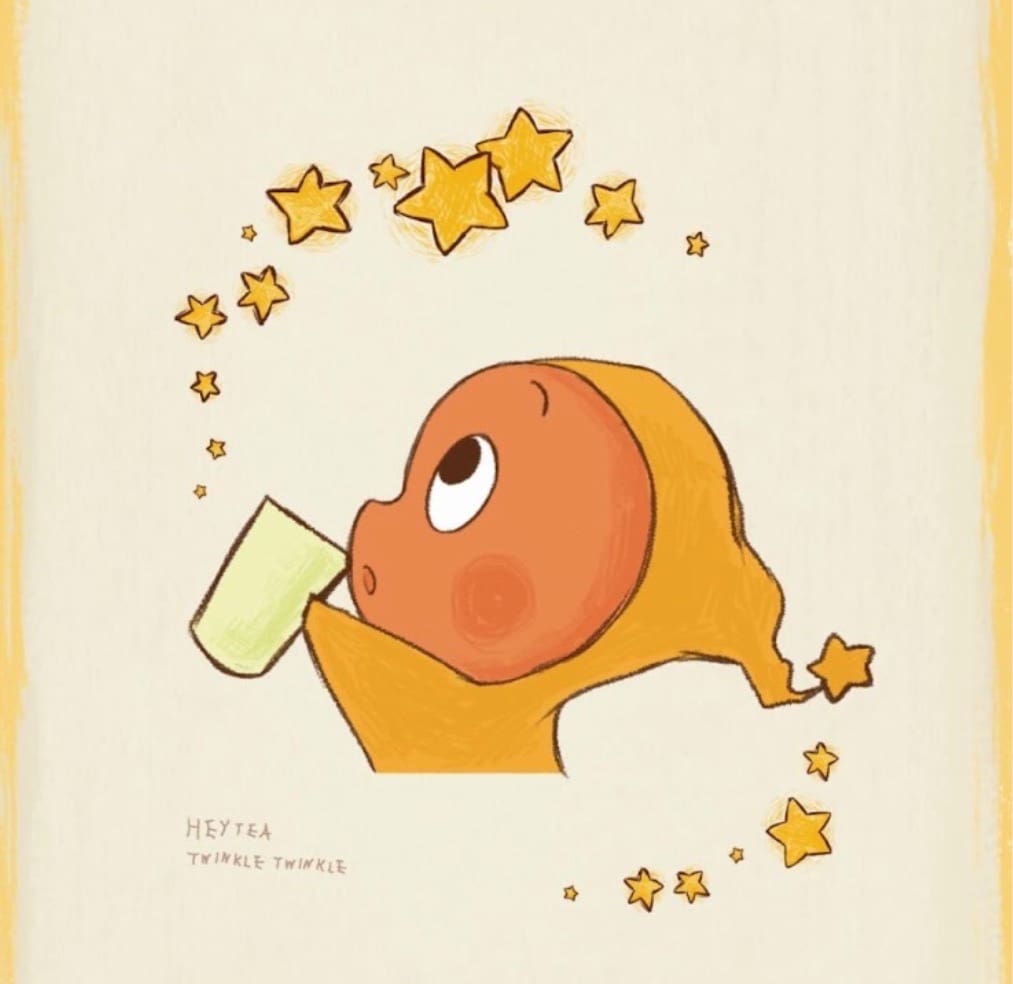
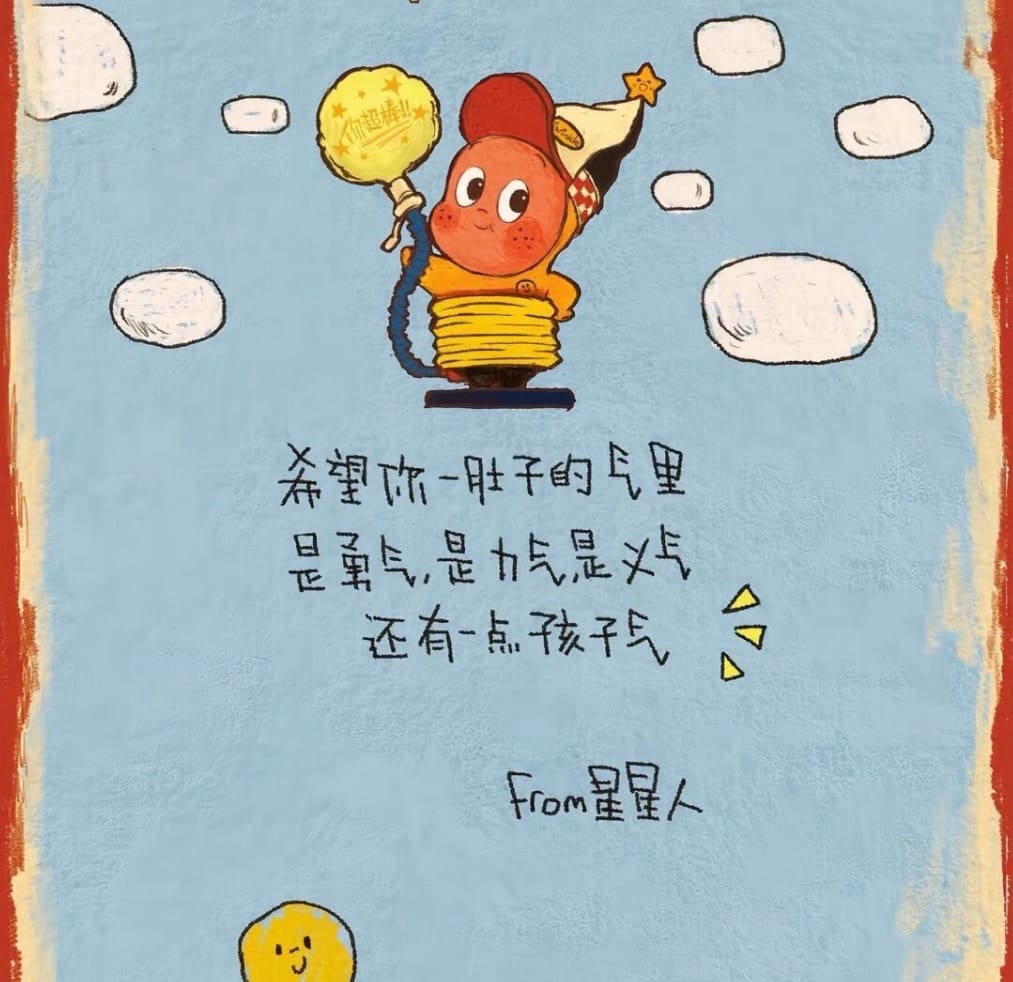
Originally created in 2020 and officially signed by Pop Mart in 2024, Twinkle Twinkle’s soft persona contrasts markedly with the striking assertiveness of Labubu. Promoting soft, healing quotes and already coming with a developed comic strip and short story universe, the character is less of an immediate in-your-face icon, and more of a reassuring, gentle companion. Its core philosophy – that stars cannot shine without darkness – resonates strongly with young consumers navigating the pressures and uncertainty of modern life, and faced with a sense of emotional fatigue.
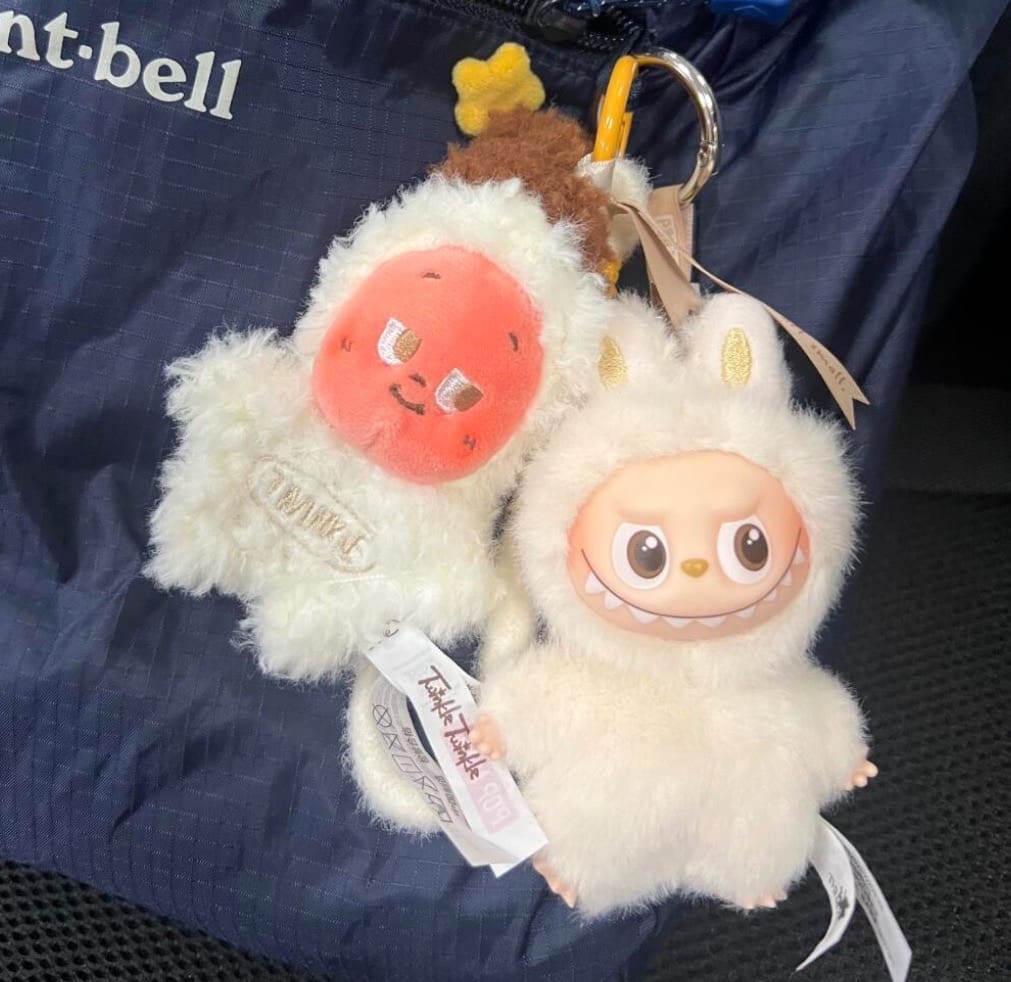
Where Labubu is loud and self-assured, Twinkle Twinkle is reflective and vulnerable. The two IPs are not direct competitors so much as reflections of different emotional needs within the same generation.
The Rise of the Introvert in Chinese Youth Culture
One reason Twinkle Twinkle has found traction is timing. Its emotional language aligns with a broader cultural shift among Chinese Gen Z away from performative hustle and outward rebellion, towards introspection, emotional safety, and self-acceptance.
In contrast to Labubu’s embodiment of confidence, chaos, and even destruction, Twinkle Twinkle speaks to:
- nostalgia for simpler times and childhood
- an openness around vulnerability and imperfection
- the desire for affirmation rather than aspiration
This does not replace the appeal of Labubu – but provides a different outlet as younger consumers continue to gravitate towards characters who provide emotional support and encouragement.
The Twinkle Twinkle Universe
A key difference between the two IPs lies in scalability. Labubu’s strength is its instantly recognisable aesthetic, but that same simplicity limits its ability to develop as a character. Twinkle Twinkle, by contrast, started by building a deeper character, and has significant room for further growth – both as a character, and commercially.
With established backstories, emotional themes, and character logic, Twinkle Twinkle lends itself more naturally to world-building. Planned TV shows, films, and its central role in Pop Mart’s upcoming Popland theme park in Beijing point to an ambition far beyond merchandise alone.
This highlights an evolution in IP development in China – with rights owners looking to at longer-term, diverse routes to monetisation beyond initial merchandising.
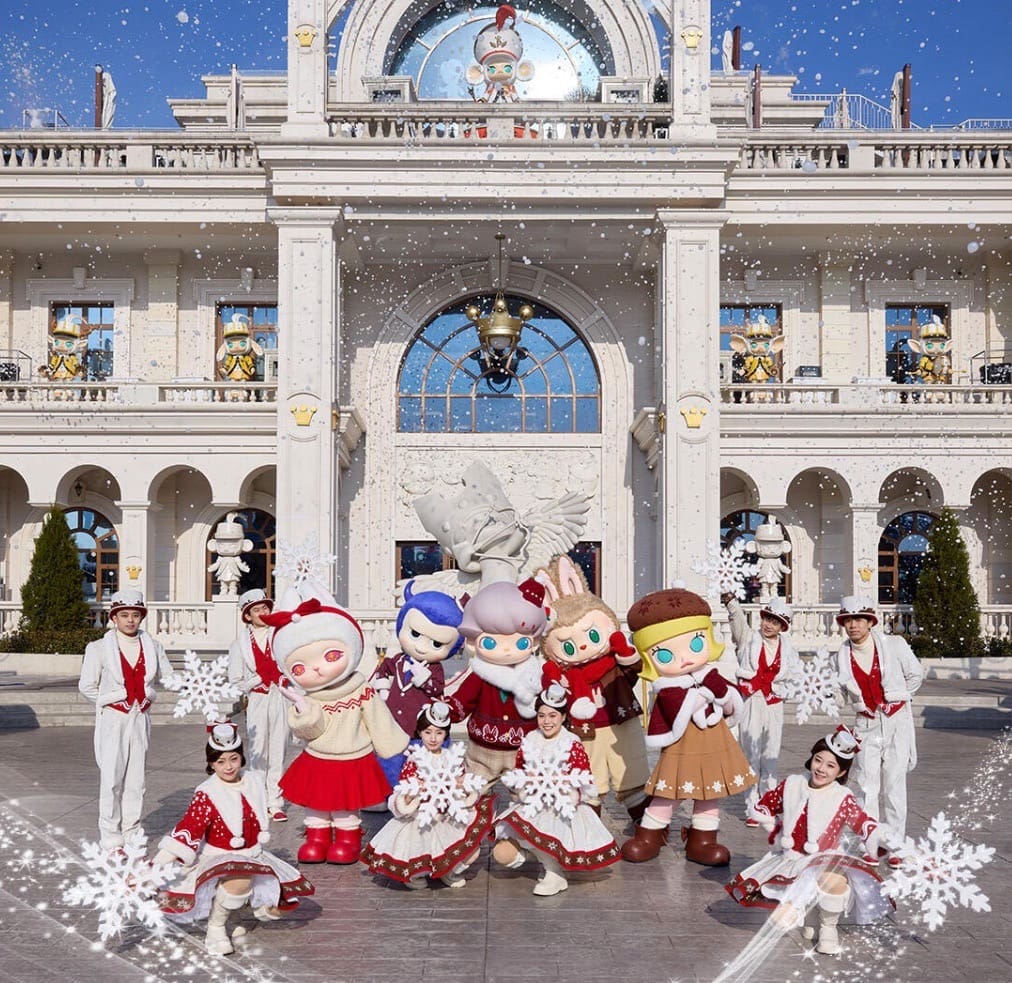
Guochao: Evolved
Twinkle Twinkle also reflects how Guochao itself has matured.
Rather than being an explicitly Chinese character with overt reference to tradition or national identity, Twinkle Twinkle encapsulates a mood of modern Chinese youth. This implicit understanding of its target audience, and overarching emotional logic has helped connect with Gen-Z Chinese: understated, empathetic, and alive to the pressures of modern life.
This is driving success within Mainland China, but replicating this in other markets will depend on Pop Mart’s ability to localise this appeal – and tap into underlying emotional needs of their audiences. Without the broad base of celebrity fandom and the immediate visual appeal of Labubu, investment in building out the Twinkle Twinkle brand narrative will be crucial to carry this wave across the world.
What Can Brands Learn?
The success of Twinkle Twinkle offers a clear lesson. In a market saturated with visual novelty, aesthetics alone are easy to replicate. Storytelling, emotional relevance, and cultural sensitivity are not.
For brands exploring IP collaboration in China, this raises important questions:
- Does the IP have narrative depth, or only surface appeal?
- Can it evolve across formats, platforms, and time?
- Does it reflect how Chinese consumers actually feel today?
For Western brands looking at IP collaboration in China, Twinkle Twinkle offers a useful reference point. Sustainable impact will come from depth of storytelling and cultural fluency, rather than surface-level aesthetics alone.