













When Prime Minister Keir Starmer visited China earlier this year, one of his main achievements was securing a deal that halved tariffs on Scotch whisky exported to China from 10% to 5%, effective from 2 February.
This change was welcomed by the industry, who have ambitions to grow rapidly in a market that is currently the tenth largest importer of Scotch by value. But what is the whisky market like in China in 2026? What makes it so unique, and what do brands need to understand to break in and succeed?
The Great Reset
Last year, whisky overtook brandy as the most imported foreign liquor by volume in China for the first time in decades. The change from brandy to whisky can partly be attributed to a demographic shift towards younger, more lifestyle-oriented audiences. Post-pandemic “luxury shame” also had an impact, in line with the rise of quiet luxury trends – consumers opt for whisky because it offers a variety of price points for high-quality drinks, while brandy is typically considered more ostentatious, and associated with ultra-luxury Cognac.
Alongside this growth, the Chinese whisky market has been undergoing a significant paradigm shift. Hit by the crackdown on corporate gifting culture from 2013 onwards, the market bounced back during the pandemic when the whisky market in the country experienced a massive surge in both price and demand. In particular, vintage and rare whiskies were seen as investment assets, which cemented the category as aspirational in the minds of consumers. This, in turn, has brought in a new generation of younger, more internationally minded drinkers who are open to looking beyond Chinese spirits for their enjoyment.
This came at the same time as the expansion of alcohol-centric e-commerce and delivery services like the Meituan-backed Waima (歪马送酒), which are taking on a more forward-thinking approach, positioning themselves as disruptors, and bringing a range of spirits to new audiences. Their convenience and transparent pricing are challenging the more traditionally opaque and complex spirits distribution industry.
The Next Whisky Bar
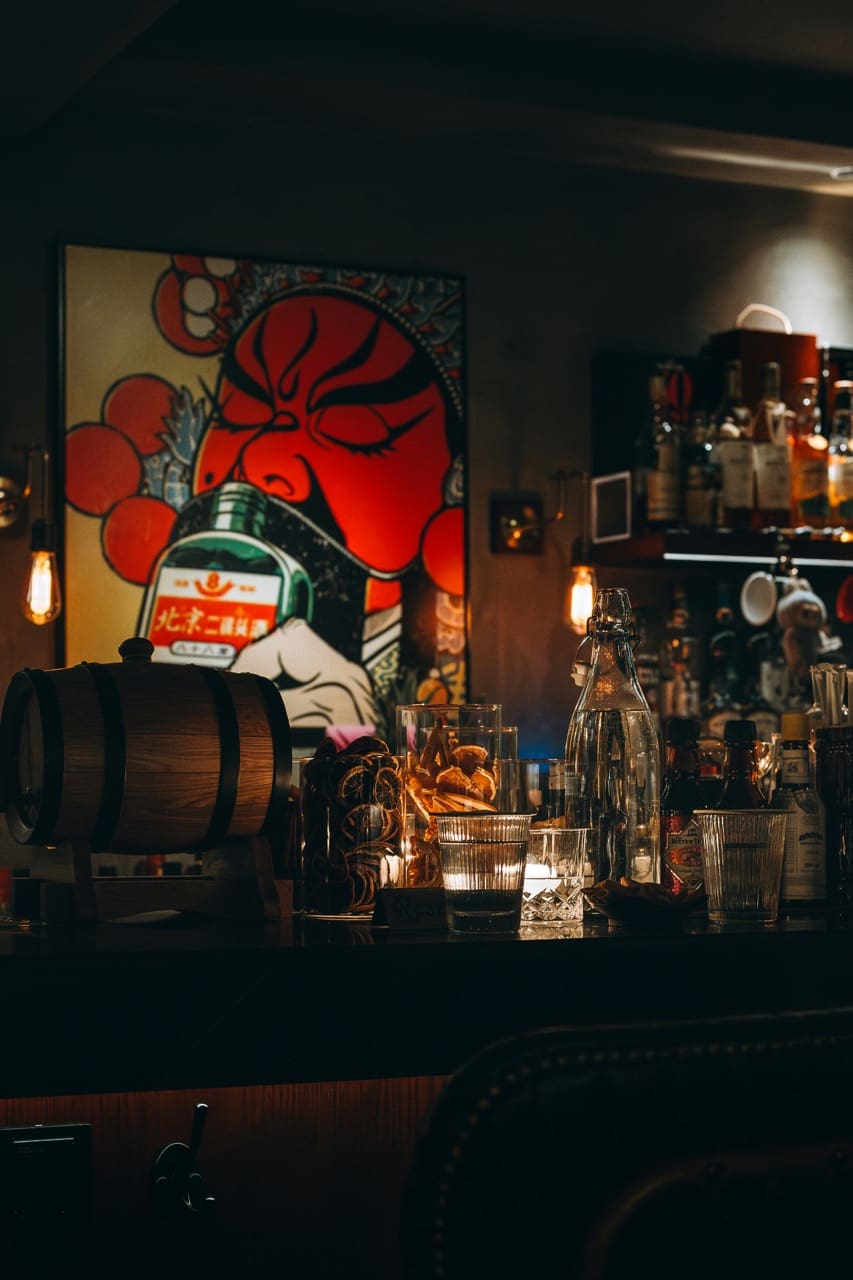
Whisky bars started growing in China around 2017 and peaked in 2022 and 2023 as the collectors’ fad swept the country. Most patrons visiting these bars were part of an “in” crowd following the market closely.
Today, most visitors of these bars come for the novelty of the experience. Repeat appeal is limited – with younger consumers preferring cocktail bars which cater to a wider set of tastes. To adapt to this change, many whisky bars are expanding their offering to include hot food or cigar lounges, or incorporating daytime coffee offerings to build out a wider customer base.


So, where is the market moving next, if not to specialised bar settings? Driven by lifestyle-focused consumers, the answer is – wherever these consumers are. This takes us from the cocktail bars, into homes and social gatherings, and even as an accompaniment to booming outdoor pursuits such as camping. These settings align with the “songchigan” (松弛感, laid-back) trend in China and highlight the emotional value the drink offers outside more common social settings like semi-formal bars or restaurants.
On Chinese social platforms such as Xiaohongshu, this is heavily reflected in search results for whisky, which focus on introductions of the drink and recipes rather than whisky bars themselves. Given their homemade nature, the most popular recipes remain relatively simple – including on the rocks, highballs and whisky sours.


Consumers are, however, also showing off their creative ways of enjoying whisky. This includes adding the spirit to the popular New Asian tea brand ‘HEYTEA’ drinks such as bubble or fruit teas, a play on the popular mix of whisky and bottled lemon tea found in nightclubs and karaoke booths.
Made in China?
2024 marked the first 10-year aged Chinese-made whisky, and the domestic industry has been steadily growing to satisfy the growing interest in the drink. Brands such as The Chuan (叠川) and Laizhou (崃州) focus on “oriental” flavours that take inspiration from traditional baijiu distillation. Many industry watchers anticipate China to eventually make its mark on the global whisky canon, similarly to how the United States developed Bourbon and Tennessee Whiskey.
Since 2024, foreign liquor brands alongside domestic food and beverage companies have been seen to invest in producing whisky in China to diversify their portfolios. And although domestic whisky still faces challenges, the new national standard for whisky means the country is ready to take the next step in the industry.
For now, however, the primary appeal of premium spirits such as whisky for consumers in China remains aspirational and lifestyle-oriented. Much like luxury fashion, choosing a spirit from Scotland, Ireland, the United States, or Japan often reflects the drinkers’ cultural affinity and conveys a sense of the drinker’s own sophistication and global outlook.
Films, television, and, most crucially, lifestyle social media remain key sources of inspiration for consumption – across generations, these channels are offering clear use scenarios to consumers. Inspired by social media trends, younger drinkers are embracing the “tipsy” (微醺) philosophy, a trend that leans towards a slower alcohol intake that feels moderate and romantic. Meanwhile, older generations are bringing foreign liquors like whisky and brandy to the dinner table – a spot normally reserved for baijiu. Across all demographics, perceived quality and prestige remain paramount to meeting their aspired lifestyle.


What brands can learn:
- Whisky has shifted from collection and investment back to lifestyle consumption. Brands are now readjusting to a market dominated by the younger and lifestyle-focused consumers who choose whisky over brandy for its high quality across various price points.
- Younger drinkers prefer casual settings like homes, parties or the outdoors over conventional bars. This points to the most effective way of connecting with them being through creating aligned storytelling, using scenarios, and emotional value through marketing.
- Drink delivery platforms and online cocktail recipes now make it easier than ever to enjoy whisky at home. Diversifying from conventional distribution models would allow brands to both cut costs and reach young consumers directly.
Foreign brands have a strong opportunity in China, but success depends on how well they localise their marketing, not just distribute their product. This lies in leveraging heritage and craftsmanship as markers of authenticity, while aligning with local and generational consumption habits – and those who manage will be best positioned to capture China’s wave of growth.