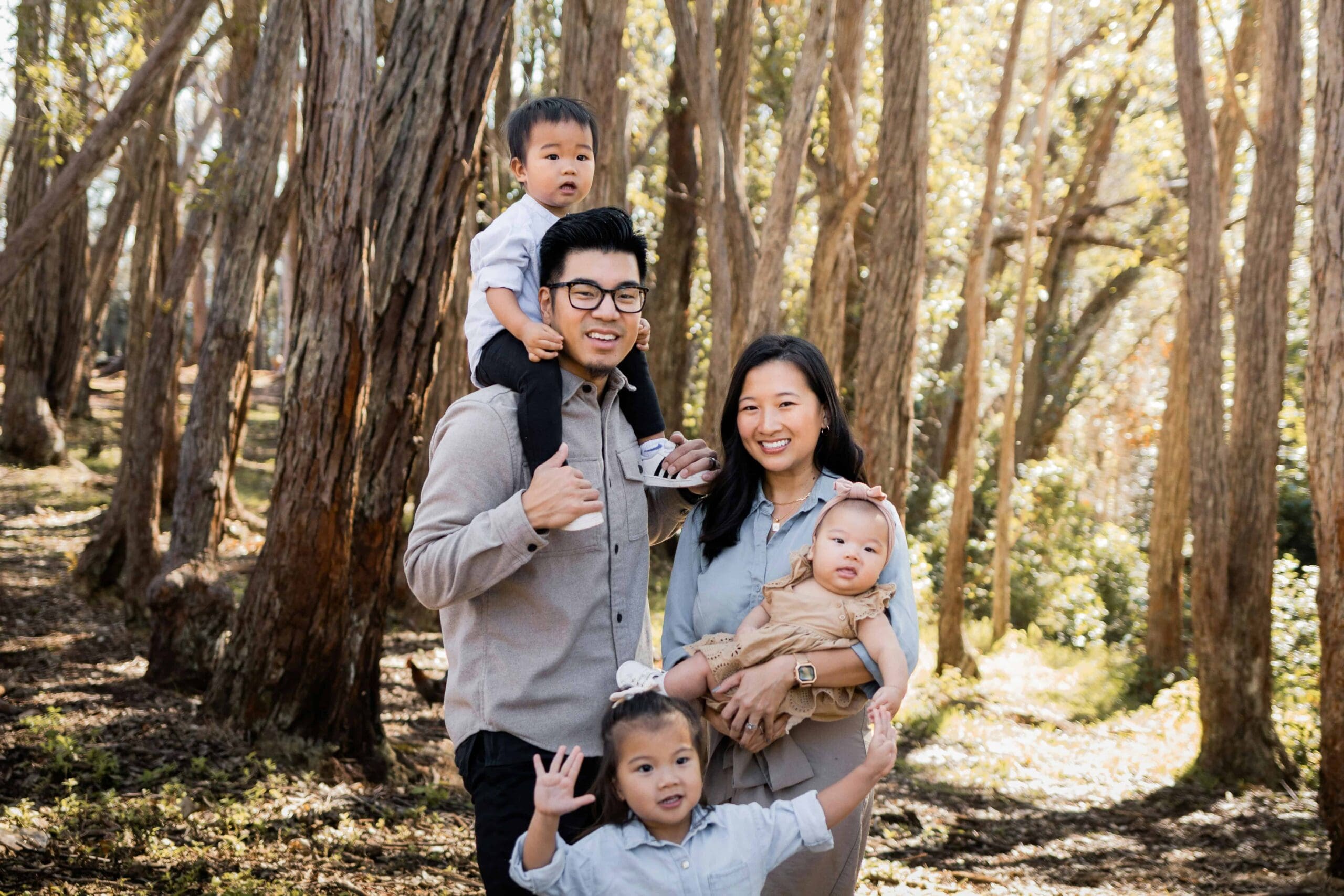










On the surface, China’s Spicy Mum trend refers to social media mum-fluencers who balance childcare with fitness and fashion. TONG reveals the real women behind the trend, sharing the voices of China’s modern mothers seeking independence and self-fulfilment.
As China’s economy has skyrocketed in the past few decades, the role of women and motherhood has also changed, with China’s Millennials and Gen Zers developing their own approach relationships, families, and parenting.
La Ma (辣妈), literally spicy/hot mums in English, are the new face of China’s modern parent, characterised as independent women who manage to juggle work and family whilst pursuing their own interests, hobbies and healthy lifestyle – all whilst looking glamourous.
The term was first used as a nickname given to Victoria Beckham by her Chinese fans. It then became a buzzword and even a Chinese TV show (Hot Mum 辣妈正传), starring actress Sun Li, who plays a magazine editor struggling to maintain her job and raise her baby girl after an unexpected pregnancy.
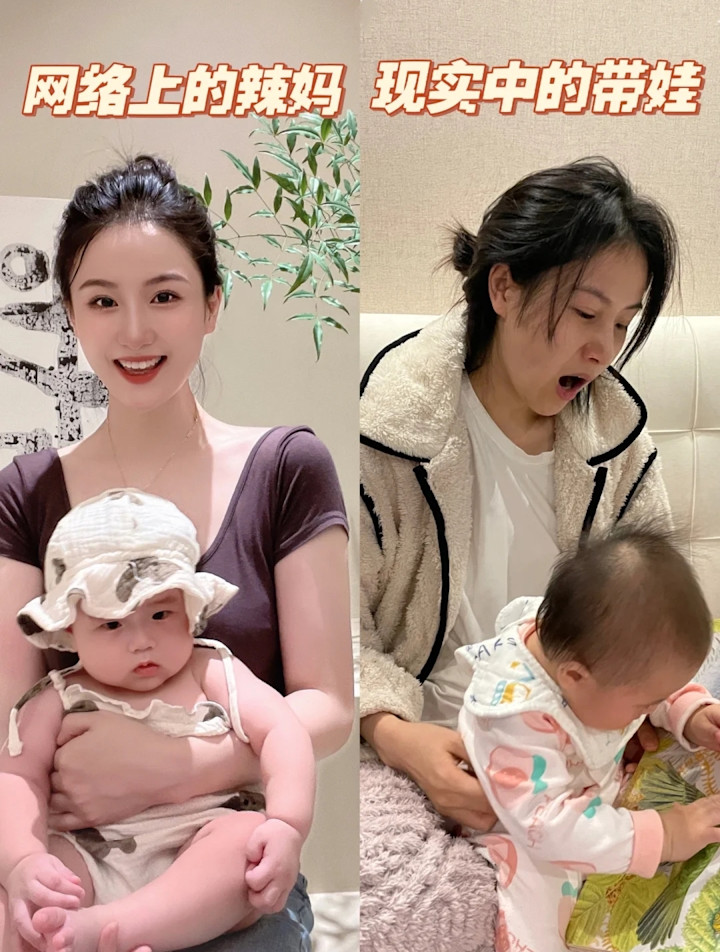
The phrase La Ma is now used to describe young mothers who are progressive, open-minded and unapologetically themselves.
Fashion blogger Yin (pseudonym) is a textbook Spicy Mum. With 80,000 followers on Xiaohongshu, she began sharing her pregnancy and postpartum journey after giving birth to her baby daughter last year.
Her most watched video sees pregnant Yin go about her daily life – makeup on, heading to the gym, eating and drinking whatever she wants.
“Don’t follow my lead, otherwise, you’ll have a fantastic pregnancy,” reads the caption. “I believe as long as we follow the doctor’s advice and use common sense, pregnant women can do anything. Our happiness is the most important thing.”
Yin’s philosophy of “happy mum, happy family” resonates with many young mothers who seek relief from the pressure of motherhood.
Traditionally, mothers in China sacrifice their own wellbeing and needs in place of their children’s, but the new generation of Spicy Mums believe the two can coexist: only a happy and healthy mum can bring up a bright and strong baby.
This doesn’t mean Spicy Mums are exempt from the challenges and obstacles of motherhood. “We don’t have to be strong all the time, it’s okay to be vulnerable,” says Yin in another video, on the traditional expectations of mothers.
Yin is not alone. Many young mothers have taken to social media, forming online communities through which they share their journeys, stories, and experiences, from parenting queries to grocery shopping.
Shao Yufei, a Shanghai-based millennial mother, tells TONG that she joined a WeChat group to share resources and recommendations, such as asking for grocery suggestions:
“I take many things into consideration when I buy food. It’s important to me that the ingredients I use are traceable and high quality, especially when I cook for my child. For example, if I’m shopping for beef, I’ll think about where the beef came from, how old the cow was, the brand or farm, and if I can buy it from a wholesale market.”
Men have also seen a rise in Spicy Mums on social media. Shao Zhuohan, a 25-year-old graphic designer who got married in 2021, says that he has seen an increase in Spicy Mums online, including single mothers sharing their independent lives after leaving their partners.
“Some are super disciplined and become even fitter than they were before childbirth,” Zhuohan observes. “They can do everything on their own, some are living an even better life without their partners.”
He thinks this trend is a positive movement for Chinese women: “If her life is truly as good as she presents, and she feels happy, then that’s a great thing. It’s not an easy thing to achieve.”
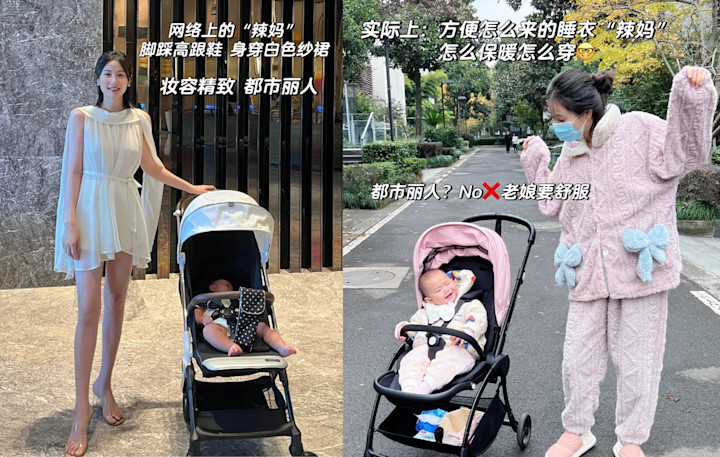
However, perfect-looking social media personalities can also cause anxiety and guilt-tripping. Although Yin often looks polished in her posts which share tips on how to lose 10kg in three months postpartum, she often reveals the ‘real side’ of a Spicy Mum lifestyle.
“Women shouldn’t feel pressured to compare themselves! In real life, a Spicy Mum online is also the tired and overworked mum next door. We all look ordinary without stylists or photo editing.” For many Chinese women, this level of independence is out of reach. In general, urban mothers in tier one cities are more likely to be Spicy Mums.
According to a study, the one-child policy may have helped foster greater gender equality in Chinese society for the post 80s generation. In addition, most Spicy Mums are well-educated, employed, and financially independent.
“My husband and I play relatively equal roles in the family,” says Yufei, who believes financial situations play an important role in determining lifestyle choices. “I’ve seen many full-time mothers who are overloaded with housework and childcare repsonsbilities. They’re exhausted and stressed.”
She adds, “Because they have no income, they have to rely on their husbands. Unconsciously, the male figure then controls the family. What can these mothers do? They devote 100% of their energy to raising children, and are expected to take full responsibility for the child’s development.”
In her family, Yufei admits that she has more say because of the financial decisions she’s made over the years. As a salesperson at a securities company, she takes managing her own money seriously.
“We sometimes do group buying, which means the price is even lower than wholesale purchases. I always make an effort to have an overview of my financial situation and the options available so that I can make the best, most cost effective choices.”
Under the pressure of working and living in big cities, many young women are turning their backs on marriage and children. According to government data, only 7.643 million couples got married in 2021, the lowest marriage rate in 36 years. Almost half of these couples married after they turned thirty – traditionally an old age to marry in China. This trend has contributed to China’s plummeting birth rate, which continues to decline despite the introduction of the three-child policy last year.
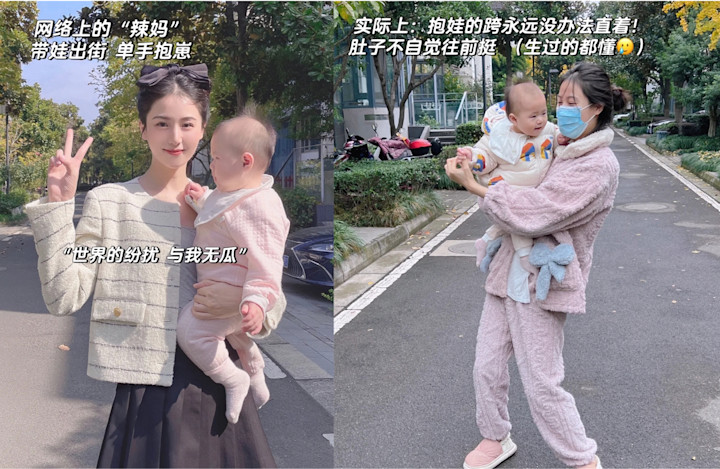
Spicy mums are not super women, either. Most young mothers we spoke to highlighted the importance of family support.
Kang’s soldier husband is only home on the weekends, so her mother and mother-in-law help Kang take care of the baby during the week.
“Because our parents are still relatively young, they’re eager and capable of providing childcare. They also help us on the financial front,” Kang admits. “All my friends get help from their parents. After all, we have day jobs, we need to find someone to help.”
She refuses to hire a nanny, however.
“You know, young people like us don’t trust nannies. We have to find someone in the family. I can probably pay one of my relatives but we don’t have to pay our parents, right? That also saves some money.”
Even though Kang doesn’t sleep well due to breastfeeding and also faces some financial difficulties, she doesn’t regret having her son at a young age. But she also confesses that she didn’t fall in love with her son at first sight, and shares her experience of postpartum depression:
“My son stayed in the incubator for more than a week. I watched TV in my bed for eight days without ever worrying about him. After we went back home, I felt irritated and trapped.”
“I love him so much now,” she says emotionally. “In the beginning, he slept 20 hours a day. But later, he began to open his eyes and interact with me, to laugh and cry, I think it’s an amazing thing to witness and be part of.”
Zhuohan also wants to spend more time with his child, to experience the early years and watch him grow:
“If possible, I’d like to balance childcare and work, maybe even bring my child to my workplace. I think it would be ideal to have a job which is flexible about that.”
He also wants to alleviate more pressure from his wife in the future.
“I hope my wife won’t feel as though she is the only one involved in childcare. I want her to maintain her hobbies and hang out with her friends,” says Zhuohan. “She’s already tired from childbirth. Some men may say we have to focus on our careers as breadwinners, but I disagree. After all, I’m five years younger than her, so I should have more energy.”
Prioritising self-fulfilment, Yufei recently changed job to grow her network and advance her career, meaning she has to spend more time at work and sometimes attend business dinners in the evenings. Luckily, her parents are on hand to help take care of her daughter.
“If I’m at home, I try to be around my child as much as possible. With parenting it’s all about communication. My husband and I always talk it out,” she proudly shares.
She also thinks other young mothers have a similar view:
“I think the younger a woman is, the more she cares about self-fulfilment.”
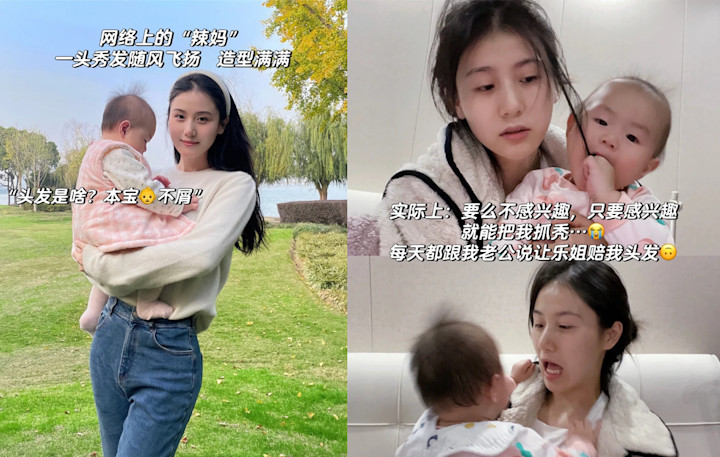
China’s Spicy mum trend has evolved to expose the highs and lows of motherhood in China. In line with other consumer trends, such as lying flat and Songchigan, the next generation of women are rejecting social expectations and pressures, in pursuit of a multifaceted lifestyle and sense of self.