













Quick jump
Recently, Nike’s all-Cantonese ad featuring Su Bingtian went viral across Chinese social media. It didn’t just resonate with Cantonese-speaking audiences; people across Mainland China in the marketing and advertising industry were sharing it, calling it the gold standard of localisation. Audiences knew it was an ad, yet they kept replaying it. Some even said it captured ‘Guangzhou culture’ better than the city’s official tourism videos.
Linked below is the ad Nike made with Su Bingtian. Su is one of China’s most famous sprinters and the Asian record holder in the men’s 100m (9.83 seconds). On 20th November 2025, after running his final race at the Guangzhou National Games, he announced his retirement. Soon after, Nike released this ad to honour the legendary athlete.
Why did this particular Cantonese ad blow up when so many others didn’t? How did Nike manage to create a localised campaign that won so much praise?

1. More than a 'word-for-word' translation
The hardest part of localisation in China isn’t making sure people understand the message, but making people in a specific region feel, ‘This is my life.’ The dialogue rings true, fluent and authentic, with none of that stiff, ‘translated’ vibe.
Take the phrase “得个吉” (meaning “all for nothing”). This is something only truly local Cantonese speakers would say. That kind of precision and warmth instantly closes the gap between brand and audience, evoking a deep sense of cultural connection.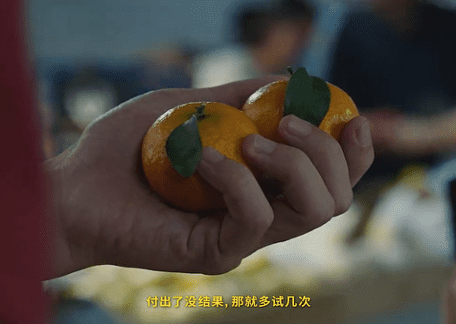
2. Rather than offering clichéd motivational lines, the ad unfolds like a rich, slow-simmered soup
The ad doesn’t shout empty slogans like “fight hard” or “follow your dreams.” Instead, it compares an athlete’s decade-long persistence to something Guangdong people understand best: slow-cooked soup.
The line says it well: ‘下了功夫,哪会不长本事?’(Put in the work, and of course you’ll build your skills) – just as making a good soup requires the right ingredients and enough time. This metaphor turns abstract sporting spirit into something you can see, smell, and taste. It’s grounded, and it warms the heart.
3. Every detail is carefully crafted and rooted in daily life, turning sweat and setbacks into vivid metaphors
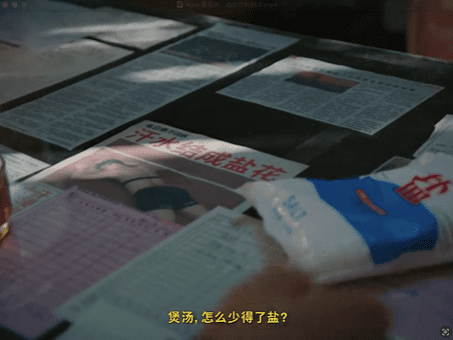
Sweat drying into tiny salt crystals mirrors the salt essential to soup, hinting that “hard work is the base flavor.”
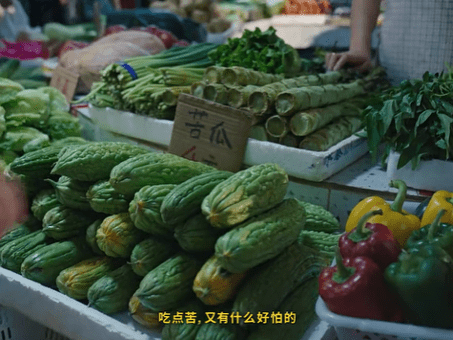
Setbacks in training are compared to the bitterness of bitter melon in soup, which ultimately leaves a sweet aftertaste.
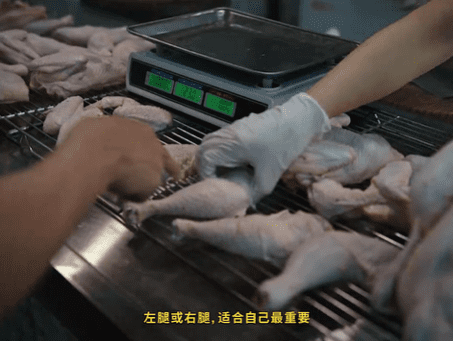
Even Su Bingtian switching his starting leg because of injury is humorously matched with the idea of choosing which ‘leg’ to purchase from the vendor when making soup.
These metaphors make the idea of perseverance feel close to home, embedded in the wisdom of daily meals.
4. A global slogan quietly becomes a neighbourhood catchphrase
Nike’s global motto, “Just Do It,” takes on a local twist in this ad, expressed by Su Bingtian as he passes the baton: “试下先啦.” In Cantonese, it roughly means “just give it a try,” a down-to-earth echo of the iconic slogan.
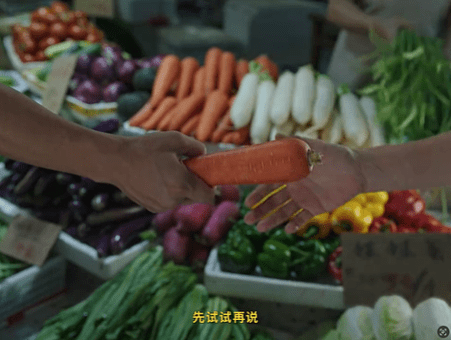
5. Right person, right time, right story
As Su Bingtian retires, Nike’s tribute does more than celebrate the brand’s spirit. It gives the story warmth and a sense of closure, like a hero returning home and quietly blending back into everyday life. This isn’t the first time Nike has chosen the perfect athlete. When Zheng Qinwen won gold at the Paris Olympics, Nike once again captured that precise moment of emotional resonance between athlete and audience, turning a sporting triumph into a story everyone could relate to.
Localising for China isn’t easy, but Nike shows what happens when a brand truly understands the subtleties of local culture. In the end, the reason this ad stayed with people is because Nike didn’t treat viewers as ‘an audience.’ It treated them as ‘one of us.’ It used the language of daily life to tell a story of persistence – tying into Nike’s core values, and the daily concerns of its target audience.
Localisation was never about translating subtitles; it was always about translating emotion.