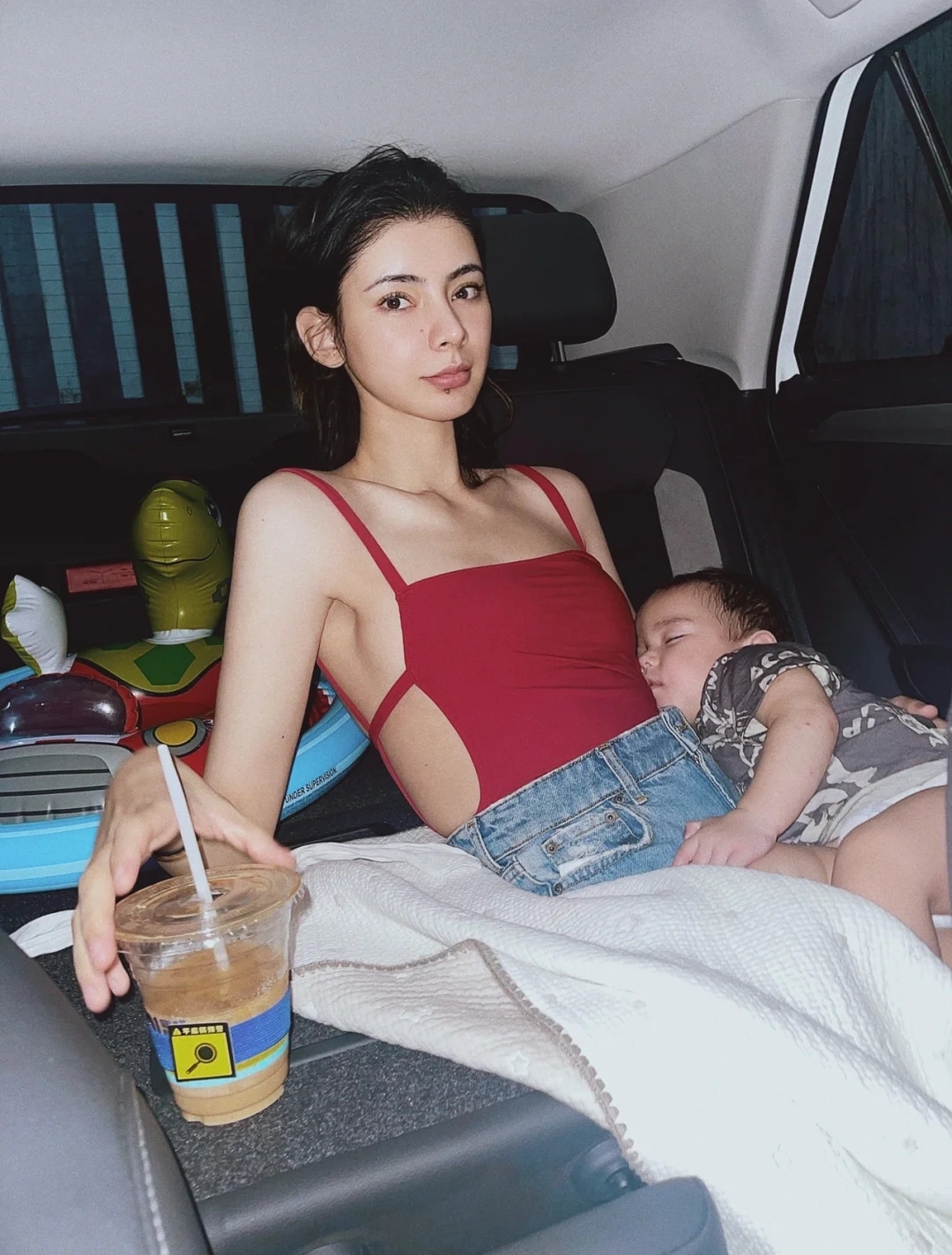










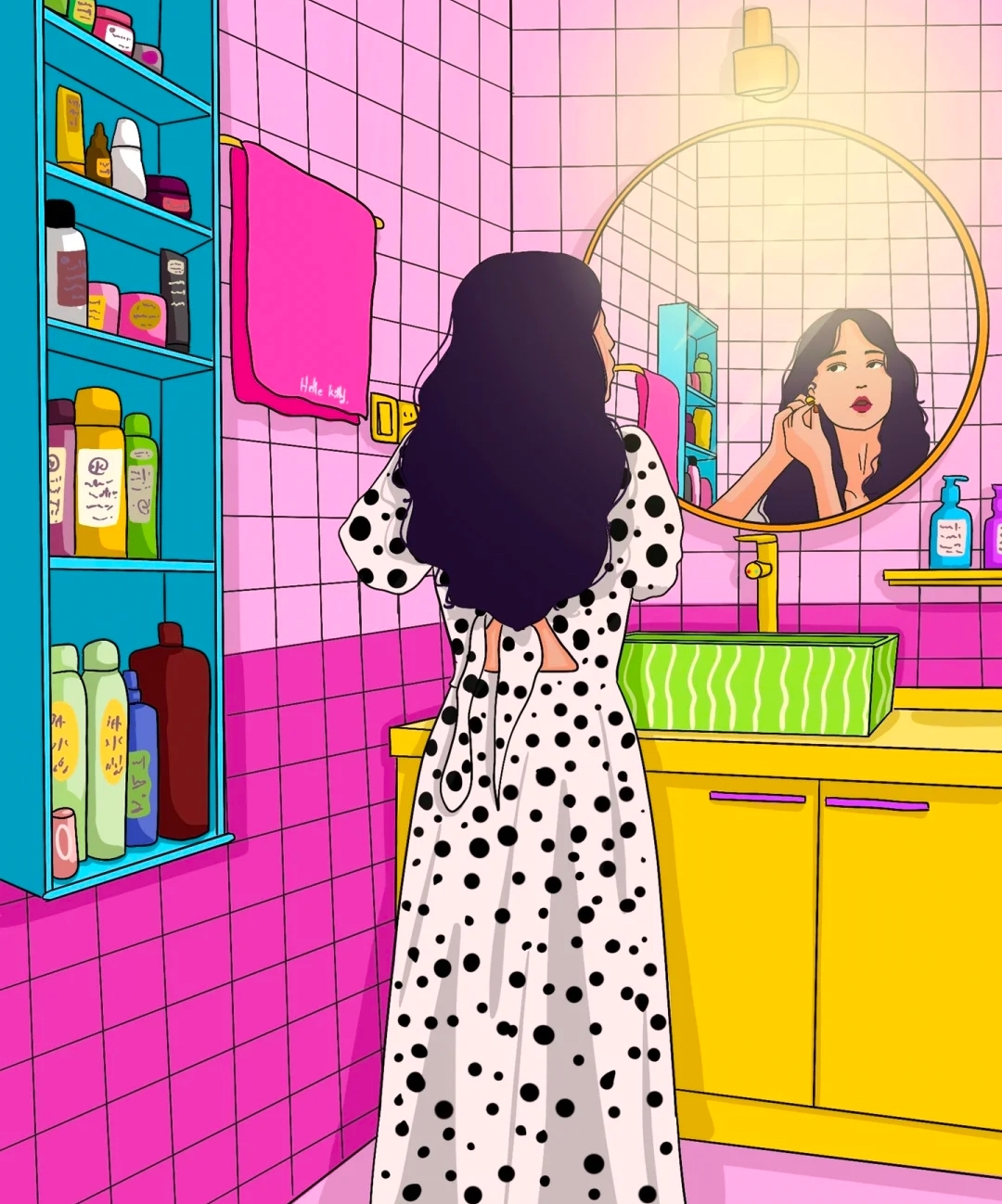

Young Chinese women, particularly members of Gen Z, are increasingly independent, seeking diverse lifestyles on their own terms. China’s ‘lying flat trend’ remains prevalent amongst young Chinese consumers, even more so female consumers who not only resonate with the phrase in terms of their work but also in respect to starting a family.
“For decades, Chinese urban families have been getting rich and accumulating wealth, and because of China’s one-child policy, a large proportion of that wealth is now owned by young urban females. – Shen Jiake for SCMP.
Despite China’s public push to incentivise women to have children, the experience of Zero-Covid restrictions and the soaring cost of childcare are just some of the many reasons why Chinese women are putting off motherhood. For such policies to be effective, they must make women feel as though their rights and quality of life will be improved.
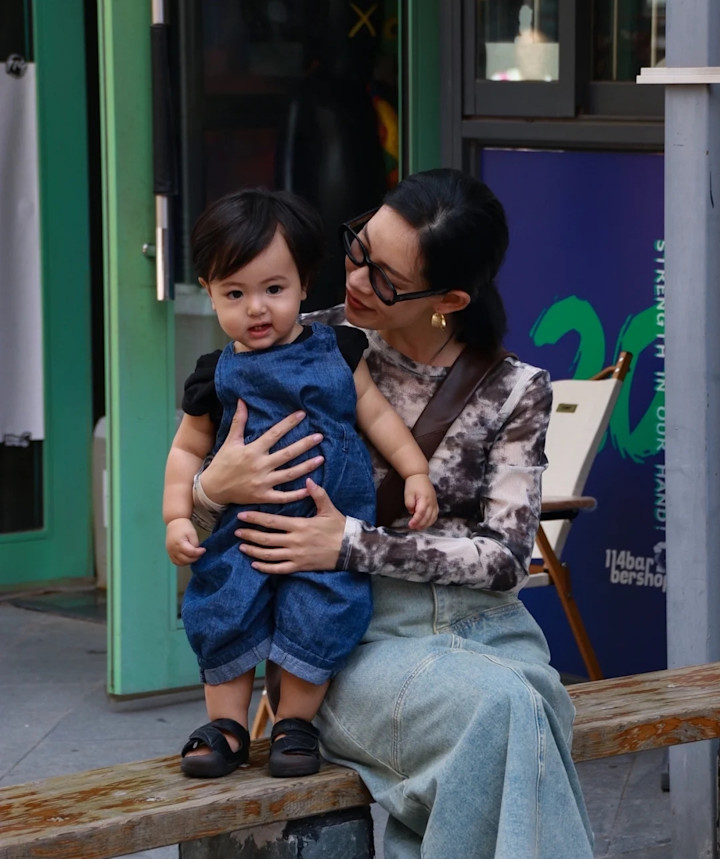
For those women who have decided to have children, they are doing it on their own terms. China’s mother and baby sector is sophisticated and diverse, with increased demand for baby skin care products, luxury children’s wear and low-toxic brands. This group of consumers are discerning, each with unique consumption styles and motivations.
In 2023, Chinese mothers’ shopping habits aren’t just driven by quality and safety factors – now considered the the bare minimum standard. Instead, the ‘worth’ (值得) of an item is the most important element: whether it adds value to the household, to themselves or to their children. A product is considered ‘worthwhile’ if it is high quality, cost effective and helps to save time.
TONG breaks down three key profiles of China’s modern mothers in 2023:
The Lifestyle Guru 生活家
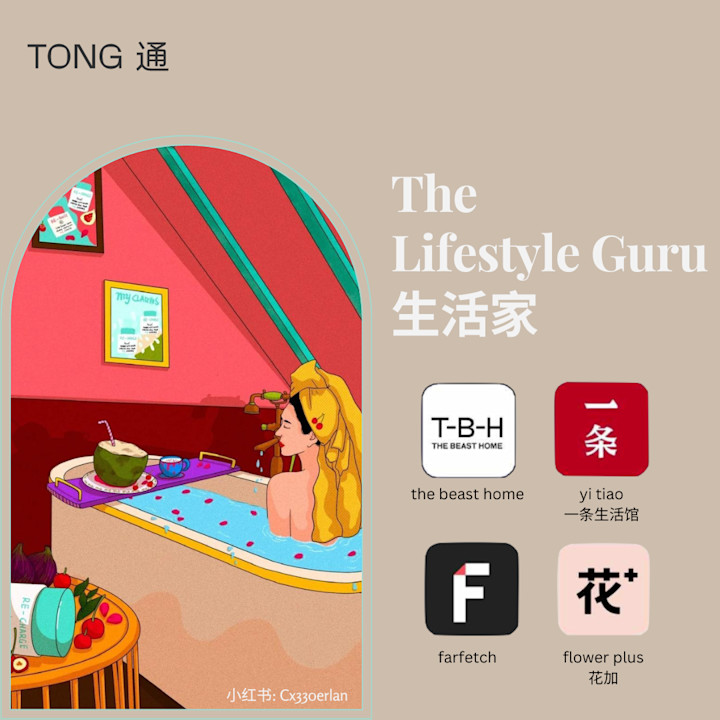
This mother has a taste for the finer things in life and goes shopping because ‘she deserves it.’ Self-care is high on her agenda and she is well practised on how to achieve a fulfilled lifestyle, even in motherhood. She sees motherhood as an opportunity to buy more things for her children, spending money on everything and anything that adds to the enjoyment and quality of her life. From makeup to fashion, home décor and eating out, shopping plays an important role in her lifestyle, but products must be high quality to be considered high value.
Spends her time:
Following vloggers and influencers who share tips on how to maintain and achieve her maximalist, instagrammable lifestyle.
Platforms she uses:
Lifestyle and fashion shopping apps for high quality products that serve her aesthetic.
The Expert 小能手
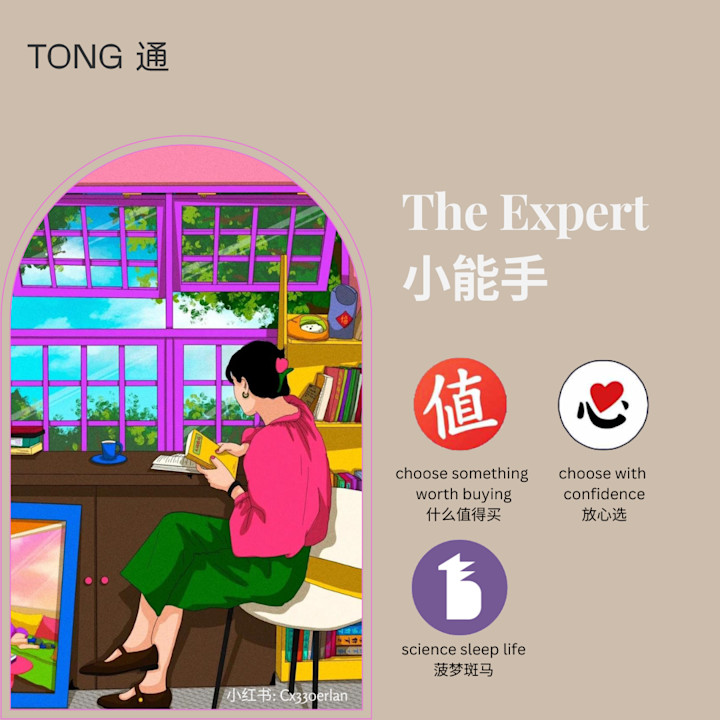
These mothers are constantly on the go and want products which make their lives easier and save time: they are experts on finding value for money solutions to everyday problems. Although value for money is an important factor when it comes to shopping, if a product can also bring happiness and joy to her family unit, then it is also considered ‘worthwhile’. These mothers will happily research a product on different platforms to make sure it’s a good investment. Her shopping habits are defined by three ‘goldilocks’ conditions:
- Has a positive impact on her family’s lifestyle
- Has a high cost-performance ratio
- Receives high-scoring reviews
Spends her time:
Following vloggers who are experts in finding value for money, high performing products.
Platforms she uses:
Apps which help her find useful, solutions driven products for the best possible price.
The Minimalist 断舍离妈妈
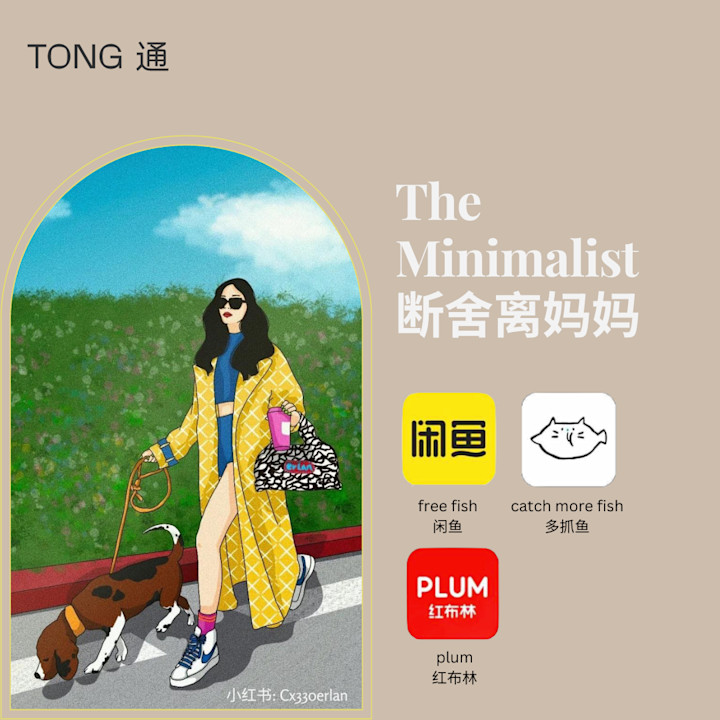
The most discerning of all our Chinese mother profiles, this mother won’t buy something unless it brings a direct benefit or use to her life. These mothers value a clutter free living space and won’t hesitate to throw away items that don’t serve a purpose, only keeping treasured items of high sentimental value in their home.
Spends her time:
Watching videos on how to lead a simple lifestyle and build a minimalist wardrobe. Joins like-minded online communities for shopping recommendations.
Platforms she uses:
Second hand apps to get rid of unwanted clothes and clutter.
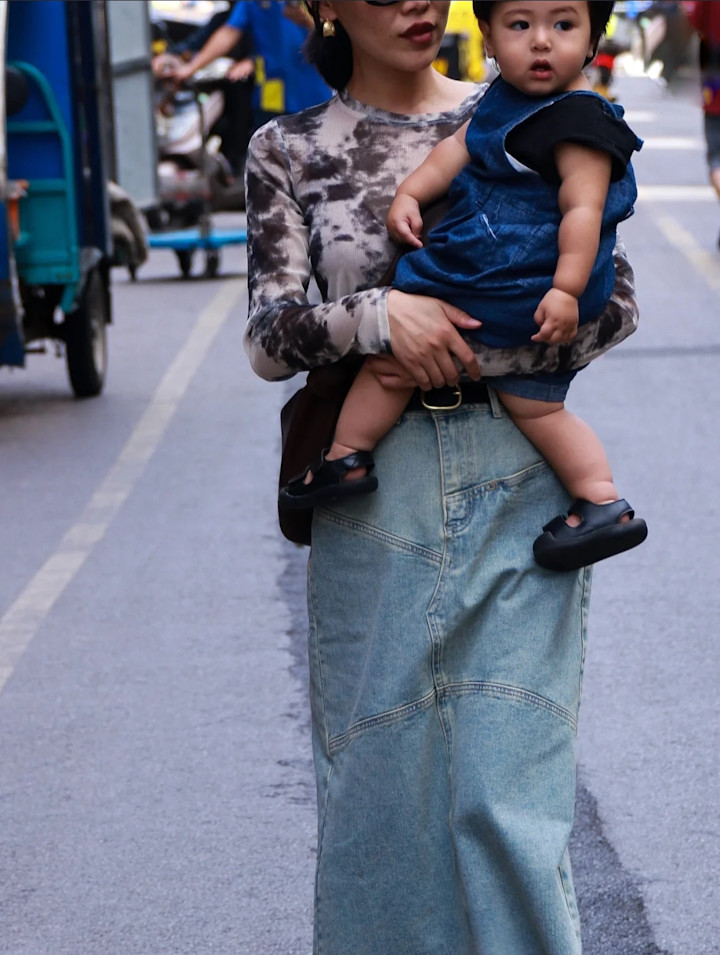
Chinese consumer behaviour is routinely influenced by new lifestyle trends – the mother and baby sector included. Brands should strive to engage with the new generation of Chinese mothers who are rejecting social expectations and pressures, in pursuit of a multifaceted lifestyle and sense of self.
The natural order of women in Chinese society is changing, and the Chinese women who are going down the path of motherhood are very different to the mother and baby consumer profile with which Western brands are familiar. China’s young mothers are fiercely independent, efficient, and discerning.
Whilst brands should empathise with the challenges of raising a child in China and strive to unravel the complex personalities of their target audience, they must also recognise the opportunity to leverage the purchasing power of these consumers.
Urban mothers are wealthy enough to prioritise spending on both their child and themselves – in 2023, China’s mother and baby market is an opportunity for brands to engage with a group of consumers who are eager to invest in a variety of product sectors, from fashion to infant care, postpartum and homeware.