




The tectonic plates of Chinese luxury consumption are again shifting. Various factors are much discussed – consumption is becoming more ‘rational’ as wallets as squeezed, Chinese brands are outperforming global competitors, and the proportion of overseas luxury spend is rebounding after pandemic-era restrictions forced shoppers to buy locally.
More crucial than understanding these trends, is to understand that mindsets are in flux. Owning luxury is less important than experiencing luxury, timelessness is prioritised over labels, and scarcity is valued as consumers reject over-distributed luxury-gone-mainstream. A sector that is benefiting is luxury interiors. A natural conclusion of the evolution in mindset is to invest in your home experience – creating unique, curated spaces which transcend novel trends, and deliver on an experiential, sensorial, emotional, and immersive level.
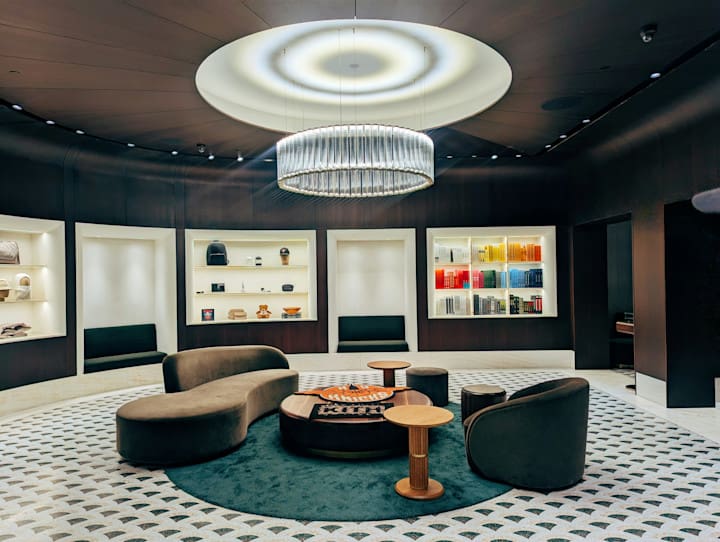
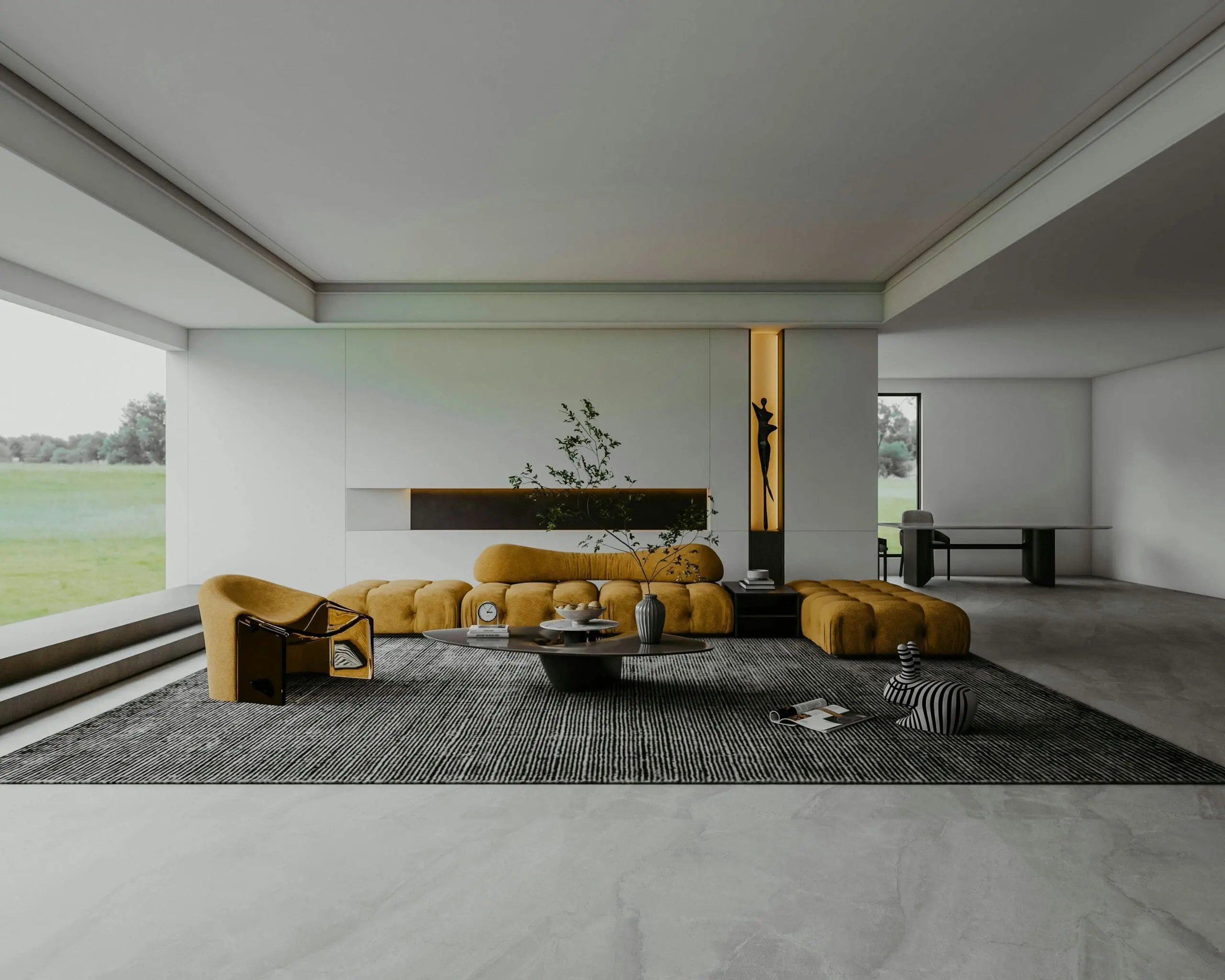
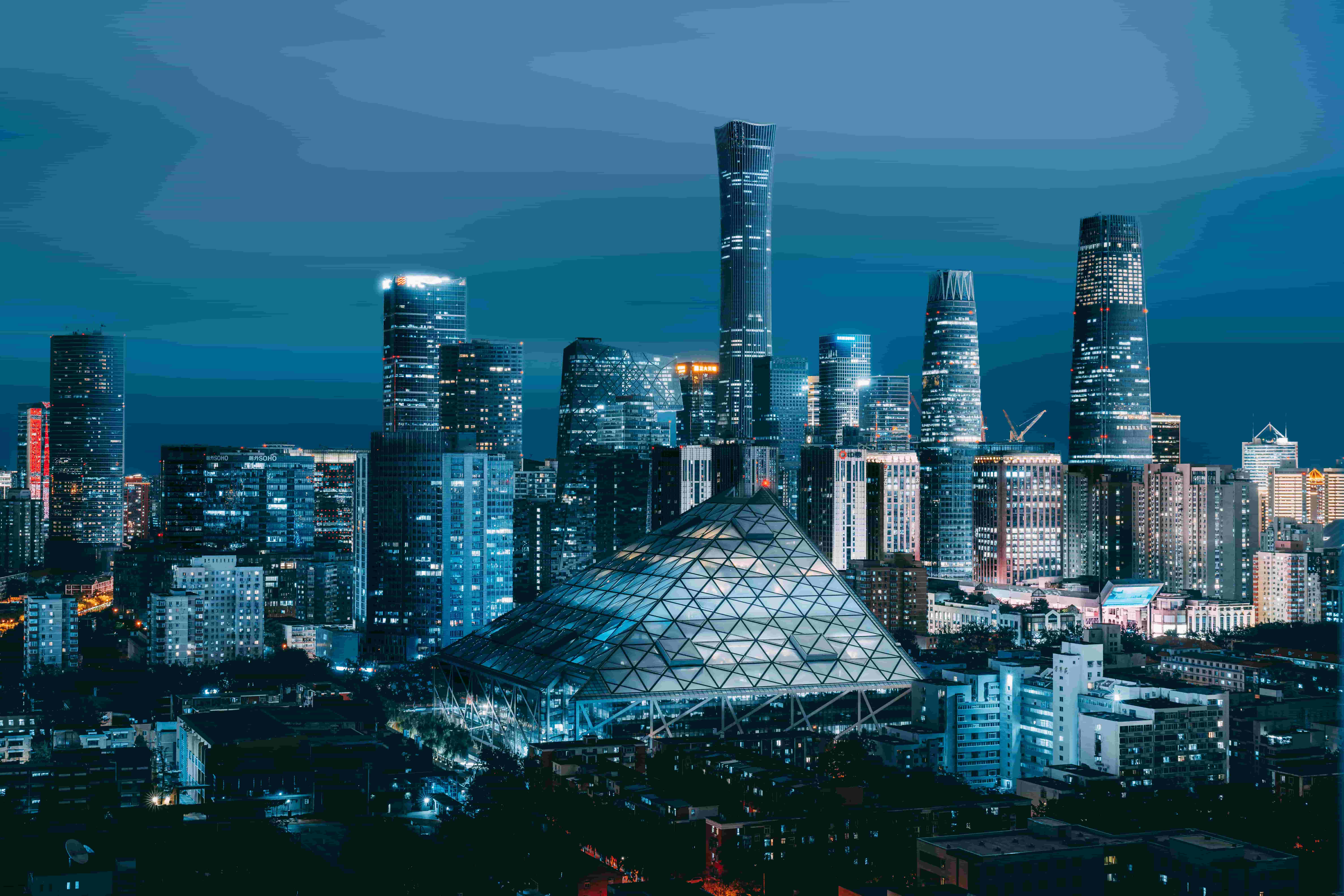
Unsplash, photographer: note thanun
Major Brand Diversification
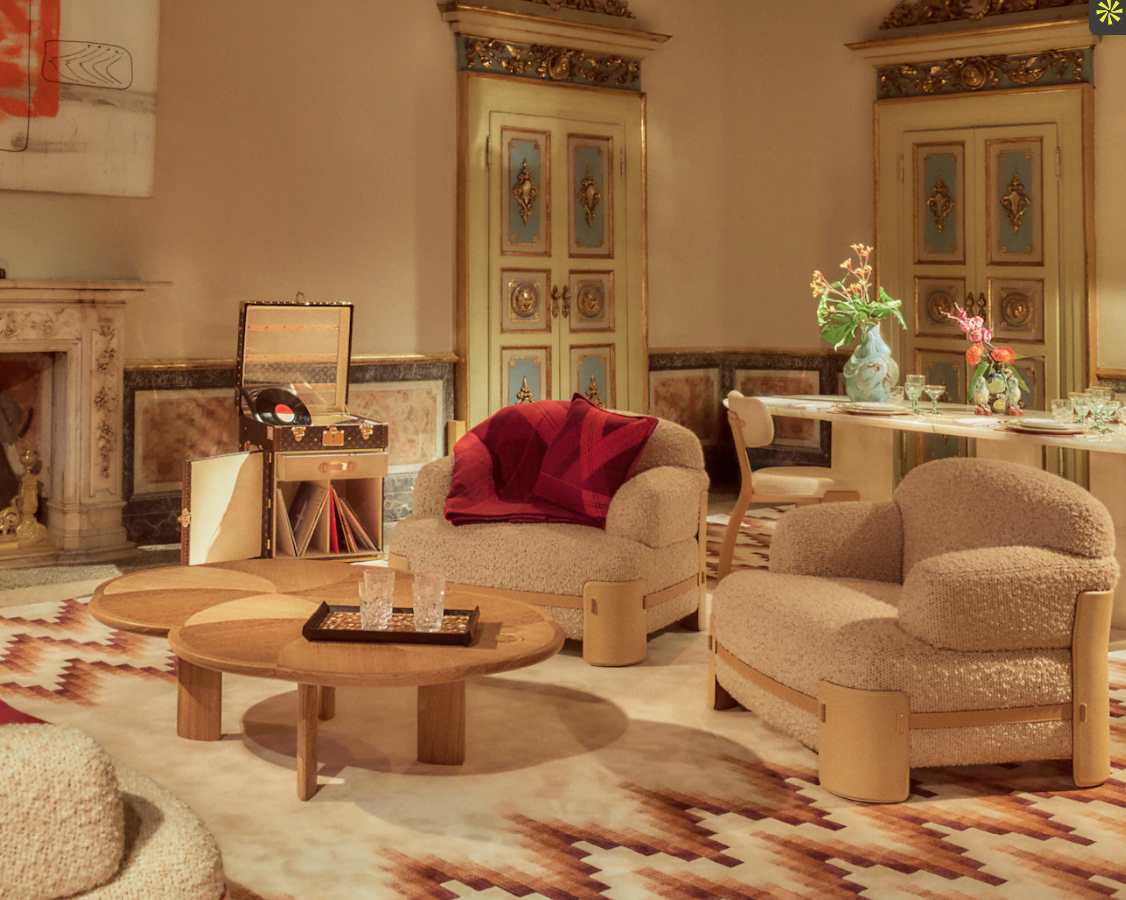
In the past twelve months we’ve seen expansion from global luxury brands into the Chinese luxury home industry – not least Fendi Casa’s latest flagship store in IFS Chengu. With growth in the luxury home decoration sector estimated at 4% in 2024 – far outstripping performance in other luxury subsectors – it’s clear why they’re making the leap.
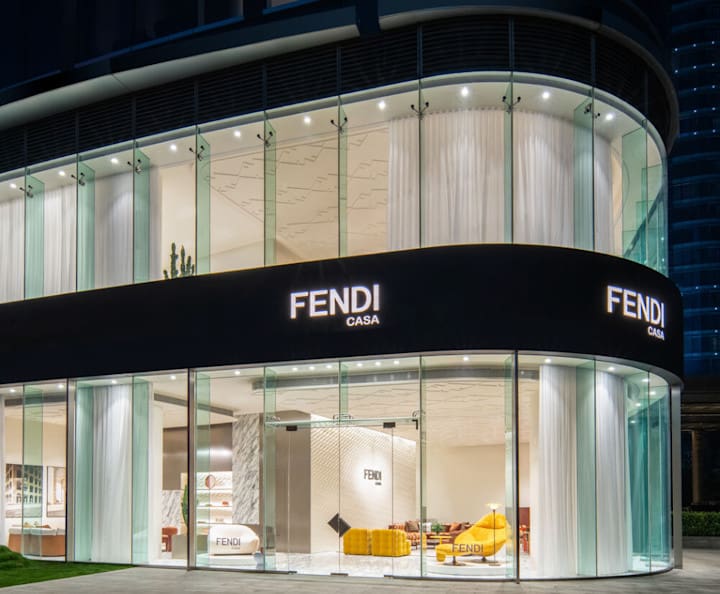
Fendi Casa Chengdu
Although able to capitalise on their strong brand equity and established sales networks, famous brands nonetheless are facing the reality of consumers, in particular Gen-Z, who are looking to go beyond relying on logos for proof of quality, and who look to demonstrate their tastes through their choice of home decor. For sophisticated audiences looking to build an aesthetic – and a space which can instil a sense of warmth and belonging – brands are aiming to convey the holistic experience of a room or abode, incorporating sensory elements of lighting and scent, and building a sense of how life unfolds around a piece.
Niche brands are thus presented with an opportunity – to offer genuinely compelling products, differentiated from their competitor set, which can match the emotional and sensorial expectations of their target audience. One example is the French tableware brand Astier de Villatte. Previously relatively unknown in China, the brand used a curated influencer and wider marketing strategy to gain initial recognition. A partnership with DONGLIANG栋梁, a fashion concept store known for its refined aesthetic, continued the strategy of association with the right tastemakers – driving both notoriety and revenue growth.
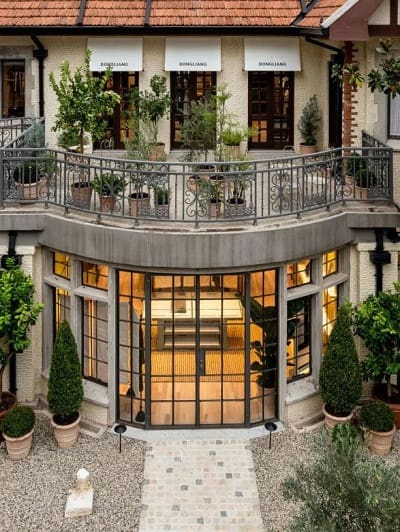
Dongliang’s Shanghai store: Photo/WeChat account: shchangning
Diverse Tribes
There are an estimated one million households in China with assets in excess of 10 million RMB ($1.4m USD), while the quantity of those with assets more than 100 million RMB ($13.9m USD) has surged to 130,000 – more than doubling in the past decade.
Such a large group is diverse – both geographically and demographically. The affluent Gen-Z audience in Tier 1 cities has markedly different motivations and aesthetic preferences to traditional luxury aficionados. Meanwhile as wealth continues to grow across the breadth of China, and driven by China’s eCommerce titans, consumers in harder-to-reach locations have increasing access to a wider range of luxury home products.
Indeed, according to Tmall’s latest report on the segment, the platform saw growth of 20% in the Home Luxury and Lifestyle category in 2024 – making it the fastest growing category on the platform. Sub-categories ranging from designer lamps to home fragrance, and from luxury tablewares to designer furniture all show strong growth trajectories.
Selecting Partners and Building Desirability
For any niche brand aiming to grow their audience and sales to China, it is no longer enough to find a retail partner and hope for the best. Who you stand with says a lot about who you are. When a brand lacks recognition, where it shows up—and who it aligns with—matters enormously. Discerning customers yearn to understand brands’ values, stories, and unique strengths. Routes to market – from interior designers and property developers to boutiques, and the ever-more important eCommerce channels – continue to change, interact, and develop.
To thrive, brands must choose the right partner network, and deeply understand the landscape, their consumers, and their own purpose. Moving beyond practical, function-based messaging and selling emotions, aesthetics and experience creates an enormous opportunity to be part of how the new generation of Chinese consumers expresses and experiences luxury at home.
To be the first to receive TONG’s upcoming insight report into China’s luxury home market, subscribe to our newsletter.