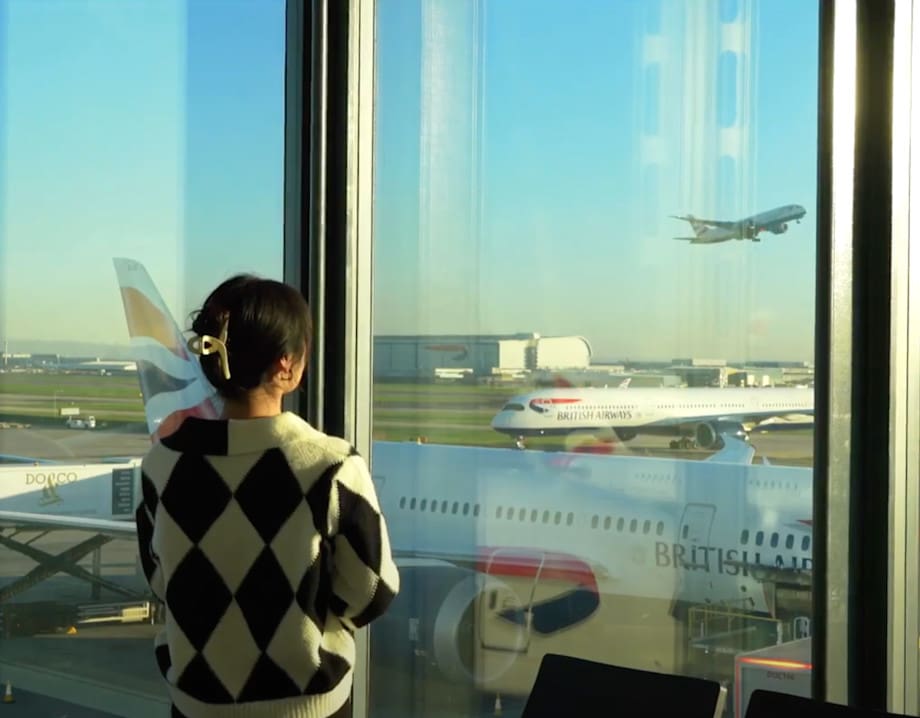













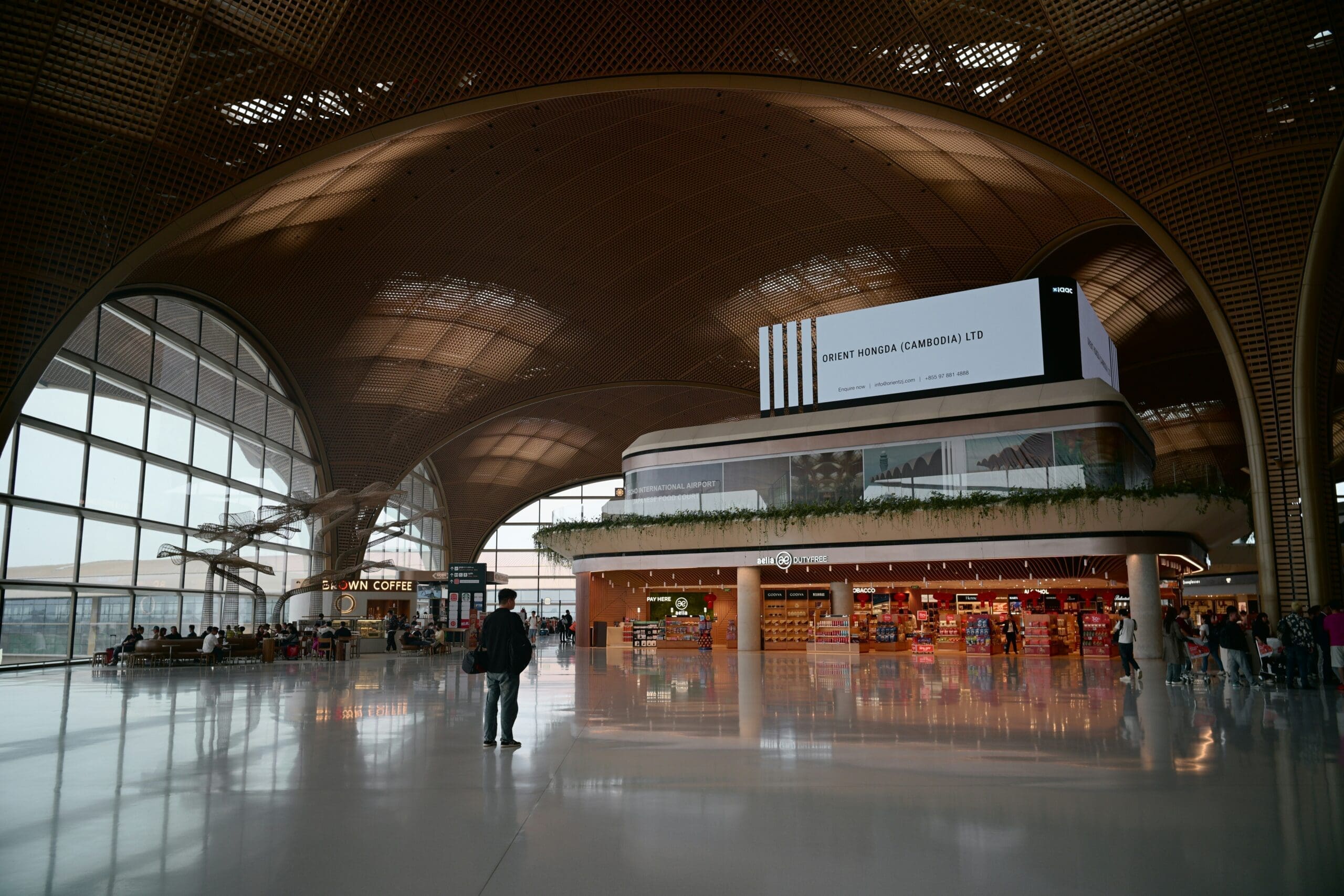

Outbound travel from China has been recovering. During the past Lunar New Year Holiday, long-distance overseas travel grew 60% year-on-year (YoY), and short-distance travel outside China surged 160% – with Asian destinations proving the most popular destinations in recent months. Parallel to this recovery in travel, we are also seeing a shift in shopping patterns – customers are showing different behaviours when it comes to duty-free shopping, making this a key moment for operators to adapt, ride the wave, and accommodate customers’ new wants and needs.
The Slowdown
After the post-pandemic “revenge” consumption, Chinese tourists seem to have slowed down their duty-free “spending sprees” on their trips abroad.
For example, in South Korea, where Chinese visitors contributed 70% of duty-free purchases in the country pre-pandemic, the number of visitors has already recovered to 92.3% of 2019 levels in the first 11 months of last year. However, duty-free sales had fallen to their lowest levels since 2015, with a 12% decline YoY to 80.6 billion USD during the period.
For Japan, duty- and tax-free sales declined by 17% in 2025. KPMG attributed this mainly to a decrease in per capita spending by Chinese tourists. So, what changed?
To understand how duty-free shopping can recover and thrive, following this evolution in consumers’ behaviour, we first need to dive deeper into the reasons behind it and the factors affecting consumers.


The Change
The change in duty-free performance is not a disappearance of demand, but a transformation in Chinese travellers’ shopping behaviours.
Economic pressures and shifting priorities mean the traditional high-spending middle-class tourist is more conscious of their purchases. At the same time, younger travellers are redefining what travel looks like. Packaged tours, once a reliable driver of duty-free footfall, are becoming less popular and being replaced by more independent, experience-led itineraries.
This new generation places greater emphasis on cultural immersion, discovery, and personal relevance. Shopping still plays a role, but it is more intentional. Rather than always defaulting to global brands in duty-free environments, more travellers are actively seeking products that feel unique, locally meaningful, or unavailable at home.
Digital behaviours are also reinforcing this – on platforms such as Xiaohongshu, young Chinese travellers see content from KOLs, KOCs, and other normal users, creating real-world comparisons and influencing destination choices, shopping preferences, and broader travel habits. This adds the need for ‘emotional value’ in purchase decisions – creating an opportunity for retailers to go beyond product or pricing messaging alone and create a more profound consumer relationship.

The New Duty-Free Landscape: Hainan and Beyond
While the younger consumers from China are more willing to pay for ‘emotional value’, they remain highly price-literate. For highly commoditised categories, they use Chinese social platforms to compare prices between official outlets, “daigou” personal shoppers and duty-free stores abroad to find the best deals.
For many in China, the biggest change to the duty-free shopping landscape in recent years has been the province of Hainan becoming a duty-free zone with an expanded list of duty-free goods. Hainan’s status was achieved last December after the island-wide customs closure, just in time for both the New Year holiday and Spring Festival. The Lunar New Year period saw a 30.8% surge in duty-free sales YoY to 2.72 billion RMB. Cities such as Guangzhou are also opening high-street duty-free stores to serve both locals and foreign visitors.
Crucially, this has created a more competitive, interconnected marketplace. Chinese consumers now move fluidly between overseas duty-free stores, domestic duty-free hubs, and online channels. They compare prices in real time, assess authenticity, and evaluate overall value before making a purchase.
This has ultimately redistributed demand and raised the bar for all players. Overseas duty-free operators are no longer competing in isolation; they are part of a broader ecosystem where differentiation is key. Essentially, capturing Chinese consumers abroad has become more similar to capturing them in China, requiring messaging that resonates and prices that match the perceived value. Being acutely price-aware and flexible allows them to choose between overseas duty-free stores, in-country ones, or select online channels. The current headwinds facing the duty-free sector represent an opportunity for it to reposition and attract Chinese customers again.

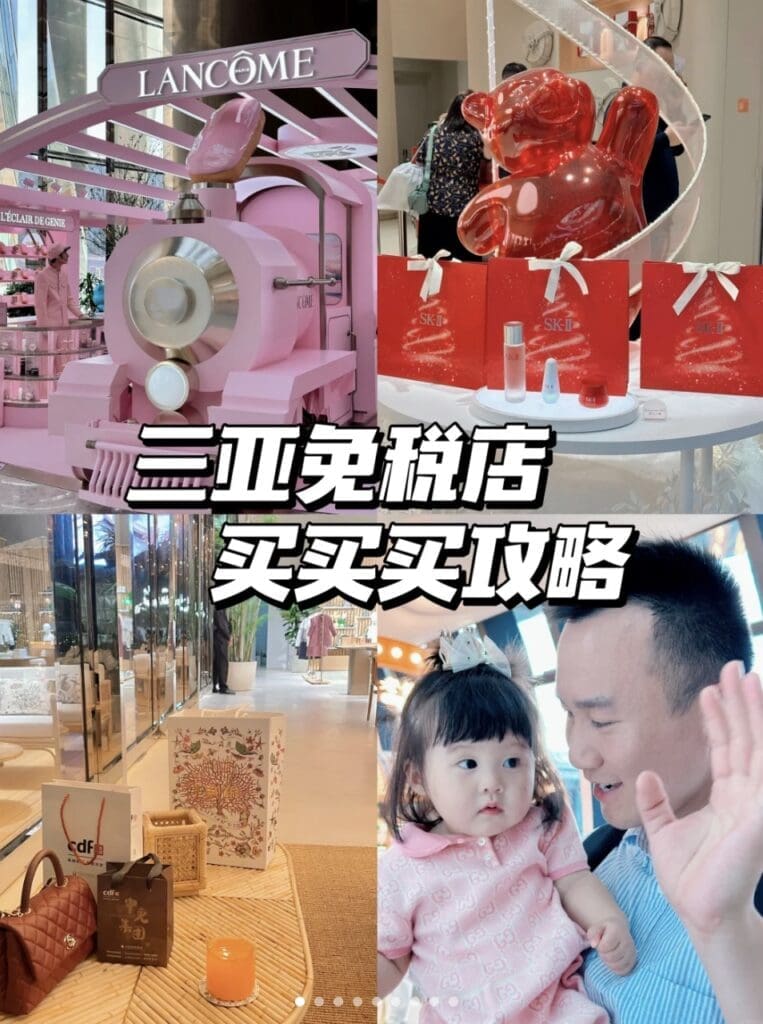
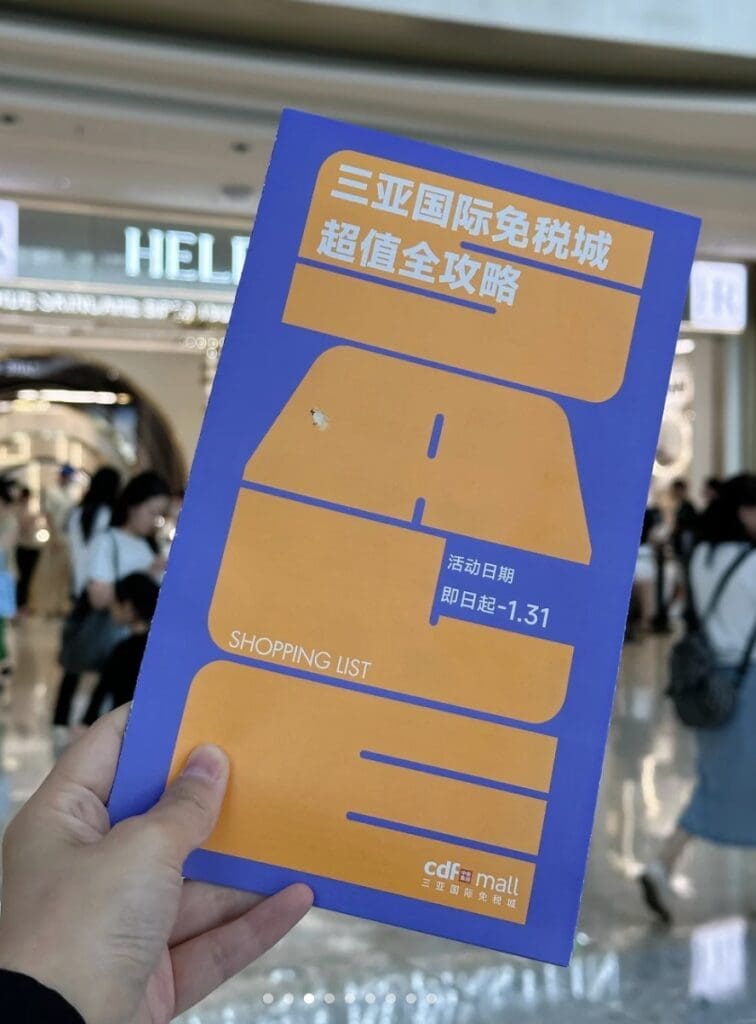
What brands can learn:
Chinese travellers are still spending, but with greater intention, awareness, and selectivity. Travel has also been recovering, highlighting the scale of the opportunity for duty-free operators. However, capturing this demand requires a new approach.
Firstly, product strategy must evolve – curation is becoming an increasingly crucial factor for conversion.
Secondly, value must be clearly communicated. Consumers can now benchmark prices across channels instantly, so pricing needs to be consistent, transparent, and justified.
Finally, and most critically, marketing must work harder. Influence has moved upstream, with discovery and decision-making happening before travellers even arrive at an airport. Brands and operators need to engage consumers earlier, through the platforms and content formats that shape their journeys, while reinforcing relevance in-store through targeted, localised messaging.
In this evolving landscape, duty-free is not losing relevance – but rather being redefined. The brands and operators that succeed will be those that recognise this shift and respond quickly, with sharper curation, smarter pricing, and more effective marketing.