




International Women’s Day is celebrated across the world on March 8th, but in some ways it is a more significant festival in China compared to most countries. The political implications of International Women’s Day are often what attract celebration in many societies and while Chinese narratives do promote female empowerment, the date also sees a huge drive of marketing and consumption unparalleled in many other major economies.
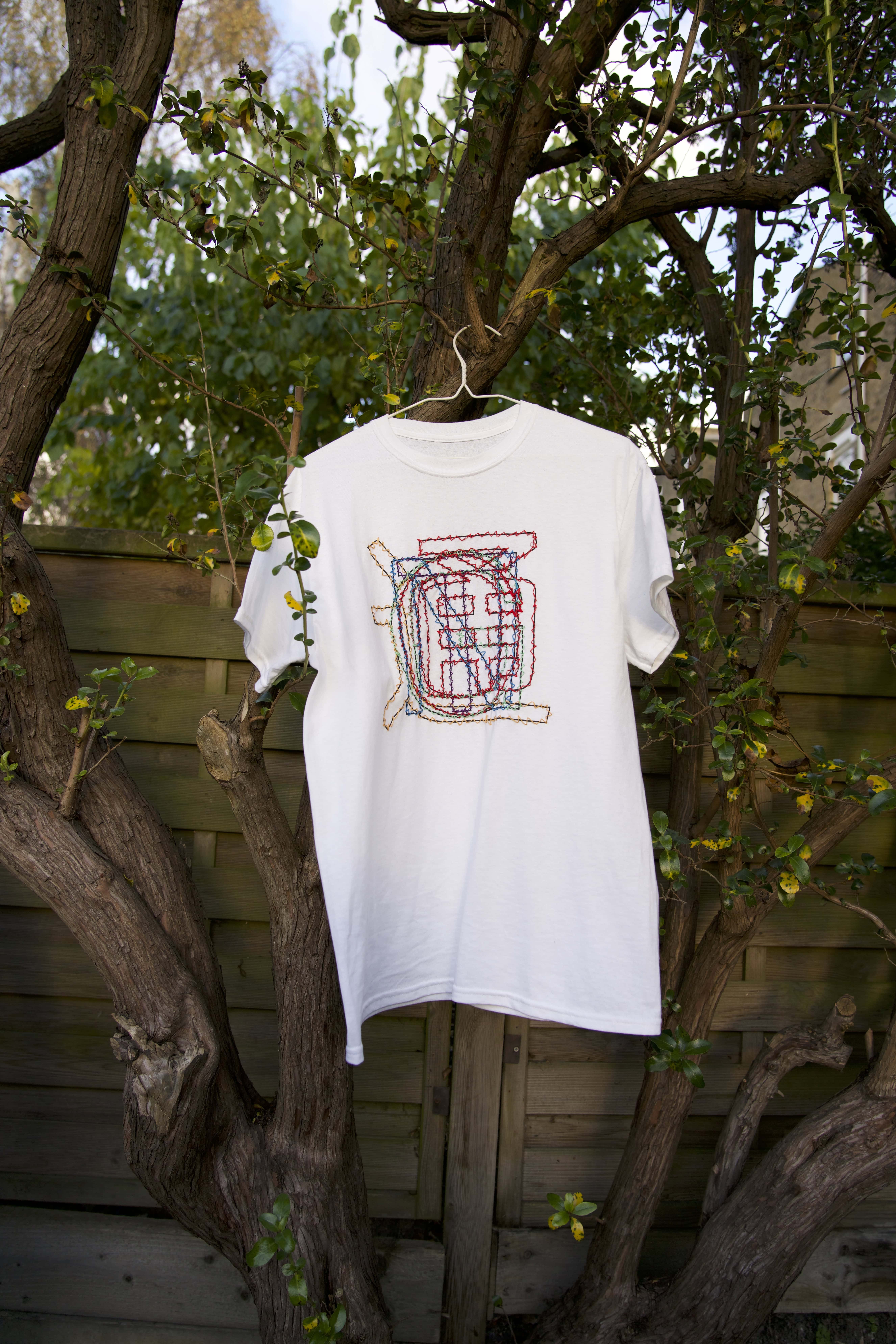
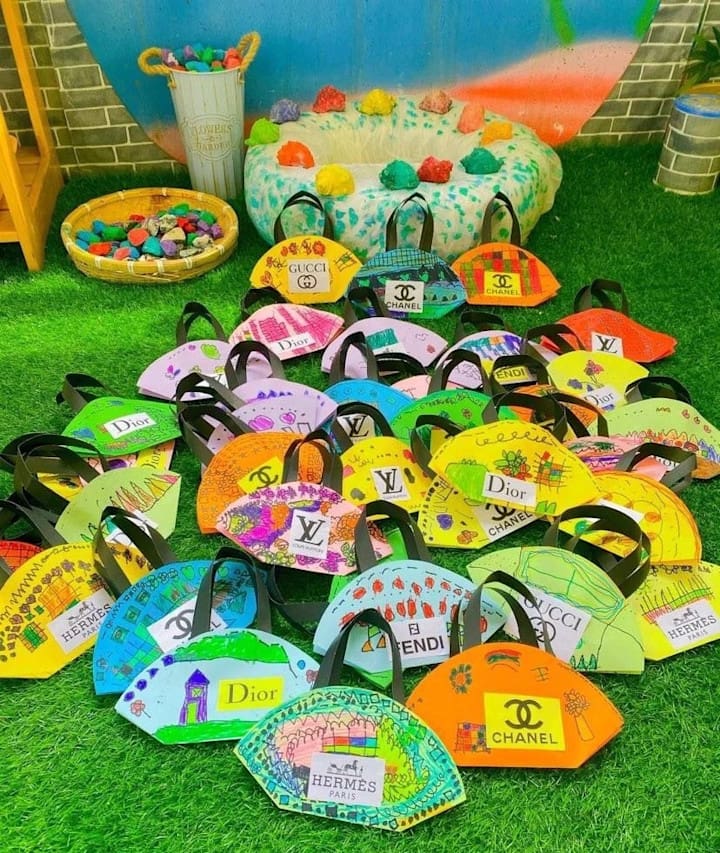
The cultural trends and consumption practices born out of women-focused marketing are always worth noting. In the lead up to IWD 2022, there is a surge of interest in handicraft, speaking to a wider desire among many to create something meaningful. Appealing largely to those who wish to make gifts for their mothers, friends, or lovers, a barrage of content on RED and Douyin is showing viewers how to craft gifts from paper for important women in their lives.
Hits for ‘International Women’s Day craft’ on RED produce a range of tutorial videos with thousands of engagements on how to make flowers, handbags, and much more through the intuitive use of paper. Paper seems to be an accessible medium that aspiring crafters can experiment with straight away and is generally safe for children too.
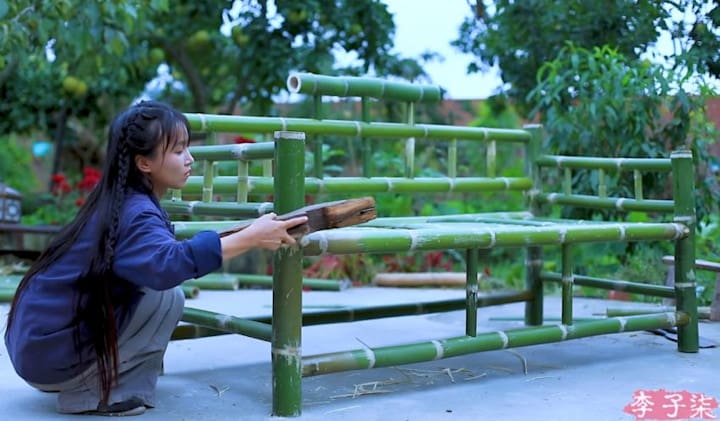
A wider uptake in craft among young urban Chinese sheds some light on this trend of more mindful gift-giving. Social media megastars such as Li Ziqi have emerged in recent years, with wholesome farm-to-table content promoting traditional Chinese culture and ways of living to her audience of nearly 54 million followers. Medium influencers like Su Qingwu have gone viral for their impressive craft work and embracing a more stoic life.
A video of her recreating a Forbidden City pavilion using only wooden joints without nails or glue has almost 150k views on Weibo. There is clearly a desire among less experienced consumers to feel like they are producing something with their hands, becoming an active creator theirselves. With many of the faces of this trend being women, there is also an undertone of celebrated femininity in a simpler and less marketised way of life, which resonates with the desire to engage in craft for International Women’s Day.
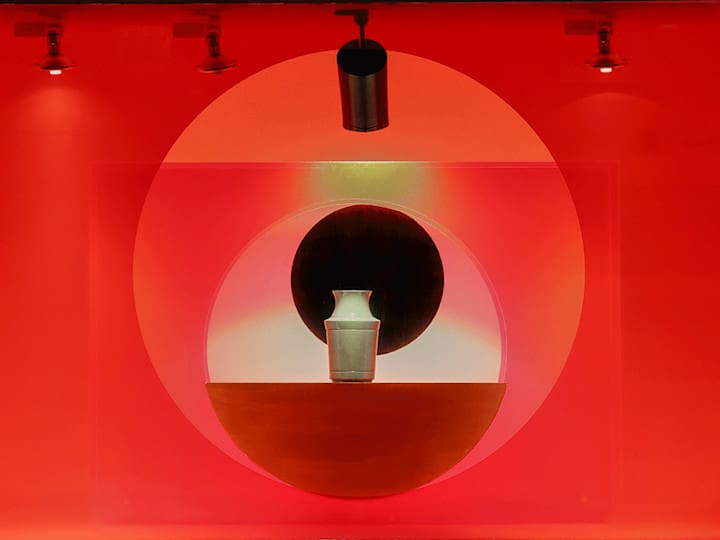
Homegrown luxury brands are also showing how craft can be used to lead fashion trends and champion fusions of contemporary and traditional, east and west. Lifestyle brand SHANG XIA 上下 celebrated Chinese New Year by collaborating with the Musée des Arts Decoratifs in Paris, showing an exhibition of porcelain tea ware and vases. This presence of luxury Chinese craft in a Western cultural institution further adds to the pride that consumers may feel about their native crafting culture, as well as re-appropriating the chinoiserie aesthetics often found in Western museums.
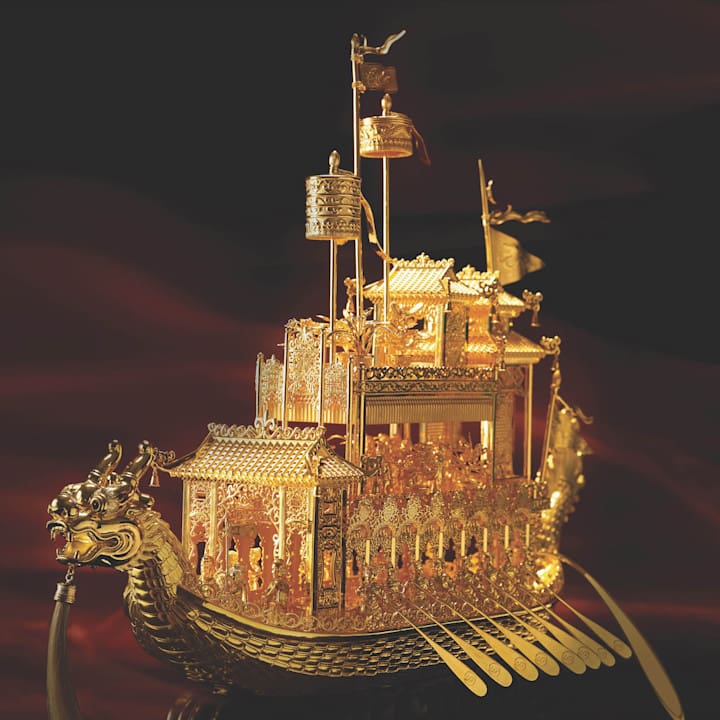
Domestic jewellery powerhouse Chow Tai Fook’s HUÁ range also celebrates ancient designs, reimagining how gold can champion Chinese heritage in the modern day. Taking up space in luxury design appeals largely to a female consumer base, as fashion and homeware brands traditionally target women primarily.
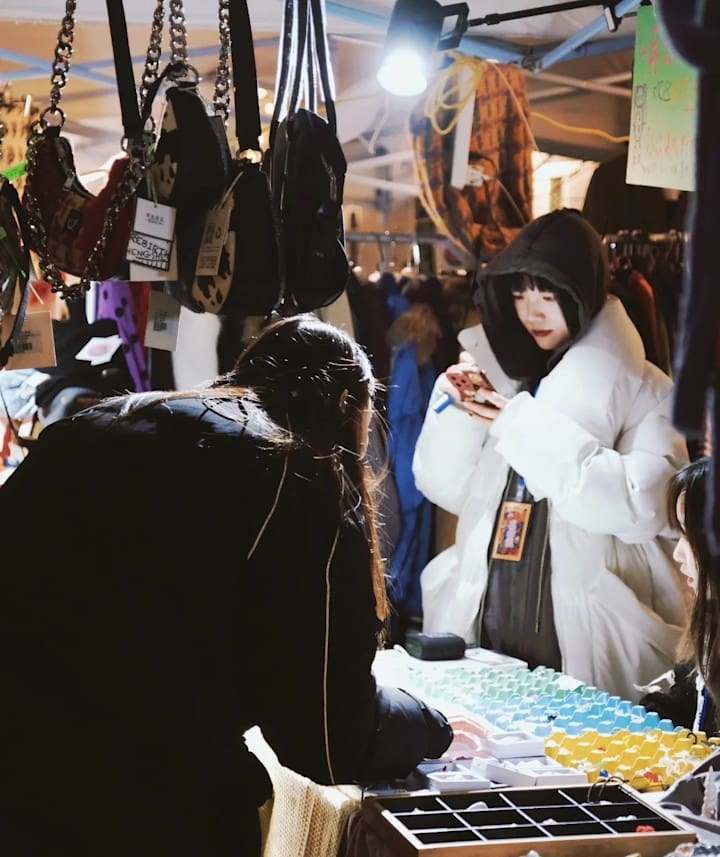
At the grassroots level, there are also a growing number of spaces that cater for the younger generation’s desire for unique objects in the form of vintage and accessories fairs. Loopy in Hangzhou, is one example – an underground music venue that holds a monthly vintage market, where local creators can come and sell their works in a casual setting that supports emerging artists.
These spaces exist to support local designers and offer a more accessible market for buyers who want to express their individuality or seek quality goods at a lower price point. There’s a top-down element to this too. In 2016 Li Keqiang sought to promote China’s crafting spirit (工匠精神), calling for a drive to promote Chinese craftsmanship and businesses that champion traditional craft.
It’s clear that this International Women’s Day, there’s a hunger for craft in a society that wishes to provide more meaning for others and for the individual. As craft gains traction, it’s making waves within luxury spaces in China and abroad, appealing to, and highlighting feminine tastes and traits. Chinese consumers want to create things, often with a mindful touch. This is a positive effort to celebrate female empowerment with some simplicity. Major e-commerce platforms have in recent years branded IWD as ‘Goddess Day’, though this term has lost some of its shine in 2022. The phrase arguably doesn’t strike a serious enough tone, overlooking the real successes of women by overly focusing on beauty, as implied by ‘goddess’. In future years, we expect to see more alignment within spaces and stories that truly value women’s creativity and talent.