







The Year of the Horse
The Year of the Horse is upon us. Since Spring Festival was inscribed as UNESCO Intangible Cultural Heritage (ICH) last year, New Year campaigns have become increasingly competitive among global and Chinese brands alike.
While the Horse is a naturally auspicious symbol requiring less subversion than the Snake, finding a unique angle is arguably harder. Below, we look at how four brands moved beyond clichés to capture the prancing spirit of the “Horse Year” in 2026.
LOEWE: My voice is a little hoarse
LOEWE continues to position itself as one of the more culturally fluent international luxury brands operating in China. This year, the Spanish house delivered a New Year campaign that didn’t disappoint – showing how global brands can incorporate guochao themes into their localised storytelling.
The campaign unfolded across two connected activations. First, an animated short co-created with Shanghai Animation Film Studio reimagined the classic fable Little Horse Crosses the River. Featuring actor Wang Yibo, the story replaced the original task of delivering wheat with a more festive mission: retrieving a lantern for the New Year. The shift retained the fable’s message about trusting one’s own judgement, embedding it within the Spring Festival context.
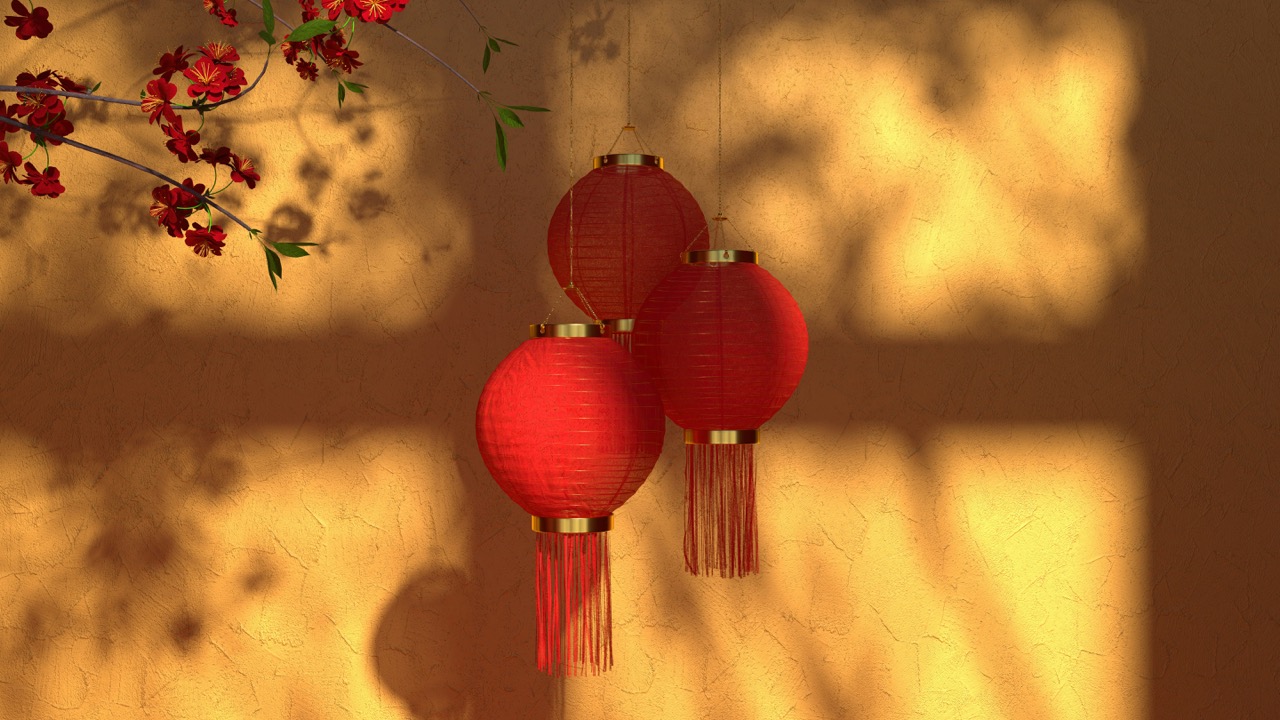
Offline, LOEWE extended this narrative into physical space through a ‘lantern fair’ pop-up at Nanjing’s Yuyuan Garden and installations at Jing An Kerry Centre in Shanghai. The installation looked to develop some of the core pillars of the film – light, craftsmanship and cultural continuity. The inclusion of the Qinhuai Lantern, recognised as part of China’s intangible cultural heritage, was particularly deliberate. By spotlighting a traditional lantern-making technique, LOEWE aligned its own artisanal identity with a respected local craft tradition.
This approach also enabled the brand to lean into Lantern Festival themes, subtly differentiating itself from the more formulaic Spring Festival campaigns seen elsewhere in the luxury sector. At a time when Chinese consumers are increasingly showing fatigue towards predictable zodiac-led visuals and overly commercialised New Year messaging, LOEWE’s focus on heritage craft and storytelling offered a refreshing alternative.


Photo credit: LOEWE Xiaohongshu
To Summer: Forever Young
The Chinese Fragrance brand To Summer leveraged the proximity between Valentine’s Day and Spring Festival, centring their campaign around “Zhuma” (bamboo hobbyhorse). While the phrase can refer to a “male childhood sweetheart”, the brand reframes the term as a symbol of both romantic love and adventurous youthfulness under the banner of “Forever Young”. Rather than leaning heavily into zodiac imagery, To Summer focused on a softer narrative language rooted in poetry, memory and anticipation, reflecting a distinctly Xiaohongshu-native aesthetic that resonates strongly with younger consumers.
Never one to forego an offline experience, To Summer extended this storytelling through its “Hobbyhorse Market” in Beijing, Shanghai, and Guangzhou. Focusing on “celebrating the Horse Year, childhood-style”, the brand created a lifestyle space which hosted exhibitions and traditional activities like “chuiwan” – an ancient form of Chinese golf. These analogue, slow-paced experiences created a contrast to the intensity of digital life, encouraging visitors to document and share moments of quiet joy rather than spectacle.
Product design of course played a central role in their festive narrative. A limited-edition horse-shaped candle and seasonal scents such as “Lucky Persimmon” served as tactile anchors for the campaign’s themes of sweetness, optimism and renewal. For Millennials and Gen Z audiences, the result tapped into a growing desire for “emotional value”: products and experiences that evoke nostalgia and romance.
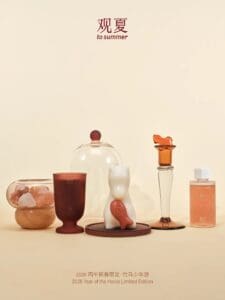


Photo credit: Xiaohongshu
KANS: Not just horseplay
C-beauty trailblazer KANS adopted the year’s most overused trend: inviting a celebrity with the surname Ma (马 – Horse), and came out on top. While competitors made safe picks like Ma Yili or left-field choices like Maye Musk (mother of Elon), KANS collaborated with actress Ma Sichun but took a subversive angle to their content, using the name as a springboard for chaotic wordplay rather than polished endorsement.
View this post on Instagram
This tonally “unhinged” content is what created buzz for the brand. Their music video visualised every conceivable wordplay, turning “Year of the Horse” (马年, manian) into “sticky horse” (马黏manian) and the actress’s name into “Horse tearing lips” (马撕唇, ma si chun). This post-modern presentation was intentionally absurd, and echoed the meme-driven and crazy humour of Gen Z online spaces.
The hashtag “Which genius came up with the Ma Sichun advert” hit 13 million views on Weibo and landed on the “Hot Search” list. The campaign stood out because it embraced risk, shying away from trying to look traditionally high-end.
Quanzhou Cultural Tourism: “Learn to labour and to wait”
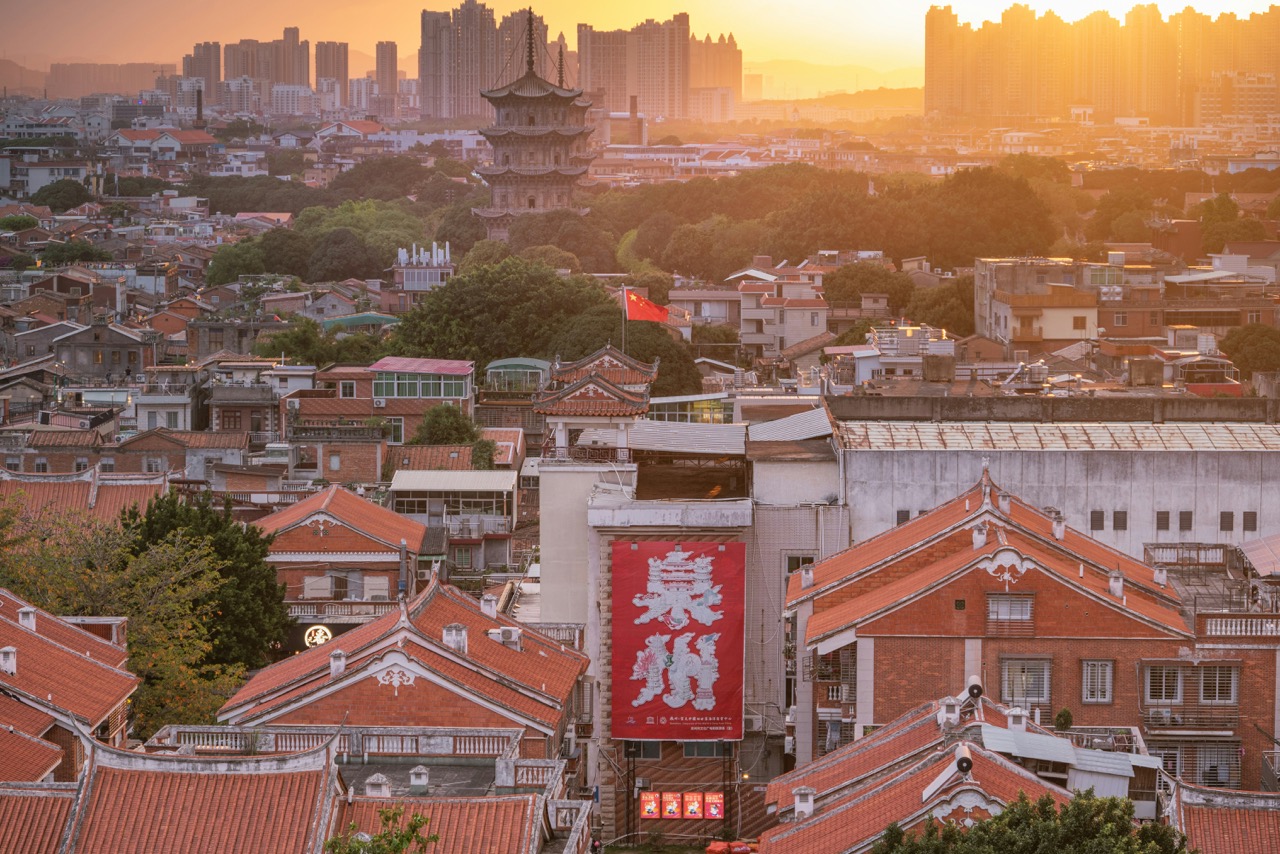
Regional tourism boards have become masters of viral content. The Fujian port city of Quanzhou’s campaign for an “ICH New Year” showed how institutional voices can smartly adopt internet-native tonality. The campaign spotlighted local icons like the folk deity Guan Yu and “zanhuawei” floral headdresses, blending traditional cultural symbols with a contemporary narrative.
The success of the campaign lay in its core standout theme: “Quanzhou Cultural Tourism will help you ask for leave”. Aligning with the ‘tangping’ mindset and recognising the burnout of young professionals, the campaign positioned the city as an ally. Highlighting travel’s role as providing an emotional reset, the campaign uses wordplay to contrast the “stench of employment” (班味儿) with the warmth of the “festive atmosphere” (年味儿). In addition to the video’s remarkable success – hitting 120 million views across platforms in just 5 days – an interactive HTML5 program allowed users to generate an “official” leave application, boosting shareability and virality.
By pairing humour and empathy with a showcase of both heritage experiences and modern leisure, Quanzhou positioned itself as a destination that understands contemporary pressures while offering a slower, culturally grounded escape.
What we’ve learned
This year, brands traded “textbook” symbolism for authentic connection. Successful campaigns are no longer just about the zodiac animal or family reunions, but about aligning with the emotional realities of contemporary consumers.
- Embracing Absurdity: KANS proved that while wordplay remains a staple, success now requires the element of surprise or “abstract” humour to prevent fatigue.
- The Continuous Rise of “Emotional Value”: Whether through Quanzhou’s more humorous empathy or To Summer’s nostalgic introspection, audiences reward brands that “get” their daily struggles.
- Guochao 3.0+: Cultural heritage has become a flexible creative tool. From LOEWE’s lantern-making to KANS’s museum-inspired gift boxes, guochao can be central to a campaign or woven in more subtly.
What emerges is a more culturally fluent audience, one that values brands speaking to self-love and individuality, whether through craft, nostalgia, absurd humour or the promise of simply slowing down.