




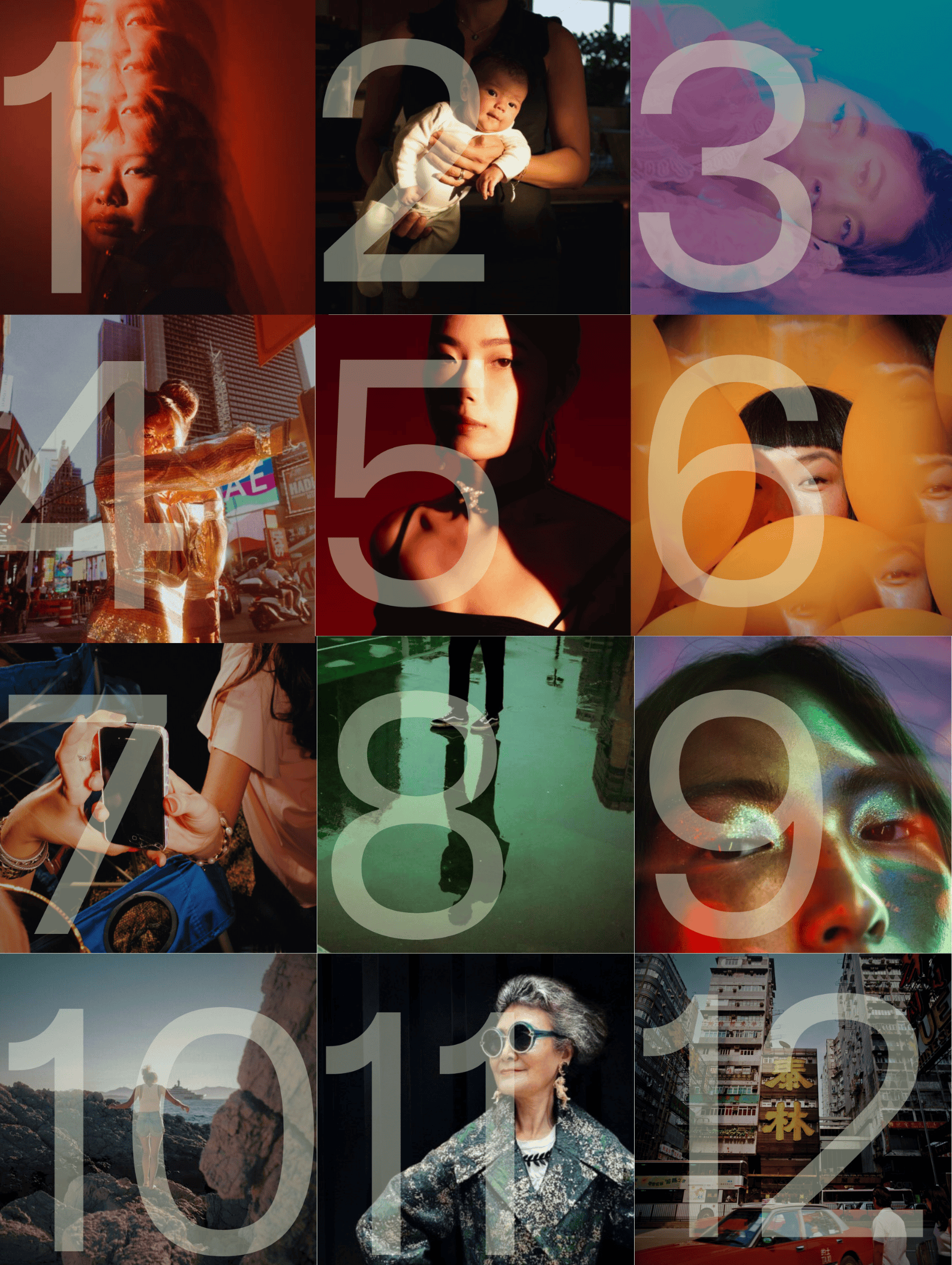
Day 1: Growth in Times of Uncertainty

Despite the disruptions caused by the pandemic, the luxury market is experiencing a resurgence, with Chinese consumers expected to drive 60% of total spending growth on luxury items by 2030. Affluent travellers are making a cautious return, emphasising experiential travel and allocating nearly half of their travel budget to shopping.
In navigating China’s digital travel landscape, brands should embrace the interconnected, consumer-centric nature of the journey, leveraging advanced technologies, and strategically engaging with key platforms and influencers. The focus should extend beyond national holidays and cyber holidays, with an emphasis on gifting, self-gifting, and personal fulfilment. Consistent campaigns throughout the year are vital for deepening engagement with high net-worth individuals.
Read the full article here.
Day 2: China's urban mothers are wealthy enough to prioritise spending on both their child and themselves.

In 2023, China’s mother and baby market is an opportunity for brands to engage with a group of consumers eager to invest in various product sectors, from fashion to infant care, postpartum and homeware.
China’s mother and baby sector is sophisticated and diverse, with increased demand for baby skin care products, luxury children’s wear and low-toxic brands. This group of consumers are discerning, each with unique consumption styles and motivations.
Chinese mothers’ shopping habits aren’t just driven by quality and safety factors – now considered the bare minimum standard. Instead, an item’s ‘worth’ (值得) is the most important element: whether it adds value to the household, to themselves or their children.
Whilst brands should empathise with the challenges of raising a child in China and strive to unravel the complex personalities of their target audience, they must also recognise the opportunity to leverage the purchasing power of these consumers. Brands should strive to engage with the new generation of Chinese mothers who are rejecting social expectations and pressures, in pursuit of a multifaceted lifestyle and sense of self.
Read our thought piece, China’s Emerging Female Consumer, here.
Day 3: From Fashion Opera to Dematerialisation - this year's Metaverse Fashion Week Asia is the "tip of the metaverse iceberg."

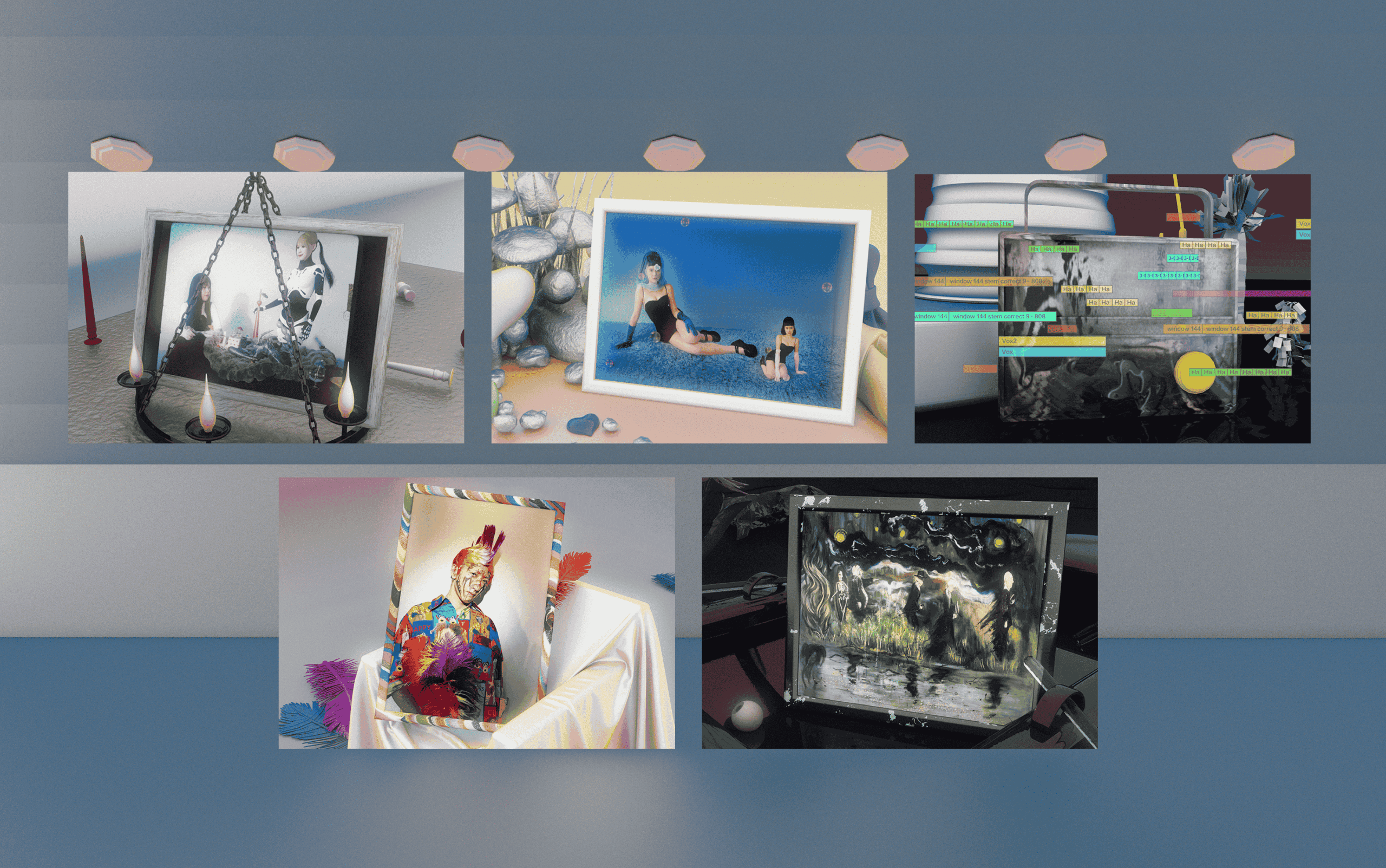
The immersive display blended music, architecture, and fashion and depicted a “tale of dematerialisation and symbolism,” reimagining the relationship between garments and music.
At TONG’s designer-on-designer roundtable, held in Dragon City’s House of Synergos, designers Chenpeng and Feng Chen Wang shared their unique Chinese perspective on virtual fashion. The roundtable explored the future of the metaverse in fashion, highlighting the potential of Web3 to bring creativity and innovation to fashion experiences and artistic genres. The event concluded with an emerging designer showcase from Formless and Victor Wong.
As digital innovation continues to evolve and reshape the fashion landscape, it is clear that metaverse will play a key role in shaping the future of the industry. This is an exciting time for fashion and luxury, and we look forward to seeing what the future holds.
Read the write-up from the event here.
Day 4: In this thought-provoking roundtable, we challenged assumptions in the fashion industry, exploring the need for redefinition and tangible change beyond superficial sustainability.

Our panellists questioned why creativity, innovation, and fun in fashion can’t extend to environmental efforts, discussing the possibility of making the transition to a sustainable future enjoyable.
In navigating the complexities of sustainability in the fashion industry, our discussion brought forth a range of ideas from blockchain technology to imaginative musings about the future of fashion. The emphasis on childlike optimism and the transformation of fashion into a storytelling platform inspires a future where sustainability is not just a goal but an integral part of the industry’s identity.
The collaborative efforts of designers, platforms like SYKY, and the evolving mindset of consumers contribute to a vision where fashion transcends its conventional boundaries, embracing a more sustainable, imaginative, and interconnected future.
Watch a recording of the panel discussion here.
Day 5: The hottest trend in global fashion takes on a different meaning in China.

Dubbed the top-trending aesthetic of 2023 by countless media titles and cultural pundits, fashion seems to have formally entered the age of ‘quiet luxury’. In the global style consciousness, this is the refresh of an aesthetic formerly known as ‘stealth wealth’: a modest pared-back look that is characterised by unshowy but high-quality (and high-price-tag) garments, imparting an ‘If you know, you know’ quality.
Many of China’s young professionals and style-lovers feel shut out from luxury fashion. What was a realistic aspiration for the upwardly mobile just several years ago is now a pipe dream beyond reach, and joins the list of grievances affecting a generation of young middle-class Chinese; from the demanding ‘996’ rat-race working culture, to stagnant wage growth, rising inflation, an unaffordable property ladder, increased content censorship. This climate has birthed reactionary cultural trends such as the tanping or ‘lying flat’ movement, and other iterations of ‘quiet quitting’.
Read our thought piece, Selling Silence, here.
Day 6: From the popular “stove-boiled tea” trend to Chinese youths’ revival of traditional tea houses as a site to socialise, post-pandemic life brings with it a recalibration of values and experiences.

At its core, the rise of sugar-free drinks in China is a response to the dynamic shifts in consumer preferences and a heightened focus on health.
With this trend accelerated post-Covid, there has been a noticeable shift in trends towards healthier, lower-calorie tea-based drinks. From ready to drink (RTD) to bubble tea, brands are meeting consumer demand with innovative sweeteners, localised flavours and health benefits to appeal to China’s Gen Z.
As the younger generation embraces sugar-free alternatives, it becomes a symbol of a shifting cultural identity. Sugar-free tea and bubble tea are no longer just beverages; they are carriers of culture, an expression of a society increasingly attuned to physical and mental health. As China’s Gen-Z seek healthier lifestyles in the pursuit of wellness, this also presents a need to cater for mental health and connection through a sense of community and belonging.
Global brands can take stock of domestic Chinese brands’ capability to tap into the Gen-Z consumer sentiment, taking an initial purchasing motivation such as a sugar-free formulas and developing a personalised, unique consumption experience which goes beyond the taste buds, and even stimulates the wider culture.
Day 7: This year TONG were excited to share our first student housing report showcasing the latest insights from industry specialists and leading brands.

Our Student Housing Report brings housing providers closer to their most important international student demographic. From the latest updates to predictions for the future, we demystify the Chinese student journey.
Download the report here.
Day 8: 'Run Philosophy' is fast becoming a subculture trend amongst China’s Gen Z.

With origins in the disconnect felt by many young people during China’s zero-Covid restrictions, during which Baidu searches for ‘immigration’ spiked by 2000%, China’s “Run” philosophy has led to the creation of a digital subculture.
Read our thought piece, The Runners here.
Day 9: A trending social media makeup style is achieving the level of international soft-power cultural influence that decades of political manoeuvring never could. ‘Douyin Makeup’ has a lot to teach us about a market growing into its own skin.

Connecting to this consumer mindset has been key for high-growth C-Beauty brands who have captured the market by tapping into cultural trends, an emphasis on creative self-expression, and demand for products which are both high-performing and accessible.
As ‘Douyin Makeup’ and other C-Beauty influences grow their cultural stature both at home and abroad, it presents an opportunity for Western beauty brands to engage with Chinese consumers in a new light. Authentic representation, cultural fluency, and meeting audiences where they are by embracing and empowering their own trends and tastes; these tenets play a new and defining role in brand acceptance
Read our thought piece here.
Day 10: Drawing inspiration from China's luxury consumers, Beyond Borders: International trends in luxury travel explored the latest developments in the travel sector, demystifying emerging trends such as 'Conscious Tourism' and 'Living like a Local'.

From Revenge travellers to the rebellious Gen Z ‘Runners’, Families seeking reconnection and Chinese youth in search of escapism from 996 culture, China’s travel consumer is not a monolith.
Listen to a recording of our webinar here.
Day 11: A longstanding stereotype about China’s Silver Economy consumer is frugal, inactive, and busy looking after their grandchildren. But the three-year pandemic has been a catalyst for many Chinese seniors to ‘treat themselves,’ embrace a fun-oriented lifestyle and spend more.

The increasingly lavish attitude of elderly Chinese consumers stands in stark contrast to China’s younger generation who have been forced into austerity. Worried about a slowing economy, high unemployment rates, and a weakening property market, young urban professionals in China are tightening their purse strings and preferring to save rather than spend.
A growing number of brands are taking notice of the spend-it-all attitude among older Chinese, turning their attention to this class of affluent consumers that they have neglected for too long.
Read our thought piece: Generation Carpe Diem: China’s silver consumers seize the day, here.
Day 12: As the last of China’s pandemic measures were lifted at the beginning of last year, how quickly should we expect Chinese outbound travel to recover, how have the expectations of China’s travelling shoppers changed, and what can brands do now to prepare for their return?
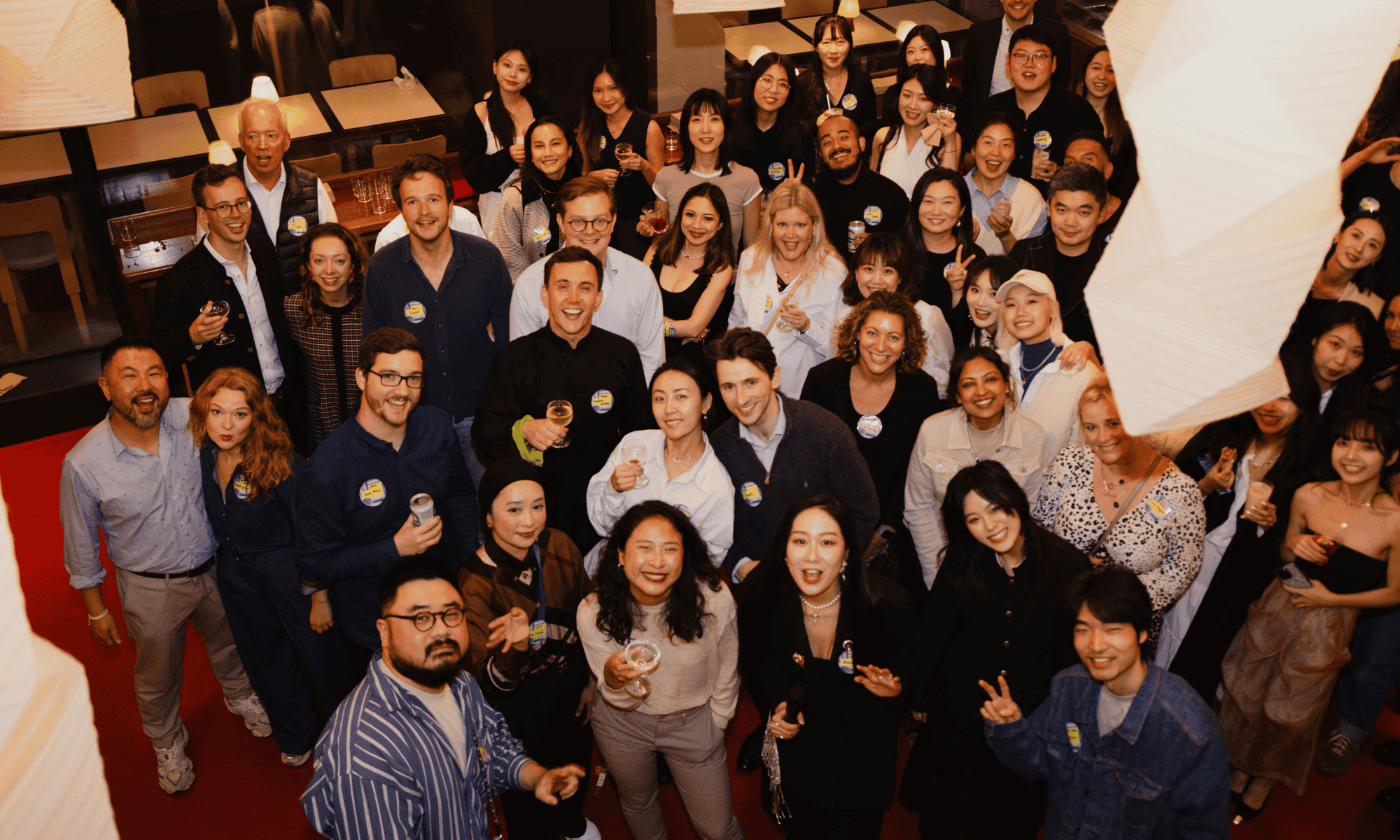
These were some of the questions raised at our latest member-exclusive event with the Luxury Communications Council on the latest updates on Chinese consumer sentiment and trends shaping outbound tourism this year.
Read our key takeaways here.