














As student accommodation companies approach prime booking season for next academic year, it’s high time to review best practices on making Chinese students feel welcomed and valued in their spaces. It’s been an incredibly difficult two years and in addition to common struggles, international students have had to persevere through the added challenge of living in a foreign culture.
There are currently 140,000 Chinese students enrolled on degree programs in the UK, a 50% increase over the past five years. Despite the pandemic and worsening relations between China and countries like the US and Australia, demand for British education has only increased. Typically, these students spend more than other international demographics. How accommodation companies engage with and cater to Chinese students going forward will determine brand loyalty among this key group of residents.

First Steps
Moving abroad can be daunting for anyone. Before Chinese students arrive, they may have little to no conception of what to expect, what to prepare, or how things work when they arrive. Many prospective students have to piece together scattered information through their own networks on Chinese social media. It’s crucial to present your brand as the voice of authority over what students need to have ready and to explain these steps in clear, warm language through Chinese social channels.
Over the past two years, it’s also been crucial to provide up-to-date travel information, for brands in the accommodation space as well as the travel sector. TONG’s activation team has been keeping abreast of changes throughout the pandemic, updating students on behalf of our clients in both industries through their social accounts.
One way to add excitement to functional information such as changing travel restrictions is to combine it with softer content based on seasonal hooks, or appealing giveaways. Take for example the below thumbnail of a WeChat article for iQ students, which announces changes in British border policies, how to get Valentine’s Day right, and information about a cashback offer.

Making A Great First Impression
Students need to feel looked after as soon as they arrive. The better your staff can engage and communicate with new residents will hugely impact how reassured they feel. The most effective means of achieving this is to actually hire Mandarin-speaking staff.
We spoke to Li Wang who works at Bailey Fields, Sheffield, the on-site Chinese staff member who collaborates with TONG’s activation team to optimise Chinese students’ experiences. “Check-in is always exciting as it’s the day when international students arrive at their new home in another country. To make them feel welcome, I always prepare keys in advance and leaflets with how to use various utilities. I use my Mandarin to create a residents’ (WeChat) group before check-in to provide a platform for customers to get to know each other”.
Using WeChat to provide crucial information is the best way to communicate with Chinese students, given the platform is an essential part of daily life in most of China. Group chats function as “private traffic”, engaging a targeted and captive audience, which can be used in the marketing and sales process too. “How-to” videos in Mandarin are another great resource that allow students to seamlessly adjust to their new surroundings. An integrated use of digital and physical spaces should define students’ living experiences.
Developing Communities
Once students feel welcomed, accommodation spaces need to take community-building to the next level. Making use of space available in your property is key to solidifying a sense of belonging among Chinese students. As covid restrictions have relaxed, TONG has co-ordinated regular murder mystery nights among Chinese students in collaboration with Li Wang on the ground. “Social events really provide offline opportunities for students to socialise in groups and it is a way to actively help form social groups, who help brighten up life on-site”.
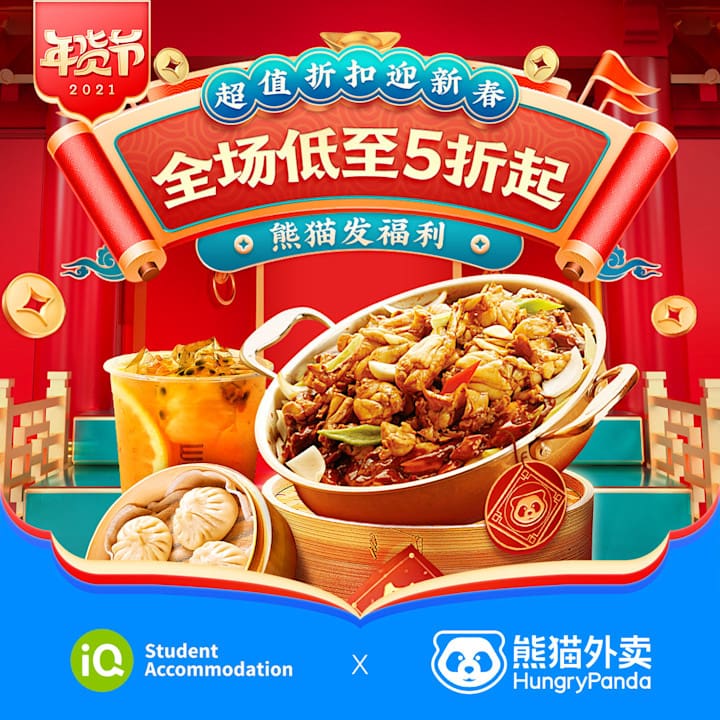
Providing food and beverages that appeal to Chinese students gives an added layer of comfort, often evoking warm memories of home. Collaborations with local food providers and delivery services popular among Chinese speakers is the best way to tap into local economies that provide for this demographic. TONG builds strong relationships with providers, benefitting brands long term as they accumulate equity among Chinese student networks.
For more sustained communities, ambitious brands do well to develop networks themselves. On-going soft content and community building tied to the brand helps students to feel like they’re part of something bigger, with staff and peers at hand to help each other out however necessary.
Our long-term strategy of building regional Chinese Student & Scholar Clubs for iQ Students has sewn together inter and intra-city networks. Our managed group chats keep the conversation alive and social events bring students closer together, both online and offline. In some months, this community management has resulted in more than a tripling of bookings through Chinese channels for iQ.
Welcoming Spaces that Champion Wellbeing
Students the world over face a lot of pressure, this is certainly heightened when families have invested a lot of their money in sending a child abroad. While the net value of full-time Chinese students is thought to bring approximately £4bn to the UK economy, it is often overlooked how large a proportion of household income Chinese parents are willing to invest in education compared to the average British parent. At least 7% of Chinese students overseas are also recipients of Chinese state scholarships and bursaries.
With this in mind, students need to have a living environment that strikes a healthy work/study balance. Social spaces that cater to communal activities are always a plus, Chinese students particularly like bookable kitchens and dining rooms where they can prepare a big meal with a group of friends.
Spaces and resources that facilitate a healthy study environment are also crucial. While narratives around mental health are not quite as open as in the West, younger Chinese professionals and students are increasingly aware of the toll social pressures have on their mental health and are keen to live more mindfully.
The concept of “involution” 内卷 is a popular term used on Chinese social media to describe endless work and competition to no particular end. Helping students avoid any kind of involution will frame their experience through more rose-tinted glasses and reflect fond memories of their living space and study experience.

What’s Next?
Student accommodation buildings need to provide a considerate service for all students while being sensitive to the added challenges that international students face. Catering to cultural trends needs to be balanced with fostering integration.
Better engagement with Chinese students in digital spaces can only benefit their experience in physical spaces. It gives them the confidence to get the most out of their studies and throw themselves into the new environment they find themselves in, creating a genuine cross-cultural experience for everyone involved.