











Chinese consumers have embraced its drinking culture with open arms and demanding imports of premium quality beer, red wine, liquor, and spirits. The demand in China has seen immense growth and the total revenue generated in 2019 is estimated to be worth upwards of $246 billion, according to Statista.
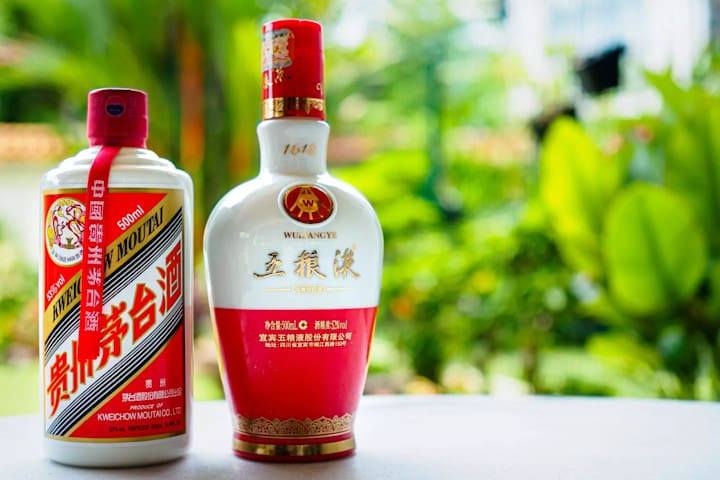
China’s drinking culture has been dominated by the consumption of rice wine and báijiǔ, a distilled liquor famed for its potency. This culture has long been supported by the tradition of gifting expensive alcohol, particularly within business settings. Drinking báijiǔ at business functions, dinners and banquets are still customary among older generations.
However, the curiosity of the younger consumer in China, as well as the rapid expansion of international travel has meant that the tastes amongst this demographic are shifting. Consumers are becoming increasingly adventurous in their drink of choice and are more open to exploring new flavours and avenues for drinking in comparison to their predecessors.
These curious consumers are on the hunt for alternatives to the traditional báijiǔ spirit, broadening their choices to include wine, beer, and a variety of cocktails. Through doing so, this has been the catalyst for alcohol consumption in China to increase by a staggering 70% since 1990.
Brandy is seen as the ultimate status symbol amongst wealthy Chinese and the figures speak for themselves, holding 76% of the total value of imported spirits and 44.4% year-on-year growth in 2016. It is predominantly millennial or post-1980s consumers who are the real drivers of market growth for brandy, along with whisky.
According to an industry report from Euromonitor, by 2022, whisky sales in China are expected to be about 19.13 billion RMB, up 38.6% from 2018, and whisky volumes are predicted to reach 23.65 billion litres in 2022.
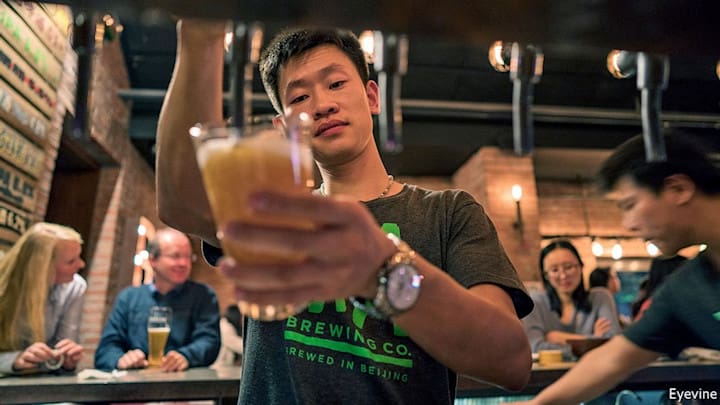
That being said, the aptly named Beer Connoisseur reports that beer is still the favourite beverage among most Chinese consumers and domestic players are still making up a relatively large portion of the market. As it stands, China’s domestic production market is dominated by mass-produced pale lagers with around 4% alcohol content such as Jing-A (京A) and Tsingtao, which can cost as little as 2 or 3 RMB (20 or 30 pence).
The imported beer market, however, is on the rise and in 2017 the industry saw sales of $750 million in China alone. Now, more global brands are setting their sights on this market, hoping to compete with domestic manufacturers, especially as the consumer taste evolves. This can be seen through the example of Canadian ricewine brand Pillitteri.
A strong favourite among Chinese consumers for its sweet flavour, Pillitteri saw its Chinese exports rise by over 1000% from 2004 to 2012, owing to its reputation for quality products and its premium price point.
Knowing and understanding which consumer groups are buying your product is paramount when looking to approach the China market. Chinese millennial and Gen-Z consumers are more digitally active and savvy in comparison to Western millennials. As such, they account for a significant proportion of ecommerce customers, each turning to platforms such as Tmall and JD.com as their go-to shopping destinations.
As more international and domestic players are moving up the ranks, the alcohol market is only becoming increasingly saturated. As a result, many brands are now experimenting with new forms of retail and utilising these ecommerce channels to reach their target consumer.
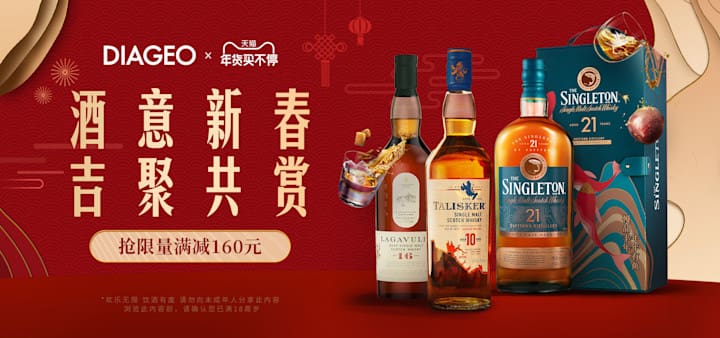
For example, Japanese brewer and distiller Suntory recently announced it would be joining the likes of Diageo, Pernod Ricard, Remy Martin, and Moet Hennessy by selling on Tmall, the ecommerce platform for Alibaba. With these major players now selling on the platform, Tmall has since created an annual 9.9 Global Wine and Spirits Festival held on the 9th of September.
Based on the fact that the Mandarin characters for wine 酒 ‘jiǔ’ and the number nine 九 ‘jiǔ’ sound the same, it has been described as their ‘gift to China’s wine lovers’. Sales figures from its inaugural event surpassed $280 million, and a key indicator that this platform would be a clear point of entry for brands looking to catch the eye of the Chinese consumer.
While getting noticed in this crowded ecommerce space can be hard, there are, however, a number of ways on top of these ecommerce channels in which brands can reach new customers. ‘Balancing novelty with familiarity’ such as creating targeted campaigns and collaborating with alcohol industry KOL influencers (Key Opinion Leaders) are just some of the ways to build a brand strong identity in China.
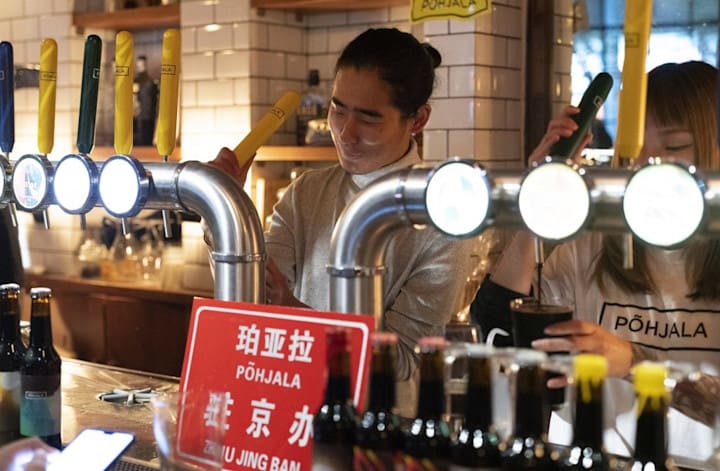
Offline strategies can be effective too, directly capturing the attention of Chinese customers and driving footfall directly to the brand. Craft beer breweries and whisky bars, for instance, are currently proving popular in Beijing and Shanghai through pop-ups, events, and a presence at exclusive members-only clubs.
There is a huge window of opportunity for brands who are looking to explore the drinks market in China and target Chinese consumers. The market is only getting bigger and knowing how to communicate with your audience is crucial.
While building fun, interactive and eye-catching campaigns that are tailored to the domestic consumer is important, a necessary part of streamlining any brands’ market entry is knowing how to navigate the cultural sensitivity minefield.
When done well, launching bespoke products is a sure way to capture the attention of the Chinese audience and will drive sales and brand recognition. Whilst this may seem like a leap of faith, planning and budgeting for festivals with lower barriers to entry such as 9.9 is advisable, as they present a unique opportunity for market entry and for your ecommerce sales to take shape.