








From Fashion Opera to Dematerialisation – this year’s Metaverse Fashion Week Asia is the “tip of the metaverse iceberg.”
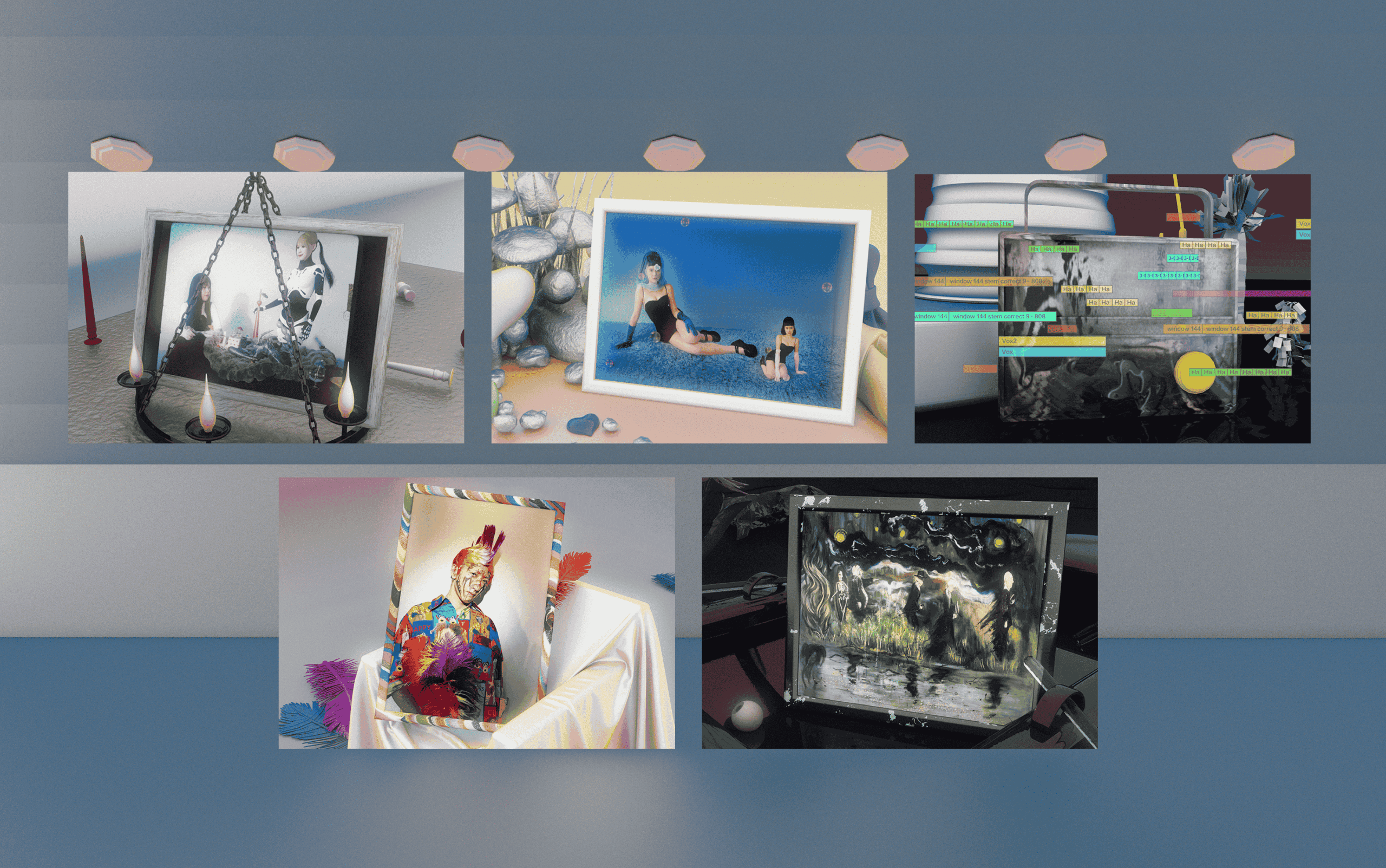
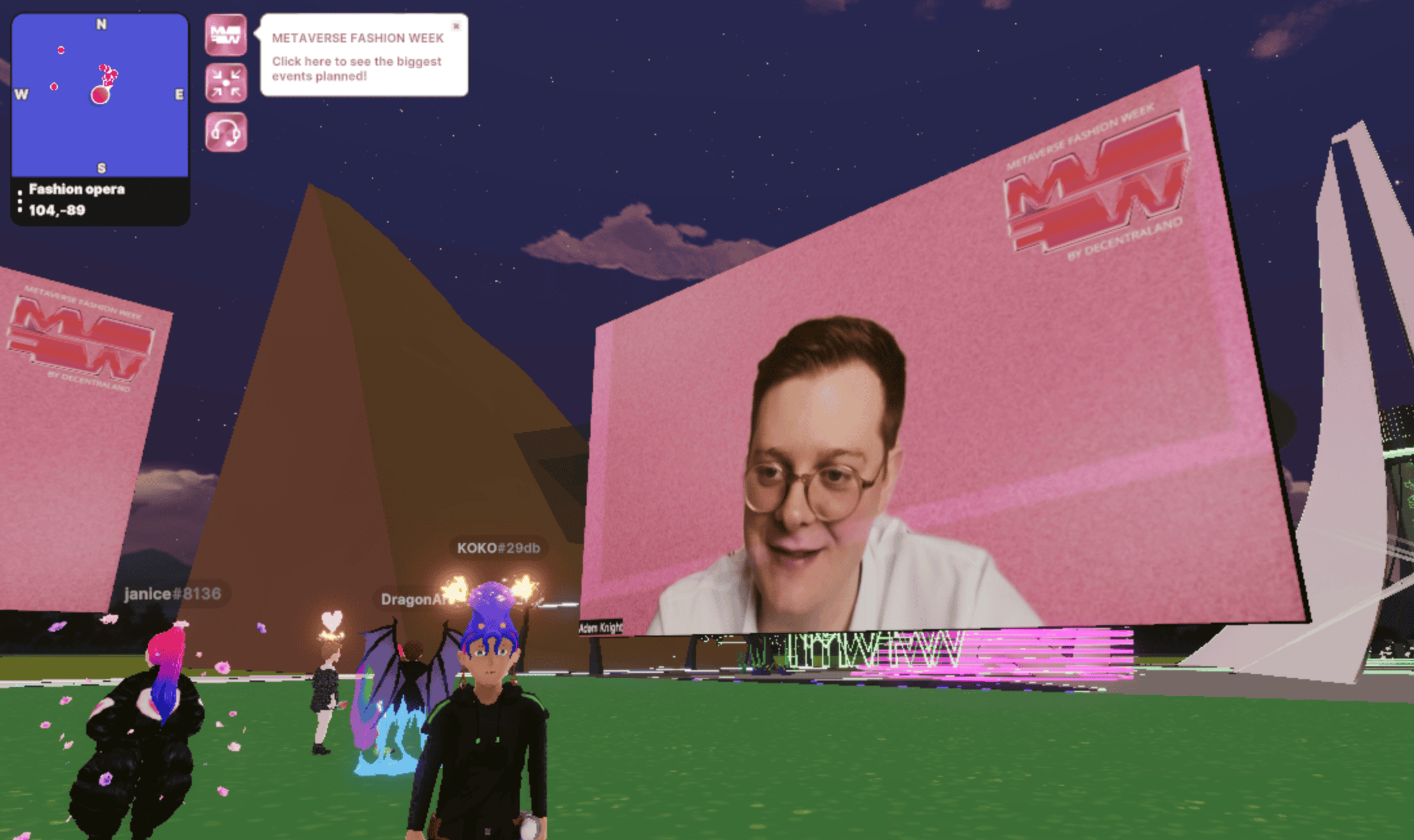
Designed around the theme of Future Heritage, this year’s Fashion Week showcased over 60 international brands, from luxury fashion houses to digital natives, attendees experienced breakthrough activations including BALENCIAGA’s ‘New Code’ runway collection and Coach’s virtual try on platform. The event showcased the diversity of aesthetics across metaverses, connecting innovation to tradition, looking back to the great moments of fashion to build the future.

From WWD’s “Beaute de Chine” to the very first Han Fu exhibition by Hanfu Musuem China, Decentraland’s Dragon City featured a variety of exhibitions and designers in the China space. Among the week’s events, #Capital, a virtual fashion opera, showcased the Spring collection of Chinese designer Chen Peng in Sybarite’s “House of Synergos.”
Produced by Gemma Williams, written by Alastair White and sponsored by TONG, the performance is a collective result of artists and designers reimagining the relationship between fashion, music and architecture.

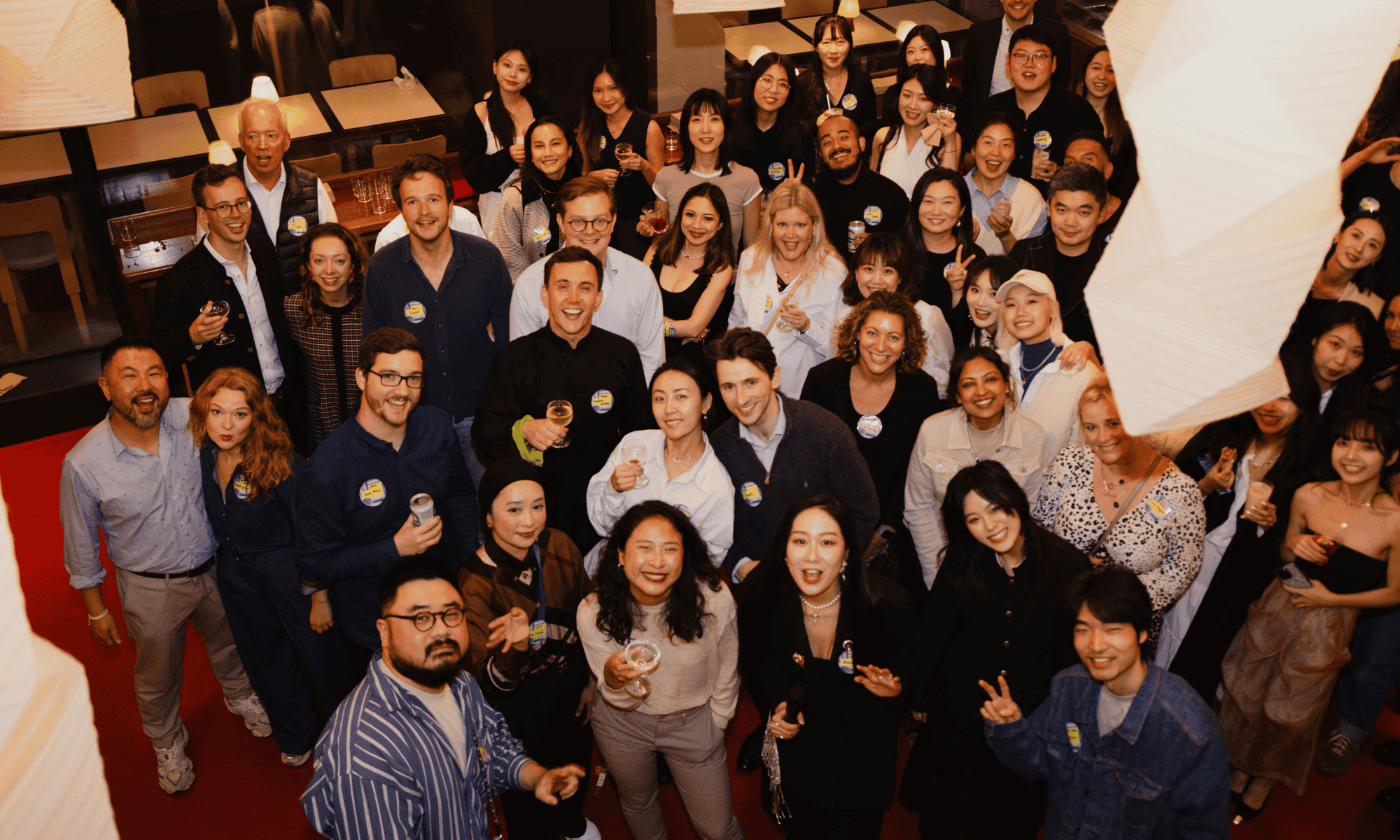
At TONG’s designer-on-designer roundtable, Chinese designers Chen Peng and Feng Chen Wang shared their unique perspective on virtual fashion. The discussion explored the future of the metaverse in fashion design, highlighting the potential of the metaverse to bring creativity and innovation to fashion experiences and artistic genres.
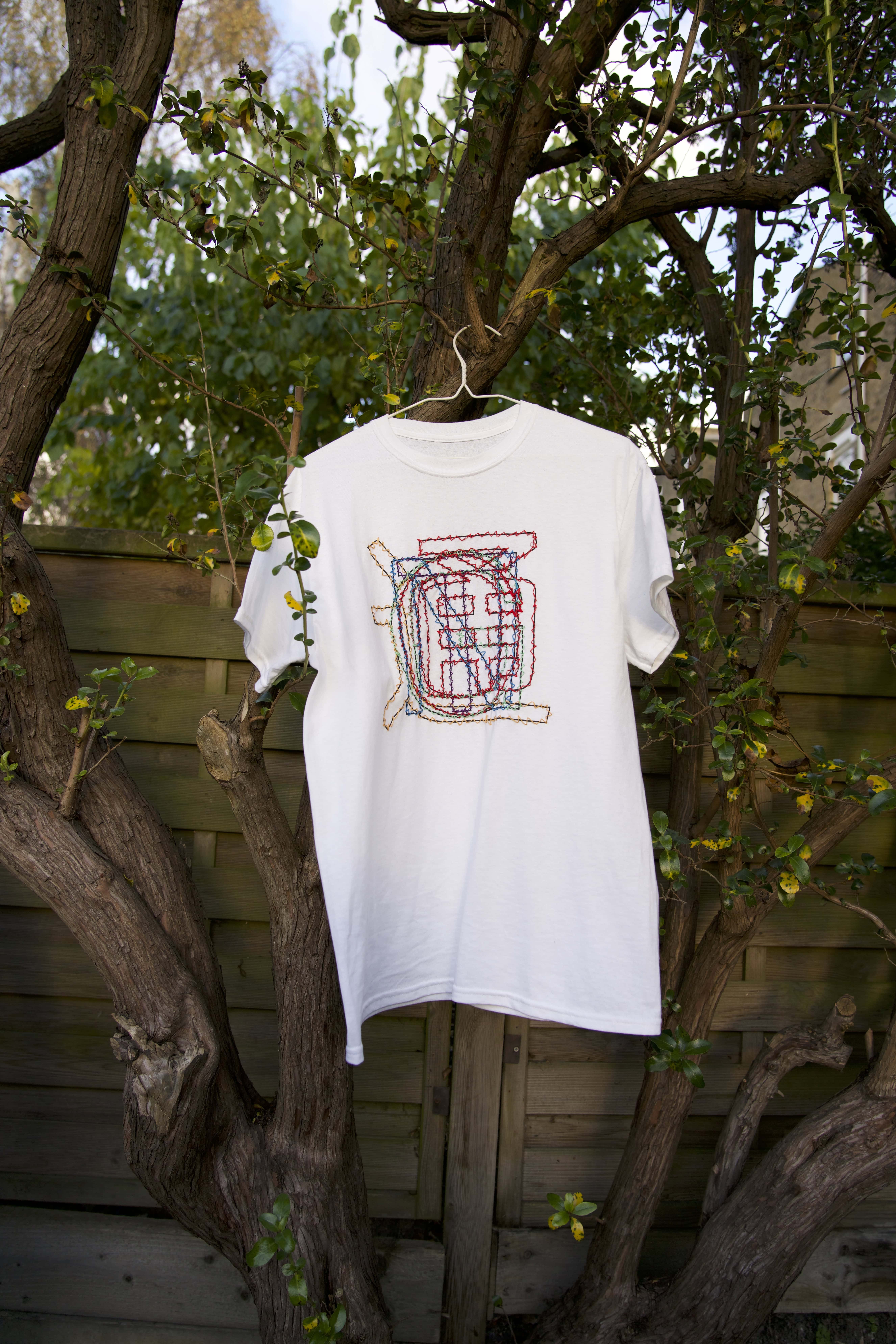
One key theme that emerged from the discussion was the notion of dematerialisation as a starting point in the design process. Feng Chen Wang shared how she constantly explores the connection between physical and virtual garments in her collections, finding inspiration and connectivity between the two. Kaiqi Hang echoed this sentiment by highlighting how the metaverse body is not limited to the current human form, allowing for new possibilities in creating clothing that fits all body sizes and shapes.

The exchange delved into the increased creative opportunities that digital technologies have to offer. New technologies such as 3D modelling and virtual presentations are new channels for storytelling, lifestyles, and personalities through fashion. The panellists emphasised that while technology can enhance the design process, human creativity remains irreplaceable, as the human brain is the most powerful tool.
The blend of modernity and tradition was also discussed, with the panellists recognizing the importance of adapting heritage and classic elements while embracing new tech for modern storytelling. Through exploring the relationship between materiality and the human body in an increasingly digitized world, virtual fashion is seen as a new way of presenting fashion, and the potential of using AI and new technologies to communicate fashion through different languages was emphasised.

Looking towards the future, the designers expressed excitement about the evolving landscape of dematerialisation in fashion. They envisioned a world where fashion goes beyond mere function and allows for co-creation in the metaverse, empowering individuals to express themselves through new tech. They also emphasized the importance of continuously evolving and adapting to new technologies, while drawing from traditional techniques and heritage to bridge modernity and tradition.