











Young cosmopolitan Chinese professionals and students based in the UK are as diverse a consumer group as any. Often misunderstood as “the Chinese consumer”, this dynamic demographic with a global outlook have a broad range of tastes and needs like any other and this is reflected in their consumption habits; a penchant for luxury complemented by habits over essential items. We spoke to some UK-based consumers to find out what this looks like in practice. In the run up to the holiday season, we also looked into how people share gifts with each other.
Dipping in and out of luxury
Xiaoxue is a young professional based in Manchester. She makes it very clear that her and her friends’ shopping habits flexibly adapt mid to high-end labels based on what they’re after. “I’ll regularly go to COS, Zara, or & Other Stories, maybe once a month. If I’m in London, I’ll also visit Brandy Melville”.
This desire for mid-market fashion labels frequented by many British shoppers highlights how tuned in young Chinese overseas are with what their local contemporaries are wearing. Often jumping between fashion recommendations on Instagram and the domestic Chinese lifestyle app RED, Chinese outfits inform and are informed by what’s being worn abroad, with pieces often being bought on a reasonable budget.

Quite often gift-giving plays into the desire to find and share more niche brands and products. Many shoppers seemed impressed by the Chinese marketing from Swedish bag brand Gaston Luga. Streamlined, practical designs from an eco-friendly brand align with an increasingly values-driven generation of consumers.
While not always the first expectation among Western marketers, Chinese consumers are generally as concerned about sustainability and natural ingredients as their international counterparts, particularly younger generations.
A taste for the niche is also reflected on the ground, Xiaoxue said that when she visits other cities across the UK, she seeks out more “original” brands and experiences, or popular places only available in one destination, such as York Ghost Merchants, wildly popular among young Chinese in the UK, also within the anticipated price range of gifts.
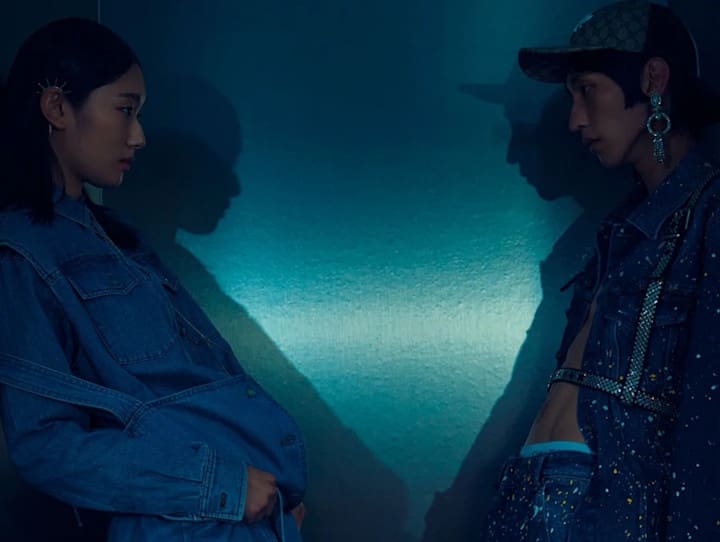
Niche gift-giving can also be in the form of demi-fine jewellery. As with less gendered tastes for soft toys and quirky dolls, many women consumers are keen to buy jewellery for their male peers and partners, introducing young men to rings and necklaces.
Quite often gift-giving plays into the desire to find and share more niche brands and products. Many shoppers seemed impressed by the Chinese marketing from Swedish bag brand Gaston Luga. Streamlined, practical designs from an eco-friendly brand align with an increasingly values-driven generation of consumers.
While not always the first expectation among Western marketers, Chinese consumers are generally as concerned about sustainability and natural ingredients as their international counterparts, particularly younger generations.
A taste for the niche is also reflected on the ground, Xiaoxue said that when she visits other cities across the UK, she seeks out more “original” brands and experiences, or popular places only available in one destination, such as York Ghost Merchants, wildly popular among young Chinese in the UK, also within the anticipated price range of gifts.
Niche gift-giving can also be in the form of demi-fine jewellery. As with less gendered tastes for soft toys and quirky dolls, many women consumers are keen to buy jewellery for their male peers and partners, introducing young men to rings and necklaces