







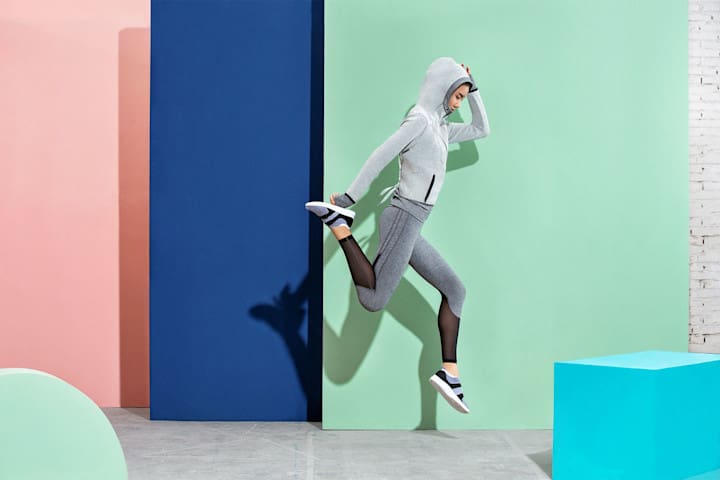
The versatility of athleisure lends a whole new meaning to the term smart casual. By definition, athleisure is clothing that can transfer between the office and the gym. Such attire is the perfect combination for the health and image-conscious consumer with the look comfortably sitting within a hybrid of streetwear and sportswear.
Now as many young consumers in China are regarding looking sporty as ‘the new sexy’, and appearing fit and healthy, even if one isn’t practicing a particular sport, is becoming more desirable, it is easy to see why many are seeing this as the perfect incentive to indulge in activewear.
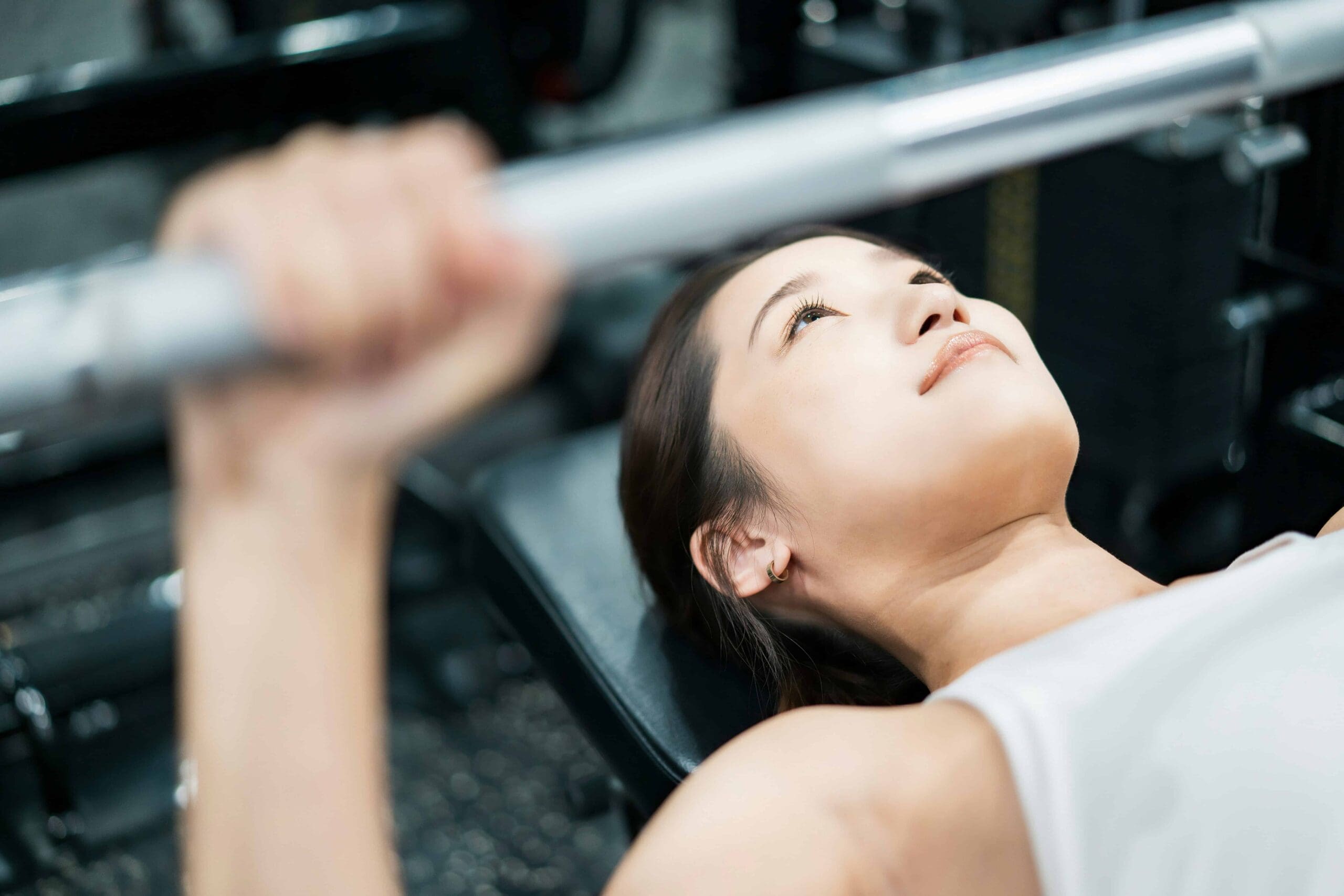
From 2019, China’s government has begun encouraging an initiative which has prompted a shift in attitudes towards fitness and well-being. Gym and health club revenue has grown significantly and in 2016, Shanghai alone was home to more than 1,000 gyms.
The traditional perception of beauty among Chinese women is evolving, with many within the younger generations moving away from a preference for being skinny and instead towards a desire to be strong, fit and healthy.
This, coupled with the greater push for sports participation has opened Chinese consumers to fashionable yet functional activewear making it currently the second-largest global market, second only to America.
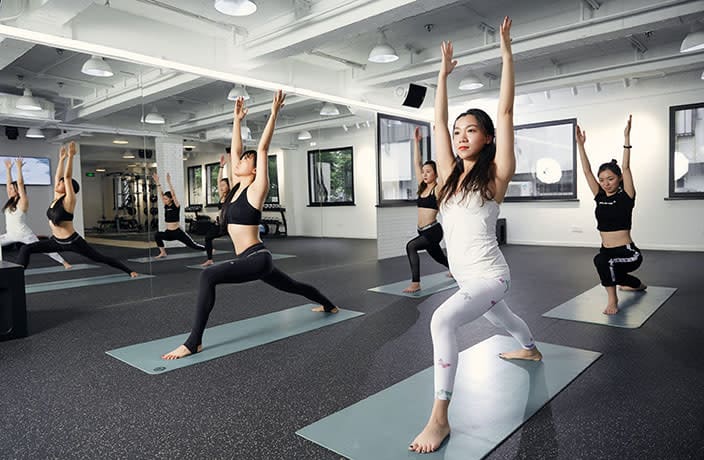
Brand performance benchmarkers Gartner suggests that the preference for athleisure in China is the result of three key factors, the popularity of streetwear, the rise in popularity of marathon running and a general increase in sports participation. For athleisure brands, offline events such as sponsoring marathons or hosting live classes and events could be the obvious ticket to China market growth.
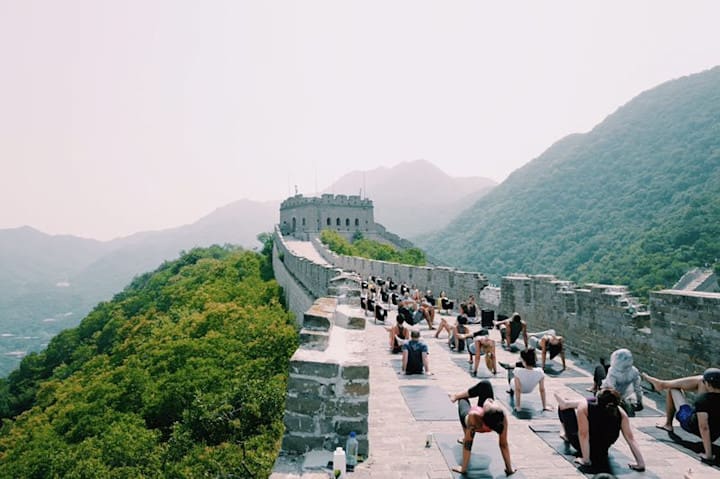
Canadian activewear giant Lululemon was one of the first athleisure brands to enter China. Back in 2017, they saw success by collaborating with fitness KOL (Key Opinion Leader) influencer Tiffany Hua at ‘Unroll China’. This cross-border event saw shared yoga practices being held simultaneously around the world and was led by the brand’s global yoga ambassadors.
The event held in Beijing saw 5,000 attendees in a single day. Leading on from this, the launch of Lululemon’s global campaign ‘This is Yoga’ garnered 240 million impressions and 26 million video views in China alone across social media. The success of this campaign has cemented it as a leader in the athleisure market, and a favourite amongst China’s budding yogis.
This case study is an excellent example of omnichannel marketing and online to offline campaigns, allowing brands to interact with niche audiences, and pave the way to growth in China. Alongside this, it signals the importance and benefits of incorporating KOLs into campaign strategy. With many holding tremendous following and dedicated fan bases, these brand ambassadors play an important role in brand awareness, driving sales and dictating trends.
Activewear has become part of the everyday staple wardrobe amongst many consumer groups in China. ‘Whereas most luxury brands have been closing their stores in recent years in China, sportswear giants are expanding their store network, to showcase the brand and spread their lifestyle positioning’, says research agency Daxue Consulting.
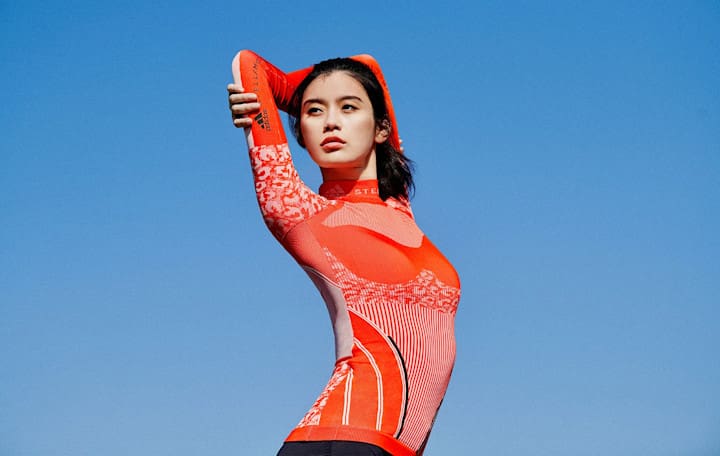
Dressing for the gym is now a style-conscious decision with many utilising these looks to show off status and make a statement. We have seen that it is not just typical industry leaders such as Nike and Adidas who are making their mark in this area, global luxury players such as Balenciaga, Stella McCartney, and Fendi are stepping up their game in order to stay relevant among millennial consumers and appeal to their fitness-savvy consumers.
A number of domestic brands are now starting to make waves, setting their sights on competing against the global superpowers of the industry. These athleisure and sportswear brands can optimize their selling potential in China by promoting their story and pushing a healthy lifestyle, as well as their product.
Labels like Neiwai and Maia Active have also seen mounting success by targeting niche consumer trends and smaller collectives, such as yoga, pilates or running to set themselves apart from the already heavy competition within China.
Connecting directly with these consumers and earning their loyalty to the brand is paramount. With many Chinese consumers often already having a brand in mind before making a purchase decision, many are looking for a strong brand reputation, married with high quality, comfortable and chic products.
Chinese attitudes toward exercise are still transitioning but a real change in society is underway. Knowing how to reach those key audiences and attract both new and repeat customers is a challenge that can be won via localized content and thoughtful planning. Taking time to understand the audience and the desires of the Chinese consumer are both crucial first steps to entry of which brands ought to be aware of the pitfalls.