








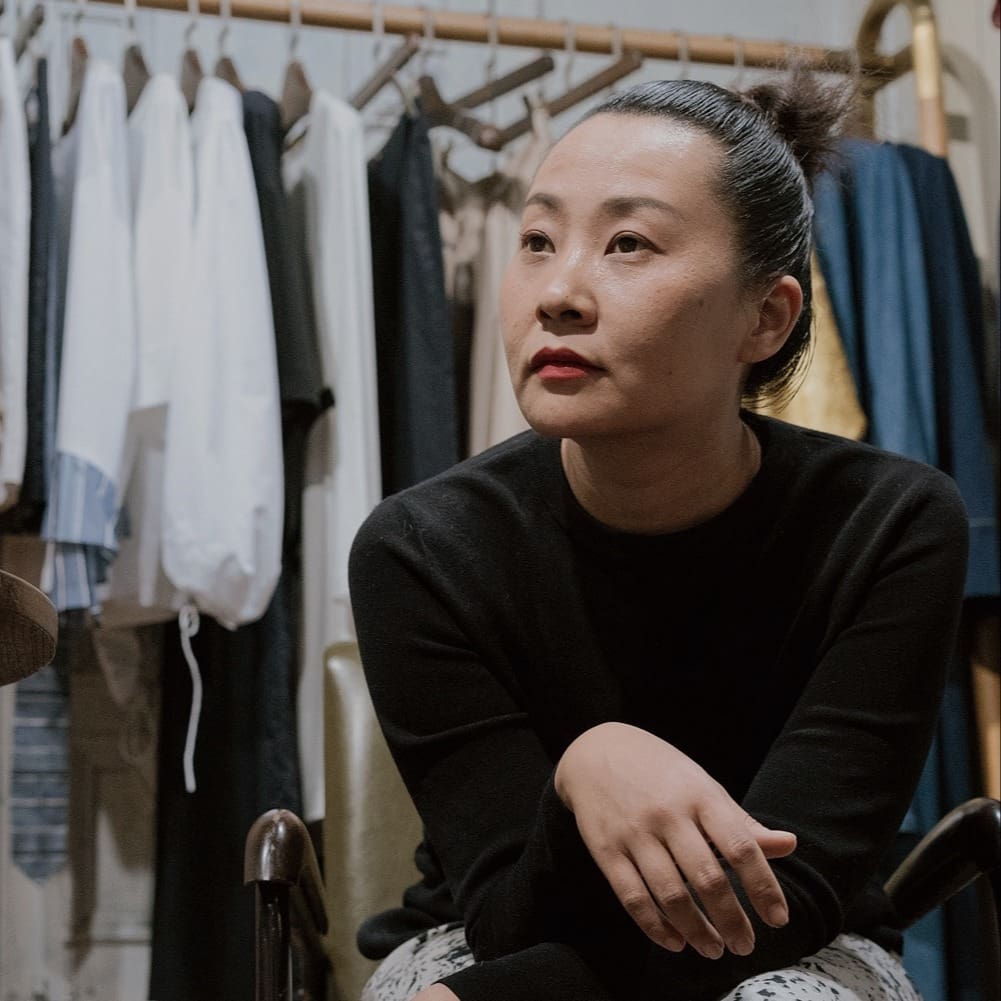

Once considered a concept this market might struggle to embrace, vintage and circular fashion is experiencing a boom as conscious shoppers flock to a new wave of thoroughly modernised fleas, swaps, and ‘pre-loved’ shops. To investigate, we called on entrepreneur Zhang Na, an early trailblazer in sustainable fashion and founder of Reclothing Bank, the Chinese brand devoted entirely to use of recycled fabrics.

TONG: As a pioneer in the sustainable fashion space, can you shed some light on the origin and shift of circular fashion and the flea market experience? Do you think it’s driven by influence from international markets, or an evolution of domestic conditions and consumer behaviours?
ZHANG NA: I was born in the 1980s and back when I was in secondary school and university, I remember there were already flea markets or vintage markets in China during that time. Although back then it was something only known to a small segment of people, there was still an authentic fringe space for secondhand.
Nowadays, there are so many small independent vintage shops and [other platforms for] pre-owned clothing that have launched. So in my view, it’s something that was there all along. The recent surge can be attributed to the attitudes of the younger fashion consumer – they have a yearning for creativity and ‘something different’ in the marketplace. They don’t want brands and advertisers telling them what they should like and wear. Vintage fashion can be a good alternative outlet for self-actualisation and expressing themselves.

TONG: To elaborate on that, how is this new generation’s approach to fashion and style different from the previous?
ZHANG NA: There is a big difference between them. People born in the 70s and 80s had a different experience. The marketplace was conditioned to encourage those consumers to express themselves through luxury brands and a pursuit of upward mobility. Now, the new generation of consumers care more about their own unique experiences and identities. Fashion has become more democratic, less aspirational. The biggest difference is this change in collective consciousness.
TONG: How are disruptive brands such as Reclothing Bank innovating in the growing circular fashion space?
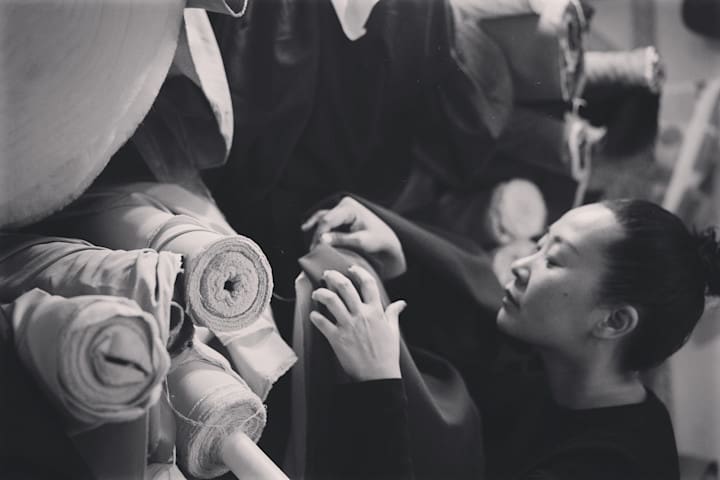
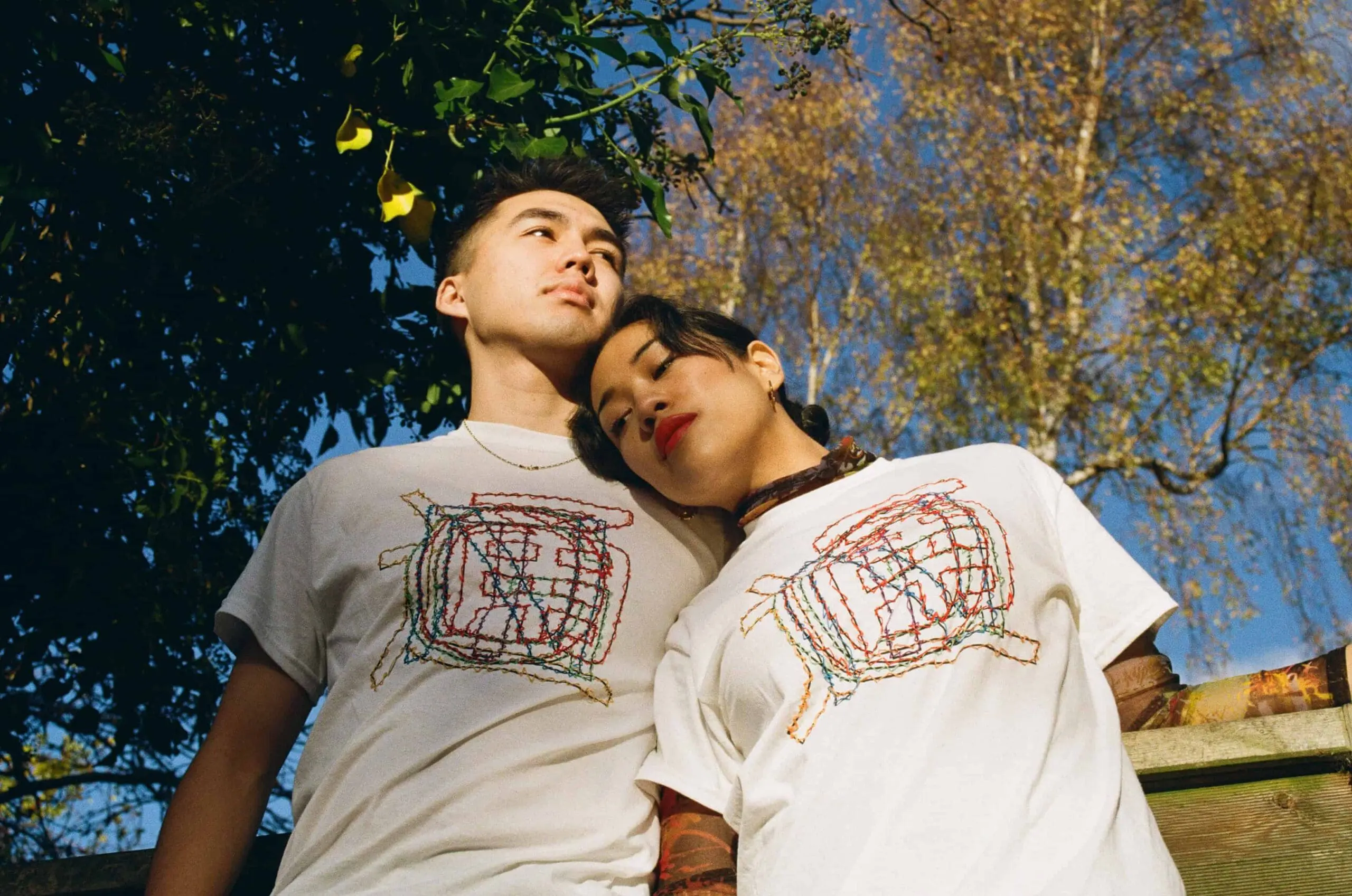
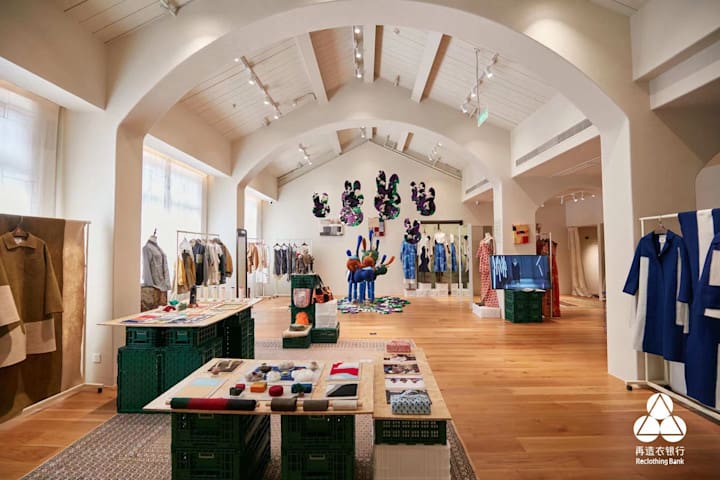
ZHANG NA: Reclothing Bank is a process and system of redesign. I wasn’t satisfied with just reintroducing vintage garments into the market for another cycle of consumption. More important than that is regenerating its use. So what we do is recycle and reimagine fabrics and textiles from the end of their life cycle into new fashion pieces.
The approach of redesigning and reengineering can also be a powerful way to connect people’s past, present and future. Our designs also centre the use and preservation of national heritage techniques and methods, as well as fairtrade labour. The process of reuse and redesign can be used to create wider network effects of sustainability practice, and build dialogues between culture, community, and consumer.
TONG: What advice might you give to those wanting to engage the sustainable fashion movement and its new wave consumer in China?
ZHANG NA: The truth is China and the West are very different, whether it’s the ideology of fashion consumers or the status quo of the market. The relationship to sustainable fashion is also very different. I would say that if you want to engage with this, it’s important to understand in depth the underlying thinking of customers and the systems of the industry. There is a lot to learn. For example, I’ve cooperated with Kering for the past three years as a judge for the ‘Sustainable Innovation Pioneer Award’, and we look at industry practices across all sorts of sustainable impact, from biodiversity to closed-loop production. It would be a mistake to take a shallow approach, because the movement here is already very sophisticated.