










Fitness: A State Goal
On 1 January, Hangzhou became the first city in China to implement a public ordinance directly targeting the health and weight management of its residents. While this policy aligns with Beijing’s broader “Healthy China 2030” initiative to combat obesity and chronic disease, it also coincides with a significant organic movement: a fitness craze that is reshaping the Chinese market.
From urban professionals in Tier 1 cities to retirees in smaller towns, different demographics are approaching fitness with distinct motivations. However, a common thread unites them: the convergence of exercise, socialisation, and holistic wellness.
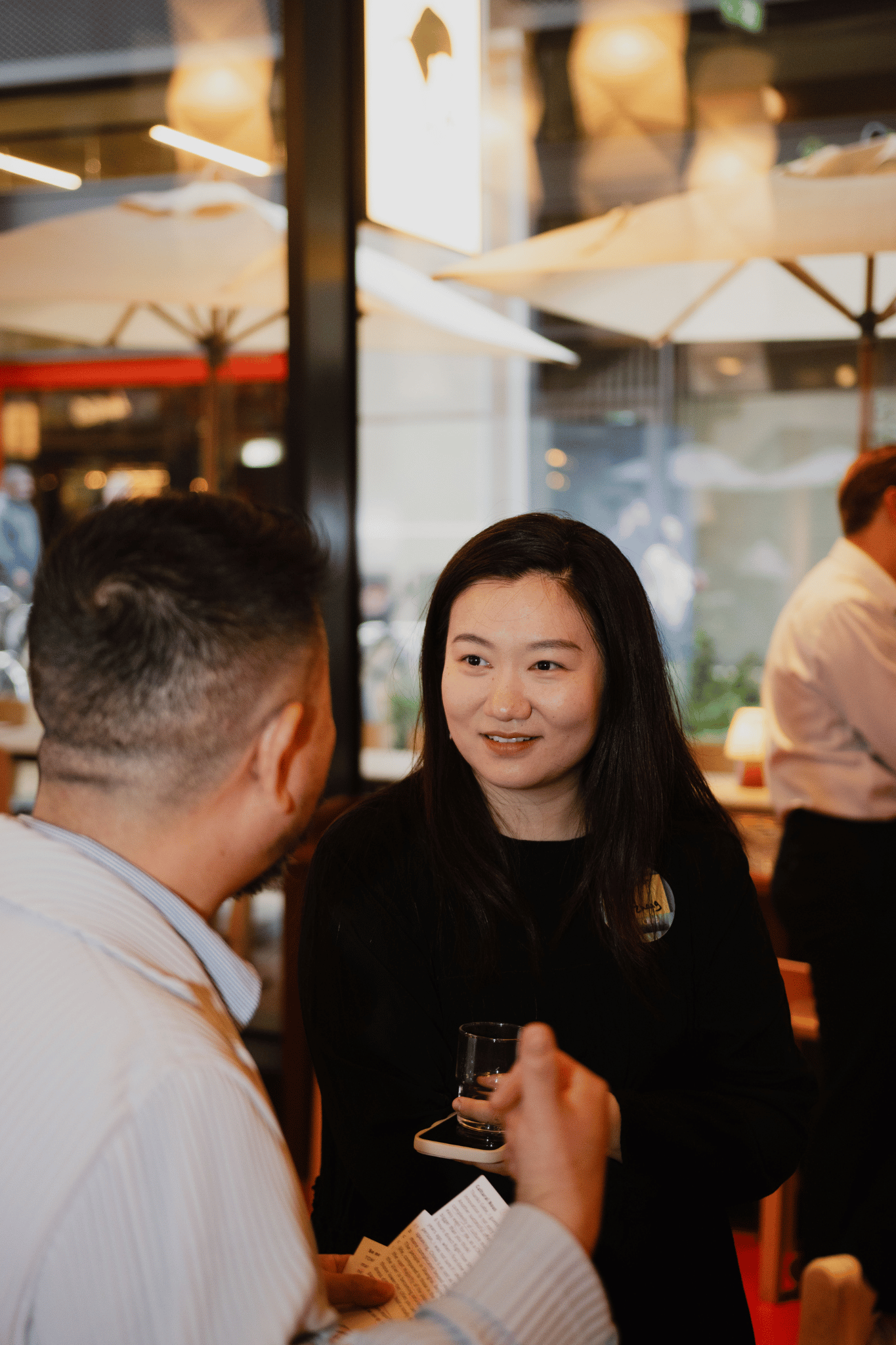
Gym Habits: From Membership to Movement
The gym remains a cornerstone of urban fitness, but its business model is undergoing a forced evolution. The gradual closure of the 29-year-old Will’s Fitness chain between 2024 and 2025 left thousands of members in limbo – a case study in the beginning of the end for the traditional prepaid annual membership era. In its place, a more flexible, low-commitment economy is emerging – with institutions offering lower-commitment monthly subscriptions, and even pay-as-you-go models that offer off-peak sessions for as little as 3 RMB. These lower price points are widening access for an audience beyond traditional gym bunnies.
There is a clear behaviour shift behind the economic changes. The youngest cohort of Millennials is now turning 30. For them, health maintenance has shifted from an aesthetic pursuit to a necessity. Office workers see the gym as a corrective space for sedentary lifestyles. They go to the gym to fix their posture and relieve stress rather than only to build muscle.
At the same time, the gym has become a new venue for intergenerational bonding. Young professionals are increasingly bringing their parents along as fitness “dazi” (partners). This trend is mutually beneficial: while the younger generation seeks quality time with family, the older generation is embracing gym culture as a way of maintaining vitality and social connection. Increasingly digitally literate and influenced by online wellness trends, some members of the older generation are even taking up the gym independently.
-

- Savage Gym in Shanghai runs classes with DJ sets
-

- Savage Gym in Shanghai runs classes with DJ sets
The Great Outdoors: Democratisation and Social Currency
Participation in outdoor activities across China crossed the 500 million mark in 2024, and the momentum shows no signs of slowing. However, the nature of this participation has quickly evolved. As high-intensity trends like “glamping” settle into niche hobbies, the outdoors itself has become a broader, more accessible lifestyle staple.
Outdoor activity is being democratised beyond technical mountaineering or expensive camping trips. It is becoming commonplace for young people to spend weekends on the outskirts of their cities, engaging in “light outdoors” activities like hiking or foraging. These activities are about socialising within nature rather than conquering it. Young people join hiking groups for fitness and to find community outside of the workplace. This reveals a growing desire for low-pressure social environments.
This trend has turned outdoor gear into a new form of social currency. Just as yoga pants became a lifestyle signifier in 2025, functional outdoor wear has become a tribal identifier for the urban middle class. Consumers are prioritising gear that balances technical performance with everyday aesthetics. Amer Sports, parent company of Arc’teryx and Salomon, reported a record-breaking 30% growth in Q3 2025, reaching 1.76 billion USD. Performance wear has truly outgrown the mountain and reached the street.
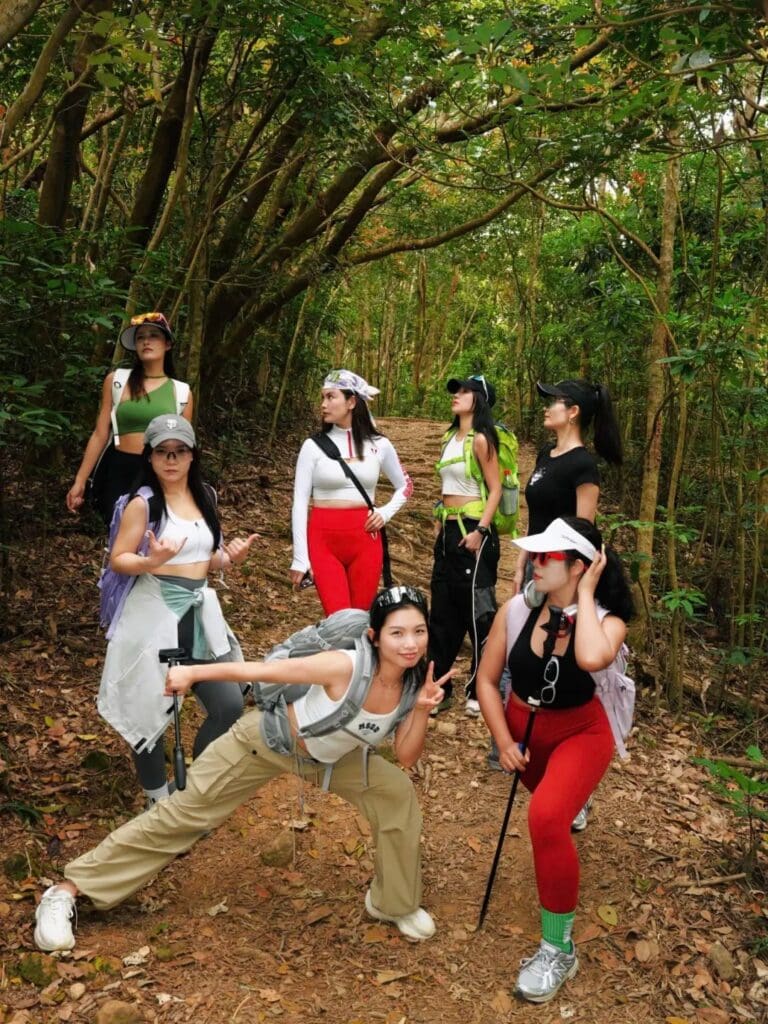
Miss Club Hiking Group showcase the casualisation of outdoorwear
Go Sports! The Rise of Quality Participation
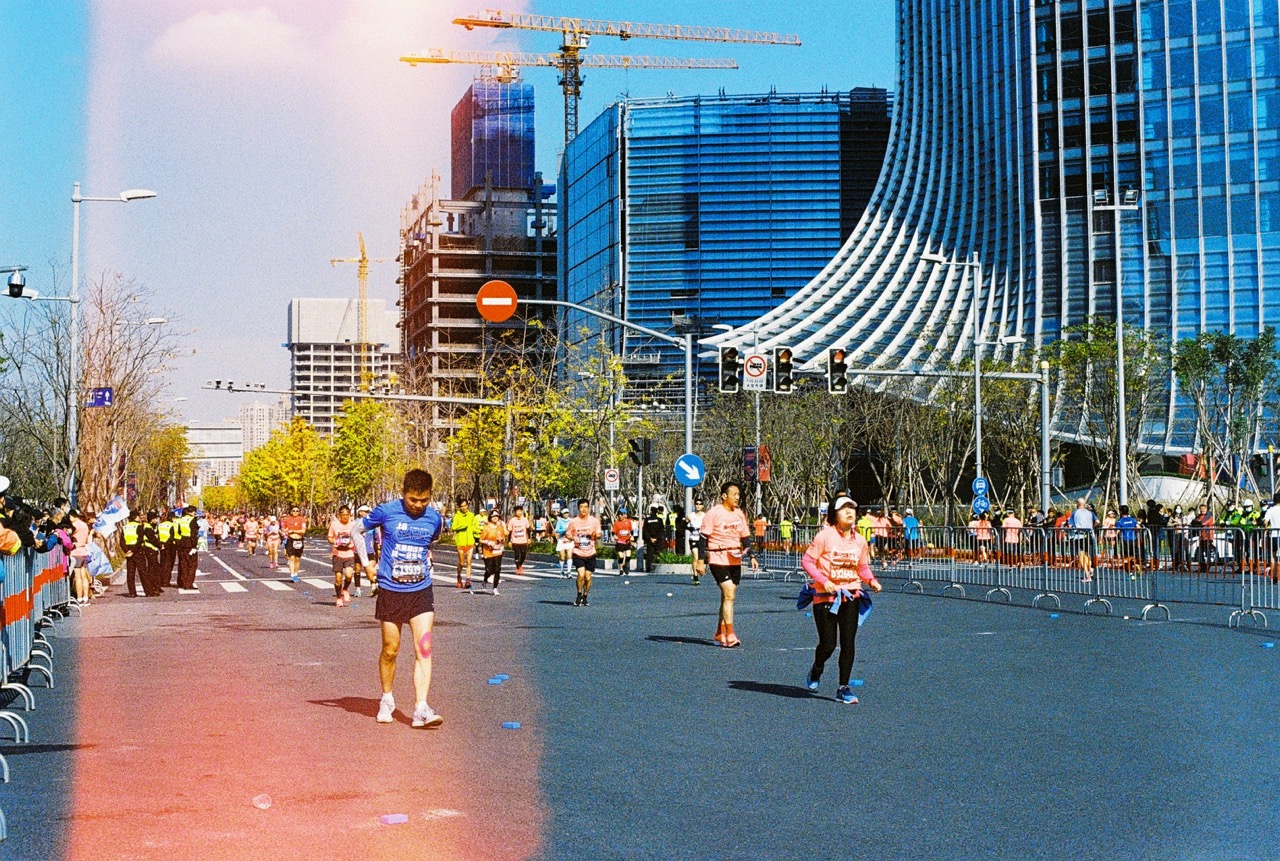
From mass-participation staples like marathons to emerging trends like pickleball, the sports landscape has grown at breakneck speed in recent years. However, 2025 marked a turning point for quality control. The explosive growth of marathons hit a speed bump last October when new regulations halted many lower-tier races due to safety and organisational concerns.
This regulatory tightening has had a “flight to quality” effect. Major events like the Shanghai and Xiamen Marathons have become even more coveted, transforming participation into a status symbol. Meanwhile, cross-country running has gained traction as a bridge between the marathon boom and the outdoor trend. It offers runners a chance to get muddy and connect with nature away from the pavement.
Winter sports are also proving to be a sustained lifestyle rather than a passing fad. Four years after the Beijing Winter Olympics, a new wave of enthusiasts is being drawn in by the Milan Games this year. China’s goal of engaging 300 million people in ice and snow sports was officially achieved this February, creating a massive, engaged consumer base. Descente, the premium skiwear brand backed by Anta, generated over 100 million RMB of sales in the first three quarters of 2025 alone, matching its entire revenue for 2023.
Encouragingly, efforts have been made to ensure participation in sport is not just limited to those with financial means. Government-backed public infrastructure improvements are paying dividends for lower-tier cities and older demographics. For pensioners and residents without easy access to commercial gyms, public spaces for running, badminton, and basketball have become vital hubs for both exercise and community interaction.
-
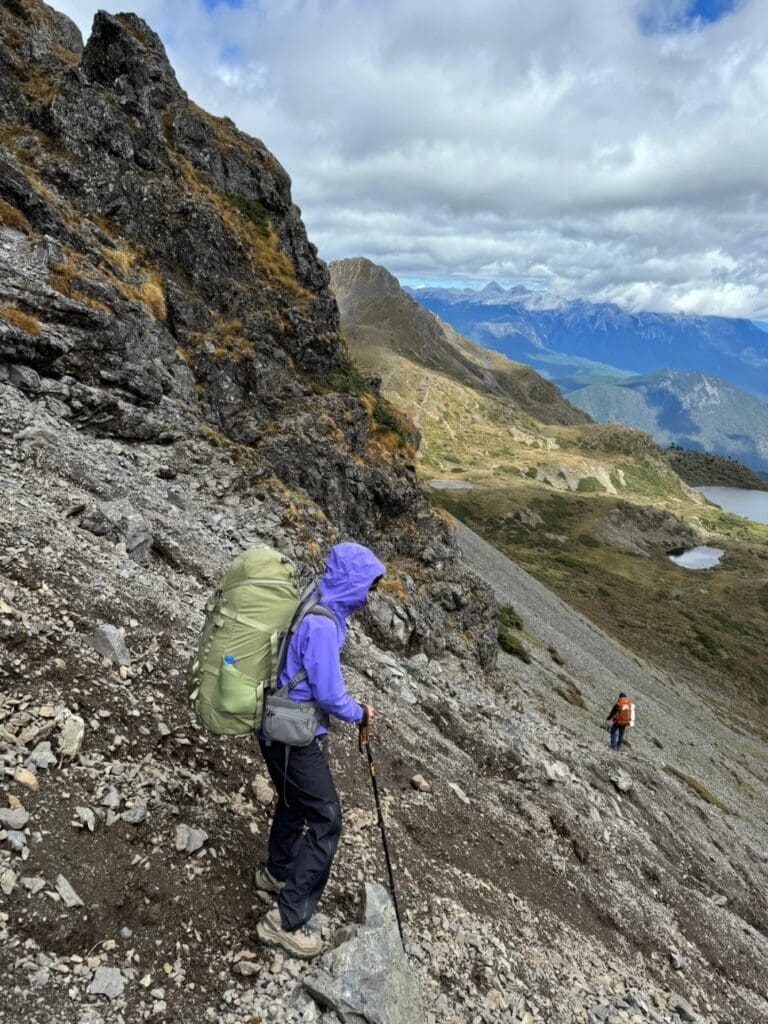
- A Rednote influencer on a hiking expedition
-
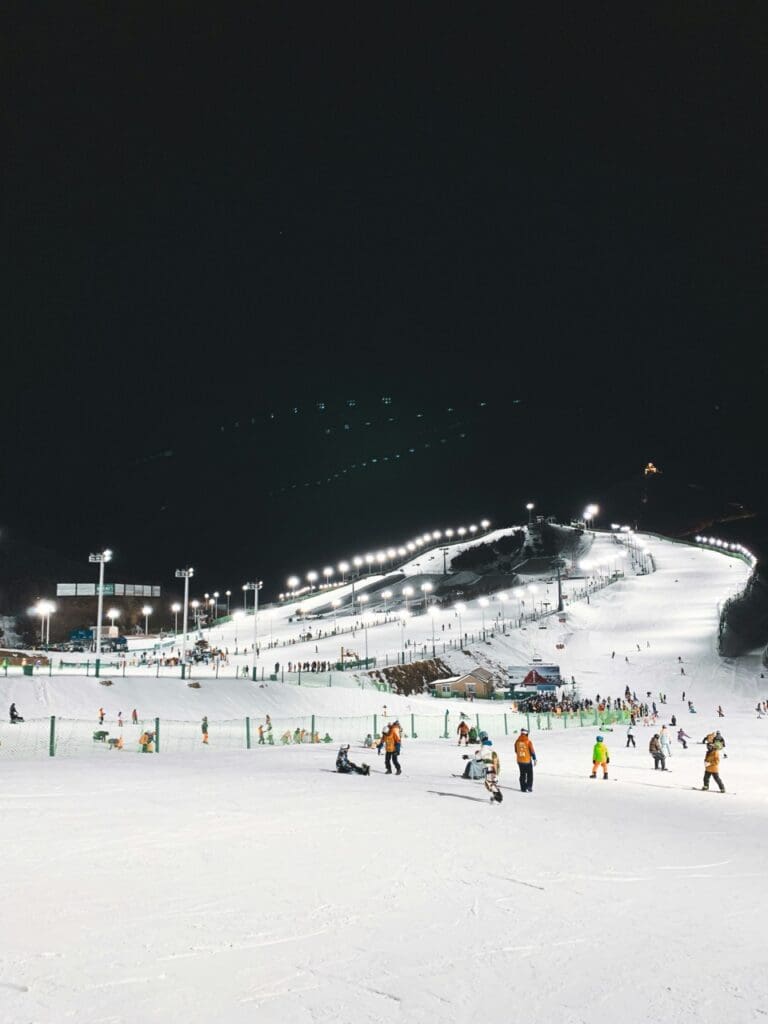
- A ski slope in China
-

- Nike club participants cheer each other on
The Lessons for Brands
For Chinese consumers, fitness has become part of the day-to-day. It has moved beyond weight loss, incorporating the pursuit of physical and mental well-being through community.
- The Social Network: Younger generations view gyms and sports not as solitary tasks, but as platforms to socialise, challenge themselves, and build a “dazi” network. Companies who can facilitate community and connection through exercise are building loyal bases.
- Health as Wealth: For young professionals and the middle class, physical health is now intrinsically linked to mental well-being and work-life balance – creating cross-sector collaboration opportunities for brands.
- The Silver Economy: Older generations are active participants in fitness trends, driven by digital exposure and a desire for active ageing. Brands should not neglect this generation.
- Casual Performance: The fitness fever is here to stay, but the consumer base is becoming more casual. Brands should pivot towards products and messaging that fit everyday use and weekend outings, blurring the line between performance gear and lifestyle apparel.