








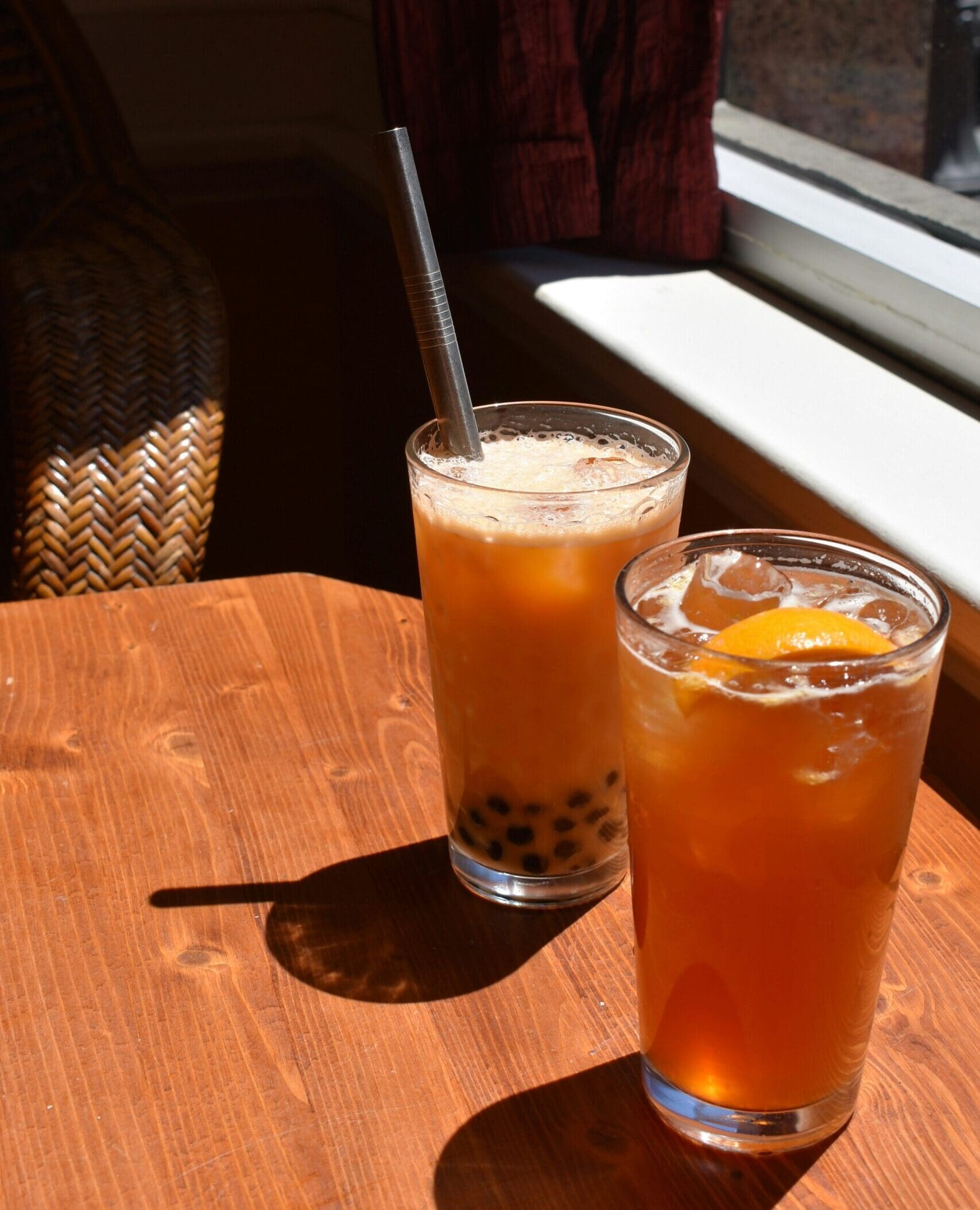

From the popular “stove-boiled tea” trend to Chinese youths’ revival of traditional tea houses as a site to socialise, post-pandemic life brings with it a recalibration of values and experiences. At its core, the rise of sugar-free drinks in China is a response to the dynamic shifts in consumer preferences and a heightened focus on health.
The numbers tell a compelling story: the market for sugar-free drinks reached 1.71 billion USD in 2020 – a seven-fold increase from 2014. And this trajectory shows no signs of waning; forecasts predict a continuation, propelling the market to a projected 3.31 billion USD by 2025.
Since 2020, Chinese consumers have become more aware of the health impact of sugary drinks. With this trend accelerated post-Covid, there has been a noticeable shift in trends towards healthier, lower-calorie tea-based drinks. From ready to drink (RTD) to bubble tea, brands are meeting consumer demand with innovative sweeteners, localised flavours and health benefits to appeal to China’s Gen Z.
Beyond health considerations, the sugar-free tea market is a canvas for flavour innovation and product development. Brands like Oriental Leaf and Genki Forest aren’t merely redefining the tea experience; they’re orchestrating a symphony of taste. From oolong tea to jasmine tea, these products cater to diverse palates, using sugar alternatives to enhance flavour without compromising on health benefits.
Genki Forest launched its first product, the “Burning Tea,” a low-calorie, low-sugar oolong tea, back in 2016, and have been experiencing a rush of demand from China’s younger consumers, who have collectively elevated the soft drinks company to one of the hottest brand names in China’s food and beverage space.
Their latest sugar-free innovation, featuring erythritol to enhance palatability without compromising on health benefits, has been well received by the Gen Z market, proving even more popular than the likes of sugar free Coca Cola, despite its higher price point. Genki’s dedication to high-quality ingredients and consumer experience has earned the brand’s coveted global reputation.
Xian Tea, a brand under Chi Forest, positions itself as a light and healthy plant-based tea drink with a focus on Traditional Chinese Medicine (TCM) principles. The brand utilises natural plants as raw materials, offering consumers a new nourishing solution tailored for the demands of fast-paced urban life. Their Corn Silk Tea focuses on reducing temporary water retention, leveraging the diuretic properties of corn silk to aid detoxification and alleviate bloating.
The Hangzhou Chrysanthemum Flower Tea aims to improve vision and clear excess heat from the body, utilising chrysanthemum’s traditional TCM properties with cooling effects that may benefit the eyes. Lastly, the Mulberry Leaf Tea targets the control of blood sugar, incorporating the properties of mulberry leaf believed to assist in regulating blood sugar levels. Through these TCM-inspired elements, Xian Tea not only offers a diverse and flavourful range but also provides a holistic approach to well-being that’s highly tailored to specific lifestyle demand areas of Chinese Gen Z consumers.
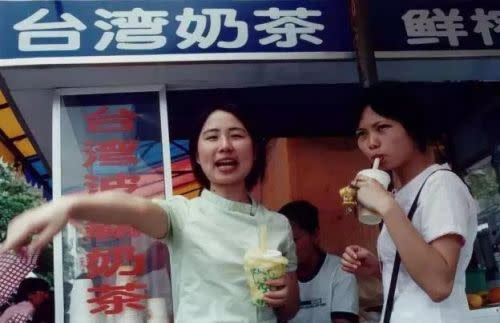
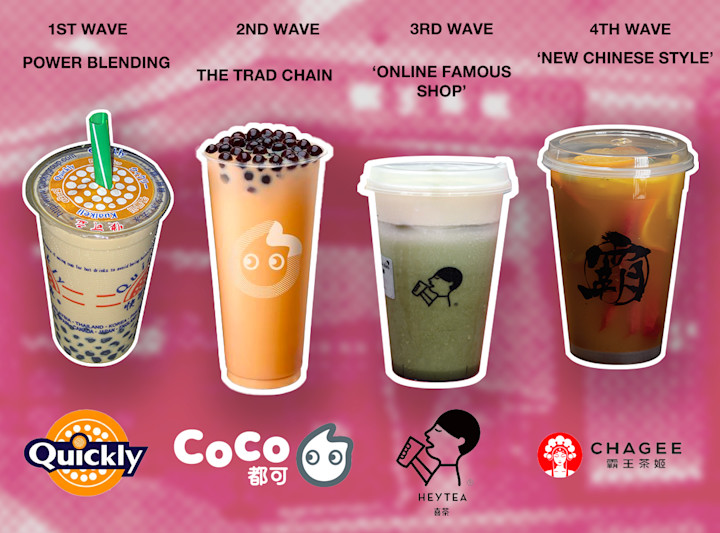
The fast-growing trend has now opened the sugar-free market to new players. Brands like HEYTEA, a bubble tea brand, gained popularity in the early 2010’s as the go-to bubble tea for China’s young and hip. Bubble tea, born in Taiwan in the 80s, has undergone a fascinating evolution in the last ten years. No longer confined to boba (tapioca ‘pearls’), it now boasts an array of ingredients like grass jelly, aloe vera, or red bean.
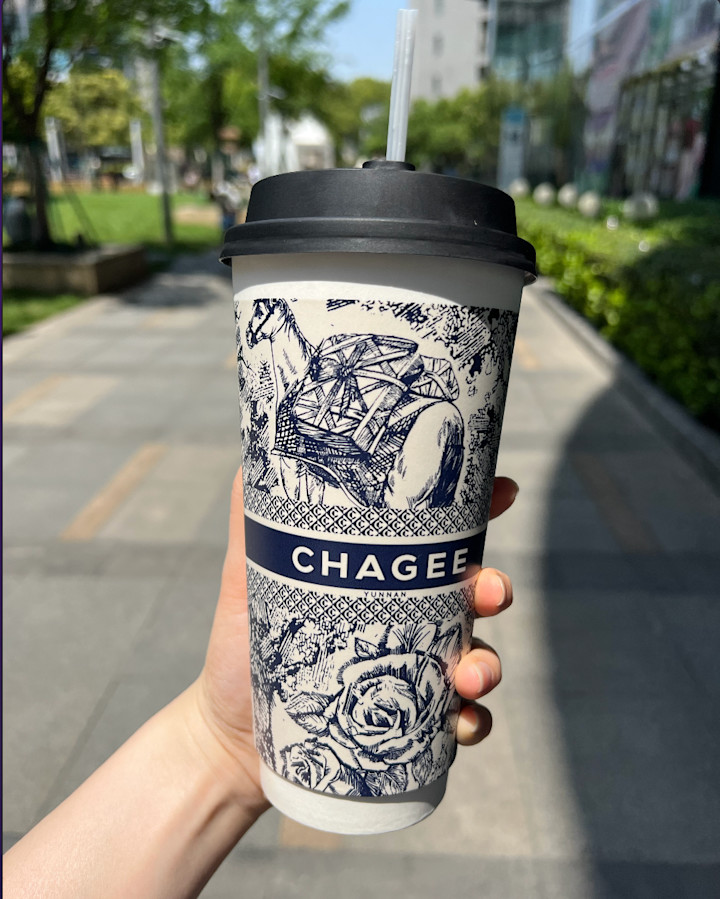
The ascent of HEYTEA signifies a shift towards high-quality ingredients, artisanal flavours, and a focus on nutrition. It’s not just a sweet treat anymore; it’s a cultural experience that seamlessly blends global influences with local flavours. In 2023, brands like Chagee, delivering seasonal, fresh ingredients, are tapping into China’s consumer shift towards healthier tea drinks while still retaining all the elaborate and playful elements of contemporary East Asian beverage culture.
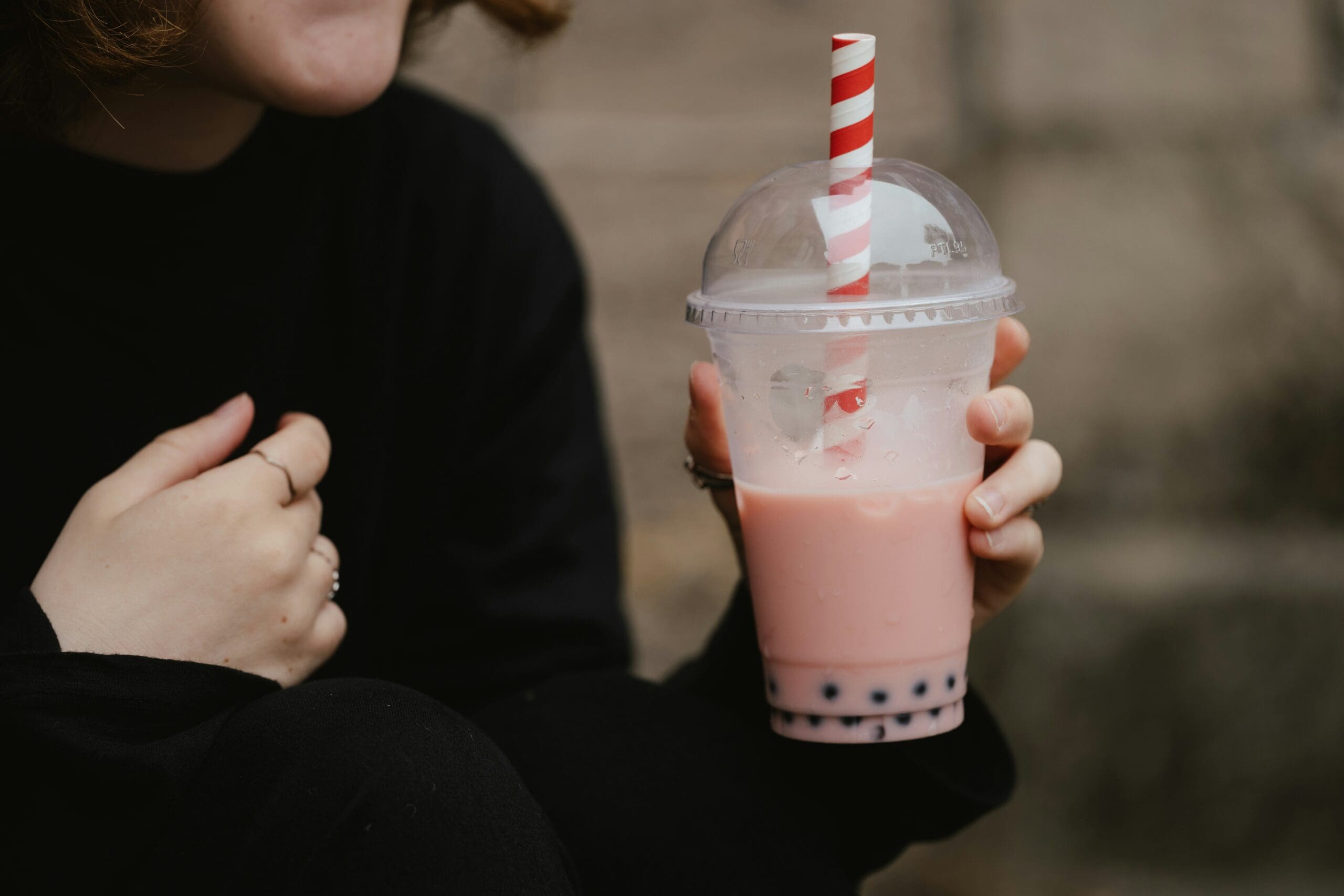
Constituting 40% of the bubble tea market in China, Gen-Z has played a pivotal role in catapulting the beverage, and the many variations on it, to unprecedented popularity. Often indulging in two to four cups daily, they have seamlessly integrated bubble tea into the fabric of modern Chinese culture. With evolving consumer preferences leaning towards health-conscious choices, the bubble tea market has been ripe for a new wave of innovation.
Chagee has recently brought an experience-led ‘tea bar’ to the market, reinventing the traditional tea house culture into a wholly modern new form of space. In addition to incorporating tea recipes to boost physical health, Chagee identified the need to craft a space for young tea drinkers to feel a mental connection.
Other innovators include Tea’stone, whose use of cultural aesthetics and plant-based offerings cater to a young, sophisticated demographic that seeks not just a beverage but an entire experiential journey.
The tea-drinking brand founded in 2018 in Shenzhen has nine stores across four major cities, and is renowned for their ‘guochao’ aesthetic, where Chinese culture permeates every aspect, from store design to product names to the very containers that hold the drinks.