






Luxury brands are diversifying their channels in response to China’s shifting consumer sentiment. From virtual worlds to offline retail, creating memorable experiences is the latest trend inspiring global brands to connect with their Chinese consumers. Combining food and beverage with the shopping experience is fast becoming a significant driver of luxury growth in China. Dining and shopping go hand in hand in Chinese malls and connecting with Chinese consumers through the hospitality sector is another localisation tool for luxury fashion brands.
Louis Vuitton’s Regional Footprint in China
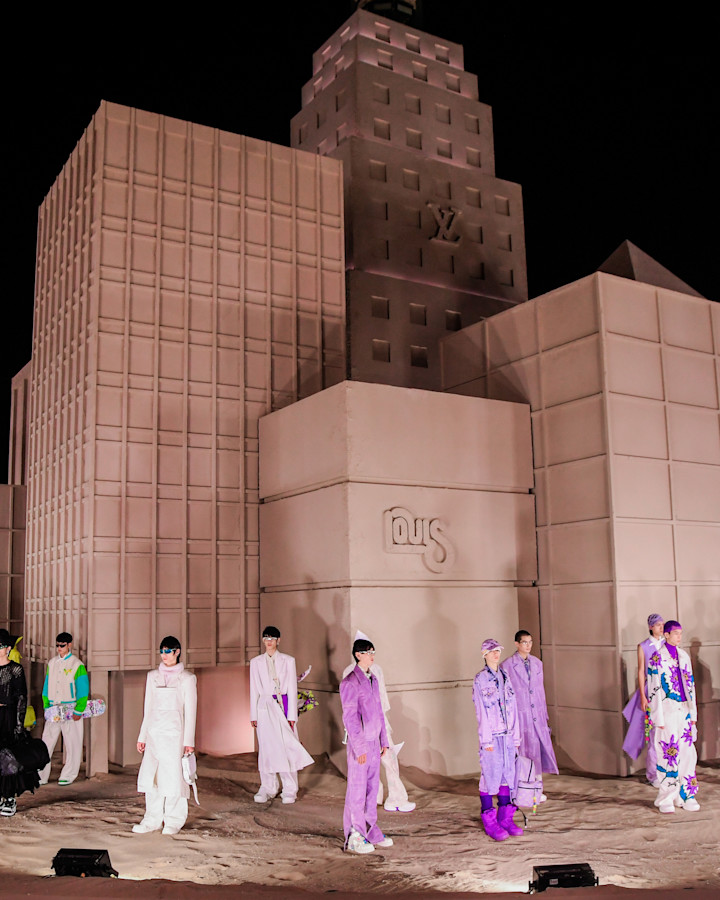
Louis Vuitton is no stranger to cultivating regional brand presence in China. In 2023, the luxury fashion house flew their Men’s Spring/Summer 2023 collection to the coastal oasis of Aranya – an exclusive culture hub for soul-searching city dwellers in Northern Hebei province. The collection, inspired by child-like imagination, resonates with Aranya’s surreal location and association with creativity and escapism.
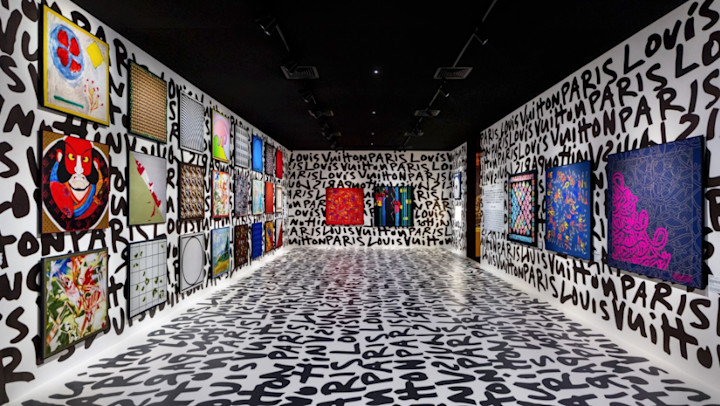
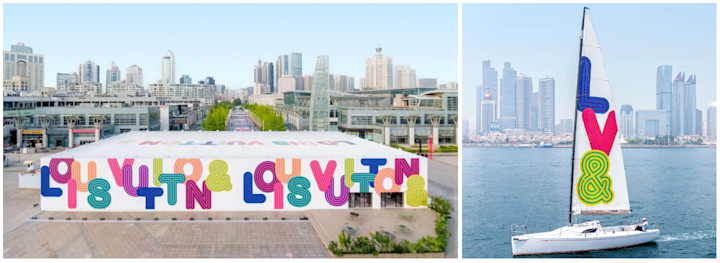
The 2022 Louis Vuitton & exhibition, which featured work by contemporary Chinese artists including Cao Fei, Liu Wei and Zhang Ding, travelled from Shenzhen to the ‘New First Tier’ city of Qingdao. Embracing the city’s sailing culture and reputation as the go-to domestic travel destination, LV commissioned a fleet of branded yachts to launch the exhibition and promote their ‘Spirit of travel’ campaign.
Beyond Tier-One: LV’s Restaurant in Chengdu
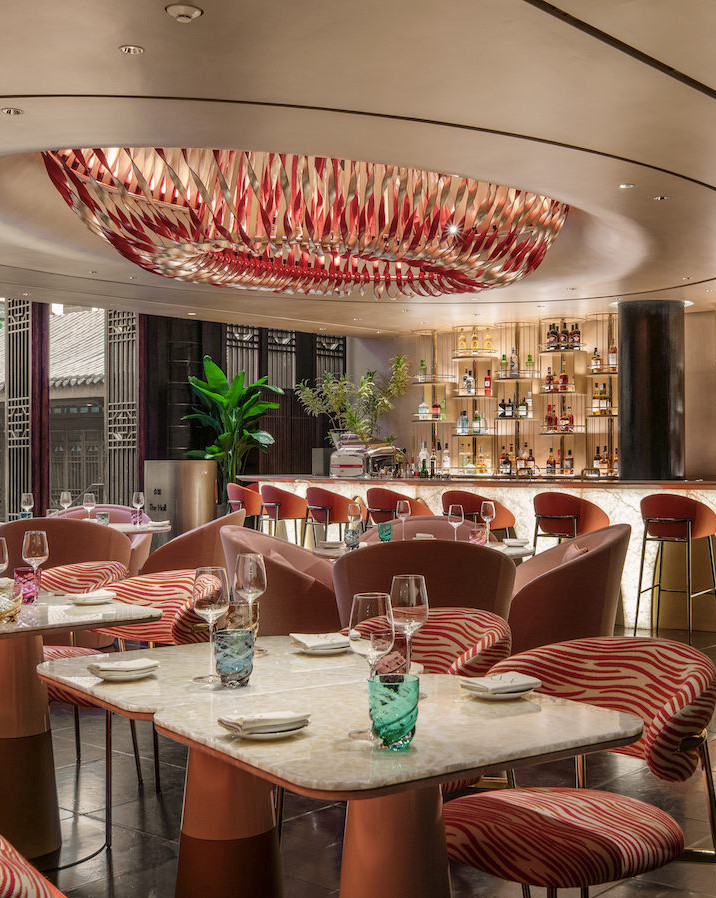
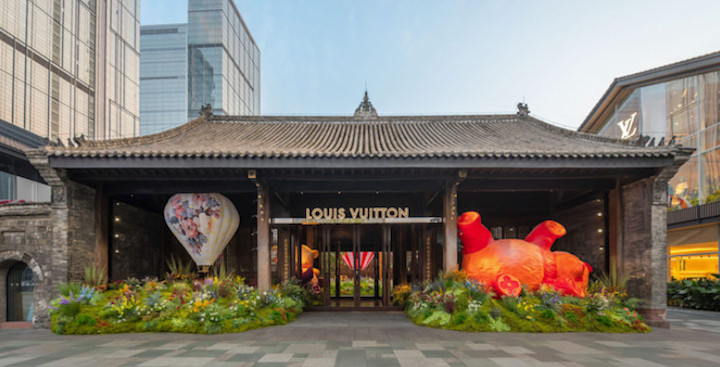
From Tiffany’s Blue Box Café to Gucci’s 1921 Restaurant, China’s first tier cities are synonymous with luxury. Louis Vuitton, however, has deviated from this well-trodden path, opening its first restaurant in Chengdu: The Hall. Housed in the traditional Sichuan architecture of the historical Guangdong Hall, the restaurant personifies the Chinese tradition of social commune. LV’s choice of location not only reflects their commitment to the wider China market, but also redefines luxury as accessible and experience driven.
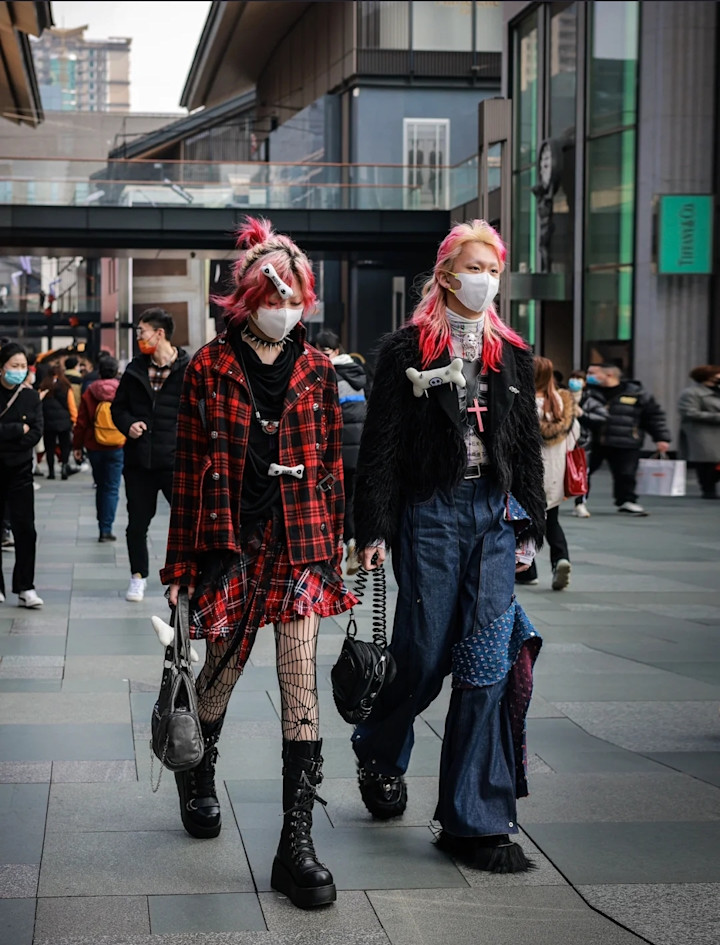
Choosing the ‘New Tier One’ capital of China’s Sichuan province as the location for their first China restaurant is a conscious effort to differentiate from tier one luxury and tap into the free-spirited lifestyles of China’s Southern cities. From Drag to Trap, Chengdu is known as the frontier of Chinese subculture. The city attracts young, like-minded people from all over China. With lower rent and more disposable income, brands can leverage the increased buying power of residents. According to Accenture, China’s lower-tier cities represent over 70% of the population, half of which are aged 34 and under. Launching The Hall in Chengdu demonstrates an enthusiasm to prioritise and connect with China’s youth culture.
Omnichannel Engagement with Chinese Gen Z
To celebrate the launch of The Hall, LV designed an interactive WeChat Mini Program, ‘Mah Jump,’ (a playful twist on the Chinese board game ‘Mahjong’), accompanied by a soundtrack written and performed by local Chengdu rapper, Ma Siwei. A quintessential pastime for laid-back Chengdu locals to play by the park in one of the city’s many teahouses, Mahjong is a popular game for all ages. Mah Jump features various elements of Sichuan culture, from hot pot to tea drinking and the bustling colourful night life Chengdu is so famous for.
This omnichannel approach not only connected with China’s Gen Z population, but also brought Chengdu’s night culture to life during Zero-Covid restrictions. Embracing the wide demographic of consumers who relate to the Mahjong lifestyle further promotes LV as an accessible luxury brand.
Culinary Excellence as Brand Storytelling
Whilst the fusion recipes and modern interior reflect the brand’s French roots, seasonal menus are executed by local and international Michelin starred chefs. The menu is rotated every six months, exploring a variety of cuisine prepared by some of the best chefs in the world. This high quality, dynamic dining experience evokes the themes of the Louis Vuitton ‘Spirit of Travel’ campaign. The menu itself is a thoughtful nod to their China audience whose travel plans have been stunted by Covid restrictions. The Hall conveys sensitivity to these struggles by replicating the travel experience through its authentic menu, delivering the high standard that Chinese consumers expect.
LV’s celebration of Sichuan culture and the Chengdu lifestyle shows appreciation for the intricacies of China’s regional cities. From the designer hot pot shaped chandelier to the colourful larger than life pandas and traditional Chinese architecture, LV has delivered localisation inside and out. This dedication to executing well thought-out campaigns and communicating these with their Chinese audience through a variety of locations and lifestyles positions LV as a China-first brand. Whilst the opportunities for brands of all shapes and sizes to tap into China’s diverse regional cultures are endless, brands should strive to be authentic and meaningful in their execution. It will be interesting to see if other fashion houses follow suit.